ONGOING PROJECTS
Half way homes
Enhancing the preparation of pre-release inmates in Rwanda ( Phase I: Architectural and Technical studies for a Halfway home )
Bailleurs: Stirling Foundation-America
Period: 2020(July- December 2020)
Contact email: [email protected]
Since June 2020, the Ministry of Justice is developing a new correction tool called “Halfway Social Reintegration Centres” together with RCS and DiDe Rwanda.
The use of these “transition homes” is related to the reintegration of the offender into society, which can be effective as a realistic Community framework. With a halfway centre, the confusion, uncertainty, and stress faced by the released offender can be gradually dispelled, allowing pre-release a reasonable period to readjust to an independent living. Transition houses can thus function as a "chamber of decompression" for the offender before the release from a long period of detention.
The policy on alternative measures to imprisonment has been developed.
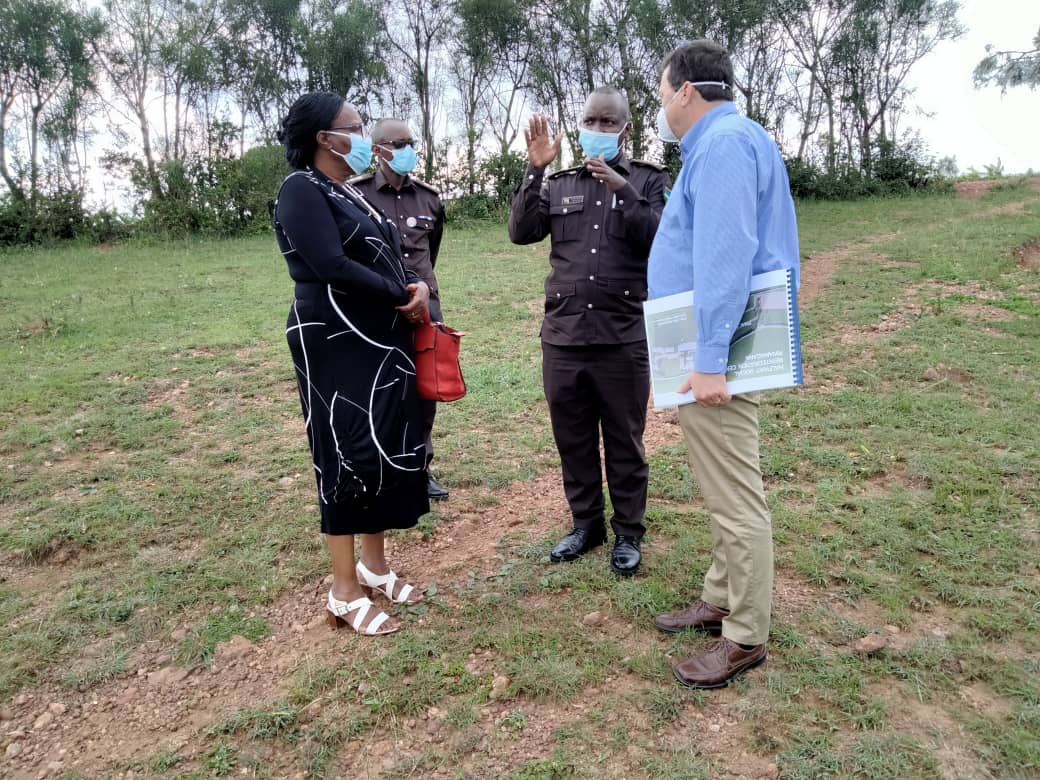
A site has been identified for the installation of a pilot Halfway Social Reintegration Centre Funding has been mobilized for the architectural studies of the pilot phase. This funding was channelled through DiDe Rwanda. The architectural studies are now available.
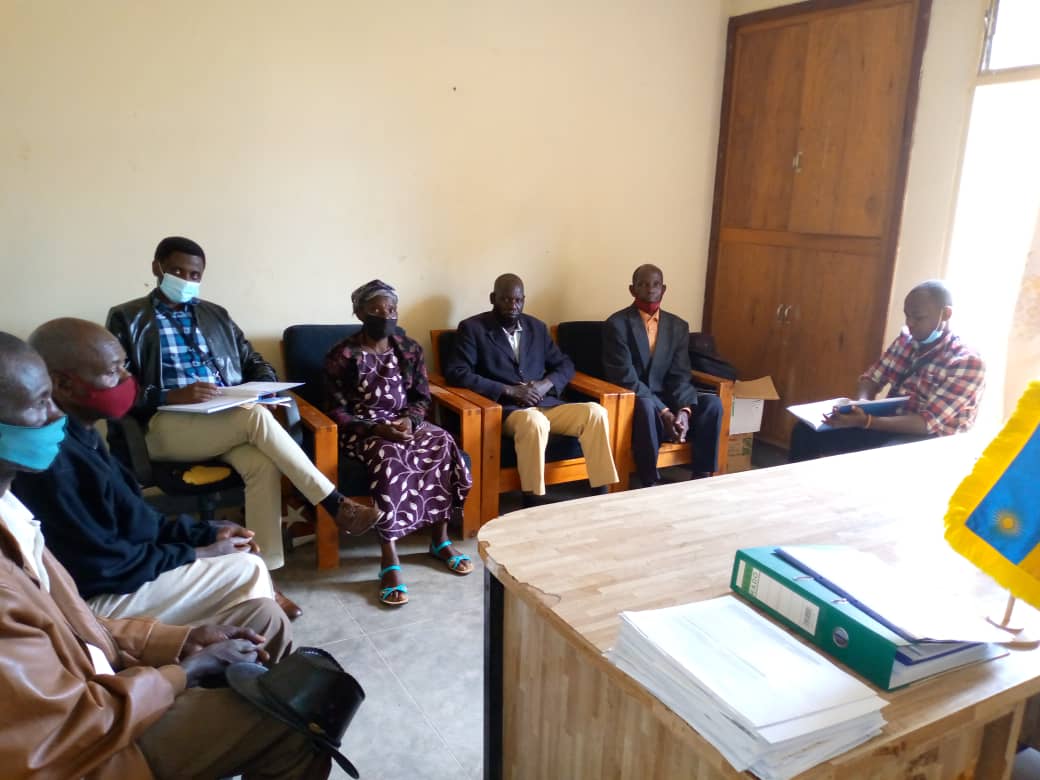
A needs assessment has been conducted to better understand the expectations of different stakeholders (prisoners, RCS, district administration, families of prisoners, Civil Society Organizations...). Data collection ended on October 31,2021 and the report is expected before the end of November 2021.
Efforts to mobilize funds for the construction phase are ongoing.
To promote this new concept, the Minister of Justice introduced Stirling Foundation as new partners to support a pilot phase of the project. Down the road, it was proposed to include a 21 partner from the local Civil Society and DiDe was recommended to the Donor who accepted. DiDe was tasked to put together a joint proposal, guided by the “Terms Sheet” sent by the Stirling Foundation.
A grant was approved by the Stirling Foundation for a first phase which covered the architectural study of a pilot centre to be set up in Rwamagana District, Eastern Province. The partners in this venture are MINIJUST/RCS – DIDE - STIRLING FOUNDATION. The grant was signed on 13th July 2020 and implemented over a period of 6 months from July 2020 to January 2021 with the following activities:
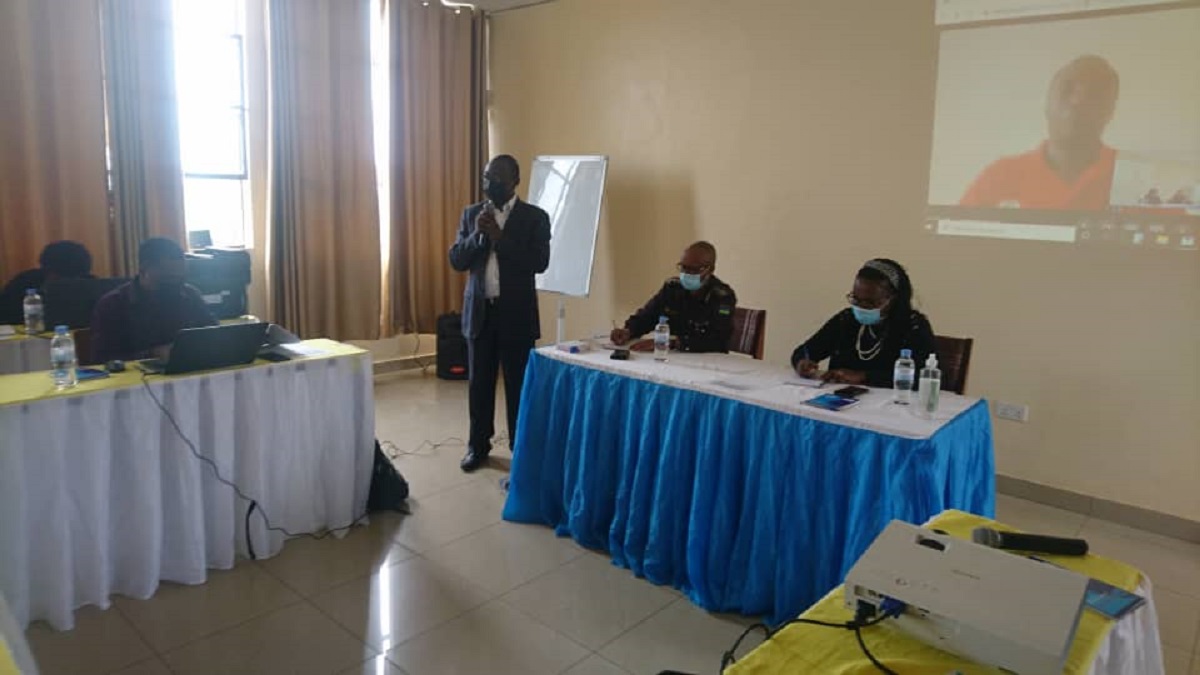
The development of a master plan considering all components of the project; and ∙ The development of detailed designs for a pilot phase (Halfway centre for Women pre-release in Rwamagana). The tender process was completed, and Talent Contractors Company was selected to develop the Architectural studies after RCS secured a plot in Muhazi Sector, Rwamagana District. The last validation meeting was organized on December 22, 2020, and the final report including all the designs and technical details was availed on January 5, 2021.
The request for a building permit was successfully submitted to the concerned service in Rwamagana district and Rwanda Housing Authority. RCS and Talent are working together to follow-up of this request. The architectural studies are the first step of the project of setting up a pilot centre to facilitate the social reintegration of to-be-released prisoners, especially women. The studies will help in the raising of funds to implement the project.
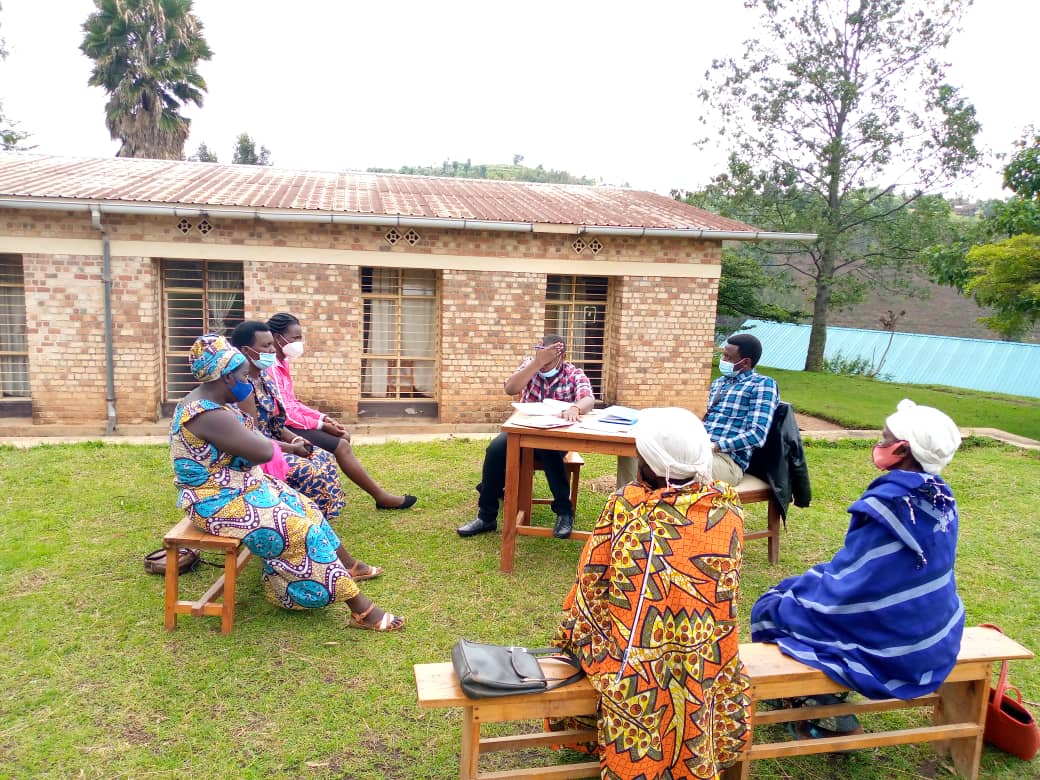
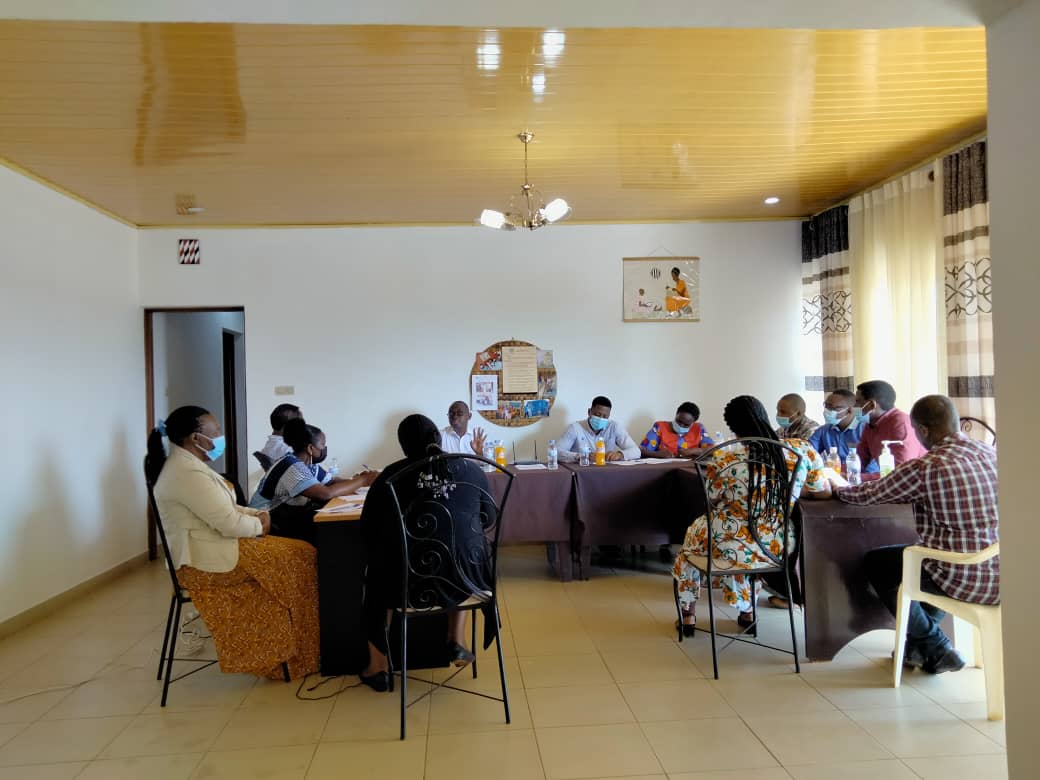
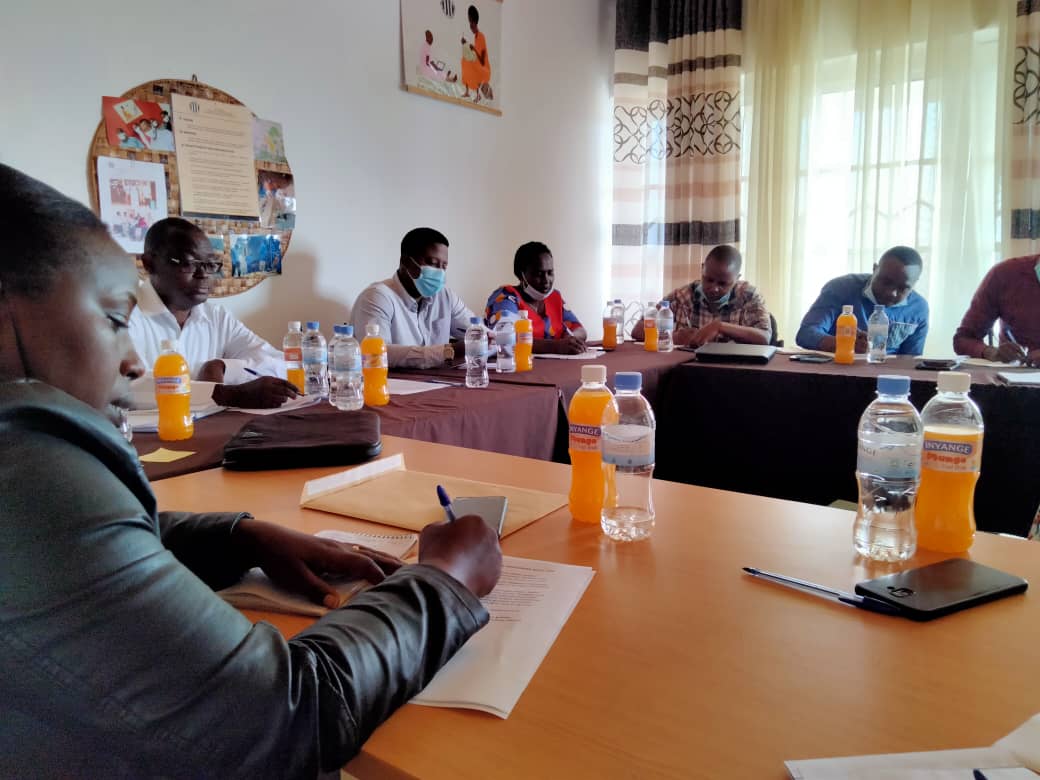
REINFORCING COMMUNITY CAPACITY FOR SOCIAL COHESION AND RECONCILIATION THROUGH SOCIETAL TRAUMA HEALING IN RWANDA PROGRAM
Interpeace, DiDe, Prison Fellowship Rwanda and Haguruka in partnership with the Minubumwe, and in close collaboration with RCS, RBC are implementing a ‘’reinforcing community capacity for social cohesion through societal trauma healing program’’ in Musanze, Ngoma, Nyabihu, Nyagatare and Nyamagabe district.
It is a holistic peace building programme that is focused on strengthening psycho-social and economic resilience for sustainable peace among communities. The innovation of this programme is the combination of three different thematic approaches: mental health and psycho-social support, social cohesion, and inclusive livelihoods; as opposed to designing each of these as a stand-alone project/programme, as has been the practice generally in Rwanda.
It builds on the lessons learnt and resources developed in the on-going EU funded pilot programme in Bugesera District, as well as on the experiences of partner organization’s in the areas of mental health, social cohesion, collaborative livelihoods, and prisoner rehabilitation and reintegration.
This four years programme to expand the Rwanda Healing to 5 more districts has secured the funding from SIDA and it is expected to run from October 2021 to September 2025, with 3 main area:Automatic word wrapAutomatic word wrap
1. Mental Health and Psychosocial SupportAutomatic word wrapAutomatic word wrap
2. Social cohesionAutomatic word wrapAutomatic word wrap
3. Livelihood
The mental health and psycho-social aspect contributes to addressing obstacles towards a more complete and effective response to trauma and other mental health disorders.Automatic word wrapAutomatic word wrap
The social cohesion aspect of the programme will support the harmonization and standardization of societal healing approaches to foster tolerance and trust among the Rwandan populations, particularly between former genocide perpetrators and survivors, and their respective families.Automatic word wrapAutomatic word wrap
The livelihood aspect of the programme will strengthen the population’s resilience capacities to socioeconomic hardships by promoting and supporting inclusive and collaborative socio-economic initiatives.
DUFATANYE KUBAKA UBUTABERA (D.K.U) ACTIVITY FUNDED BY USAID
The official inauguration of the USAID/DKU activity where the Ambassador of the US embassy in charge of foreign affairs was present and all partners in the project put a point on the start up of the program, here Haguruka presented 2 activities one of the Abunzi from kigali sector conducted mediation session and a mobile legal aid clinic where lawyers offered legal aid services to residents of Nyabugogo cells in Kigali.
The project main objectives:
1. Improving citizen’s knowledge of rights and expanding access to quality legal services.
2. Supporting justice sector actors for effective use of IECMS.
3. Strengthening Alternative Dispute Resolution (ADR) Mechanisms.
4. Identifying innovations to sustain provision of legal services while recovering from COVID-19.
The Executive Director of DIDE RWANDA alongside with LAF legal Aid Attorney introduced the DKU project into the Prisons, Gicumbi prison and Nyagatare Prison respectively.
Here Inmates will receive mental health support and receive help in accessing the justice.
they meet with the DP of Gicumbi prison and the DDP of Nyagatare prison
here they present the new project and how it will be implemented
Beginning will be the screening of the peer educators who will help others in the groups and will follow up their recovery
Here Dide will provide the following:
Psychosocial therapy in Prisons
Develop manual on prisoner mental health
Trained Prisoners on psychosocial therapy/ mental health.
Facilitate therapeutic group sessions
Monitor activities: clinical supervision, individual counseling, meeting with focal points and other prison official as needed.
First 80 peer educators will be trained and acquire the knowledge and ability to facilitate therapeutic groups, 480 volunteers inmates with psychological problems are assisted in therapeutics groups
Develop the mental health manual for prisoners is in the process.
PROJECT D’ACCOMPAGNEMENT DES ENFANT DE <3ANS, DES MERES ET FEMMES AGES DE NGOMA
Project name: "Support for children and women in Ngoma and Nyamagabe prisons"
I. Title of the activity: Contribute in family reintegration for the children reaching 3 years old from Nyamagabe and Ngoma prisons
II. introduction
The policy of Rwanda related to the management of prisons in Rwanda, planned that, the child living with their mother in prisons and reaching 3 years old must be reunited with their families. It is in this regards that, DIDE will contribute in this activity, by supporting prison in reintegration of children aged of 3 years old into their families. This activity is planned to be done on September 13 and 14, 2022 in Nyamagabe prison and on September 29th and 30th, 2022 in Ngoma prison. The children to be assisted in joining families will be chosen by targeted prison. This activity is planned for two days in each prison
III. Output and outcomes
3.1 Outputs from the activity
• 3 years old children from the prison are accompanied and unified with their family or foster family
• Children to be integrated in family are accompanied by their mothers
3.2 Outcome
3-year-olds reunited with their families or with foster families get the right of being educated in family.
Mothers accompanied their children and knowing their destinations are psychologically secured
IV. Objectives of the training
Children reaching 3years old are reunified with families and will receive the right of growing and educated in family
V. Beneficiaries, date and venues
As there are many children to join their families, the beneficiaries will be provided by the prisons at least three days before this activity. Children accompanied by their mothers will come from Nyamagabe prison on September 13 and 14, 2022 and others from Ngoma prison on September 28 and 29, 2022. We plan to assist 6 children (3 in Ngoma prison and 3 in Nyamagabe prison), but we will comply with the situation on the field.