Actions
Education is a universal right!
Making pain a learning period
In a closed environment like that of a prison or a closed establishment, feelings and relationships are exacerbated. Promiscuity quickly generates violence that is directed towards others or towards oneself. Overcrowding, an evil present in many countries, abolishes all privacy. Idleness weighs on mental and physical health. Persons deprived of their liberty face constant stigmatization during their detention as well as after their release. Detention is often synonymous with failure. The person deprived of liberty sees no possible future, feels rejected or even forgotten.
For minors and for women, the lifeblood of developing countries, this observation is all the more alarming!
Developing knowledge, acquiring professional skills and building / reconstructing social skills are the objectives of education. It is the keystone of a reintegration process. It is not limited to instruction stricto sensu, which would relate to pure knowledge and know-how. It also aims to ensure each individual the development of all their capacities (physical, intellectual or even moral). Thus, this education will allow him to face his personal life, to manage it by being a responsible citizen in the society in which he evolves.
The reappropriation of the functioning of community life
This reappropriation (or even this appropriation) is all the more difficult for minors who very often have little or even no knowledge of this functioning during their young life course. The prison population of minors is largely made up of children from disadvantaged backgrounds. Coming from dislocated families where tensions are numerous, from poor single-parent families living in precariousness, having survived for some on the street, minors detained in developing countries often have a chaotic life course. The problems of poor societies are very often accompanied by traumatic problems linked to war, genocide or natural disaster.
The challenge is to enable adolescents, in a closed world such as that of the prison, to learn how society works and in collective life!
For women in detention, the challenge must respond to their fears of not finding their place, or even a place, in collective life. The sidelining of society through punishment means rejection: rejection of the family, of society and of the economic world. Yet they are the engines of developing societies. It is often thanks to their work, their responsibilities, their commitment that the development of a country is made possible.
Our action
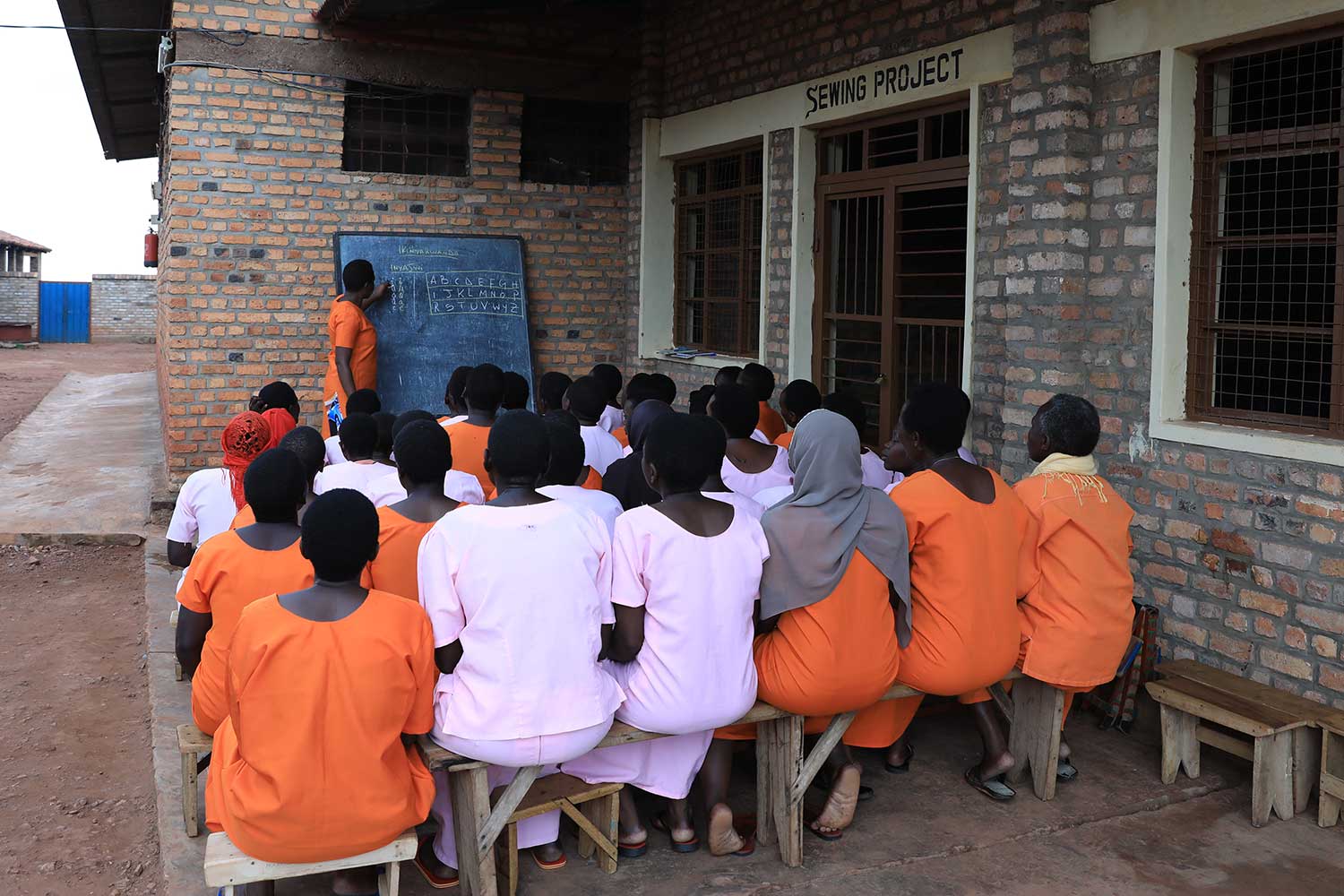
DiDé has been carrying out projects for 20 years so that women and adolescents in detention benefit from the protection and education that they deserve. It is over the years and more particularly with adolescents in detention in Rwanda that we have become aware of the need to integrate a global approach to education. Developing knowledge and know-how through schooling or vocational training programs is certainly essential with a view to reintegration. But that’s not enough! Psychosocial and mental health support, notably through group activities and individual follow-up for cases of acute psychological distress, is the cornerstone of any educational and integration program.
- Encourage literacy and formal or informal school education.
- Support professional training.
- Develop the acquisition of individual and social skills through psychosocial activities.
- Stimulate bonds of sociability and solidarity through sports, cultural and artistic activities.
- Identify, assess and support individual cases of acute distress (mental health).
Reintegration is a commitment by everyone!
The penalty: exclusively punitive or utilitarian?
The functions generally attributed to the sanction are to educate, restore, make visible, punish and secure. Between exclusion and integration, the challenge of punishment is identified.
This is not a question that only arises for the regulatory authorities. It is linked to the conception given to justice. Do we want to conceive of the prison as a place of exclusion of delinquents for the safety of society, or as a place of preparation for reintegration into daily life? Do we want an exclusively punitive sanction or one having a utilitarian purpose? Such a debate and such questions concern all of society.
The development of a personal project
Reintegration is prepared as soon as you enter a penal institution and is built with everyone involved. The supervisory authorities have a preponderant responsibility. Families and more generally society or the community are also key players in the success of reintegration. They must be involved from the first stages of reintegration.
Finally, reinsertion cannot be done against the will of the detained person. She must therefore perceive and understand the advantage for her of approaching her sentence and detention in a constructive perspective. Which is far from easy.
The development of individualized life projects underpins the reintegration process. It is necessary to trace, with the minor or with the woman, a path that leads them to the future. This individual care is largely absent in most prison environments. And even more so in developing countries where it is perceived as requiring both financial and human resources which are lacking.
Construction or reconstruction of family ties
Family visiting is an extremely important element in the life of an inmate. It is even more so for an adolescent or for a mother who lives separated from her children. Unfortunately, too often, parents and husbands abandon their children or their wives when they have trouble with the law.
This increases their vulnerability and their difficulties in planning for the future. Everyday life in prison is also a source of stress and despair. They feel forgotten and abandoned by their loved ones; so many pains which are obstacles to a reintegration project.
Restoring or establishing contacts with the outside world, with relatives, with the family is very often the lifeline and survival for the person in detention. Maintaining such links is all the more important for minors and women in detention. This must be understood and facilitated by the authorities, but also by families and society as a whole.
Release follow-up and support
The moment of release is crucial. What happens to a young person or a woman left at the door of a prison without any financial means? Where does the orphaned minor who lived on the street before his detention go? Where does the woman abandoned by her husband, her family and without news of her children go?
Building bridges between the prison and the outside world promotes reintegration. Authorities, members of civil society, the business and labor world, the religious world, non-governmental organizations, etc.
must mobilize to facilitate this passage. This collaboration often does not go by itself and requires awareness and preparation to assume and provide, together, such support. Abandoning, among other things, reflexes of stigma and fear, takes time and implies a real will on the part of society as a whole.

Our action
Over the years DiDé has witnessed the essential role of family ties, receives requests from adolescents to be in contact with the outside world and hears their fears when they leave.
To meet such needs, we are developing, together with prison authorities, an approach that aims to integrate and raise awareness among all stakeholders to facilitate reintegration.
- Restore or consolidate the feeling of belonging to a family, to the community.
- Ensure better care and follow-up after discharge.
- Support a fresh start.
Sustainability is our responsibility!
Thinking about disengagement from the project development phase
It is now recognized and requested that any operational project of a development organization integrate the concept of empowerment. Beyond this requirement, reality tends to show that such a principle is often difficult to operationalize, even forgotten or neglected. In particular, it comes up against divergent temporalities between an often long process of appropriation and projects limited in time. He often faces unpredictable changes in situations in rigorous project planning.
When accepting partnerships or developing our own projects, we pay particular attention to the concept of ownership. It comes in different aspects, at different levels and includes different actors:
- political / institutional ownership
-
- It is essential that the project is part of an asserted and concrete will of the authorities for better care for minors and women in detention.
- social appropriation
-
- It is essential to raise awareness in the community, the families of detained persons, civil society for better care.
- technical appropriation
-
- It is essential to train, give the tools, support and share with supervisory staff.
- economic appropriation
It is essential to plan with the actors concerned (authorities, partners) for sustainability following our disengagement.
If sustainability should not be a goal in itself and the only criterion for the success of a project, it nevertheless allows us to reflect on the quality of what we do and to remain responsive to the challenges it involves. It forces us to remain attentive to developments on the ground and receptive to the realities of the contexts in order to show a critical spirit towards our action. Regular evaluation processes (internal and external) and capitalization are gradually integrated into our working approach in order to best guarantee the quality of our projects and our action.
Our action
A pragmatic approach, concrete responses to identified needs and the long-term commitment of qualified and recognized local collaborators / partners are among our priorities and our intervention criteria for developing projects.
- Build together adequate and concrete responses.
- Encourage the empowerment and empowerment of partners and authorities.
- Develop South / South and South / North exchanges.
- Raise awareness of the right to education and its need for the reintegration of minors and women prisoners.
REHABILITATIVE JUSTICE
Since March 2019, Dignité en Détention (DIDE RWANDA) is implementing initially a 15 months modified to 18
months project called Rehabilitative Justice for reconciliation in Rwanda under the
financial and technical support of USAID/ DUTEZE IMBERE UBUTABERA. The project is
targeting 3 prisons of Rwanda, namely Huye, Nyamagabe and Rusizi and two districts:
Nyamasheke and Nyaruguru and is set up with a view to promoting social cohesion and
peaceful coexistence between the soon-to-be released detainees from targeted prisons and
community members, including genocide survivors, the family members of genocide
perpetrators and globally with all community members from two districts of Rwanda.
Until March 2020, a total of 130 detainers already requested for forgiveness including 34
from Huye prison, 51 from Nyamagabe prison and 45 from Rusizi. Others 31 detainees from
Rusizi prison and 16 from Nyamagabe prison are ready to request for forgiveness
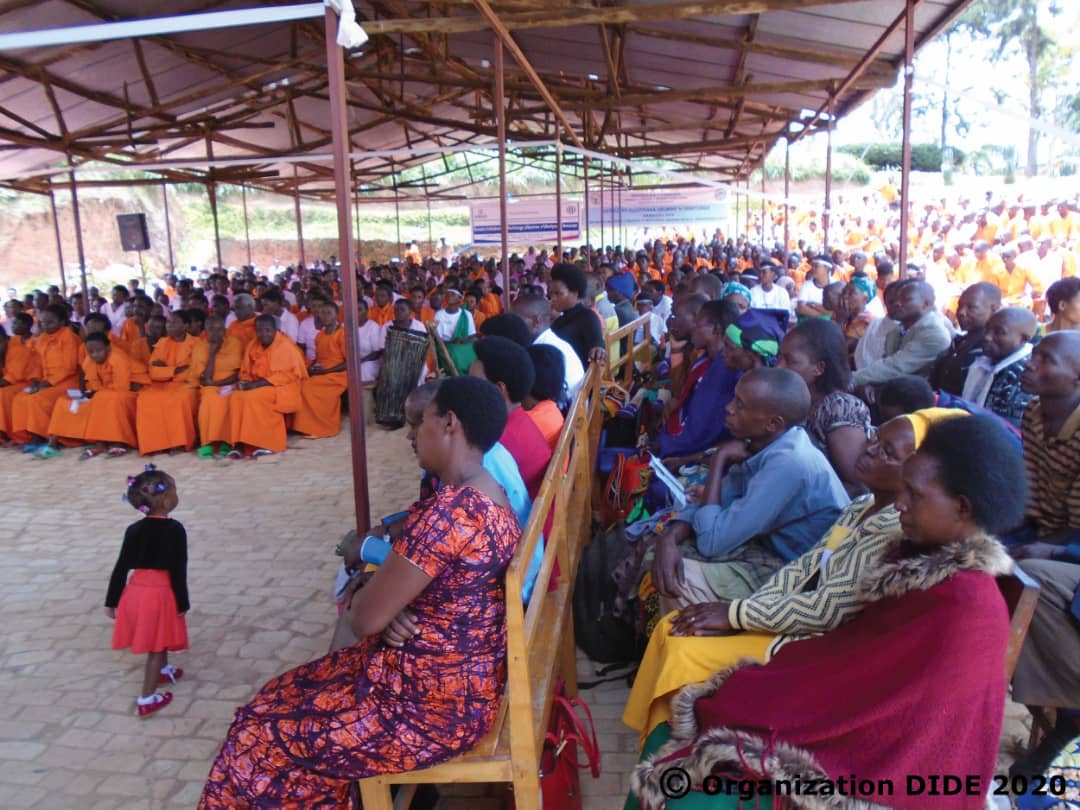
Before stating facilitating therapeutic groups, peer educators are trained. The photos below show:
(1) Prisoners in Nyamagabe prison that doing the pretest and (2) men detained in Huye prison
working groups

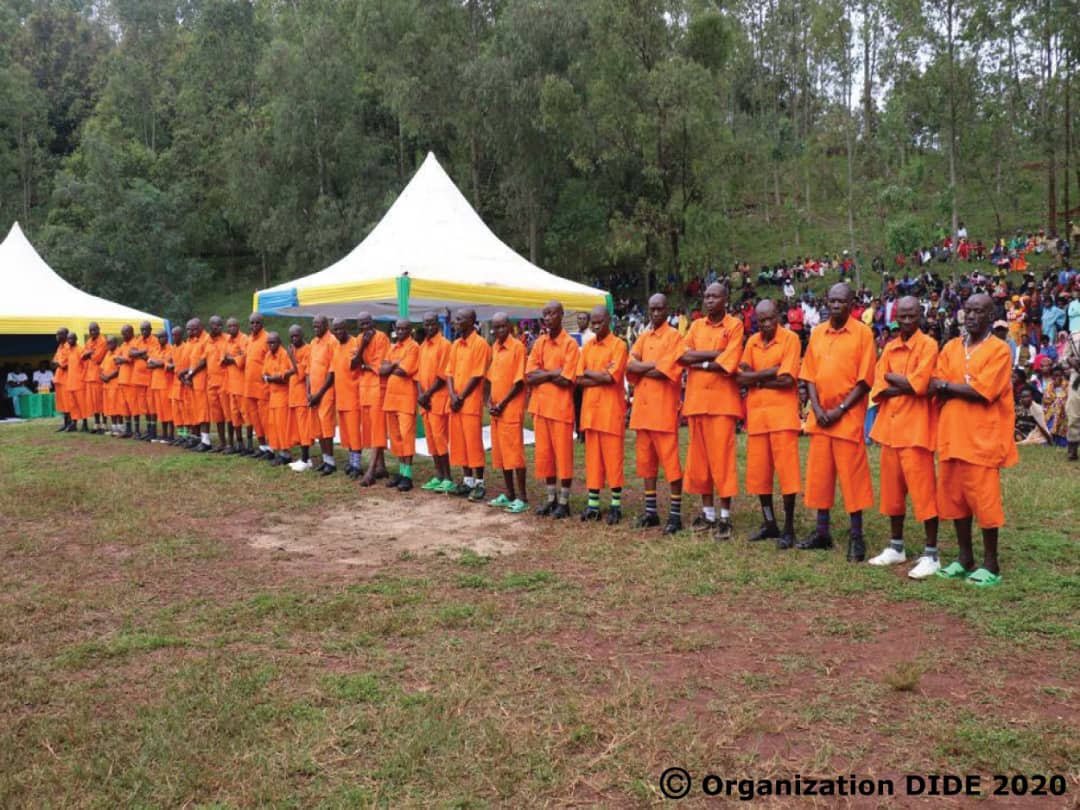
The aim of therapeutic groups is the reconciliation between detainees and community members, including survivors. Below pictures illustrate reconciliation day:
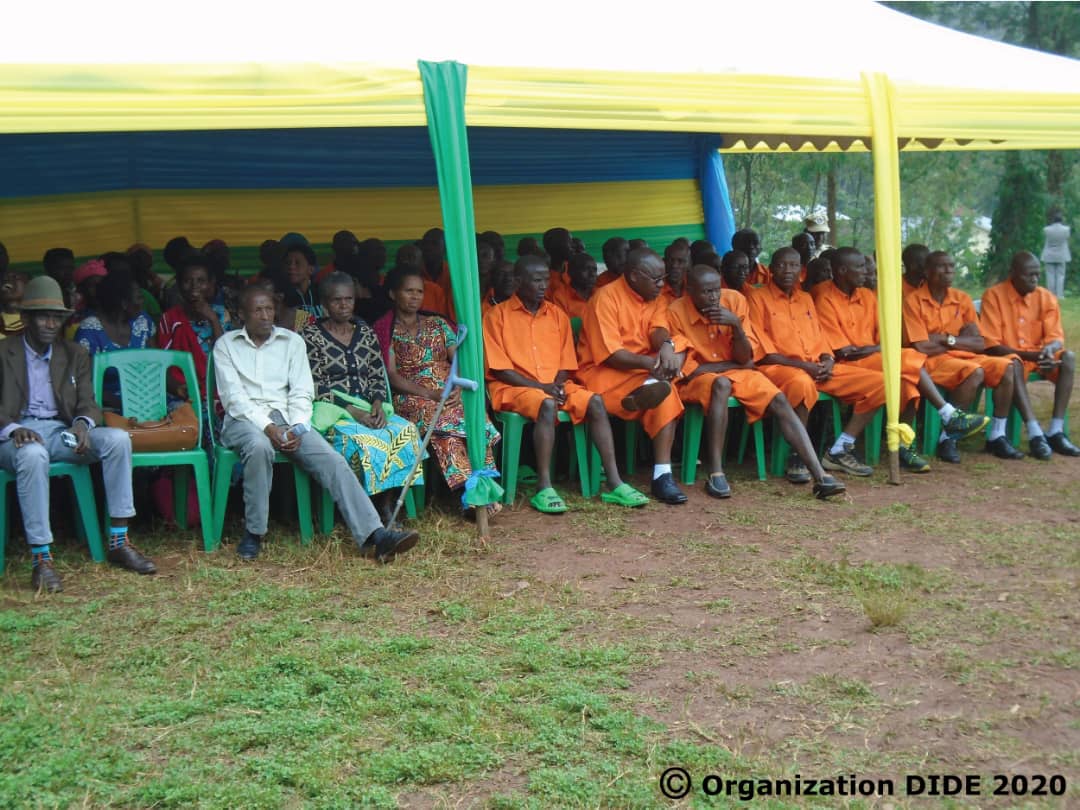
Reconciliation day in Nyamagabe prison
RIGHT AWARENESS CAMPAIGN
Dignité en Détention (DIDE RWANDA) in partnership with RBJ(Rwanda bridge to justice) has conducted the
awareness campaign on the legal right "URI UMWERE IGIHE CYOSE UTARAHAMWA ICYAHA" which miss that you are innocente until the court of law found guilt of the crime.
The campaign has been held in 5(five) Prisons respectively: Nyarugenge, Rwamagana, Bugesera, Ngoma and Nyagatare.
The prisoners receive legal right advice and social mental help by DIDE RWANDA staff experienced in mental health.
With the collaboration with RCS (Rwanda Correction Service) the lawyers of RBJ and other Partners Like Rwanda Bail Association participate
in explaining to detainees their legal right and help them get lawyer as the law provide one for the person in detention.
The collaboration facilitate the work of the management of detainees for their intervention,
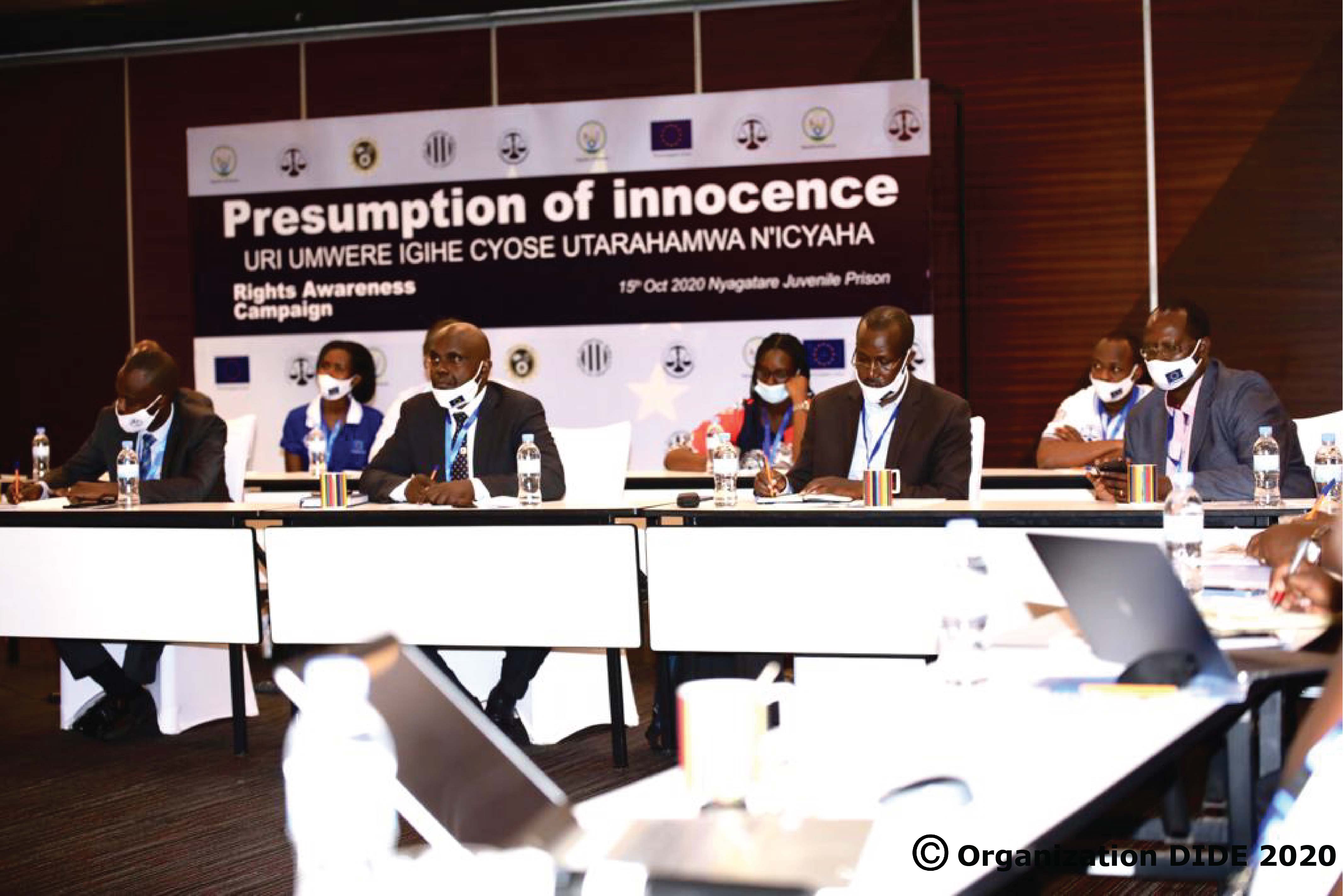
PARTICIPANT OF THE MEETING FOLLOWING ACTIVITIES USING VIDEOCONFERENCE
With the help of MINIJUST(Ministry of Justice) and the sponsor of the EU(European Union) the campaign is able to be spread in short
stories and performed in public to communicate the message to the audience.
Other platforms has been used like TV presentation, Newspapers, posters social media and others.
they are a good result because most people start to understand their right to justice in a good sense matter but they are still a long way to go.
The campaign has been successful as people are aware of the law and their right to it.
with the campaign held in prisons the work to explain to prisoners theirs Rights, come with the help of others areas like health and social reintegration,
prisoners receive help to make them a useful element in the society instead of feeling isolated.

Above: DIDE RWANDA and RBJ work closely with RCS to help prisoners in legal rights and mental health

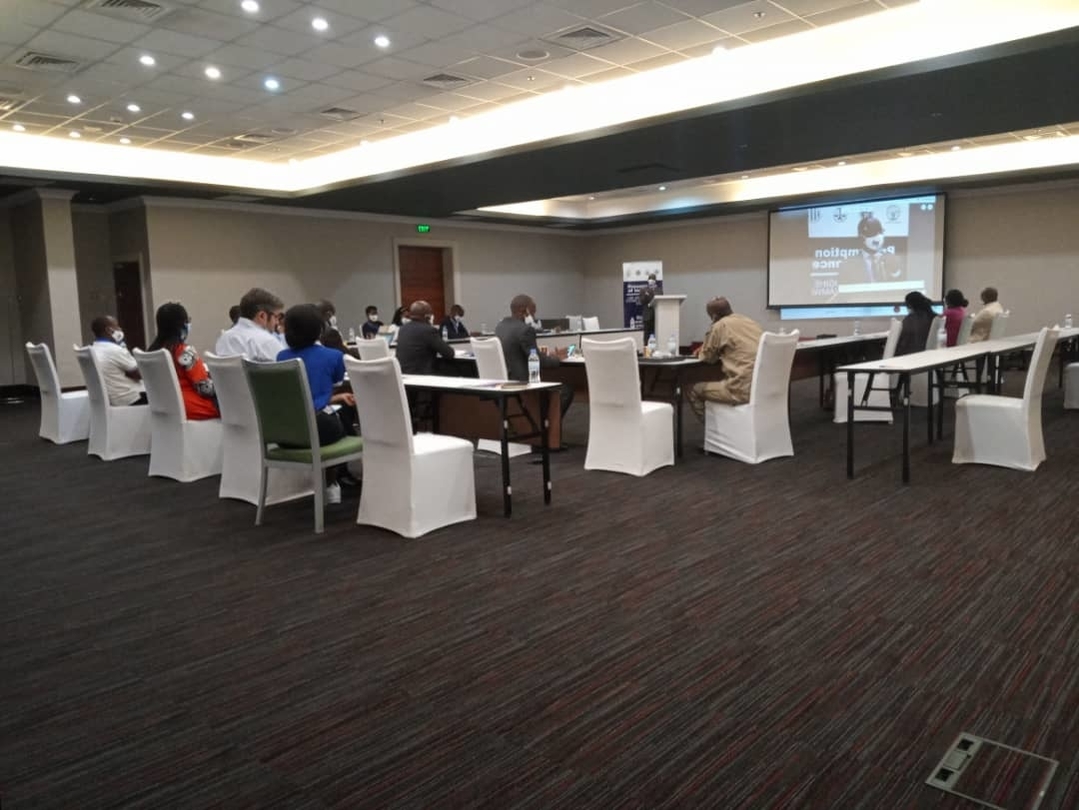
The meeting was conducted using video conference to follow the activity in Nyagatare prison where the campaign were happening and to be able to see the
people on the ground and the reality of the prisoners and how they respond to their trainers,
this will continue to be conducted in other prisoners and in public to raise awareness on the legal rights to the people.
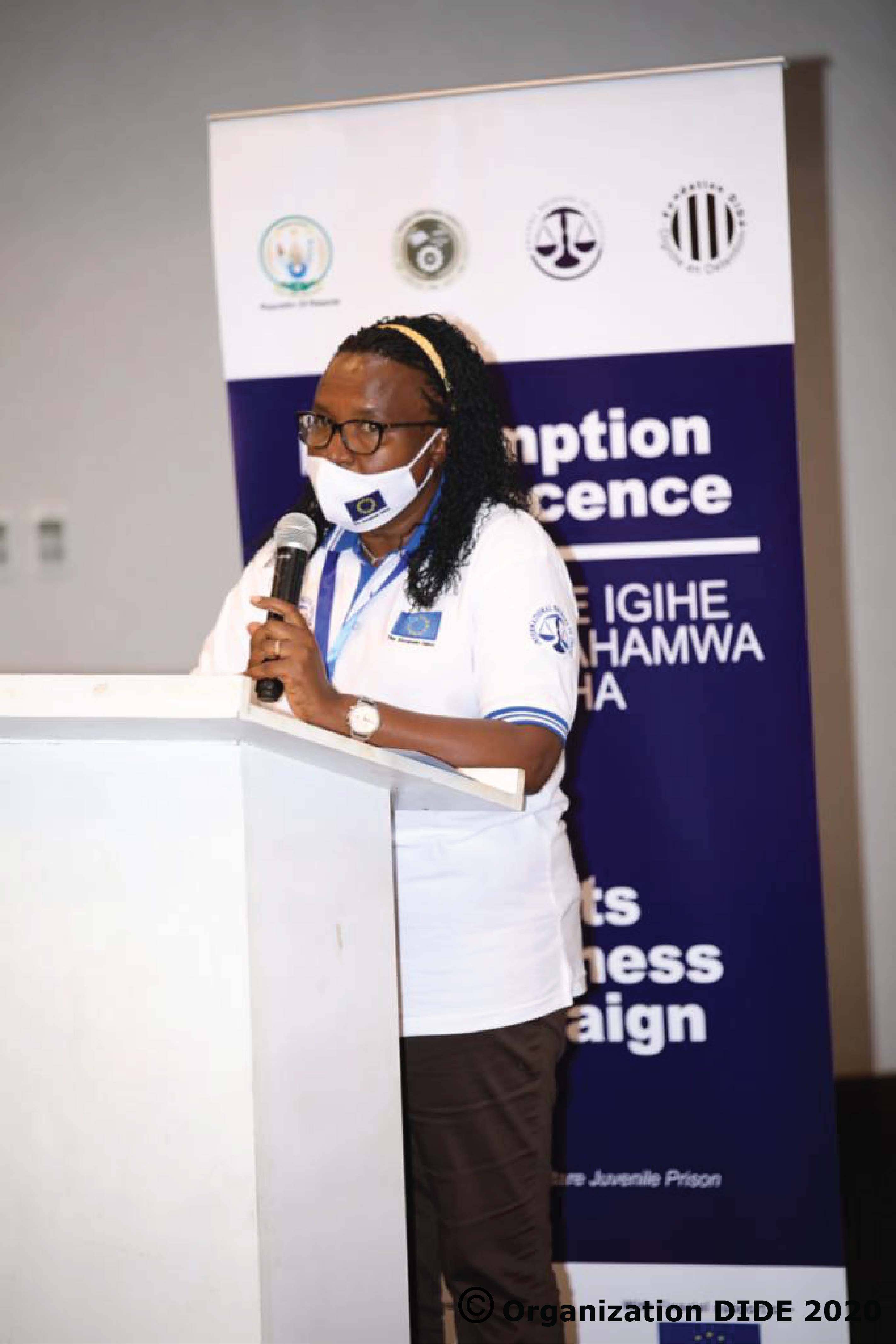
Above: Odette MUKANSORO/ Regional Delegate of DIDE Organization
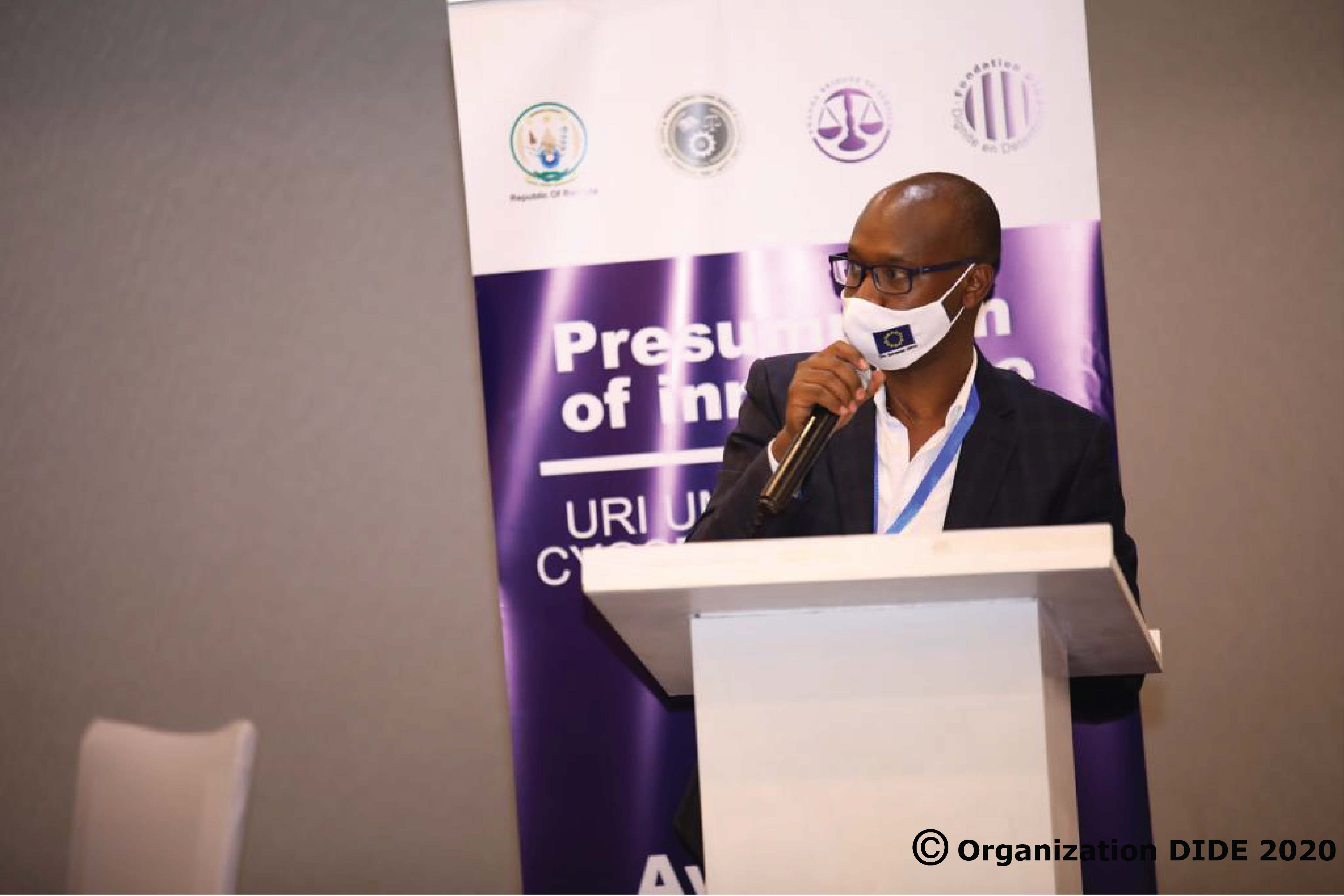
Above: Jean Bosco BUGINGO/Director General of RBJ
JUSTICE, HEALING, RECONCILIATION
For 18 month Dignité en Détention ( DIDE RWANDA) has conducted a program JUSTICE, HEALING,
RECONCILIATION.
In partnership with RBJ (Rwanda Bridge to Justice) to unite Rwandans in prison for the crime of genocide with the family victims.
It was in the capitalization meeting of Dignité en Détention (DIDE RWANDA), to review the 18 months that the organization did the program in Nyamagabe, Huye and Rusizi prisons.
The Regional Delegate of DIDE RWANDA showed that at the beginning of the program there were many prisoners who preferred to join the program but the organization choose to take 437 who are near to serve their sentence.
In those 437, the one who meet with the survivors and receive forgiveness are only 132.
Coronavirus break out with other 37 prisoners in Rusizi prison who went to ask for forgiveness
in Nyamasheke District, and other 97 in Nyaruguru District who received invitations
to meet with the survivors at their home.

Above: MUKANSORO Odette/Regional Delegate of DIDE RWANDA
The Regional delegate of DIDE RWANDA said that they are in need of Financial
Supporters, to be able to resume the ongoing program, if necessary continue it in others prisoners because we know it is needed, she said
"According to what we do i think we will found financial means and the program can continue in one way or another."
RCS Doctrine and Ethics Director CSP Therese KUBWIMANA said they are still many
prisoners who need to be part of the program to unite with the survivors and ask for
forgiveness because it heals the perpetrators and survivors.
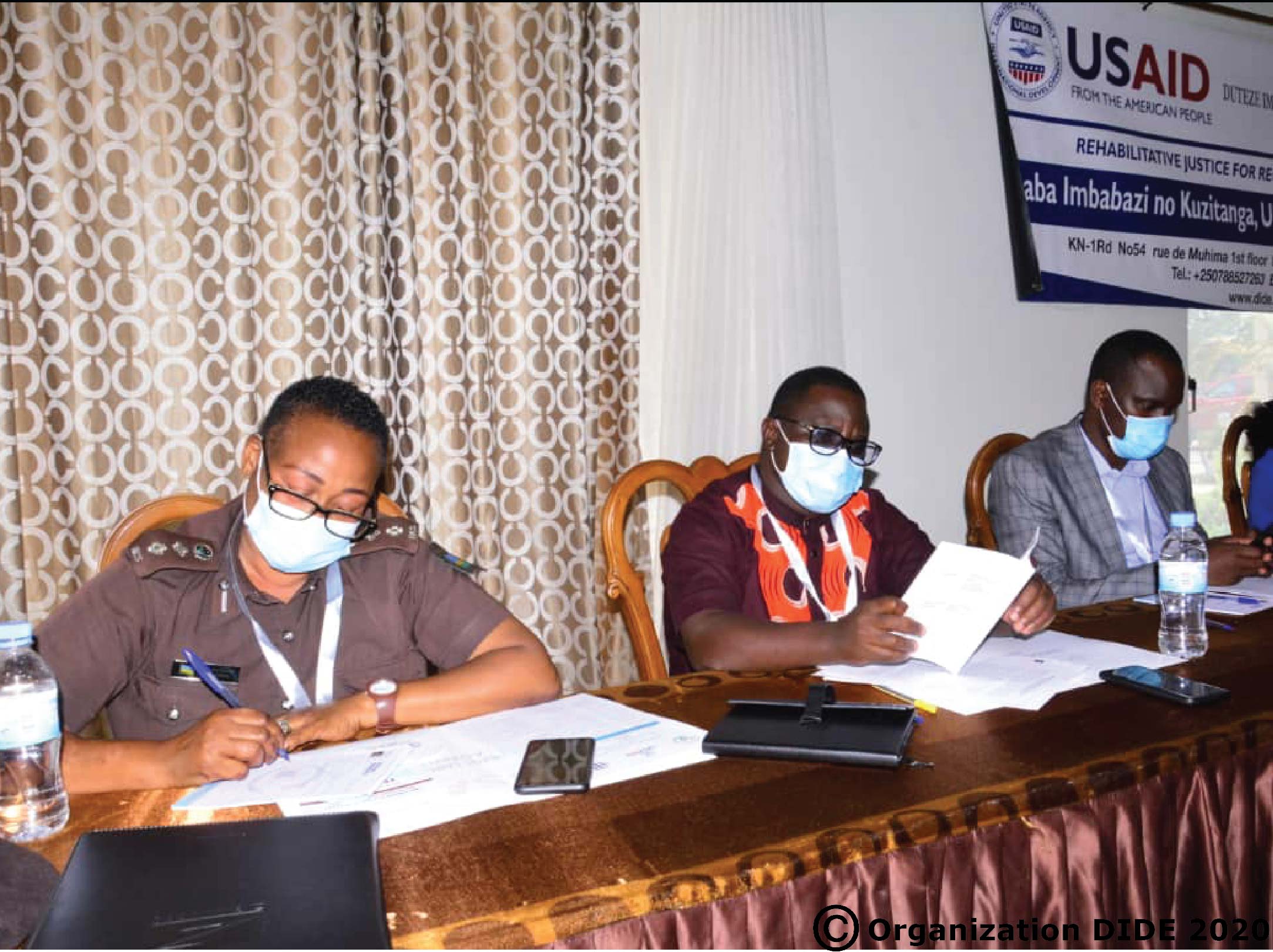
Above: CSP Therese KUBWIMANA/ RCS Doctrine & Ethics Division Manager
The RCS insists that the DIDE RWANDA need to be sponsored to continue the program, because in collaboration with other partners, Covid-19 come while 1037 prisoners had been in contact with
the survivors’ families and received forgiveness,
there were 5925 other prisoners who was waiting to be connected with those
they betray and other 641 who was receiving training.
The Executive Secretary of the National Unity and Reconciliation Commission
Ndayisaba Fidele added that those who teach the program to unite Rwandans
are not needed inside the prisons only but also outside in the public saying that
"even for the released prisoners living in the society it is necessary that they get help to be able to change and heal to increase the trust they receive in the public society .
he Added "the Genocide crime is a non-human crime, the crime breaks the perpetrators and the victims and their families. the consequences of the crime are a continuous chain, and reach their next generations.
Those actions of reconciliation help to reduce those consequences, and stop reach
their young families.
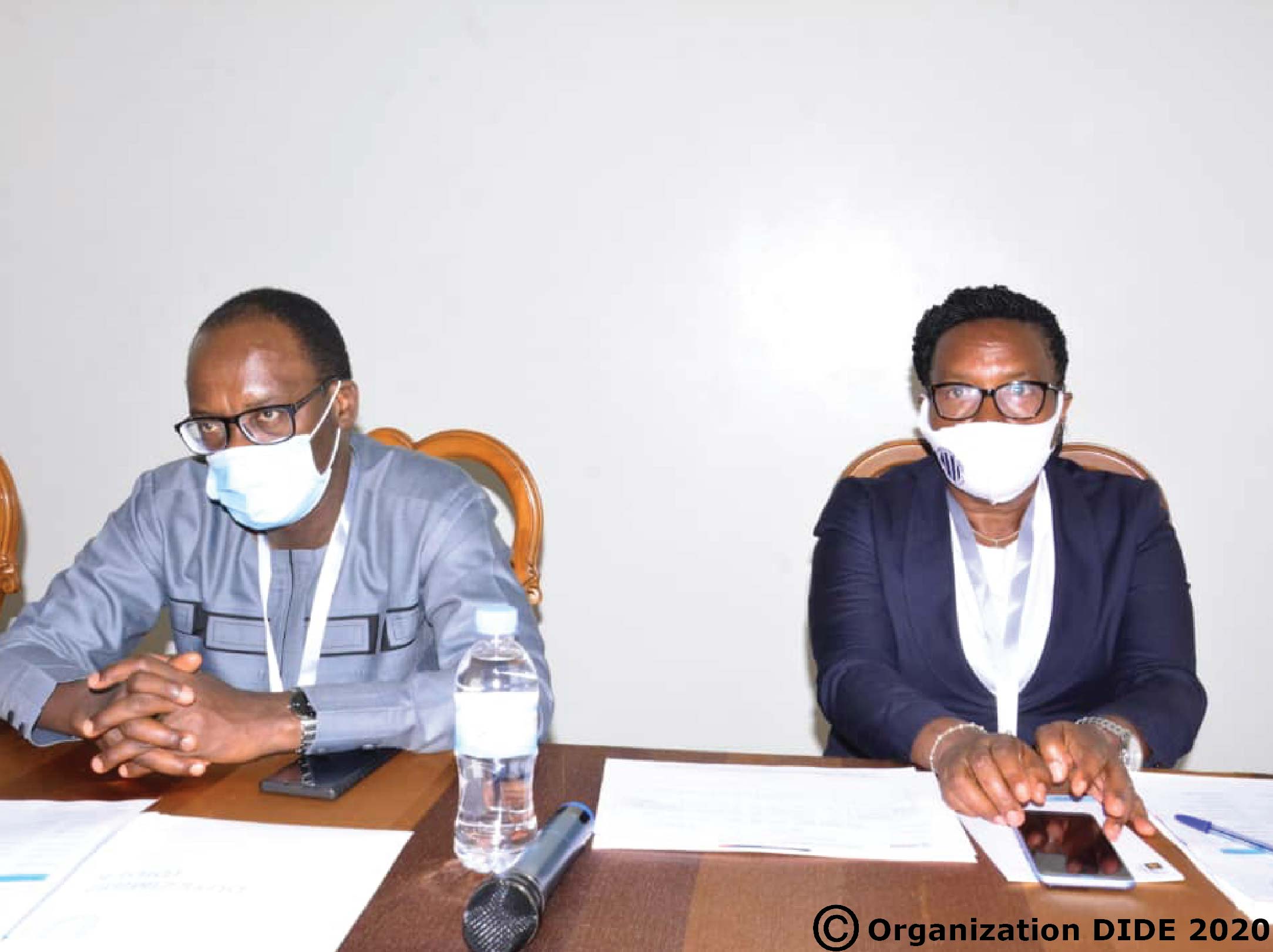
Above: NDAYISABA Fidele/E.S-NURC and Odette MUKANSORO
those who meet with survivors and ask for forgiveness, appreciate the help they receive
to be able to ask the forgiveness for they could not do it themselves. what made them more
happy is the way they are living with the victims.
John Kabacuzi from shangi in Nyamasheke Ddistrict, in April 2020 finish his sentence of
12 years for the crime of Genocide he committed, he is one of the connected perpetrators while in prison
with the family he betrayed.
He said" Since i return home, we work together with my neighbours, we have fun together
we invite each other, i don’t guilty and ashamed anymore. i thank the staff of the program
and the victim family because we committed the crimes against humanity, we don’t deserve to be forgiven.
Those who forgive the perpetrators said it helped them to heal but mostly Perpetrators
show them where the body of the victims are Thrown.
Kampogo Constance who is the Representative of Association of the Survivor (AVEGA) in
Nyamasheke District said that Burring their loved ones with Dignity Heal them and
Move on with their life without feeling they are in debt of their lost one.
now you feel you fulfil your responsibility as a survivor.
The mayor of Nyaruguru District HABITEGEKO Francois says that in his District those in
way of reconciliation is 50 but there are other 16 to follow, but can’t go because of
covid-19.
He added that someone can think that is a small number but it false, many efforts were required to
help them understand the importance of asking for forgiveness.
those who asked for forgiveness are the fertilizers and it never be less.
for sure those who received training while being in prison and now that are out in the society help
them in Reconciliation campaign
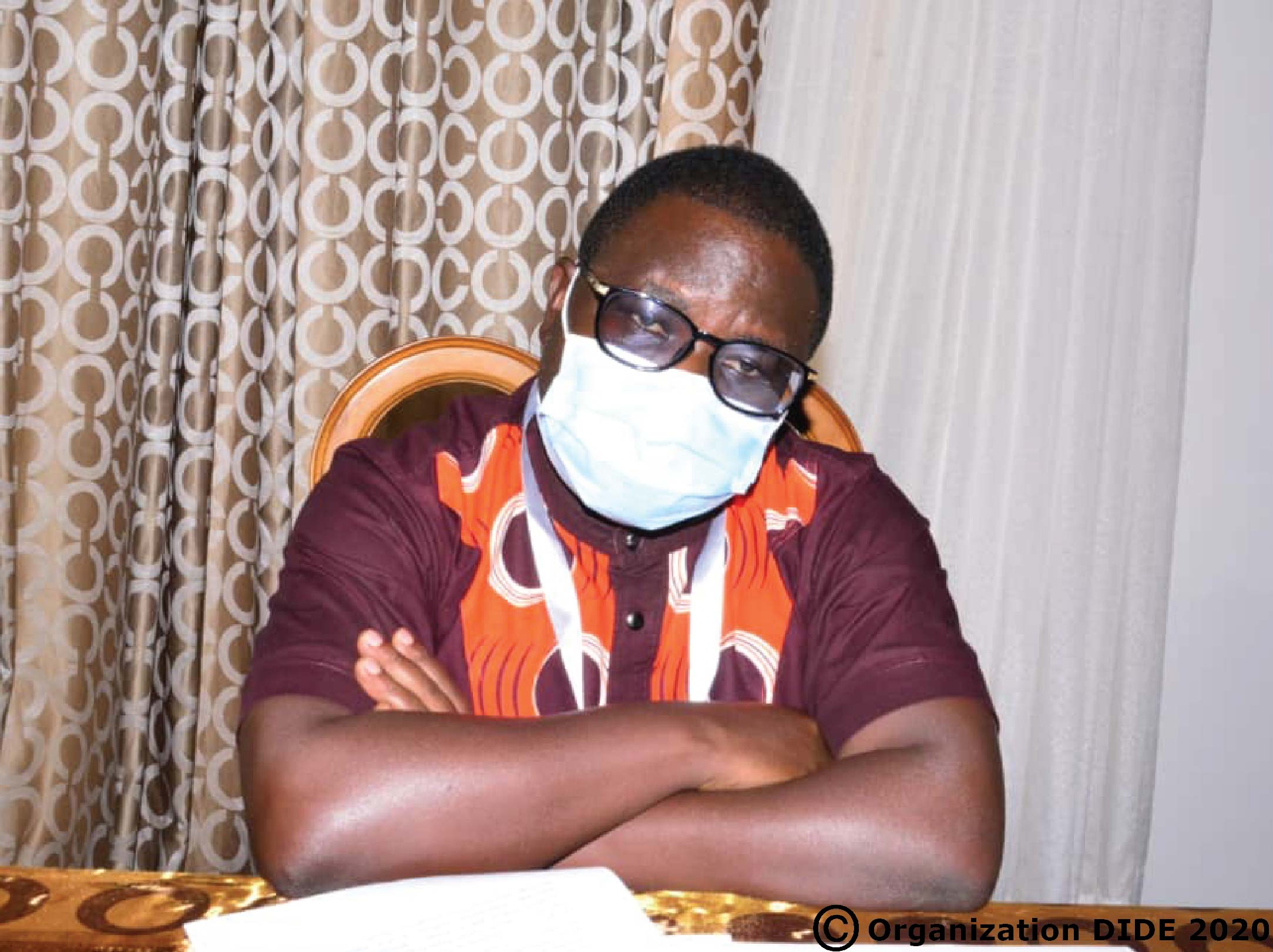
Above: HABITEGEKO Francois/Mayor-Nyaruguru District
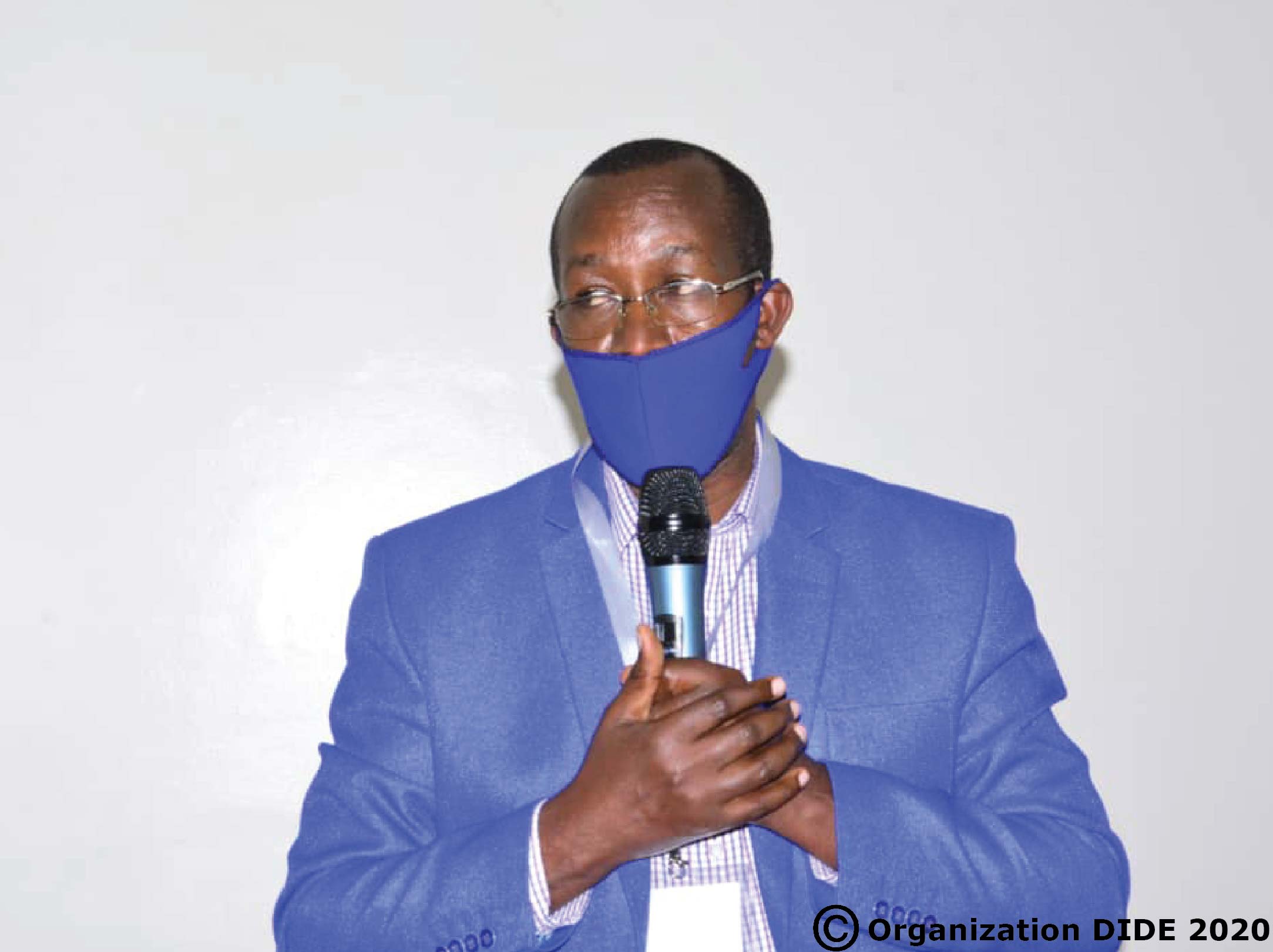
Above: NABAHIRE Anastase/D.G. JUSICE SECTOR-MINIJUST
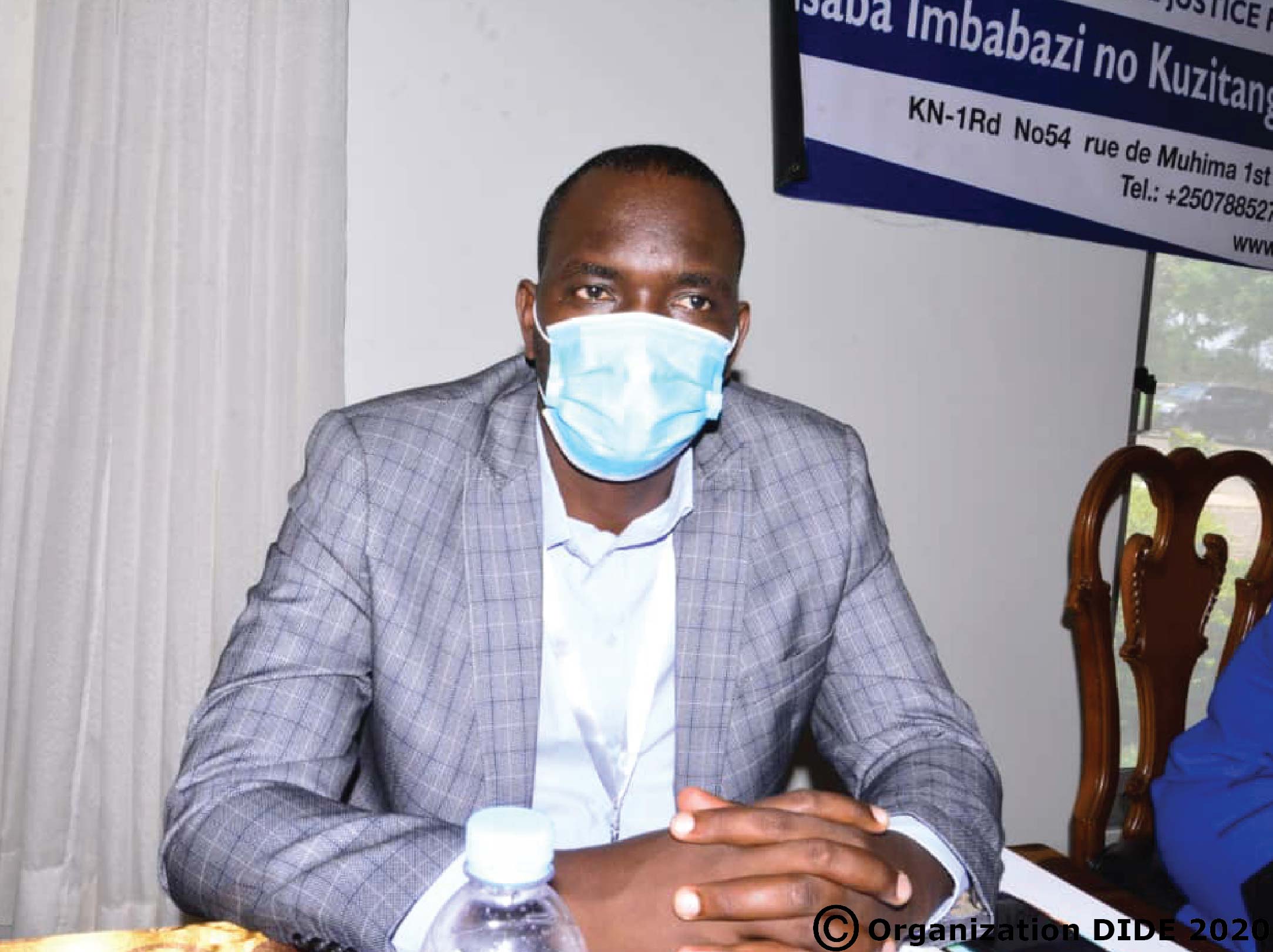
Above: MUGISHA Frank/ DIU Coordinator-USAID
CONSULTATIVE FORUM
Protecting Human Rights Within Rwanda’s Criminal Justice System
Organization Dignité en Détention (DIDE RWANDA) has conducted a second “CONSULTATIVE FORUM” aiming to assess the impact of “PROTECTING THE HUMAN RIGHTS WITHIN RWANDA’S CRIMINAL JUSTICE” project.
The project was funded by the European Union and conducted by DIDE RWANDA in partnership with RBJ (Rwanda Bridges to Justice), and was designed to support government and institutional efforts to build and maintain a fair and efficient criminal justice system that protects and respects the rights of every Rwandan citizen.
During deliberations at the forum, Nicola Bellomo, the EU Ambassador to Rwanda said, “As we take stock of the past 3 years of the project, as EU, our own assessment is very positive; the project outperformed its initial target of 300, with close to 900 vulnerable detainees at risk of abuse who have benefited from early legal assistance by lawyers.
The Regional Delegate of DIDE RWANDA said that during the project implementation the organization has provided Mental Health and pyscho-social support to more than 4050 cases.
The project was implemented in 5 prisons respectively: Nyarugenge, Bugesera, Rwamagana, Ngoma, and Nyagatare. Where DIDE RWANDA worked closely with RCS (Rwanda Correction Service).

Above: Odette MUKANSORO/Executive Director-(DIDE RWANDA)
During deliberations at the forum, Nicola Bellomo, the EU Ambassador to Rwanda said, “As we take stock of the past 3 years of the project, as EU, our own assessment is very positive; the project outperformed its initial target of 300, with close to 900 vulnerable detainees at risk of abuse who have benefited from early legal assistance by lawyers.”
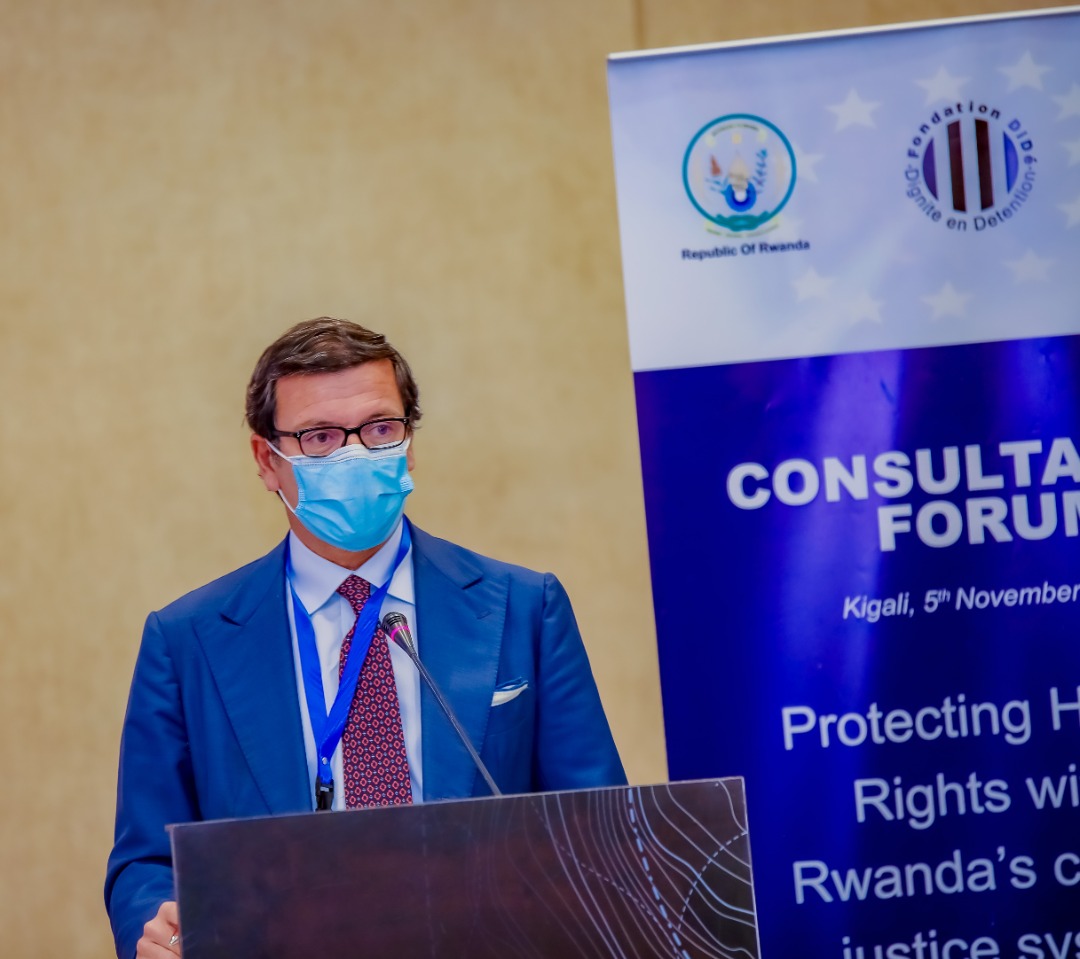
Above: NICOLA Bellomo/EU Ambassador to Rwanda
Bellomo noted that the EU was proud of all the work done by with DIDE RWANDA & International Bridges to justice in protecting human rights within Rwanda’s criminal justice system.
According to him, “While the population of Rwanda’s prisoners remains a concern, we hope prosecutors and judges will use more the existing alternatives to imprisonment without fearing of departing from what is seen as the norm or of being accused of corruption.
This forum hosted at Marriot Hotel, Kigali, drew officials from Rwanda Correctional Services leadership, Rwanda Bridges to Justice among other stakeholders. This project is implemented in partnership with International Bridges to Justice (IBJ) and financed by the European Union mission in Rwanda.
Project key achievements:
DIDE organized 8 orientation sessions (or training sessions) for 254 staff in the four prisons where DiDé had not worked before.
During these sessions, DiDé introduced the concepts of mental health and psychosocial well-being of prisoners and defined the role of each staff in the accompaniment of these prisoners from their entry to their liberation.
250 peer educators(Prisoners) were also recruited and trained taking into account the population of each prison as well as the necessary prerequisites to be selected. Among these prerequisites were in particular the motivation to occupy this function, the level of education, good character, the length of the sentence, etc…
58 new peer educators were trained too during the project implementation period to strengthen the team of peer educators already trained. The idea was also to fill the gap after the release of some peer educators who have been granted parole or those who are completing their sentences. The total number of peer educators trained is 308.
DiDé organized training workshops for 77 staff stakeholders in criminal justice institutions and staff who are in charge of mental health in prisons, in district hospitals and Neuro-psychiatric hospitals of Ndera.
Those training workshops aimed to equip criminal justice institutions, civil society stakeholders and Hospitals with basic skills on how to identify situations of trauma and/or psychological distress among accused and detainees.
77 support groups have been created in the five prisons which bring together a total of 924 people. The peer educators facilitated these groups. Co-facilitation and supervision of those groups has been conducted regularly by the DiDe psychologist in collaboration with the prison psychologist in order to build the capacities of these groups.
6 thematic workshops have been organized to strengthen the capacities of criminal justice stakeholders (lawyers, investigators from Rwanda Investigation Bureau, judges, prosecutors, psychologists, and RCS staff. This brings the total number of criminal justice stakeholders trained by this project to 238.
CHALLENGES:
At the beginning of the project, the main challenge met was a lack of infrastructure adapted to psychological consultations within the prisons.
The psychological consultation rooms built till now are not equipped
Some prison psychologists were not assigned to this position, they had other assignments so they did not have sufficient time for individual therapy. One of the responses was to favor the group approach over individual therapy but another challenge was:
The insufficient number of rooms where support groups are held limited number of groups despite the need that were on the field.

- Above: Jean Bosco BUGINGO/RBJ Director
According to the organizers, more than 200 lawyers, investigators from Rwanda Investigation Bureau (RIB) , judges, prosecutors, psychologists and staff from Rwanda correctional services also benefited from capacity building workshops, enabling better implementation of national and international standards that protect individuals from torture and other abuses.
Beneficiaries including a women released from prisons share their story in a testimony at the forum.
The beneficiary of the project a woman held at Ngoma Prison shared her experience with the participant, inciting how the Organization staff helped her with training and skills, and how she learned tailoring by the help of DIDE RWANDA.
She said life was difficult at the prison and she couldn’t cope with the life she found herself in.
After, she received mental and psycho-social support from DIDE and was able to start a new life inside the prison.
DIDE RWANDA helped her get access to a lawyer and was able to benefit from the justice. When she was released from prison she continued to benefit the help from the Organisation and received a Tailoring machine where she uses it to provide for her family.

Above: Victim sharing her experience in a forum
Prosecutors and Judges said that there is a gap in the Rwandan Law system and there is no independence of judges to make decision based on their experience but to follow the law that is very old and prevent them to give Justice in its form.
However the Jurdical system has known a remarkable update in their function to deliver the best of the judgement and nowadays people have rights to lawyers and are provided one for free if needed.
The forum topics covered different area include the Human rights while in criminal justice system, Psycho-social support given to prisoners when they found themselves in prison.
How is Education and training have a big impact on the judicial system, this was highlighted by the Rwanda Bar Association.
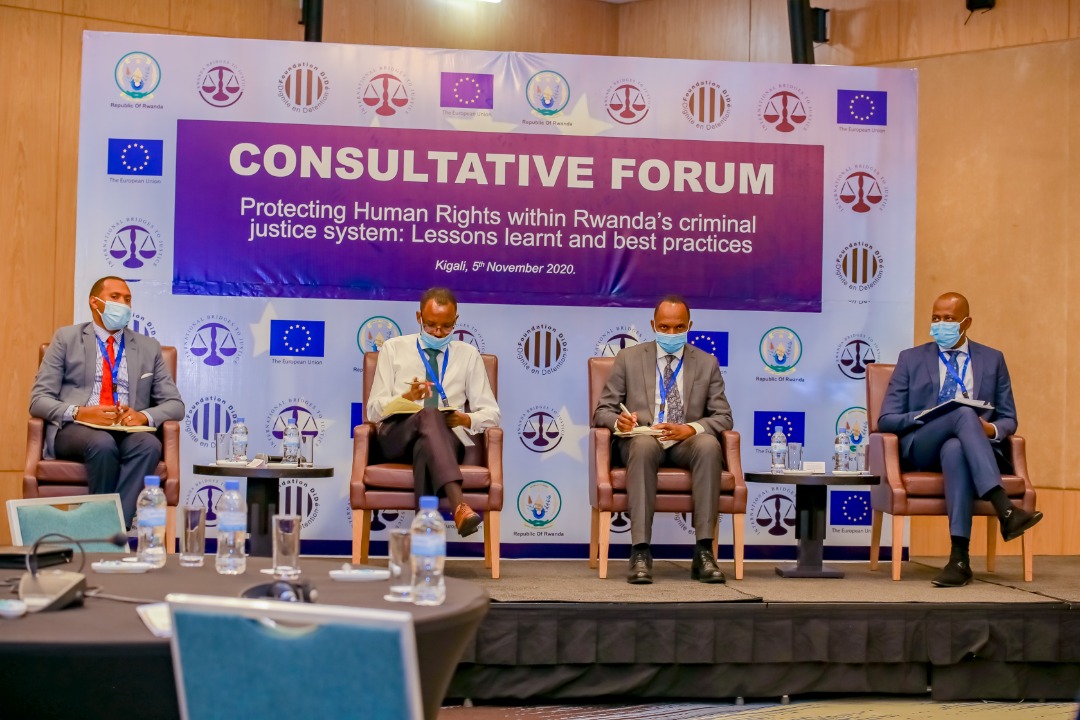
Above: Representative from Supreme Court, RIB, NPPA, And Rwanda Bar Association.
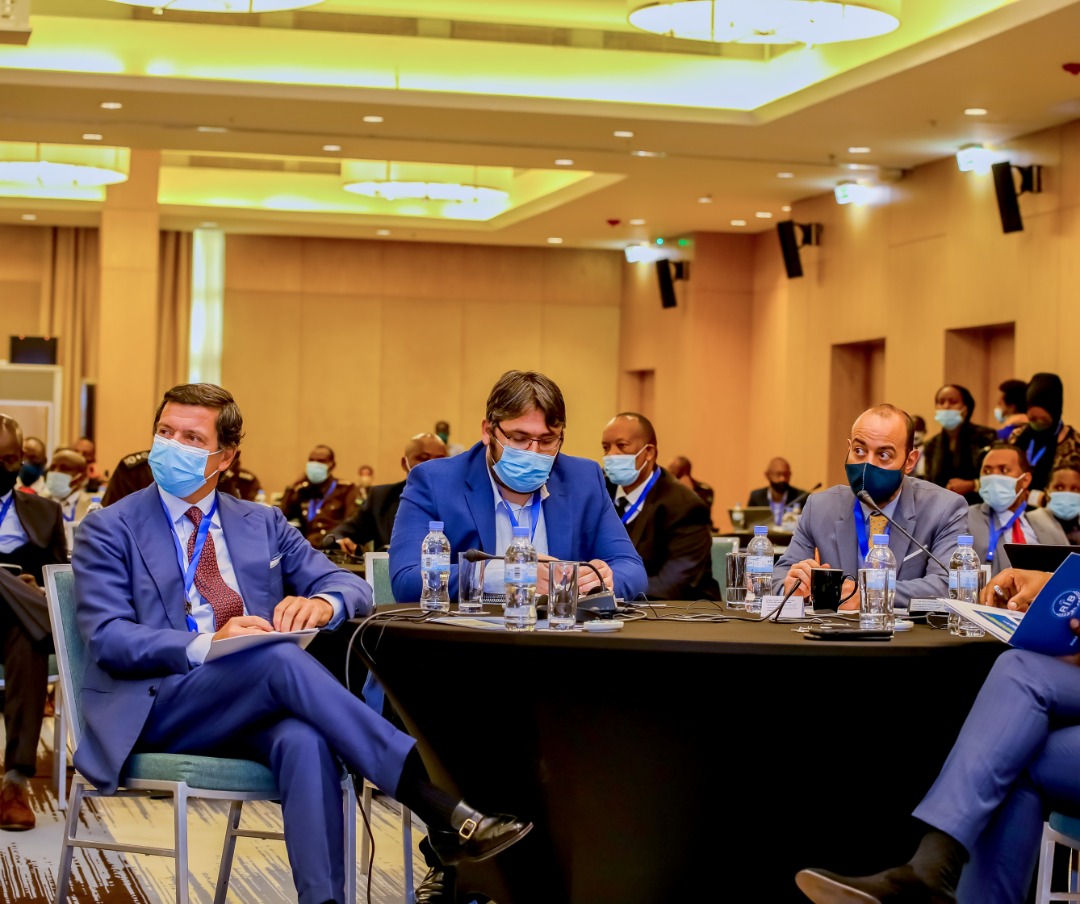
INAUGURATION of ECD at Ngoma Women Prison
Construction of the ECD for Children living with their mothers where they will receive the alphabetization at the nursey level while they wait for the family to adopt them.


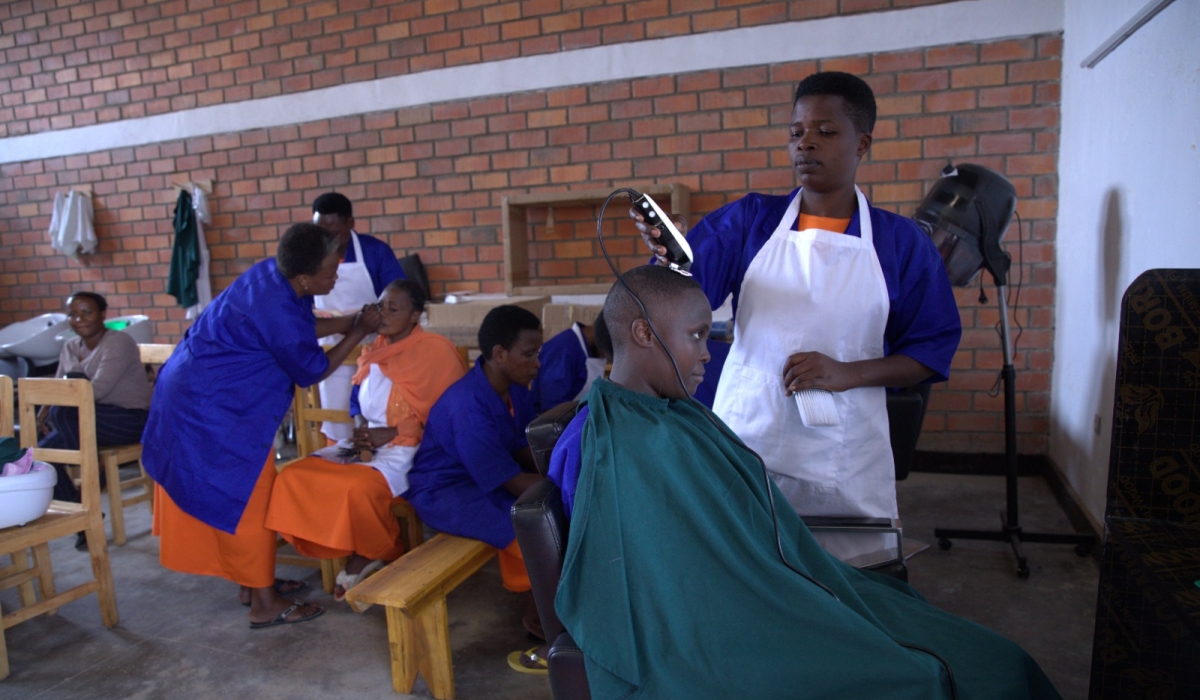
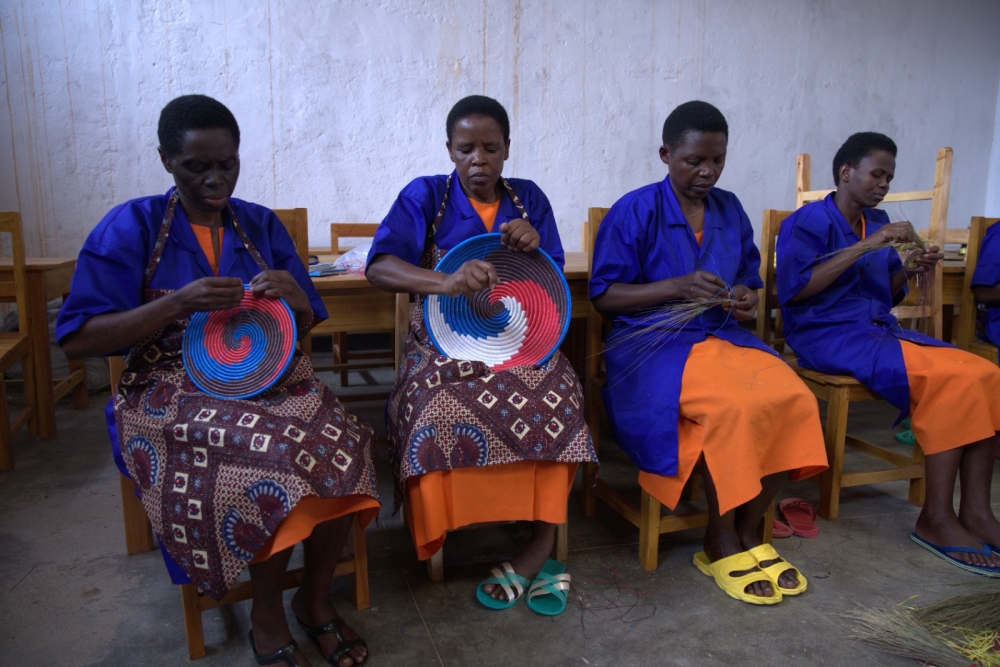
Women in prison: A look at therapy process,...
TRAINING ON HALFWAY HOME NEED ASSESSMENT
Halfway home is a project with aim to help prisoners that have 3 to 5 years left to their sentence being prepared to reintegrate into the community, it is a project will be executed by DIDE in collaboration with RCS, the project is funded by Sterling Foundation.
Prisoners having spent many years in the prison they will receive psychosocial support.
Halfway homes will offer complementary program in addition to the rehabilitation services obtained during their stay into the prisons. Within this categorization, the residential facility will provide supportive services to the pre-released offenders aimed at readjusting to the community from prison and, consequently, to avoid recidivism. Those supportive services may include assistance in vocational training, counseling, source of skilled work force to private sector educational and recreational opportunities, psychological, emotional and a supportive environment.
The training on Halfway Home Need Assessment was to learn how assess the needs of beneficiaries and accordingly develop content that will be offered to other partners in the implementation of the new approach.
Opening remarks by the Executive Director if DIDE RWANDA Madam Odette MUKANSORO begin by thanking all the participants and RCS that gave its staff to come and join the team, she said also that many of the beneficiaries will have a warm welcome in the community after they pass through the center.
Halfway home will prepare prisoners about to reintegrate in the community by giving them skills in different fields to help them fit in the community and make a living, they will also receive the psychosocial support to improve their mental health and produce them into the person important to the community they will live in and be able to provide for their families.
Opening the training day, the Honor guest, RCS Division Manager in charge of Correction Services.
CP John Bosco KABANDA highlighted that the project comes to answer many questions that the prison system is facing in Rwanda. He said the center will help not only released prisoners but the community in general.
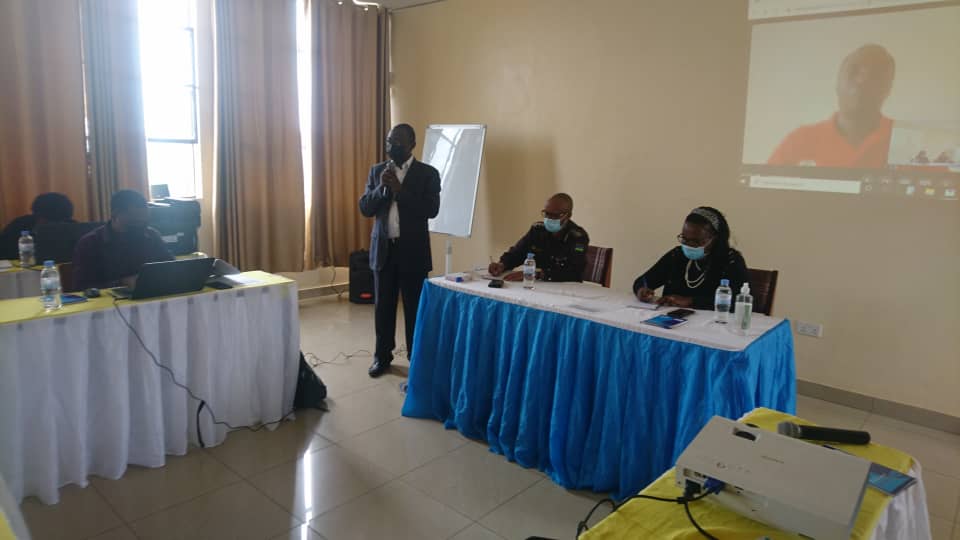
Participants studied tools to use in data collection on the first day, Ethics and Methodology among others, by revising the questionnaires to be used by the interviewer and had a sample practice with the help of Dr Eugene RUTEMBESA an expert in Psychology, it was a good time to discuss the meaning of the question that must show the feelings of the prisoners, different forms will be used to check the state of the prisoners, their family relatives will be interviewed also to see how they fell about living with their released relatives.

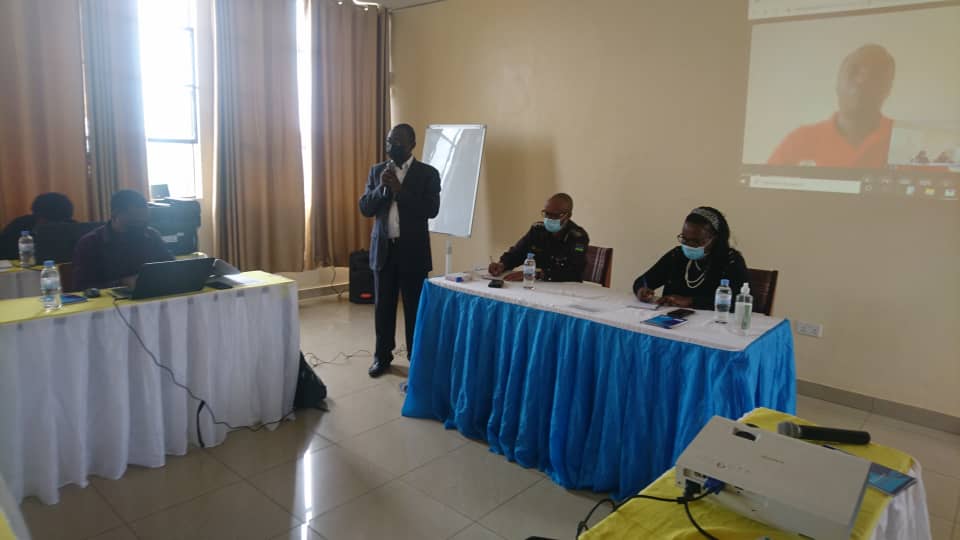
In the community they will be many Focus group discussion to measure the importance of the center, the information will help to plan what will be learnt in the center.
Different authorities on the national level will be interviewed and many more information will be collected outside the prison as the center will have the impact to link prisoners and the outside world. Different Key Informants will meet with DIDE staff as well as those of RCS.

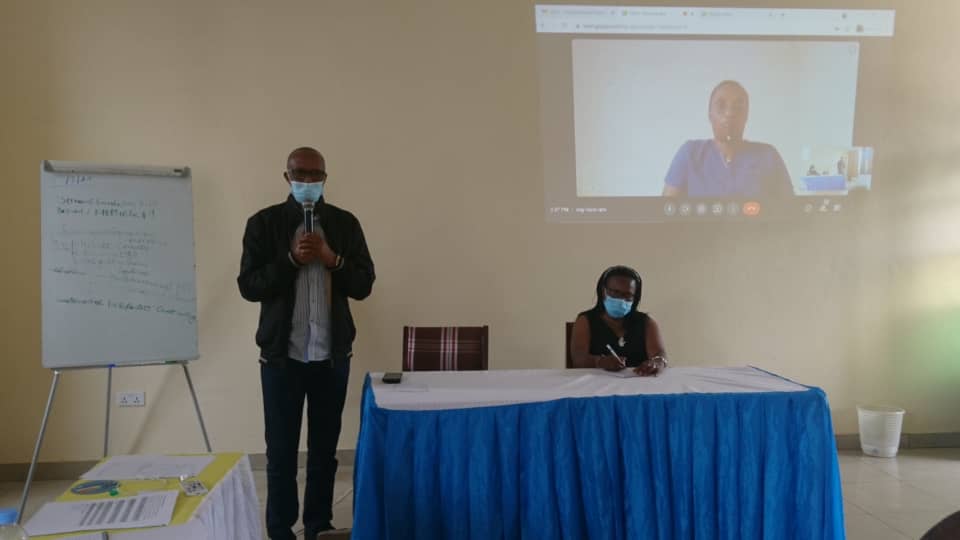
During the second day of the training all the data collectors install the digital software application in their Mobile phones and tablet and practice the task, knowing the right question to ask was one of the points to be familiar with, one on one interview exercise had been practiced by the participant to have a well understanding of the use during the interview.
Giving her final remarks DIDE RWANDA Executive Director, Odette MUKANSORO said that the need assessment training is a good start to the project as it will prepare the way prisoners are reintegrated in the community, she thanks Sterling Foundation which is funding the project of halfway home.

Closing the training the Honor Guest CP John Bosco KABANDA who carried the message from the RCS Commission General stated that the center will be a good service to the community and will improve social behavior of the prisoners, talking about the training he said the participant received good knowledge and skills, form revision and access to digital platforms to be used in data collection, He said he saw that the participants are committed to use at full the digital information system and hope the use of smartphones will strengthen the project.
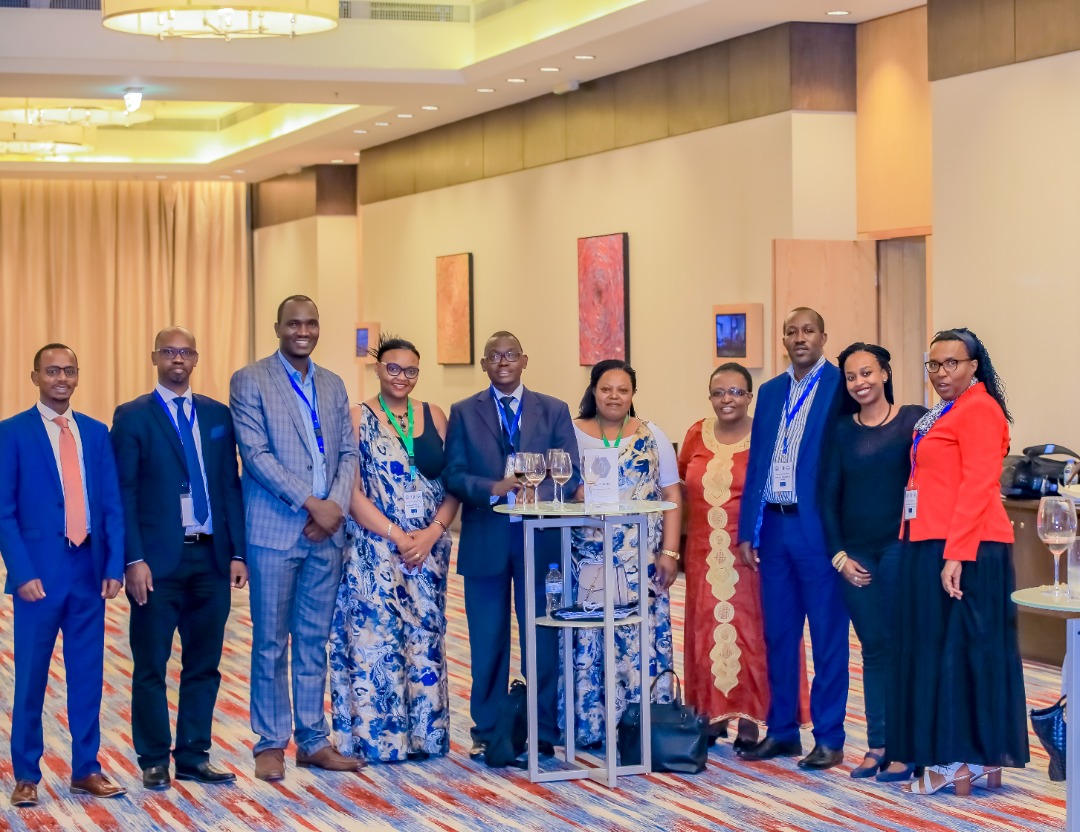
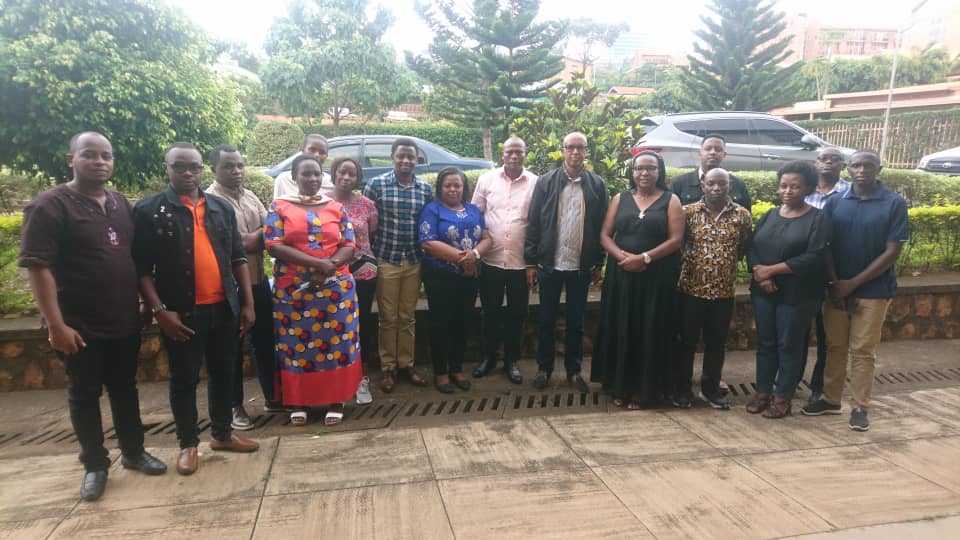
Training ended by taking Memorable Photo.
FOCUS GROUPS CONDUCTED ON HALFWAY HOME NEED ASSESSMENT
In a research to help improve the rehabilitation of prisoners with less than 3 years left on their sentence be able to fit into the society.
Halfway home transit has come to be an answer to that problem
Some Focus Groups Discussions have been conducted at 5 different districts: Ngoma, Rwamagana, Nyarugenge, Musanze, and Nyamagabe.
Targeted individuals are ex-prisoners, families of current prisoners.
discussions focused on improving their mental health, their social cohesion, and livelihood, they told us what are the problems in their daily lives, and what they think could be implemented in the center
here are some of the prisoners relatives answers:
Those people with their relatives in prison started by telling us problem faces the prisoners returning to the community that they are not welcome in their families and their neighbors.
In other areas they found themselves isolated to the society and this affects their families as well.
Clementine who has his father in prison told us that they people that don’t respect their Dignity this bring shame to their family name, it become the reason they don’t enjoy themselves with the rest.
A women called Naomie told us that some of the released prisoners bring their anger into the community, this cause family conflict that are unnecessary, those coming into the society have difficulties living with others, it causes trouble with their neighbors.
MUKARUGIRA who has his husband in prison told us that most of the time occur conflict related to their heritage he left behind when convicted, and they cause misunderstanding on how it was used.
They spoke to us about those who had job before and when they came, they lost it.
The woman called ESTHER asked to teach and train them in national values and patriotism.
MUKARUGIRA asked to help family’s prisoners are destined to live in with financial means and other form of help
Encourage them to make savings & loans group to improve their lives.
Most of families related to prisoners need to see their loved ones with RWANDAN VALUES
Clementine asked to teach those who recently is out of prison in different basic ways during the time they are familiarizing with the society, having a way to touch some money, start small business.
Encourage them to participate in Unity and reconciliation groups,
The advice is to help those in the center with religious belief/ encourage to raise their spirit
Naomie think they should teach prisoners according to their capacity and different fields following their minds
Teach them INDANGAGACIRO and other government values with help to implement them
Clementine request to ask those who committed genocide to come and show where the body of their victims are to be buried in proper human way.
There is some advice they give to train them physically practicing sport, because most spend the time in inactive mode, making them sexually inactive.
The woman called MUKARUGIRA asked to encourage them to ask for forgiveness to the survivors and show where their loves one had been executed.
What families wish the center should give to their family is to have guards not those who guard the prison (non-RCS staff)
NAOMIE told us to have exclusive enough voluntary praying time
Have some activities to occupy them and prevent depression, here they can practice business management
CLEMENTINE asked that visitors could be allowed to bring outside food
They could allow prisoners to visit their families
Allow prisoners in the center to use the telephone for the sufficient time convenient to the family to feel close to them.
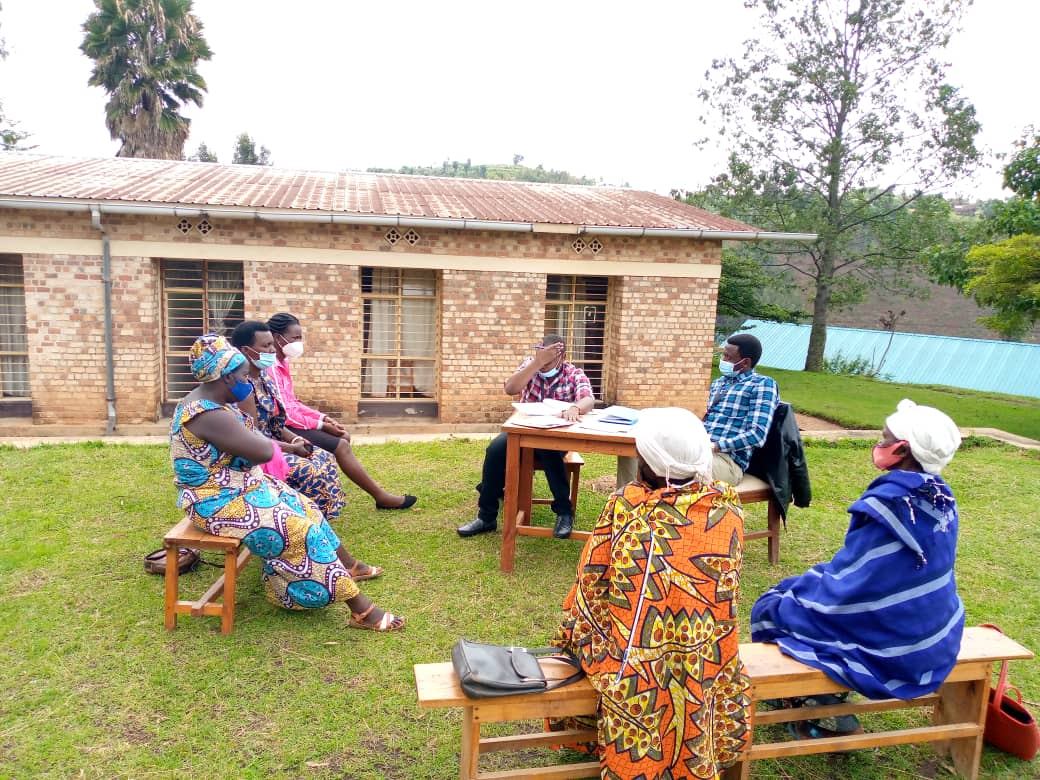
We had a conversation with ex prisoners too in the conversation here is what they told us :
The ex- prisoners told us problems they face returning to the community, one man called Noheli told us that he was poor, and his family had nothing on their hand.
Zacharie told us that the biggest challenge was to build an economic life, because he lacks any work to make income
Sometimes you find yourself alone in a whole house, the other member may die or other reasons to leave the family in search of a new life.
Another told us that he reached his family and found there was conflict, and it was divided which affected him.
Lacking anyone to push you in your effort to build a business or financial support
A man called Joseph told us he had a problem of security during his first day, where he slept and felt for his security
Another woman told us she had a problem of shame in public especially when she meets the one, she betrayed and killed.
Joseph told us another problem he had is the family asset that are bad used and it cause conflict how they spent it.
One big problem commonly you face coming to the community is hatred towards them seeing them as criminal and have no social interest in them
Reach the family and find they say other crime they didn’t commit
Hatred that he passed the information that got other people arrested
What we advise is to prepare curriculum on workforce to help them find what to do when they reach the society
The center should have teachers or trainers on small business management
Prepare them return with social heart
Receive proper nation values and implement in their life
A woman called Catherine advise to teach them to accept themselves and live-in peace with others into the society
Train them to have a solid heart
Noheli advised us to treat them well and they can ask for forgiveness, being patient, accept themselves
Emmanuel advises to prepare to be patient with problem they will face in their return into the community.
Released prisoners told us that they found that who is coming into the community need to know how to read and write.
Knowing bot language English and French.
Another ex-prisoner told us they need to come with a good knowledge about forming groups
Prepare them emotionally not to be afraid daily.

KEY INTERVENTION INTERVIEWS CONDUCTED ON HALFWAY HOME NEED ASSESSMENT
The preparation of the halfway home transit center they are Key informants who are very close to the beneficiaries in their daily life.
We interviewed different key members in the same field as people helping them to know what they wish the center should provide.
the discussion in their words:
First, those inmates should be released after they are well treated and corrected as their name says. To prepare them to return into the community prisons should know who has few years left for his sentence, knowing what crime he/she has committed and circumstances that pushed to do a crime so, according to who he is and his personality, if possible be able to return as individual he/she was before or even better than before he committed a crime, the problem here is that the prison is not capable of doing that.
Correction services to the prisoners should include teachings to reach every corner of different inmates. They should be taught to win, take into consideration what he has done because it the foundation of change, when he returns, he should be a new individual, the big issue people are released with lower level on this one.
for us prisoners are not our daily partners, but our goal is to teach RCS staff to do a good correction, we prepare study materials on how to treat well an inmate and privilege his basic human rights. We give them training to go and train other workers in the correction field.
Now what we are doing , we have made a curriculum to teach prisoners serving their sentence, since they have convicted until they finish their sentence.
RCS should start teaching inmates soon as they enter the prison treat them well with dignity so that he will return with self-confidence and society should see him as an important element to the community.
Put correction practice policies into the local authority’s social development department to prepare reintegration long time serving prisoners into the ordinary life.

The justice sector should partner with Mifotra to revise some sector of it, where you find restriction of a person served in the prison not to have a position into the public sector, here you should not say to work in the public sector you are supposed being not convicted, after that ask prisoners to live fairly in the ordinary life, how is he/she supposed to return to normal life when there is limitation to their opportunities to the community they belong to. The law should give a restricted time and after grant that right again.
Saying that prison corrects inmates even it is its responsibility, then after an inmate is released continued to live under that tough life it is another way of punishing him, if the government is correcting someone let him/her have same level of opportunities as an ordinary citizen otherwise he/she will consider himself as a second citizen.
On my behalf i can start asking myself who will be the ones to enter the center, in my opinion it should be not every one should be in that center because there is few years time left to his released, who should be there for me it has to be someone well corrected with good behavior, who help his fellow inmates when needed make life for them much easier, those whose action surely tell they are new people.
According to programs to be given in that center i think they shouldn’t teach workforce only, i wish this was done in the prison where they still have much time in their time table, but they should be programs to reunite prisoners with their victim’s families and also with their own family.
Another program i think should be included is the lessons of national values, how an ordinary citizen should behave, to be familiarized with the community so they will be fit in well instead of finding himself in it by accident, even those in the family see him as a close relative, this will be necessary for the center to receive those living outside in the community (the out reach program )
– The center should have some programs to remind him of his former society and let him choose those he is going to live with and what benefit he will gain.
– There should be different work to keep them busy, but should bring income for them at one hand and other part can go to the center to be able to possess all the necessary needs without asking to partners, one portion to be given to other inmate to provide for his family in that few money and this will bring him some value into the family as well as in the community.
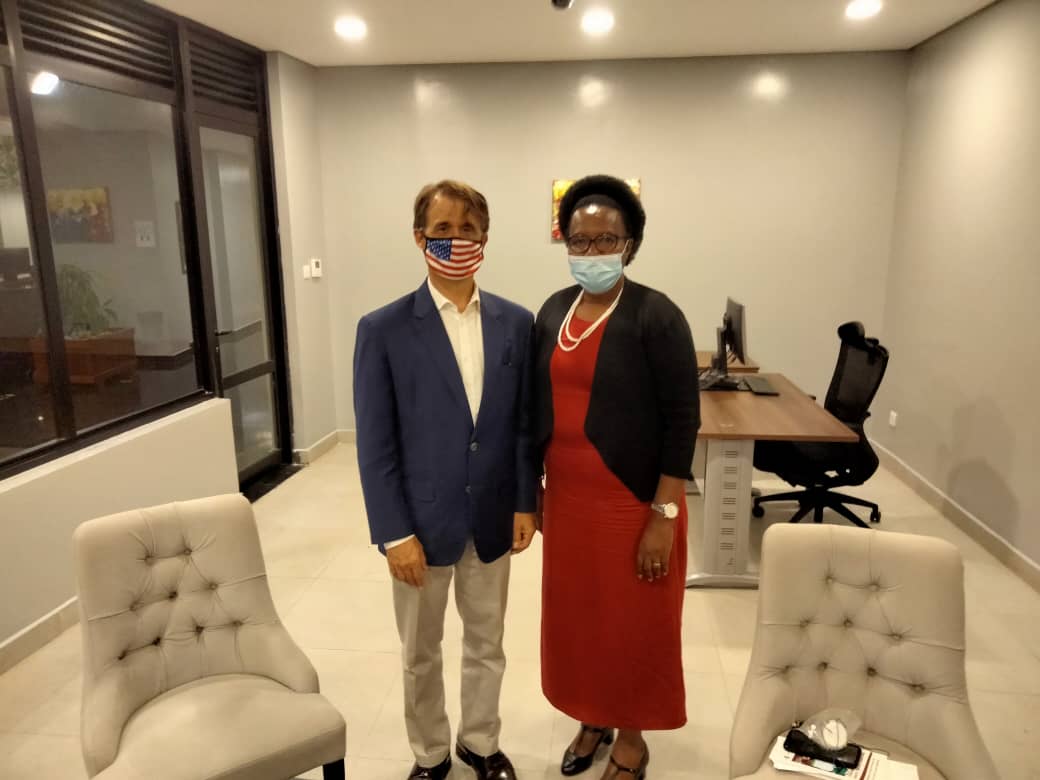
VISIT OF THE EXECUTIVE DIRECTOR TO THE US AMBASSADOR IN RWANDA
This visit was to discuss the previous and current project of DIDE RWANDA funded by the USAID.

INTRODUCTION OF RWANDA HEALING PROGRAM TO THE MOYORS OF DISTRICTS
DIDE RWANDA with its partners Interpeace, PFR (Prison Fellowship Rwanda) and HAGURUKA introduced the project called "Reinforcing community capacity for social cohesion and reconciliation through societal trauma healing" to the Mayors of NYAMAGABE and NGOMA, ON 21st and 22nd December 2021.Automatic word wrap
This project is a holistic peacebuilding programme that is focused on strengthening psychosocial and economic resilience for sustainable peace among communities in Musanze, Ngoma, Nyagatare, Nyabihu, Nyamagabe districts in Rwanda.
It builds on the lessons learnt and resources developed in the on-going EU funded pilot programme in Bugesera District, as well as on the experiences of partner organisations in the areas of mental health, social cohesion, collaborative livelihoods, and prisoner rehabilitation and reintegration.
This four years programme to expand the Rwanda Healing to 5 more districts has secured the funding from SIDA and it is expected to run from October 2021 to September 2025, with 3 main area:Automatic word wrap
1. Mental Health and Psychosocial SupportAutomatic word wrap
2. Social cohesionAutomatic word wrap
3. Livelihood
The mental health and psycho-social aspect contributes to addressing obstacles towards a more complete and effective response to trauma and other mental health disorders.Automatic word wrap
The social cohesion aspect of the programme will support the harmonization and standardization of societal healing approaches to foster tolerance and trust among the Rwandan populations, particularly between former genocide perpetrators and survivors, and their respective families.Automatic word wrap
The livelihood aspect of the programme will strengthen the population’s resilience capacities to socioeconomic hardships by promoting and supporting inclusive and collaborative socio-economic initiatives.

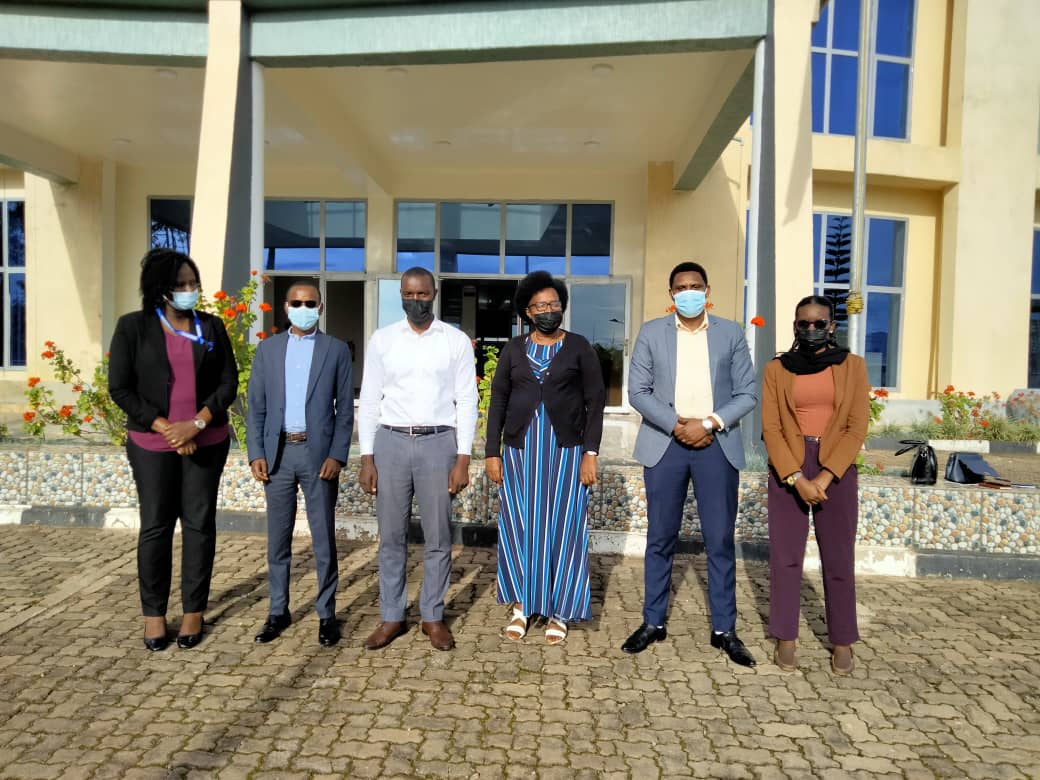
VISIT OF Mr DOUGLAS FROM STERLING FOUNDATION
IN this week we received Mr Douglas from the sterling foundation where he was in Rwanda to follow where the project the sterling foundation fund are in a way of implementation
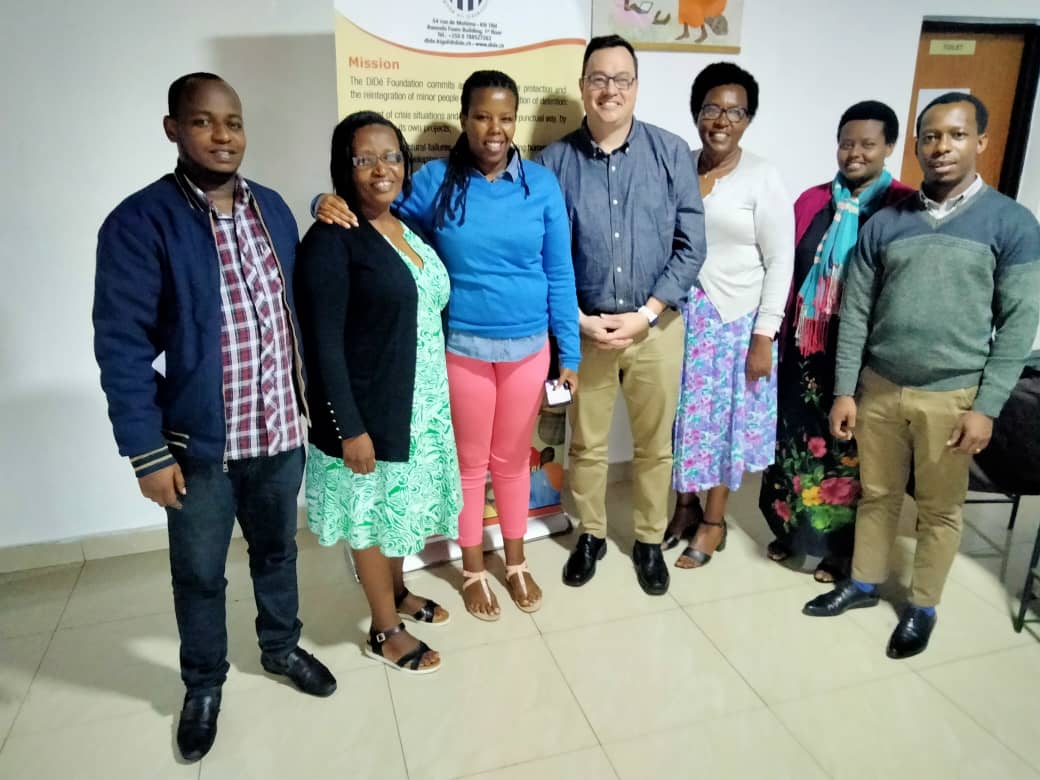
PRESENTATION OF D.K.U(DUFATANYA KUBAKA UBUTABERA) INTO THE PRISONS
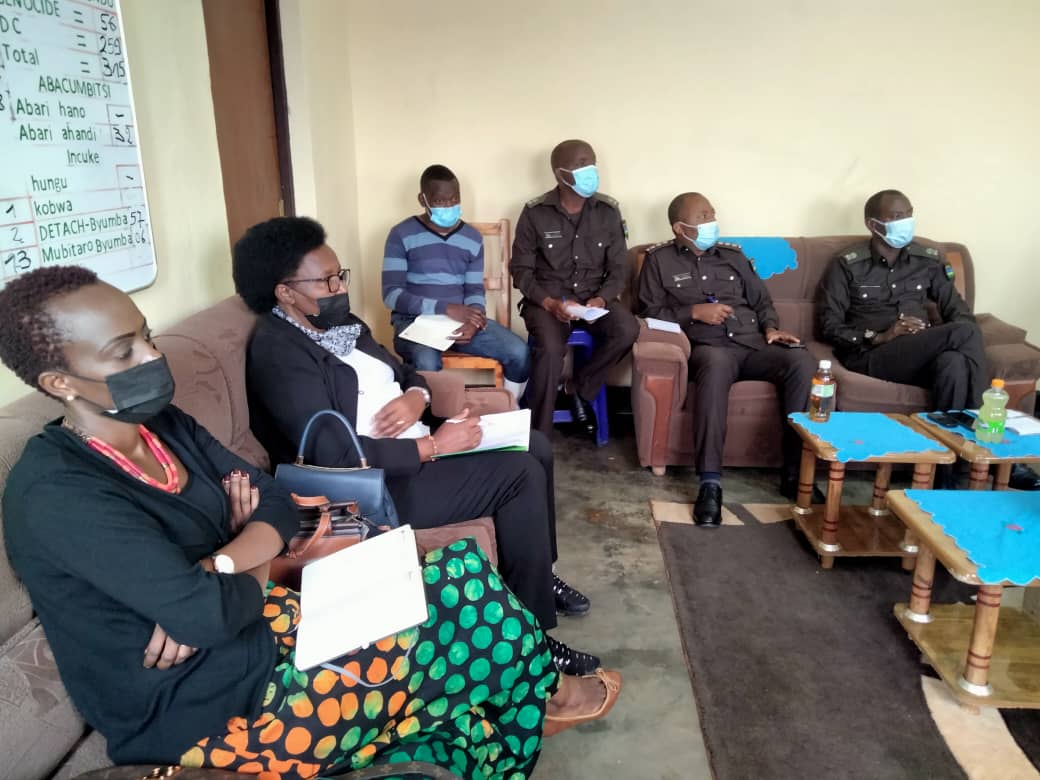
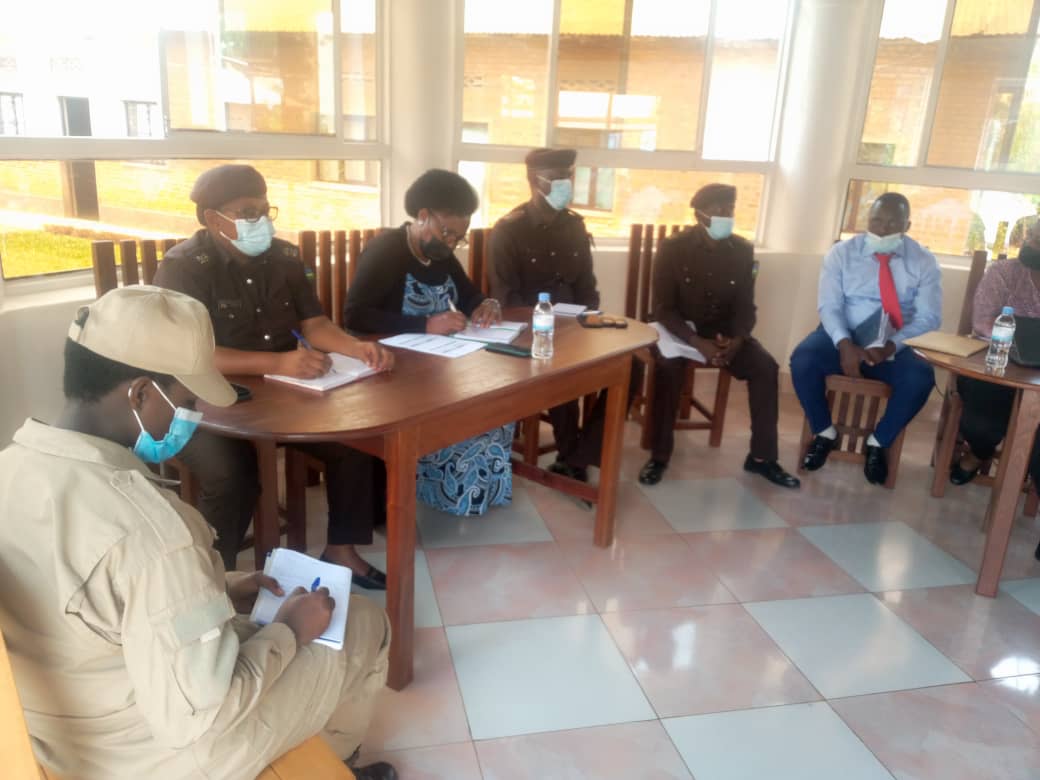
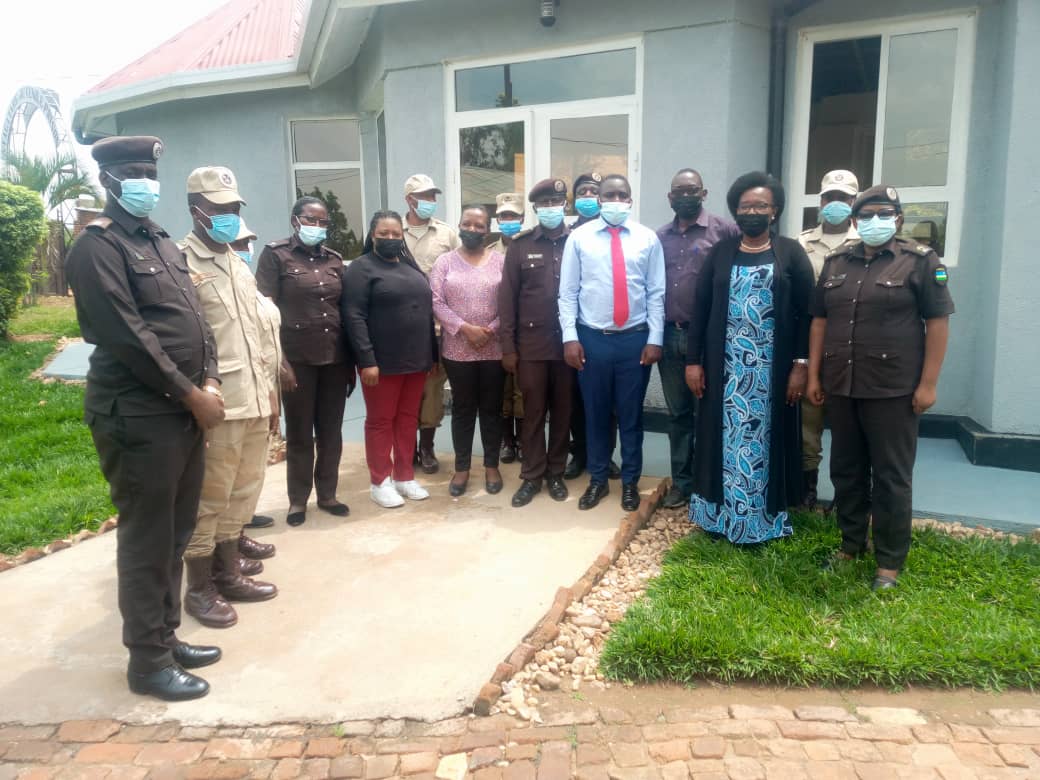
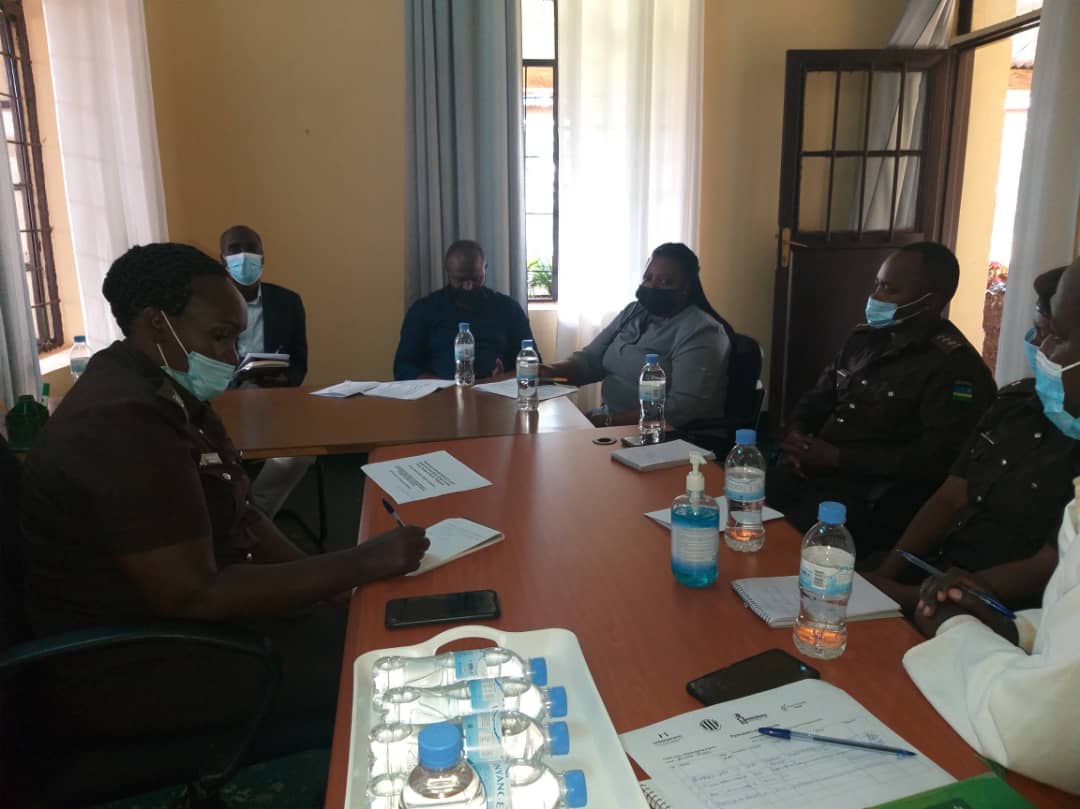
The Executive Director of DIDE RWANDA alongside with LAF legal Aid Attorney introduced the DKU project into the Prisons, Gicumbi prison and Nyagatare Prison respectively.
Here Inmates will receive mental health support and receive help in accessing the justice.
they meet with the DP of Gicumbi prison and the DDP of Nyagatare prison
here they present the new project and how it will be implemented
Beginning will be the screening of the peer educators who will help others in the groups and will follow up their recovery
Here Dide will provide the following:
Psychosocial therapy in Prisons
Develop manual on prisoner mental health
Trained Prisoners on psychosocial therapy/ mental health.
Facilitate therapeutic group sessions
Monitor activities: clinical supervision, individual counseling, meeting with focal points and other prison official as needed.
First 80 peer educators will be trained and acquire the knowledge and ability to facilitate therapeutic groups, 480 volunteers inmates with psychological problems are assisted in therapeutics groups
Develop the mental health manual for prisoners is in the process.
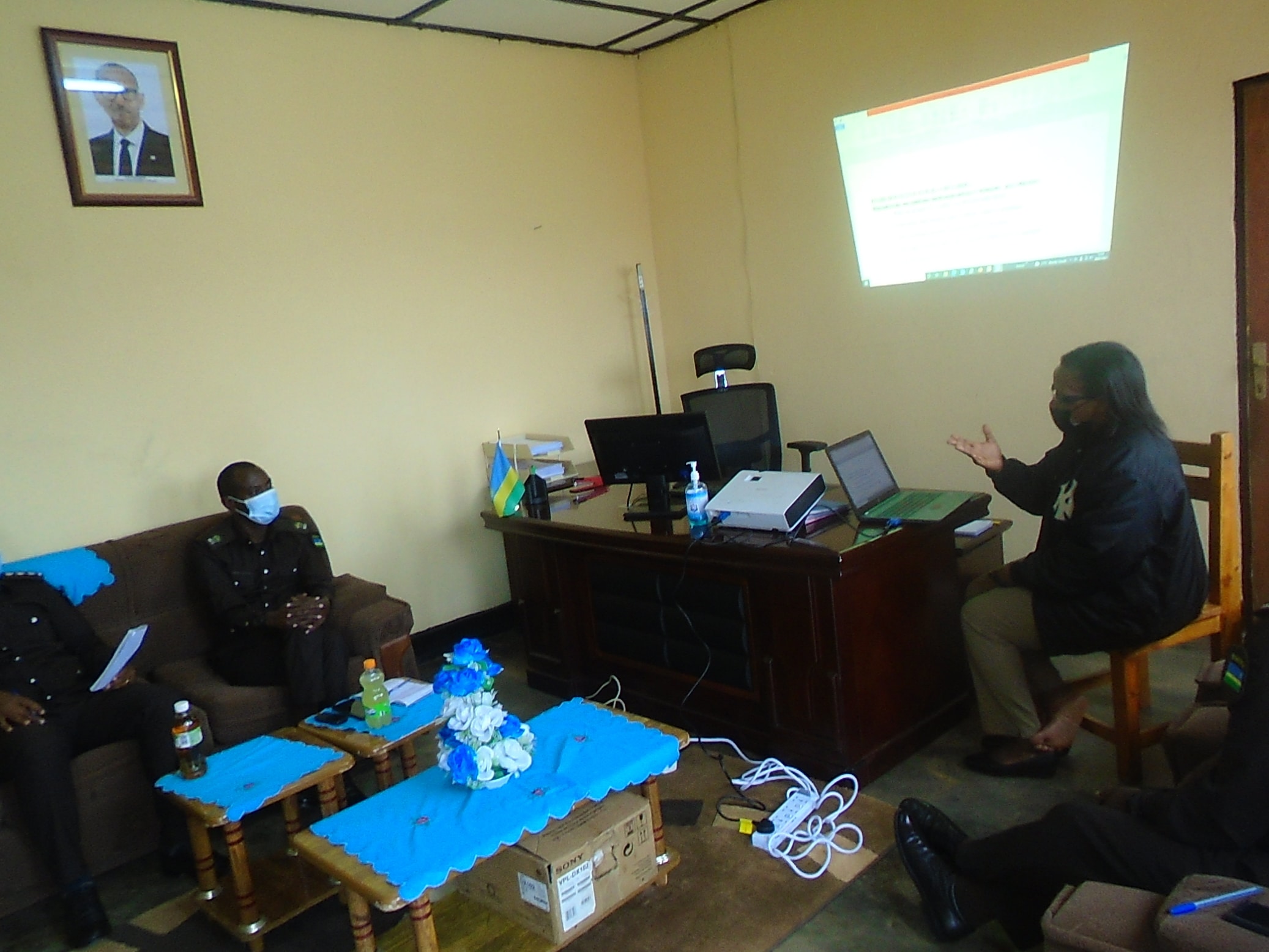
The project aim to request 2 visits per month for inmates with psychological problems
RWANDA HEALING PROGRAM INTRODUCTION IN THE PRISONS
Today DIDE Rwanda introduced the new project to the heads of selected prisons entitled "Reinforcing Community Capacity for social cohesion and reconciliation through societal trauma healing in Rwanda"
This project where DIDE and its partners are funded by SIDA will provide psychological support to inmates and reconciliation with the Genocide survivor and ensure their safe return to the society.
This project is presented in the selected prisons: Musanze, Nyamagabe and Ngoma.
Following are activities scheduled for the program:
In the beginning group psych-education training will be conducted for prisons officials, setting up healing spaces inside the prisons,
Organize diagnosis specific clinical spaces for current prisoners,
Multi-family based interventions for current prisoners
This program still in the pilot phase and we will cover all its progress



OFFICIAL LAUNCH OF THE D.K.U ACTIVITY
Today on March 3rd, comes the official inauguration of the USAID/DKU activity where the Ambassador of the US embassy in charge of foreign affairs was present and all partners in the project put a point on the start up of the program, here Haguruka presented 2 activities one of the Abunzi from kigali sector conducted mediation session and a mobile legal aid clinic where lawyers offered legal aid services to residents of Nyabugogo cells in Kigali.
The project main objectives:
1. Improving citizen’s knowledge of rights and expanding access to quality legal services.
2. Supporting justice sector actors for effective use of IECMS.
3. Strengthening Alternative Dispute Resolution (ADR) Mechanisms.
4. Identifying innovations to sustain provision of legal services while recovering from COVID-19.


INTERNATIONAL WOMEN DAY 2022
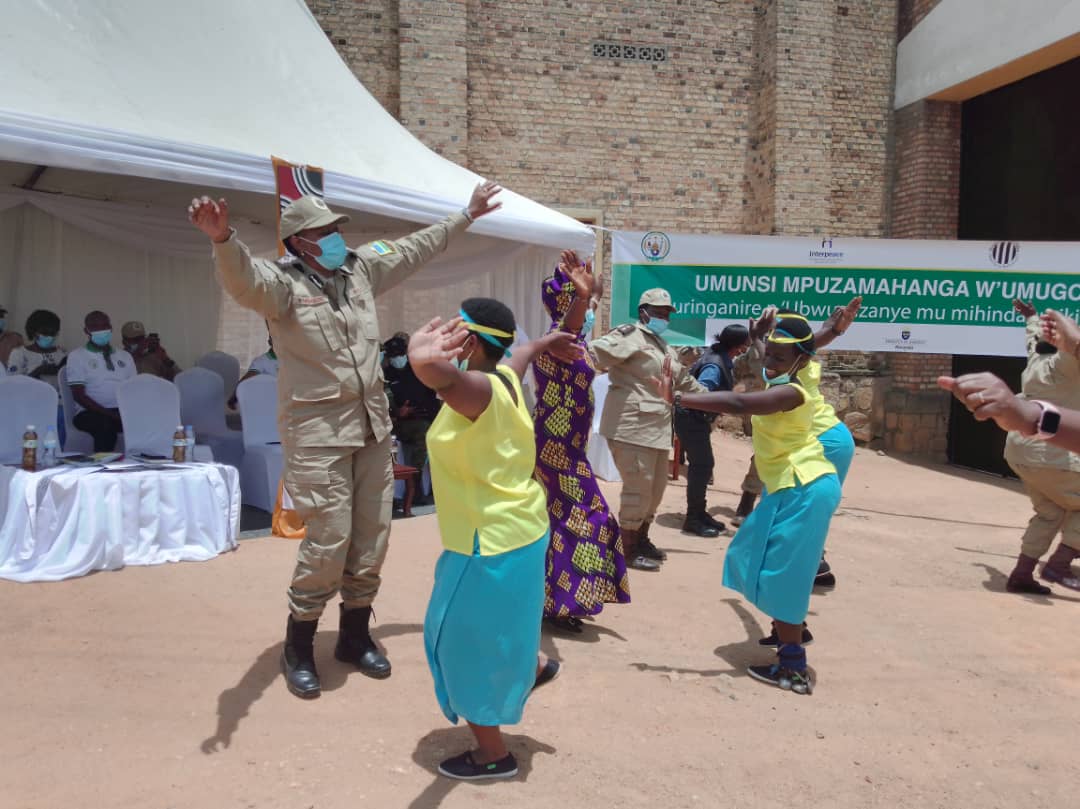
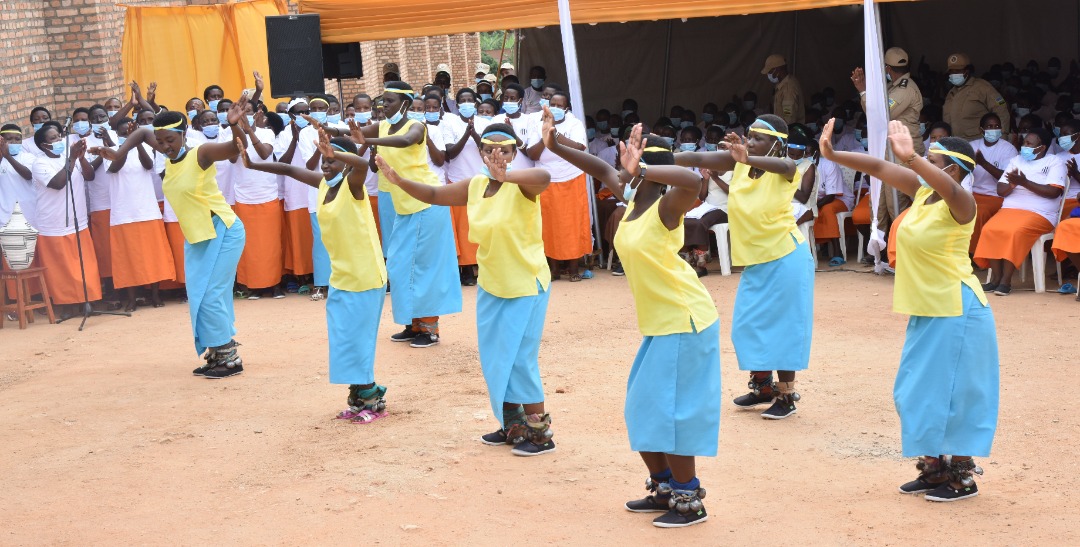
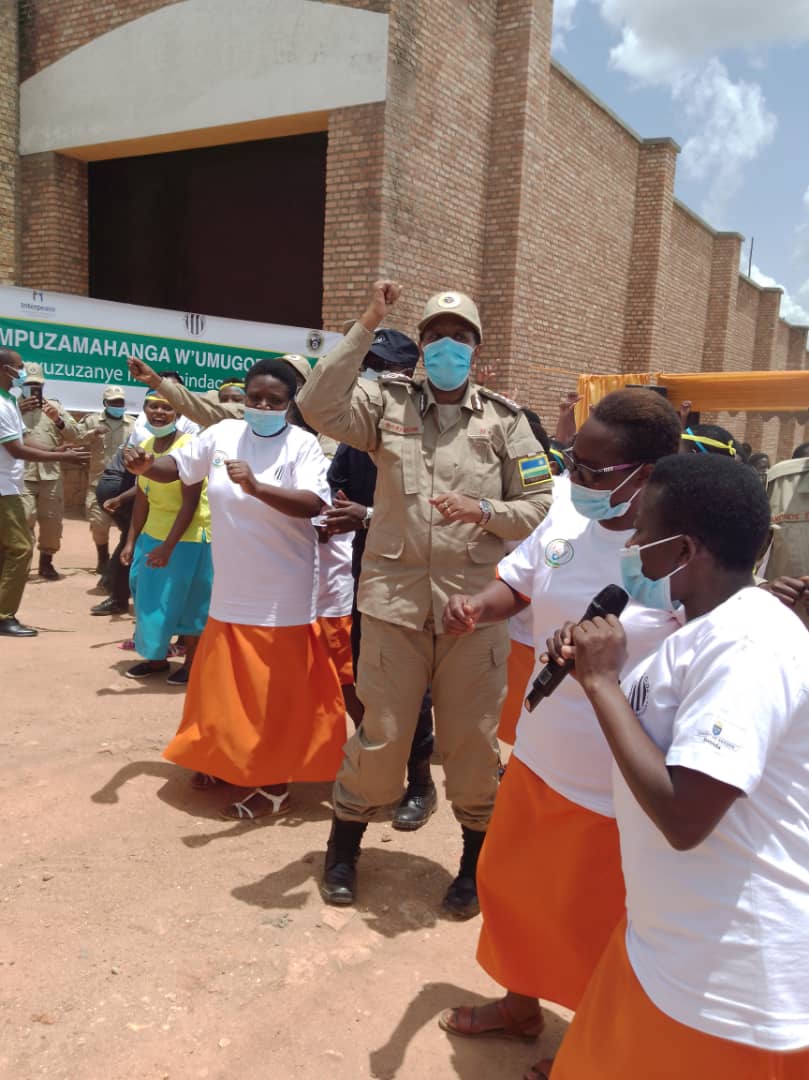
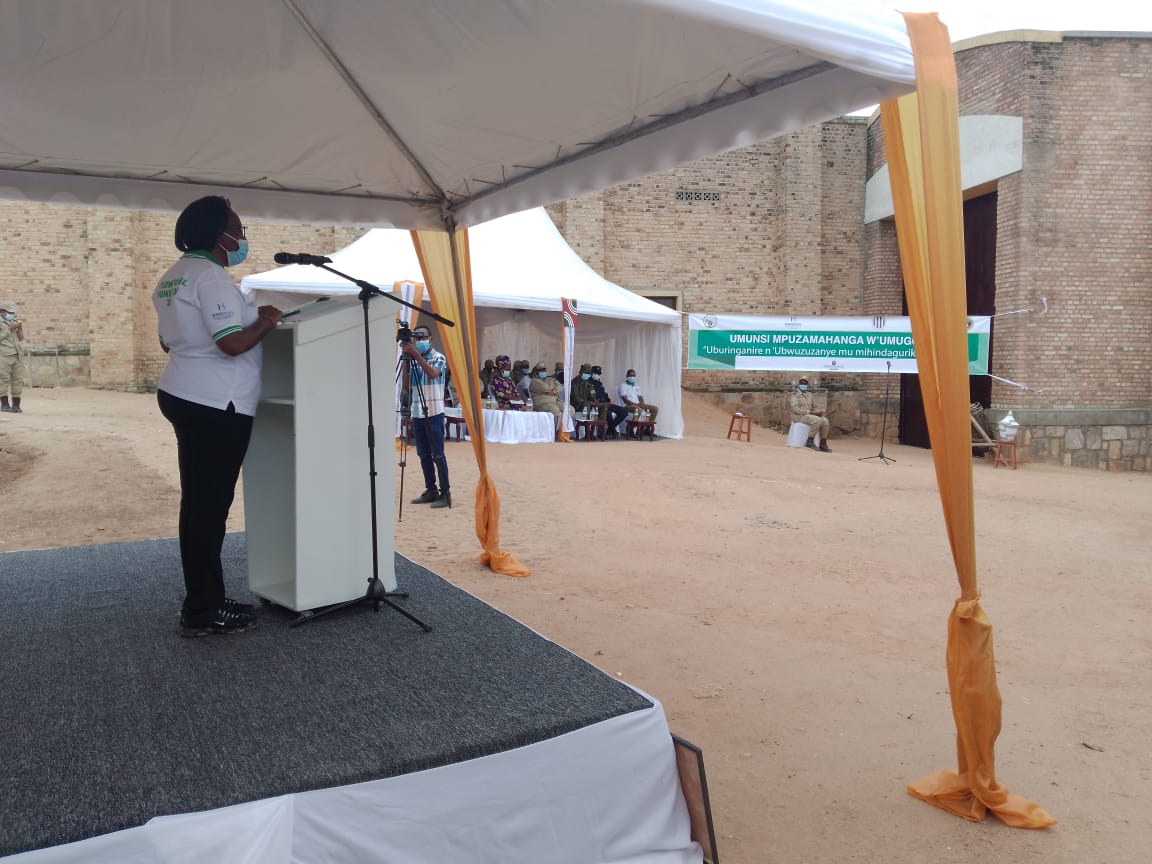
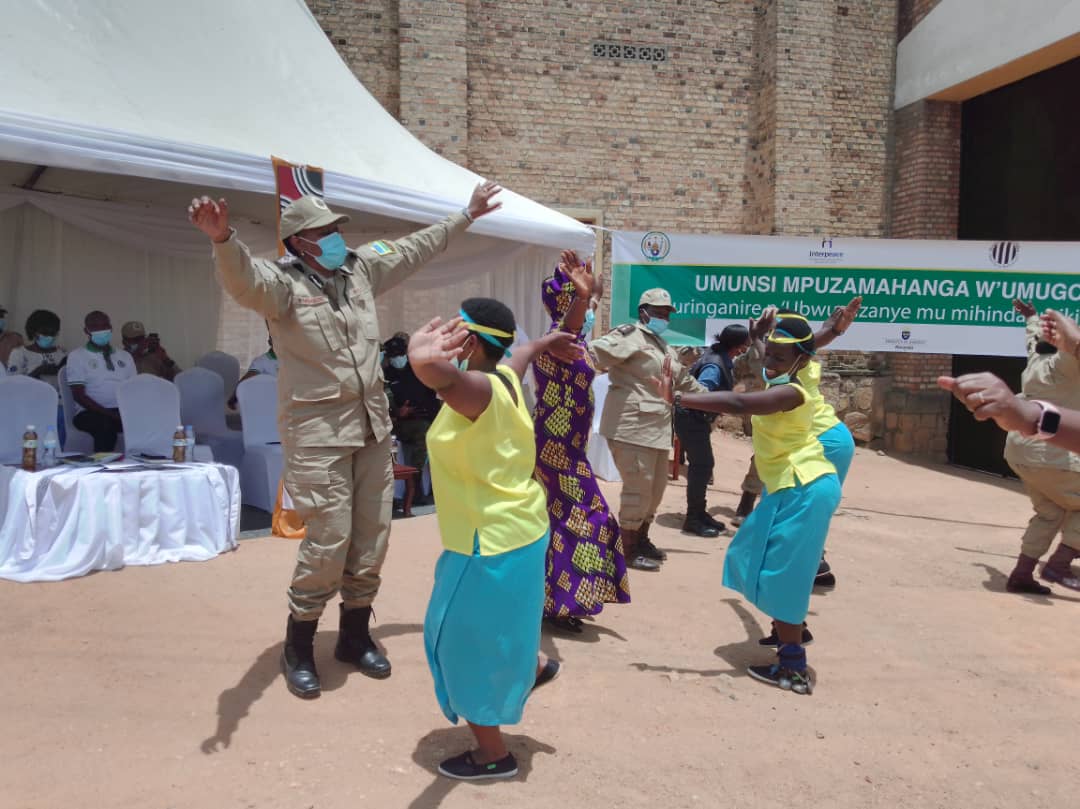
This year we celebrate the international women day with women in Nyamagabe Prison with the theme "Gender equality in the time of climate change".
DIDE and its partners RCS and Interpeace join the women in the prison to support them make an impact on their lives.
In the presence of the DCG of RCS they come together and enjoy their day, a warm welcome salute to the visitors in the traditional dance lift up the spirts of the public in the event.
Together we planted hundred of tree in a wake of the climate change and other nutrition support seeds.


VALIDATION WORKSHOP ON RCS CURRICULUM
The validation of the RCS curriculum held at Kigali Marriot Hotel will be used in all the prisons in the country for correction of inmates and to help in their reintegration.
With the support from ILPD and Interpeace the curriculum will cover the issue of inmates released not to return in the crimes.
The Curriculum has 8 modules that will be taught in 6 months and it targets also their families and the society in general.
Different lessons about human rights, laws, civic engagement and the genocide ideology, living into the community in peace, live socially with neighbors.
This curriculum will help to bring those prisoners in the society but also have something to do and provide social development through those skills learned in the prison.

The executive Director of DIDE said that even someone commit a crime and found him/herself in prison still a human being and can change.
He/She needs to be prepared mentally, and then teach him that the crime he committed can change him, cause if you are mentally disturbed then other actions are inefficient.
Saying" Many when they found themselves inside the prison faces depression because of fear of living in prison, that is why the first step is to give him mental support and after other knowledge and when you analyze it, it gives effects.
Mostly when a mother leaves her children she finds it very hard to accept, but if you talk to her and show it is not the end of the world she accepts herself and move on.


INTERNATIONAL WOMEN MONTH
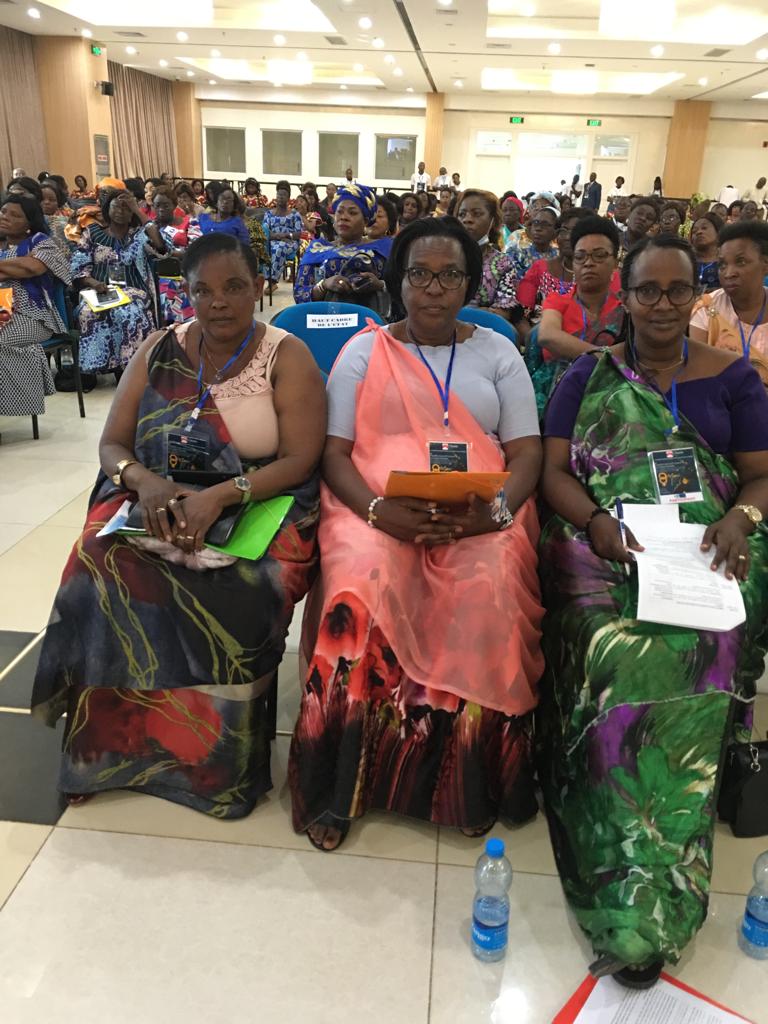
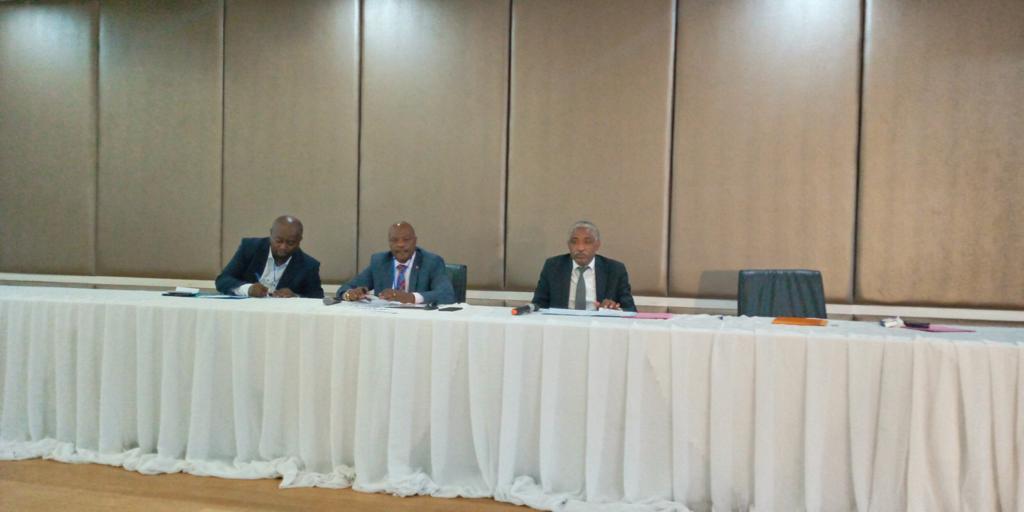
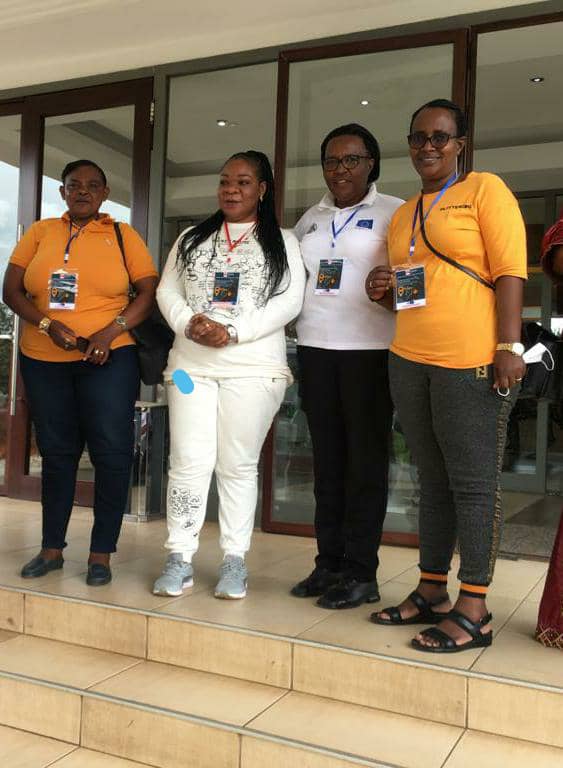
On 17-20 March 2022, in DRC, Haut Katanga Province, Lubumbashi City, PALPGL organized the celebration of International Day Women’ rights and brought together Rwandese, Burundese and Congolese.
3 Rwandese women Leaders Josephine Uwibambe from NAR(Rusizi), Odette Mukansoro from Dignité en Detention: DiDE(Kicukiro) and Cressence Mukantabana from Reseau de Developpement des Femmes Pauvres: RDFP (Nyarugenge) we are participating in this event.
We are discussing on the topic: “l’EGALITE AUJOURD’HUi pour un avenir durable, dans les contextes de lutte contre le changement climatique et reduction des risques de catastrophes’’
We are discussing how climate changes affect firstly women and which strategies in solving or reducing this issue.
TRAINING FOR PRISON OFFICIAL ON PSYCHO-EDUCATION. SOCIAL COHESS
Interpeace, DiDe, Prison Fellowship Rwanda and Haguruka in partnership with the Minubumwe, and in close collaboration with RCS, RBC are implementing a ‘’reinforcing community capacity for social cohesion through societal trauma healing program’’ in Musanze, Ngoma, Nyabihu, Nyagatare and Nyamagabe district.
It is a holistic peace building programme that is focused on strengthening psycho-social and economic resilience for sustainable peace among communities. The innovation of this programme is the combination of three different thematic approaches: mental health and psycho-social support, social cohesion, and inclusive livelihoods; as opposed to designing each of these as a stand-alone project/programme, as has been the practice generally in Rwanda.
It is in this program that DIDE RWANDA CONDUCTED a 3 days training on psycho-education for RCS officials.
The overall goal of this psycho-education training is to increase awareness of RCS officials on trauma and the need for healing towards social cohesion among prisoners so they are able to effectively identify and address trauma and conflict triggers among prisoners. It also aims to allow prison officials to better understand the role of the program to support societal healing efforts as well as its intended contribution to improving social cohesion and support current prisoners in the process of family and community reintegration.
Specific objectives
• To increase the understanding of the concept of mental health and wellbeing of the inmates.
• To strengthen RCS officials’ understanding of prisoners’ psychosocial assistance (needs and services)
• To enhance the RCS officials’ understanding of protocols for effective prisoner psychosocial rehabilitation and reintegration.
The obtained skills will bring benefit to inmates with mental disorder and ability to work in the society after they finish their sentence.
The 3 pillars of the training: Mental Health, Social cohesion, and Livelihood was covered by different expert in those field
Teaching those in the training Prof. RUTEMBESA EUGENE showed how different people demonstrate signs of mental disorder and the level of anxiety and depression.
After what happened in Rwanda.
With the aim to allow prison officials to better understand the role of the program to support inmates healing and their preparation to return into the community and live in peace with the society.
Here he explained the importance on the mental health and what a stable mind could bring into the community by teaching all levels of mental disorders.
The RCS officials who participated in the training had a group discussion where they find general mental health problems prisoners have, how they cooperate with their families and their challenges in handling mental situations.
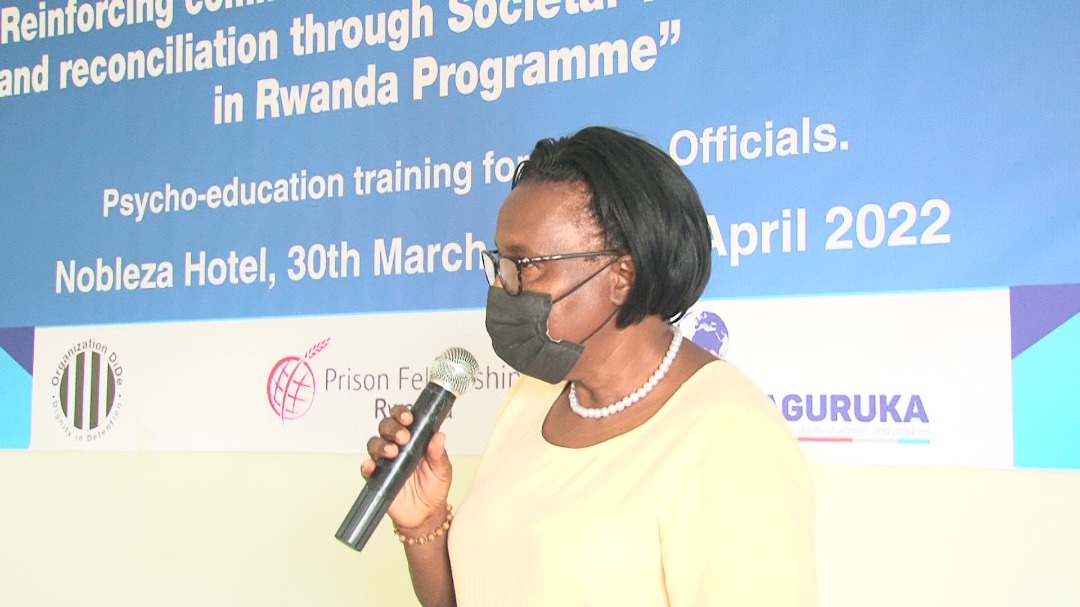
DIDE RWANDA E.D Odette MUKANSORO giving opening remarks
Marking the opening The Executive Director welcomed all the participants and thanks RCS that sent their staff from different prisons around the country.

Frank KAYITARE the Regional Representative of InterPeace
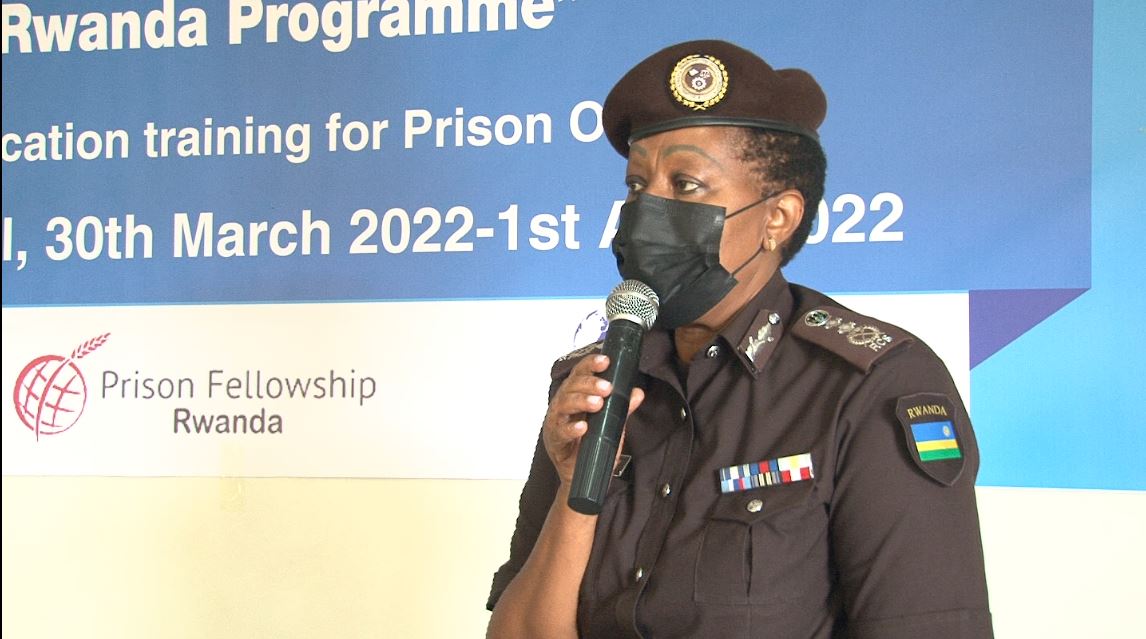
Rose MUHISONI DCG of RCS
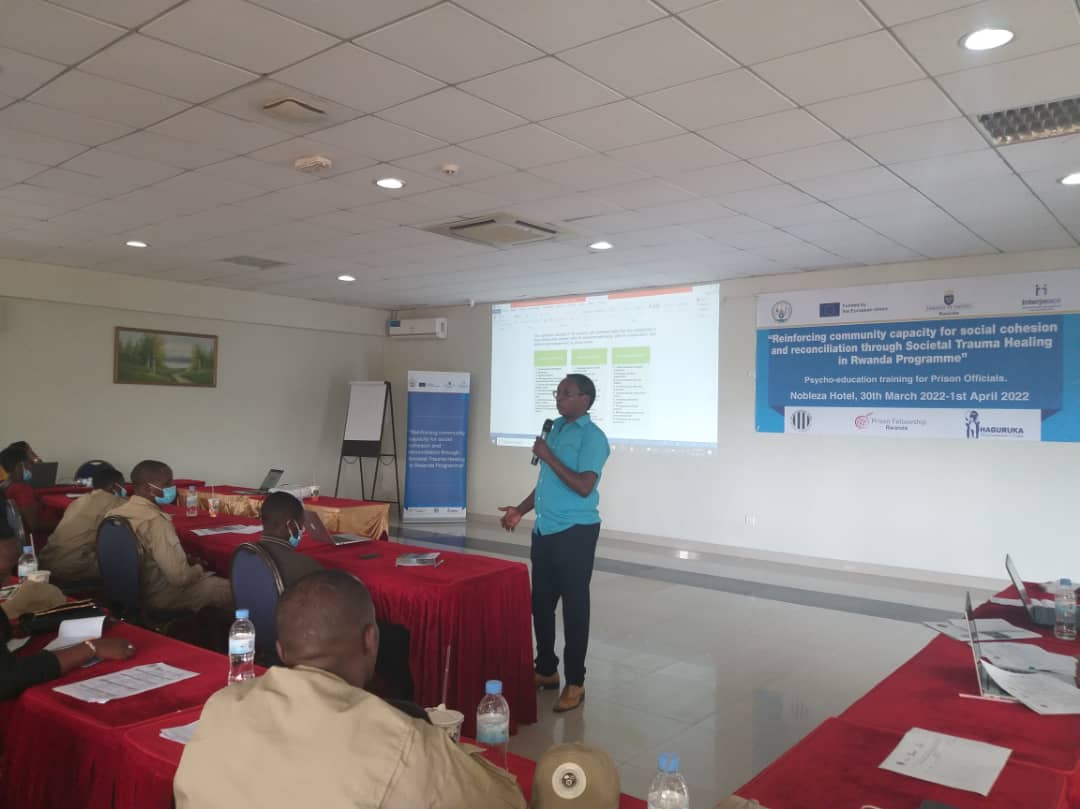
Prof. Eugene RUTEMBESE teaching mental disorders to trainees
With the aim to allow prison officials to better understand the role of the program to support inmates healing and their preparation to return into the community and live in peace with the society.
Here he explained the importance on the mental health and what a stable mind could bring into the community by teaching all levels of mental disorders.
The RCS officials who participated in the training had a group discussion where they find general mental health problems prisoners have, how they cooperate with their families and their challenges in handling mental situations.
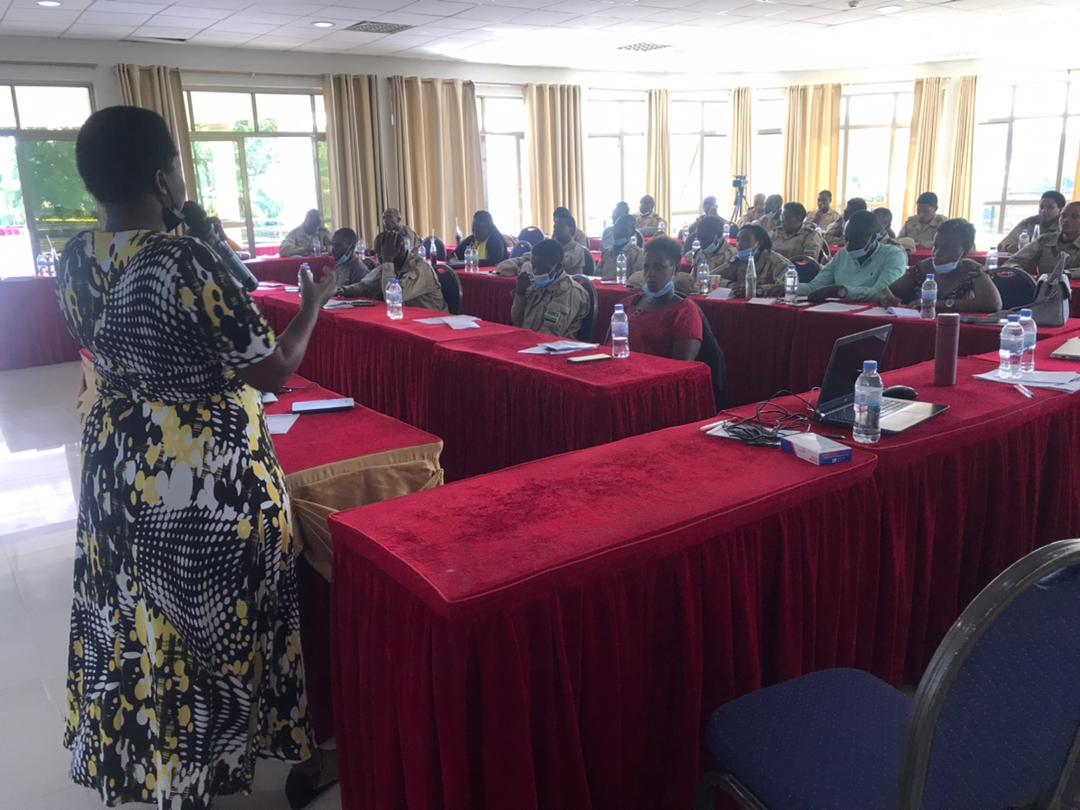
Class of trainees

CLOSING DAY:
Speaking in the name of the training participants officer Patrick of RCS said they are happy for this kind of training, during this period we have learned lessons on mental health and social cohesion, and livelihood that are very necessary for prisoners to be able to live in peace with the society.
Executive Director of DIDERWANDA Odette MUKANSORO thanks the training participants for their time spending 3 day, saying they will continue to provide training like this to tackle different problems the Rwandan society have after the Genocide against Tutsi in 1994, I thank RCS that gave us 32 employees for 3 days from different prisons
These days it is the pilot of the new project with InterPeace and this is the first training of the project and it went to RCS officials, prisoners must be treated with mental health support but they are few staff who follow them, but this don’t stop them from giving the good services.
Speaking in the place of the Regional Representative from Interpeace Mr. Erneste begins by thanking all the participants and DIDE that organized these training, saying that the project has a main focus to use holistic approach to deal with the consequences of the genocide, affecting mental health, social life and development of the country.
INTRODUCTION OF THE NEW WBI PROJECT
This new project will follow the children under 3 years living with their mothers in prison, monitor their reintegration into the society.
in this project DIDE will support elderly women in prison in Ngoma and Nyamagabe Prisons.
The main Objectives of the project:
– Empower people to live healthy lives and promote well-being for all at all ages.
– Achieve gender equality and empower all women and girls.
– Promote the advent of peaceful and open societies for the purposes of sustainable development, ensure access to justice for all and put in place at all levels, effective, accountable and open institutions.
Activities under 3 pillars:
– Children in prison (-3 years old) are released and monitored.
– Psychosocial support for elderly women in prison.
– Prisons and the Rwandan community are sensitized to the preparation and support for the reintegration of released persons.
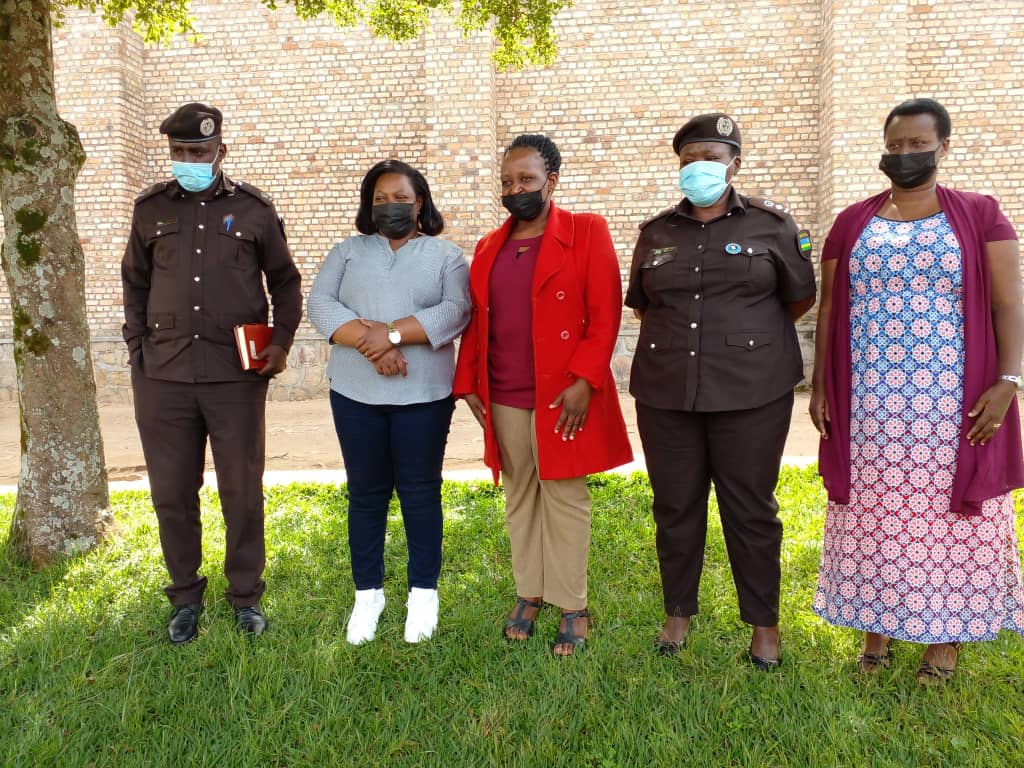
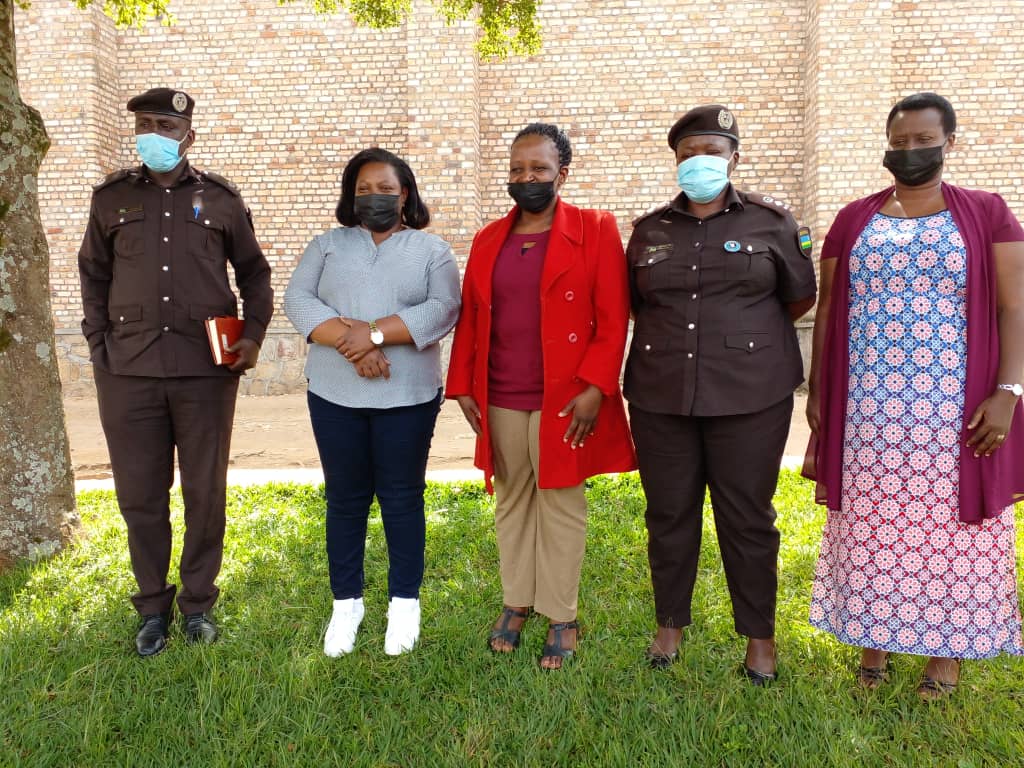
It is in this line that DIDE staff visit the targeted prison to introduce the project to the head of the prisons, explain what DIDE will do in terms psychosocial support and mental health.
VISIT AT MURAMBI GENOCIDE MEMORIAL
This National Genocide Memorial Sites contains the remains of approximately 50,000 victims killed at the technical school, including some remains exhumed from the surrounding area. Only 34 people from this site are believed to have survived the genocide.
It is in that commemoration, DIDE alongside Interpeace, PFR, and Haguruka visited the site and saw what happened at Murambi, after they passed a message in the visitors book.


INTERNATIONAL DAY OF THE AFRICAN CHILD
16th June every year mark the International day for the African child, with this year theme "protect the child, build a better future" where DIDE RWANDA and our partners Interpeace, Haguruka and Prison Fellowship with the support of the Sweden Embassy in Rwanda we celebrate this day at Nyagatare Juvenile Prison.
The need to protect the children from violence of any form is the common language used by those who spoke at the event, rising the problems that Juvenile in detention are facing, speaking in the name of all Juvenile Olivier said they receive better correction, they study with courage because they know if they pass the exam they will receive presidential pardon and also they have time to do other activities and learn new skills.
Many said that follow up for these children is very necessary after they return to the society and sometimes they found themselves again in the crimes like before
They was reminded of their rights to education, protection against violence, teaching them that they are not differ to other children.
The Director of Prison said that they thank partners that work very hard to support their lives and provide daily materials
The Executive Director of DIDE Odette MUKANSORO said they will continue to support juvenile in teaching them new skills and increase their knowledge to be able to work in the community once they return to live with others.
an other issue is the visiting allowance that is yet to return.


PSYCHO-EDUCATION TRAINING FOR LOCAL AND OPINION LEADERS
DIDE is conducting the psycho-education training for local and opinion leaders in 5 Districts of the country, this is inline with the program we partnered with Interpeace, Prison fellowship, and haguruka under the project called "Reinforcing community capacity for social cohesion and reconciliation through Societal Trauma Healing in Rwanda program".
Those 5 Districts are Musanze, Ngoma, Nyabihu, Nagatare and Nyamagabe. a 10 day session will be conducted in 25 sectors of the above districts the objectives is to increase awareness on trauma and the need for healing towards social cohesion


THE LAUNCHING AND HANDOVER OF THE WELDING WORKSHOP AT NYAGATARE JUVENILE DETENTION
The launching and handover of the welding workshop at Nyagatare juvenile prison.
28TH July at Nyagatare Prison was the event of inauguration of the workshop for youth being corrected at the juvenile detention.
Build and equipped by Caritas Byumba funded by Oxfam through the IrishAid the workshop will serve as the skill centre to acquire the knowledge that will help them work and make a living in the society as well as building the country in the development

Speaking in the name of the juveniles Oliver said they thank RCS and their partners for the workshop, the skills and knowledge they acquire in the prison to be used when they return living in the community, they learn different skills in carpentry, embroidery, shedding hair and many more.
The inspector of education at Nyagatare district acknowledged the work done by different partners and that they made a proposal to the Ministry of education to make it the centre for examination.

The youth of Nyagatare juvenile performed different kinds of drama theatre that highlight their daily correction activities and how they treat each other to become better and abiding citizens. after they performed traditional dance and sang their own made songs
The Oxfam Country Director in her speech thanked the RCS for their collaboration with them to complete the construction of the welding workshop and also the IrishAid for providing financial support.
The ArchBishop of Byumba said working together with other partners will bring more benefit to those juveniles during the time of correction and the expansion of more workshops for different fields will be constructed.

The Deputy Commissioner General of RCS said there is something changed to those children as they are treated respecting their rights, she reminded them that they are the force of the country and that when they return into the community they should not behave like before they come into the prison.

VISIT OF STAKEHOLDERS IN D.K.U(DUFATANYE KUBAKA UBUTABERA AT GICUMBI PRISON
Inline to implement the D.K.U(Dufatanye Kubaka Ubutabera) the team from
USAIDRwanda with Legal Aid Rwanda Dignity in Deten1
&LOH Rwandapaid a visit at Gicumbi Prison
to witness what the program effects in psychosocial support & legal assistance to detainees.


THE 3RD RCS ANNUAL WOMEN CONVENTION
The 3rd women convention held at Lemigo Hotel,to empower female corrections Officers towards a profession career, increase women life development through different trainings to acquire more skills.


Trainning of CDF who will facilitate the family-based healing approach for restoring relationships within and across families in Ngoma, Musanze, Nyabihu, Nyamagabe & Nyagatare Districts.
Since 10-15 PFR, DIDE & Haguruka in partnership with IP are conducting a training on MFHS training to CDF who will facilitate the family-based healing approach for restoring relationships within and across families in Ngoma, Musanze, Nyabihu, Nyamagabe & Nyagatare Districts.


The 23rd ICPA( International Correction & Prisons Association) At Orlando-Florida. US
The 24th International Corrections and Prisons Association Conference Orlando, Florida from 23-28 October 2022.
1. INTRODUCTION
The International Corrections and Prisons Association (ICPA) held its 24th annual Conference, in Orlando, Florida from 23 October to 28 October 2022.
The theme for this year’s conference was “Excelling Beyond the ‘Old Normal:Corrections after the Global Pandemic”.

The ICPA’s annual conference is a key event in the world of corrections and prisons.
This year’s session included more than 70 presentations and 150 speakers in its rich
and diverse programs, covering various topics ranging from justice strategy and
reform, correctional healthcare, facility design, human rights, technology solutions,
staff training and wellbeing, community corrections initiatives, and pandemic
responses.
Founded in 1998, ICPA is a non-profit association for prison professionals, with an
aim to contribute to public safety and healthier communities by encouraging and
enabling best correctional practices in prisons. The ICPA is headquartered in
Brussels, Belgium.
The conference was attended by over 1000 professionals and experts from all over
the world, representing government and state corrections agencies, as well as
academic and civil society organizations.
The delegation of Rwanda, led by CG Juvenal Marizamunda, Commissioner General of RCS, was composed of SP Alex Mugisha, Director of Cooperation at RCS;
Frank Kayitare, Interpeace Rwanda Country Representative; and Odette Mukansoro, Executive Director of DiDE Rwanda.
We would like to give thanks and appreciation to Interpeace Rwanda for having
covered travel related costs for the whole delegation.
The conference started on 23 October and concluded on 28 October 2022. The
format of the conference comprised a variety of plenary, parallel plenary and
thematic workshops.
The presentations made in the abovementioned sessions were a good opportunity
to learn from the experience and success stories shared by participants from
different countries in the area of correction services based on the thematic
discussion items of the conference program. In this regard, CG Juvenal Marizamunda
shared the experience of Rwanda in relation to the programs set for prisoners in
Rwanda especially in the education sector whereby inmates equipped with skills
that will improve their wellbeing after serving their sentences.
For DiDE, the ED benefited from networking with various organizations, experience
sharing sessions, as well as other sessions related to its core activities.
We learned about approaches in prison shaping success for women" a Gender responsive Technologies based approach for Reintegration example of USA and Reducing tension inside prison example of Mexico, promoted thought humanitarian
partnership for women deprived on Liberty.
DiDE’s participation to this important forum provided the following outcomes:
– The ED engaged and established contacts with colleagues from similar
organisations for future cooperation and partnership
– Learnt from a variety of sessions across a wide range of topics, practices and
experiences with over 70 presentations and more than 150 speakers from
around the world especially the experience shared by ICRC’s
– Participated in different events that will enable us to improve our work in
programs such as in gender, psycho-social support, rehabilitation and
reintegration, …
– Identified the latest products available in prison today that can be integrated
in the Rwandan context

ANNUAL RETREAT/ RWANDA HEALING PROGRAMME
Reflecting with our team & partners
@pfrwanda
@DignityinDeten1
@haguruka_ngo on the achievements & complexities of Mental Health and psychosocial support (MHPSS) work & economic resilience for strengthening social cohesion and building lasting peace in Rwanda.
“A goal without a plan is just a wish” & our Rwanda programme partners are sharing lessons, adapting & planning for 2023. Grateful to Sweden Embassy in RWANDA & the EU in RWANDA for supporting our community resilience interventions in Rwanda.


REFRESHMENT OF THERAPEUTIC GROUPS UNDER DKU
With the USAID/DKU goal of increasing access to justice in Rwanda, one of planned intervention is conducting psycho-socio counseling and healing sessions for prisoners in need, focusing on recent detainees and others with different mental health problems in order to respond to one of the project objective namely Improving citizens’ knowledge of rights and expanded high-quality legal. As planned in the project implementation, DIDE psychologist will visit therapeutic groups monthly so that he/she assists them by discussing with group members, supporting those with particular cases and by facilitating a debriefing session with all peer educators. As new therapeutic groups have been created, and peer educators trained, it is planned that, in each correctional facility, 4 therapeutic groups (60 group memmbers) will be visited and will be closed by a debriefing session with peer educators.

To allow trainees being active, avoiding monotony during training and better making understand what they are learning, different approaches and methodologies have been used:
(1)Brainstorming: the right answers will come from many responses to a question given by the facilitator;
(2)Questions-answers: participants (trainees) respond to the question given by facilitator;
(3)Group working: participants work in small groups and then make presentation, thereafter, colleagues give complementary information. In this training, the exercise is about animation of therapeutic groups. In therapeutic groups, they shared in plenary what they did and others commented on the scenario to express what was well done and what needs to be improved and how to improve.
(4)Exposé: especially during debriefing, in clarifying information from participants.

Where it has been applicable, more than one approach/methodology has been used in a session for a better understanding.
As the purpose of the training is to bring peer educators being able conducting specific sharing groups, called “groups therapy”, most of the time is reserved to practices, and feedback provided after each session helped for improvement, and will serve in next sessions, while they will lead therapeutic groups. Participants did a pre-test in the beginning, and a post-test similar to the pre-test at the end of training. That allowed knowing the level of participants’ knowledge related to the training, and serves as an evaluation tool after the training by considering the evolution between the two tests. Participant did a pre-test at the beginning of the training and a post test at the end. Below is the summary of the results of those two tests. Note that the questionnaire is similar for the pre-test and the post-test.

Until now, the DIDE psychologist, in collaboration with the focal points of each of four correctional facility targeted by the project assisted prisoners in the creation of new therapeutic groups. Currently, groups are in the beginning, and planned sessions aimed to continue the support by some groups ( at least 4 groups in each CF). A debriefing session will be organized at the end to understand and assist peer educators in order to continue the good setting of therapeutic groups. Below is the planned dates for this activity and the number of people to be targeted in each CF.


Capacity building of Cooperative Amaliza y’ubuliza on Gender Equality and fight against Violence


PSYCHO-EDUCATION TRAINING OF LOCAL AND OPINION...
PSYCHO-EDUCATION TRAINING OF LOCAL AND OPINION LEADERS/ SEPTEMBER, 2024.
Local leaders and opinion leaders play a key role at community level in solving conflicts and facilitating reconciliation processes. They are also often confronted with the present-day consequences of the genocide, in some cases without being aware of this.It is important that they recognize that some of the behavioral issues or conflict situations they handle daily may be connected to individuals’ and community traumas, including the effects genocide legacies can have on the second generation. This will help them to address the root causes instead of treating the symptoms. It is also important that they understand the connection between the healing and reconciliation process with the socio-economic development in their communities. As a result, these leaders are likely to prioritize citizens’ mental health and reconciliation agenda in their performance contracts.
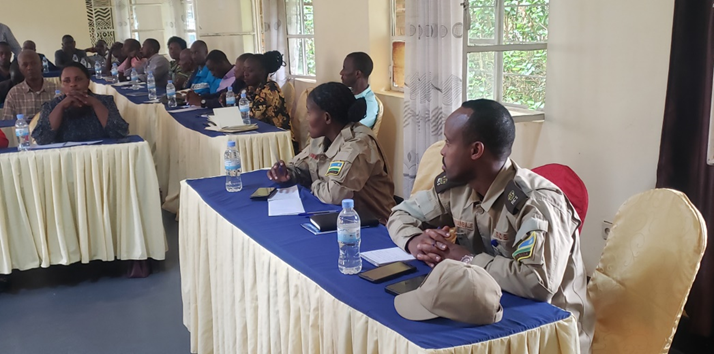
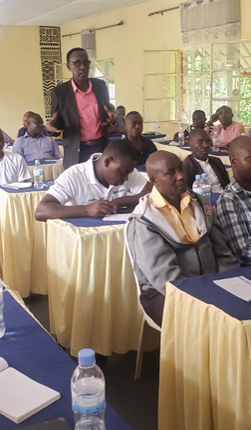
Psycho-education Training of Local and Opinion Leaders at Ngoma District.
After the third year of the implementation, most of local Leaders have been transferred to other sectors or cells, while some opinion leaders completed their term and others were elected. It was then crucial to organize another psycho-education training to inform the new appointed local leaders and new elected opinion Leaders about the program and its interventions in their administrative localities (sectors and cells). This will allow them to better understand the role of the program to support societal healing efforts as well as its intended contribution to improving social cohesion.
It is against this background that DIDE in partnership with Interpeace and in collaboration with Prison Fellowship Rwanda and Haguruka organized a psycho-education training for local leaders, opinion leaders, to ensure ownership and increase awareness on the need for healing in the Rwandan community as well as providing participants a space to share their experiences.
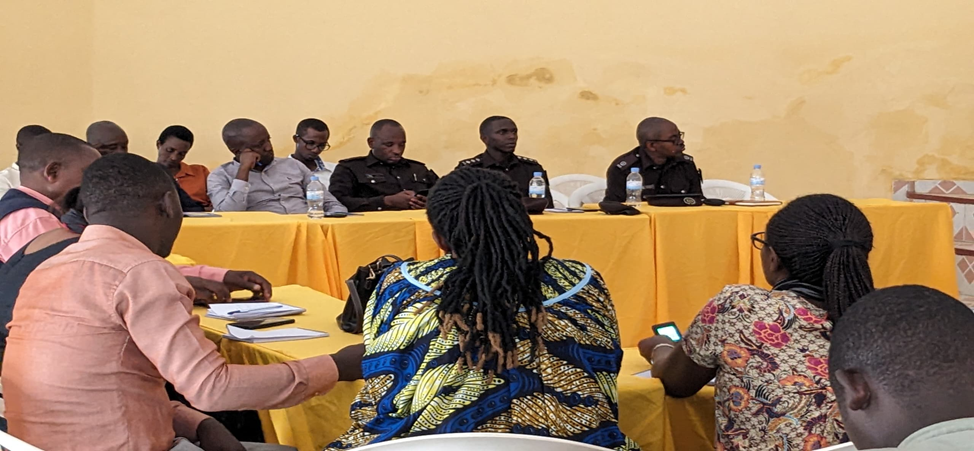
Local and opinion leaders participating in a psychoeducation training session in Nyagatare & Musanze Districts
I.1 Objectives of training
The overall goal of this psycho-education training is to increase awareness on trauma and the need for healing towards social cohesion. It also aims to equip leaders with skills in conflict sensitive skills to ensure a Do no harm approach that emphasizes connectors and minimizes dividers to promote conflict sensitive leadership and development through understanding psychological trauma and healing strategies.
I.2 Expected outcomes
- Increased understanding of local leaders in trauma healing strategies
- Improved working environment and service delivery to beneficiaries.
- Increased resilient capacities among leaders
- Increased critical thinking skills and conflict analysis
I.3 Methodology
The interactive method has been used during this training workshop to require active participation. More, precisely it consisted of short presentations alternating with the work in groups, the pooling in the plenary and the consolidation at the end.
- Short presentations aimed at refreshing the memory of participants by providing basic mental health, social cohesion and collaborative livelihood knowledge.
- Work in groups to foster interactions through which participants would share their practice (know-how) and experience; without any doubt, this exercise has a formative character among peers;
- Plenary sharing and discussions were accompanied by insights provided by the trainers as a way of consolidating / or developing some important elements.
- Recommendations emerging from the discussions were collected throughout the Exchanges;
I.4 M&E Methodology
This activity was monitored using different tools:
- A presence list to be signed by participants upon arrival.
- Observations and note taking carried out by one designated staff to extract quotations from trainers and participants.
I.5 Participants
A total of 228 participants attended the trainings among them 65 were Female and 163 were Males.
I.6 Gender analysis
The number of men participants were high compared to women (163 men out of 65 women) Due to participants are Leaders at cell and sector level, this shows that women are still underrepresented in leadership positions even for opinion leaders who were recently elected.
Although the women participants were fewer, they participated often, giving ideas, and asking questions.
II.CONTENT DEVELOPMENT
A one-day psycho-education training was organized by DIDE in Partnership with Interpeace, Prison Fellowship Rwanda and Haguruka on September 25th, 2024 and have been carried out in the Five Districts of the programme intervention namely Ngoma, Nyabihu Nyagatare, Nyamagabe and Musanze.
The objective of this psycho-education training was to equip local leaders and opinion Leaders with the necessary skills to address mental health challenges, promote social cohesion, and support collaborative livelihood efforts in their communities.
The key topics covered were Psychosocial and mental health awareness and its impact on community, social cohesion and conflict resolution and promoting economic resilience through collaborative livelihood. Participants were encouraged to share their insights on these topics, providing an opportunity for deeper discussion and engagement aimed at examining collectively the challenges they encounter in their daily work, particularly concerning mental health, social cohesion, and collaborative livelihood.
We expected the following outcomes and all have been achieved :
- Increased awareness on the role of the program to support societal healing efforts as well as its intended contribution to improving social cohesion.
- Increased understanding of local and opinion leaders in trauma healing, mental health support and their role in addressing stigma and misconceptions around mental health
- Increased understanding of local and opinion leaders on social cohesion and conflict resolution and their role in fostering social cohesion within diverse community members.
- Increased understanding of local and opinion leaders on collaborative livelihood and its relation with mental health and social cohesion.
- Improved working environment and service delivery to beneficiaries through leading with empathy and inclusion.
II.1 Outcome of the Training
The psycho-education training was successful as it addressed local and opinion Leaders daily life issues, and the participants appreciated our support for their community:
- Participants developed a foundational knowledge of what mental health is and its importance in daily functioning; they are aware of common health issues in their community (PTSD (trauma), anxiety, depression, stress, and drug and alcohol abuse) and how these can impact individuals.
- Participants gained insight into common myths and misconceptions about mental illness, and then committed to address stigma and misconceptions around mental health and promotes a more compassionate and informed perspective.
- Participants improved their communication skills, especially in active listening and committed to offer practical and emotional support in a non-judgmental, empathetic manner, fostering trust and openness.
- Participants became aware of existing local mental health resources, support services available in their communities as well as professional networks and committed to refer those in need of support.
- Participants became more aware of their stressors and committed to adopt strategies for building personal resilience and preventing burnout.
- Participants became aware of barriers to social cohesion in their respective community, an essential element in fostering unity, trust and collaboration within communities.
- Participants committed to support existing activities aimed at fostering social cohesion within diverse community members by developing trust-based relationships within diverse groups in the community.
- Participants became aware of existing opportunities available in their community and committed to foster community-based enterprises aimed at building economic resilience and reducing dependency.
- Participants committed to enhance community ties through shared economic goals.
At the end of the training each District shared some mental health and psycho-social issues that are still present in their region, some challenges that still hinder social cohesion within their community are presented too as well as opportunities that are available their region that could help people improve their livelihoods.
We also took the opportunity to assess the relevance of such trainings, if it helped them to improve the local and opinion Leader’s way of Working and it addresses some of their past challenges.
Reinforcing community capacity for social cohesion and reconciliation through Societal Trauma Healing Programme: Musanze, Ngoma, Nyagatare, Nyamagabe and Nyabihu
TRAININGS OF GRADUATES FROM SOCIOTHERAPY HEALING GROUPS ON COLLABORATIVE LIVELIHOOD SKILLS /MAY-2024
The interconnection of mental health, livelihoods, and peace consolidation systems and how it entrenches patterns of trauma, weak social cohesion, and poverty outcomes was highly pointed by different empirical research, and the ineffectiveness of isolated intervention highlighted.
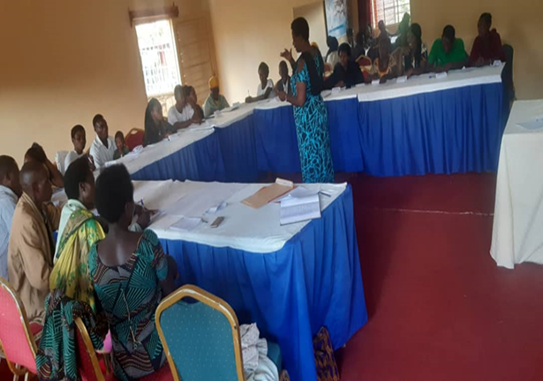
Trainings in Nyamagabe District
In that context a financial and livelihood, skills training of trainers were organized by DIDE in partnership with Interpeace and Prison fellowship Rwanda on May, 16th , 2024.
This report outlines the details of the financial and livelihood skills training conducted for the graduates of sociotherapy healing groups. The training aimed to equip participants with the necessary skills to enhance their financial literacy and improve their livelihood opportunities, ensuring sustainable economic empowerment post-healing.
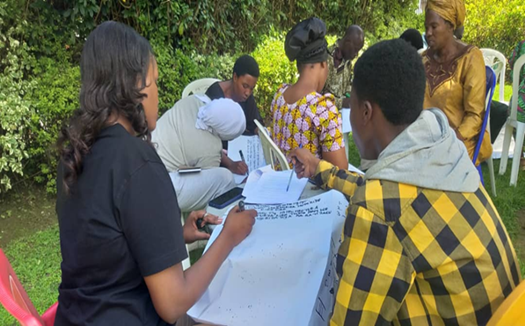
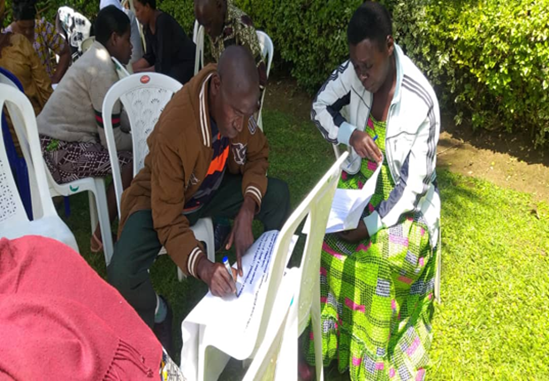
Practical session of writing the project proposal by training partcipants of Musanze District
The main objectives of the training were to transfer the knowledge to implement and teach the implementation of the collaborative livelihood incubation and Business Plan Development Protocols to representatives of graduates from community healing groups who will train their fellow community members.
The specific objectives of the training were to:
- To empower trainers to effectively teach, guide, and inspire other community members to embrace and implement the co-live protocol.
- To reinforce community members capacity in project development and run their own development ideas by :
- Improving participants’ understanding of basic financial concepts such as budgeting, saving, and investing.
- Providing practical skills for managing personal and group finances effectively.
- Equipping participants with livelihood skills that can be used to generate income.
- Promote entrepreneurial thinking and self-reliance among participants.
- Foster collaboration among group members to create joint income-generating projects aimed at strengthen participants’ social cohesion.
Participants
A total of 100 (including 56 women and 44 men) graduates from sociotherapy healing groups of the five Districts of programme intervention participated in the training. These participants were selected based on their position of their respective group’comitees. Due to the budget constraints four peoples have been selected in each District, two people came from adult groups and the other two persons came from the Youth groups, all have been advised to respect the gender balance and people who could transmit the acquired knowledge to other members of their groups.
After explaining the contents of the simplified project document form translated into Kinyarwanda and how to develop a business plan, the participants practiced intensively in order to join their group mates with the skills to write their project proposal together.
As the co-live training was conducted primarily via a participatory approach this helped participant to be engaged in the training : They asked questions and give constructive feedback that showed their great interest of learning:
A female participant from Busogo sector said that: ‘’This training helped me to be aware that we should not think of a project that will only benefit us alone but that we should rather think of a project that can also benefit others, especially like us young people, we should think of a project that can also give work to our unemployed colleagues.‘’
The participants, both males and females, were fully interactive and engaged. Most of the healing groups participants have already some ideas on the projects they want to initiate, and some have started. This is why they were highly interested in the training and were using their own project as practical examples.
Closing the 3rd Phase of training for inmates preparing to complete their sentences for crimes related to the Genocide against the Tutsi 1994.
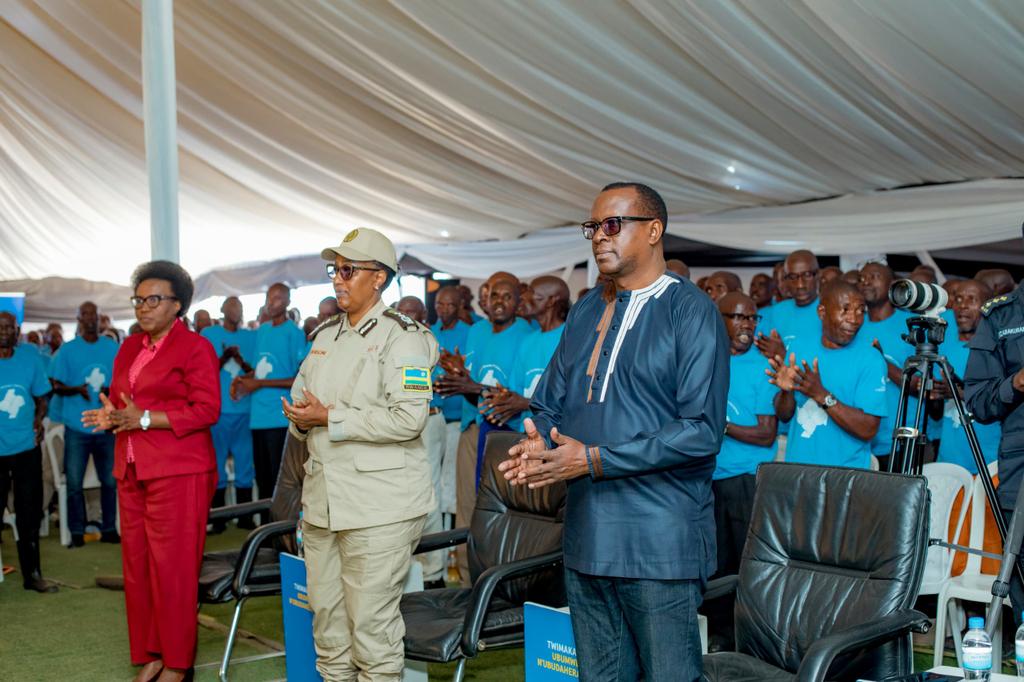
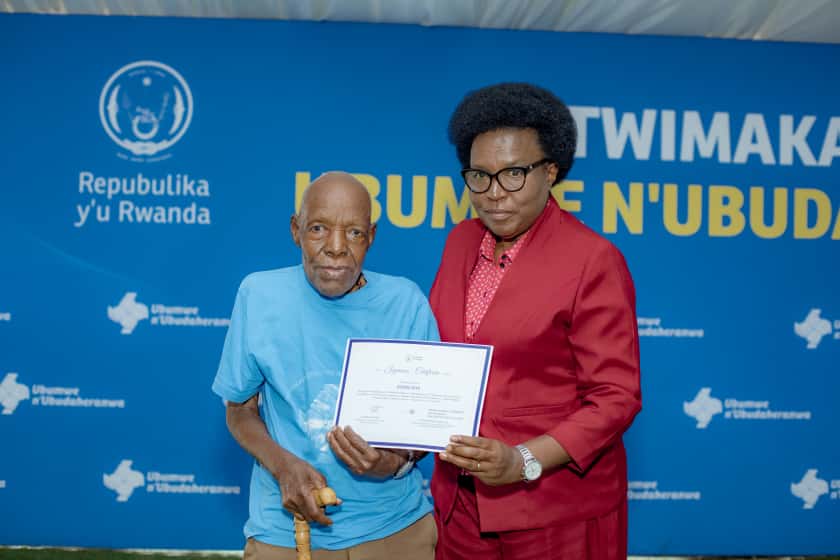
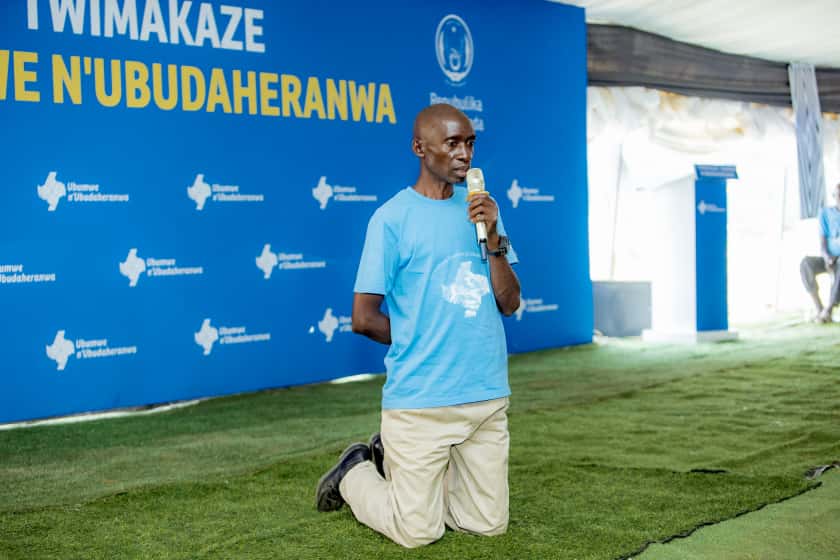
Today, our Executive Director @OdetteMukansoro and Minister @DrDamascene joined the leadership of the Rwanda Correctional Service (@RCS_Rwanda) in closing the third phase of training for inmates preparing to complete their sentences for crimes related to the Genocide against the Tutsi 1994.
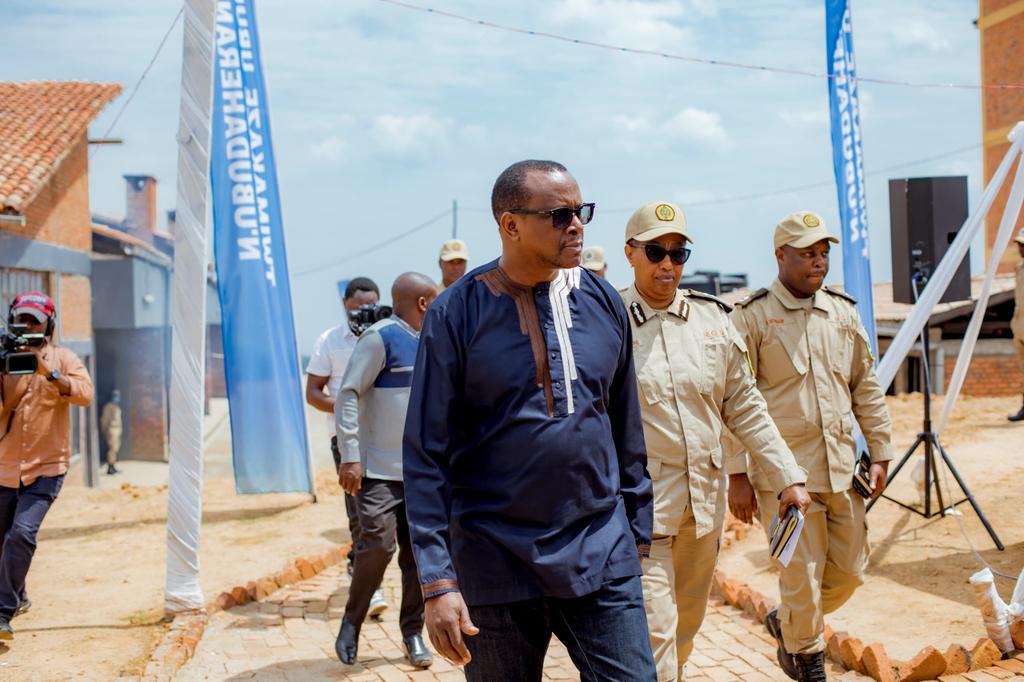
This three-week training took place at Nyamasheke Correctional Facility (@Nyamasheke) and was attended by 608 male inmates. The families of these inmates also participated in the closing ceremony.
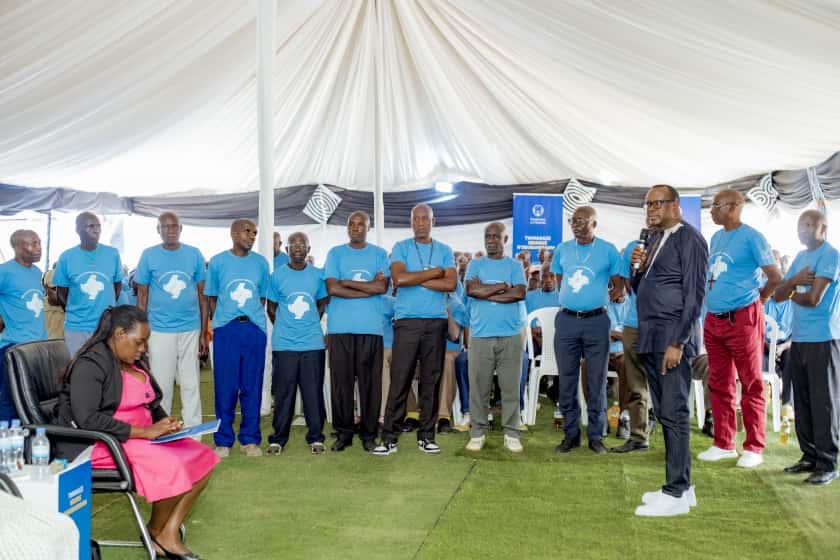
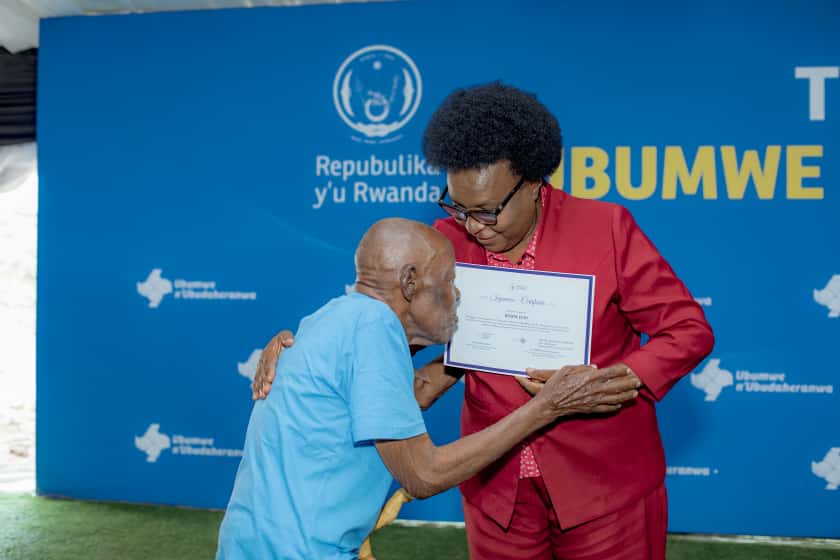
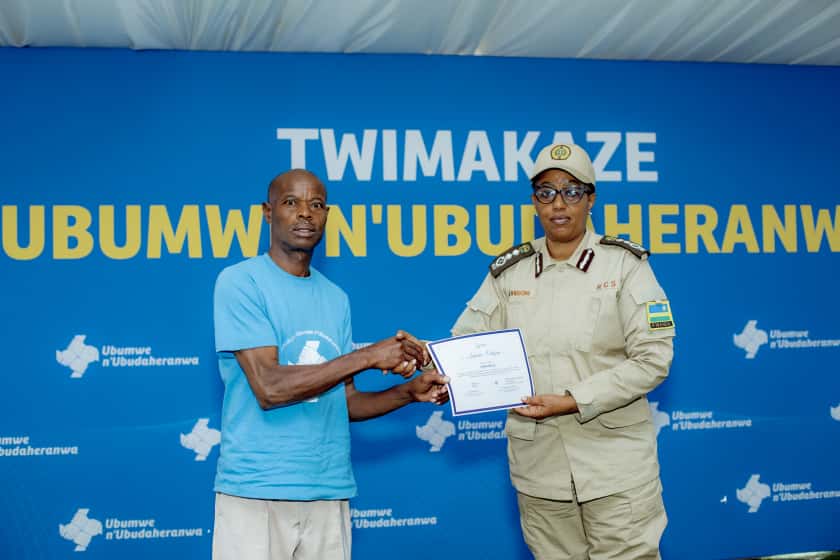
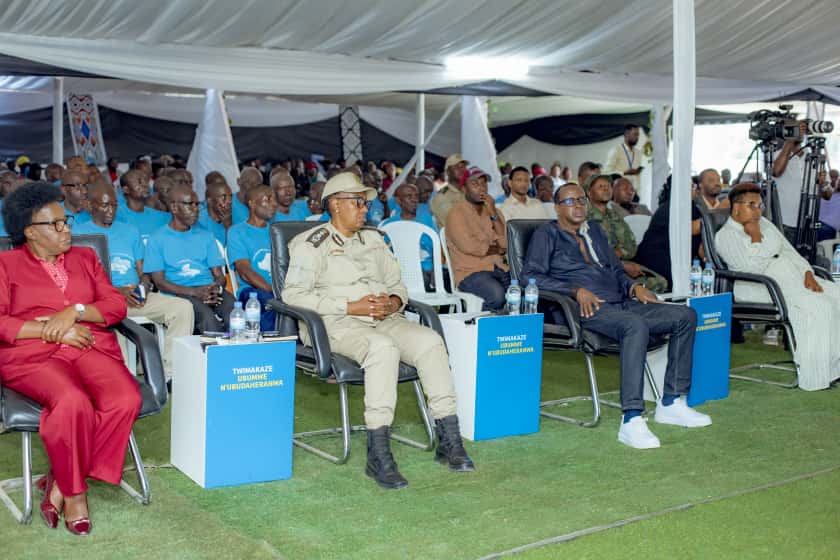
The objective of this training is to prepare inmates to reintegrate into society as dignified Rwandans, to give them the opportunity to rebuild themselves and contribute to the development of the country, to remind them of values that promote unity and resilience among Rwandans, to encourage them to stand against genocide denial and distortion of Rwanda’s history, and to help them actively participate in national development.
International Day of Rural Women 2025
International Day of Rural Women 2025
As we celebrate the International Day of Rural Women , we recognize women’s contribution to household income and community well-being. Let us join the ongoing efforts to promote inclusive and transformative leadership by centering women’s voices.
Celebrating the International Day of Rural Women.
Today, Organization DiDe Rwanda joined hands with Rwamagana Social Reintegration Centre to celebrate the International Day of Rural Women, under the theme
"A Woman is of Great Value.””
Together, we honor women’s strength, dignity, and contribution to community life.
#InmatesWomen #ForHumanDignity #IDRW2025
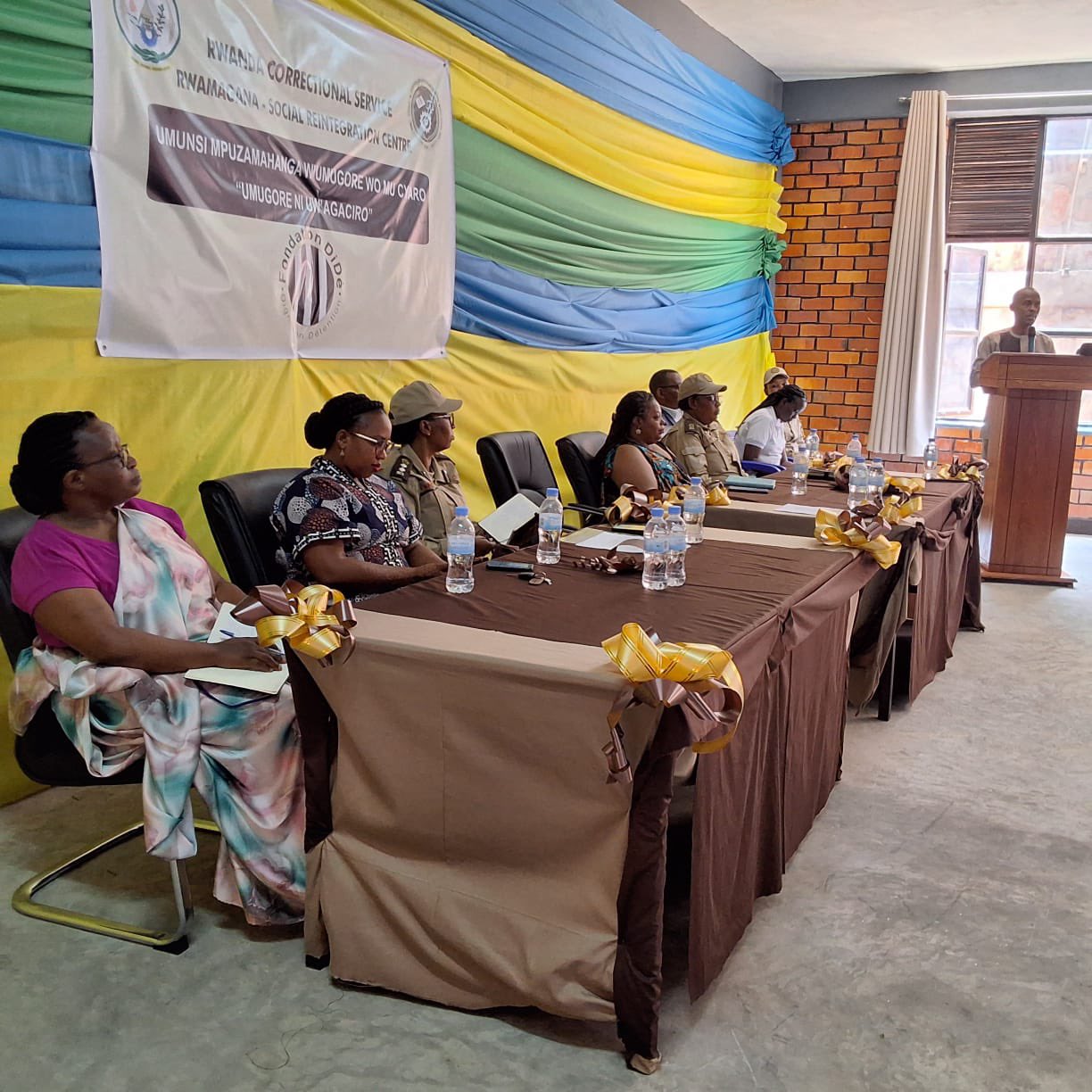
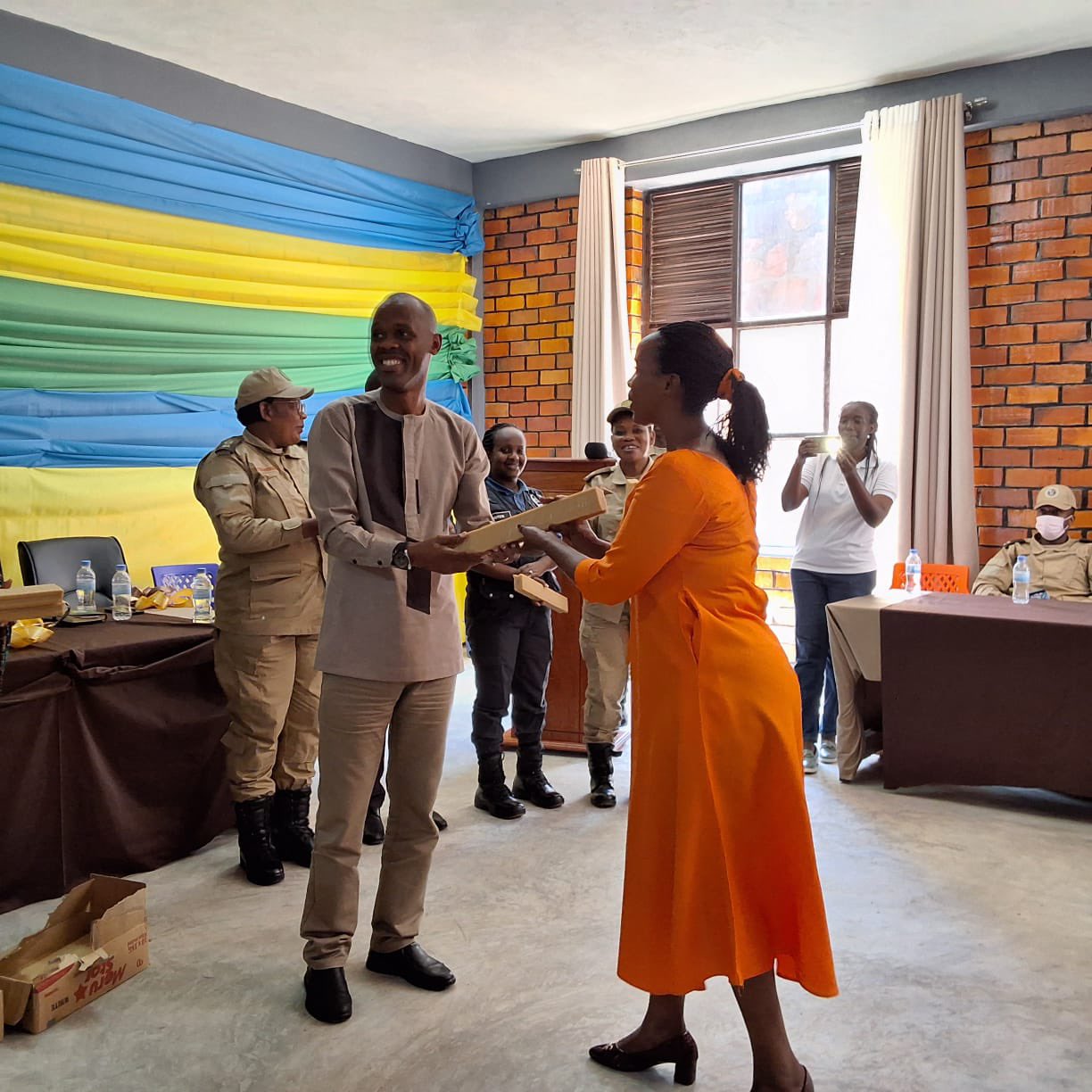
CONSOLIDATING UNITY & RESILIENCE THROUGH SOCIETAL HEALING stakeholders’ Engagement dialogue.
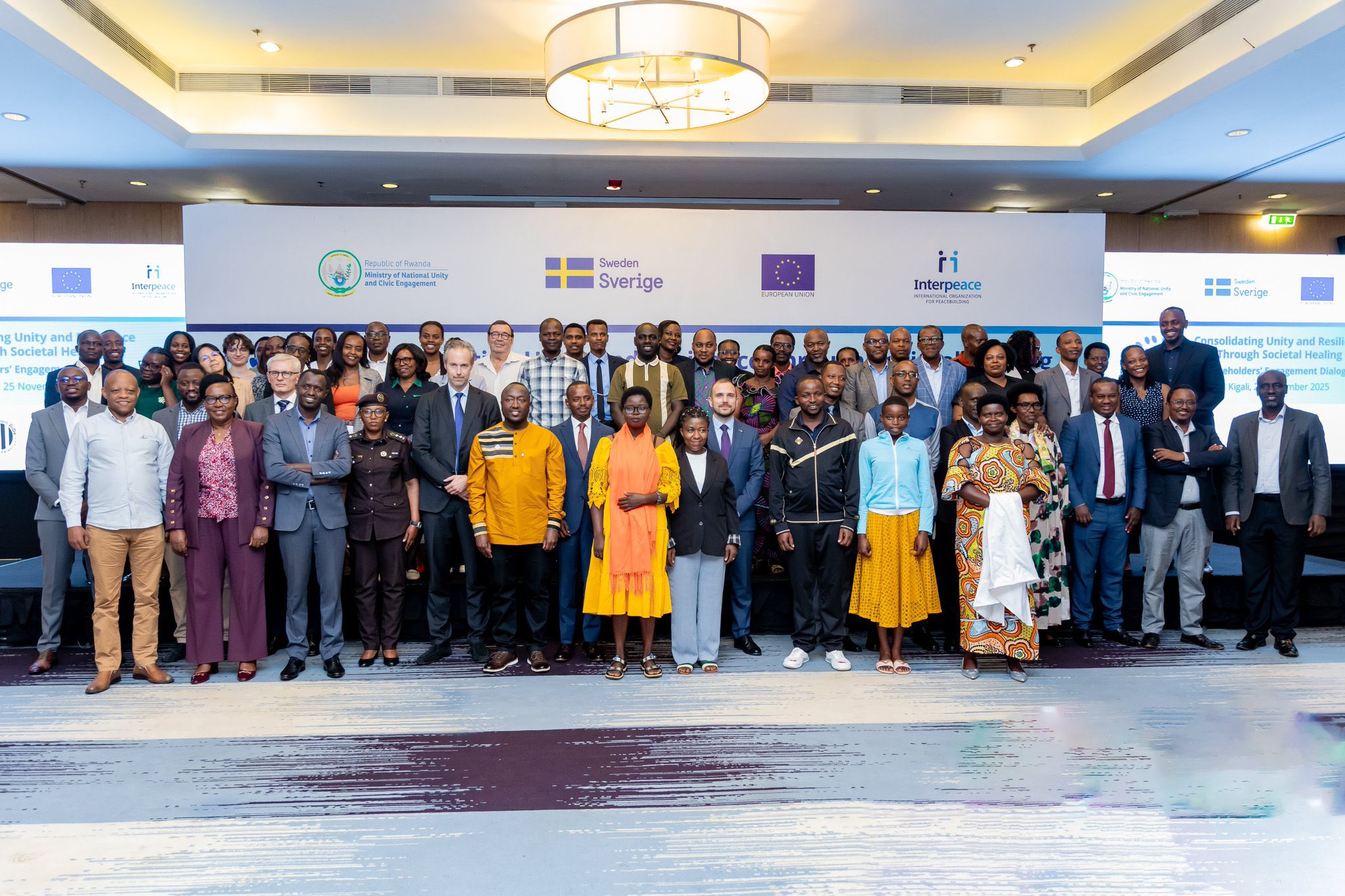
The pursuit of social cohesion and successful prisoner reintegration in Rwanda’s correctional facilities implemented in partnership with DIDE and Interpeace has been greatly supported by sociotherapy healing spaces.
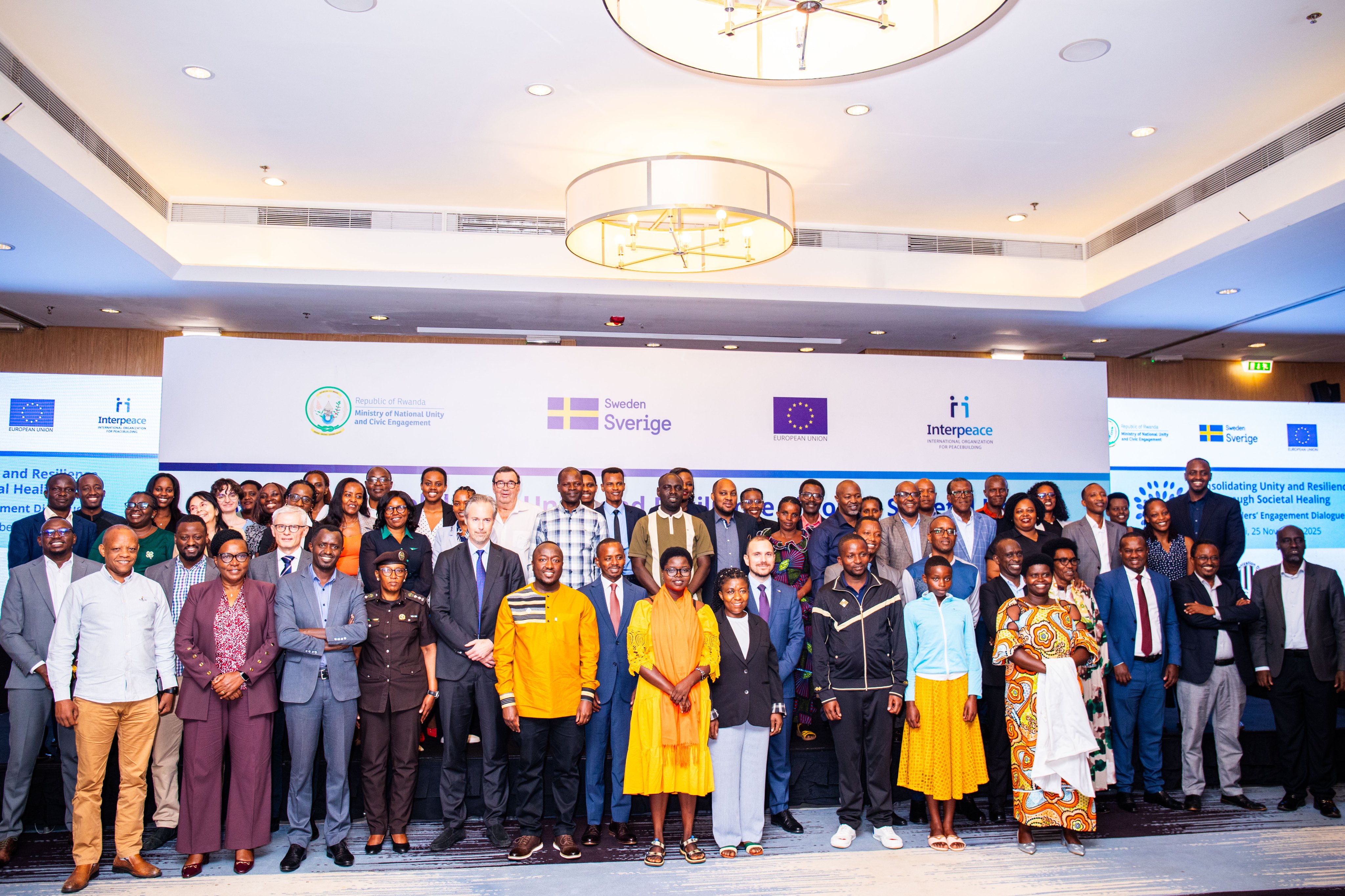
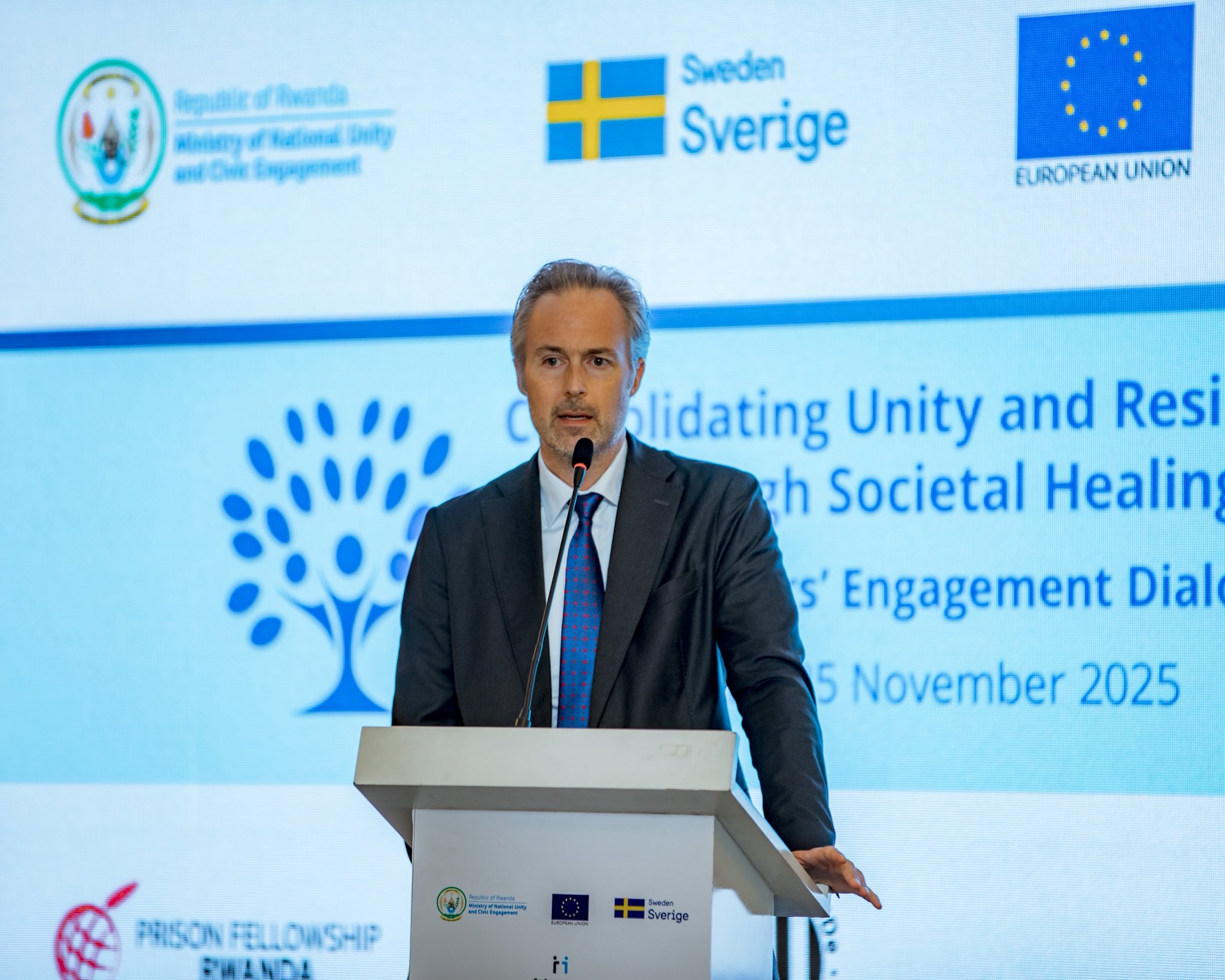
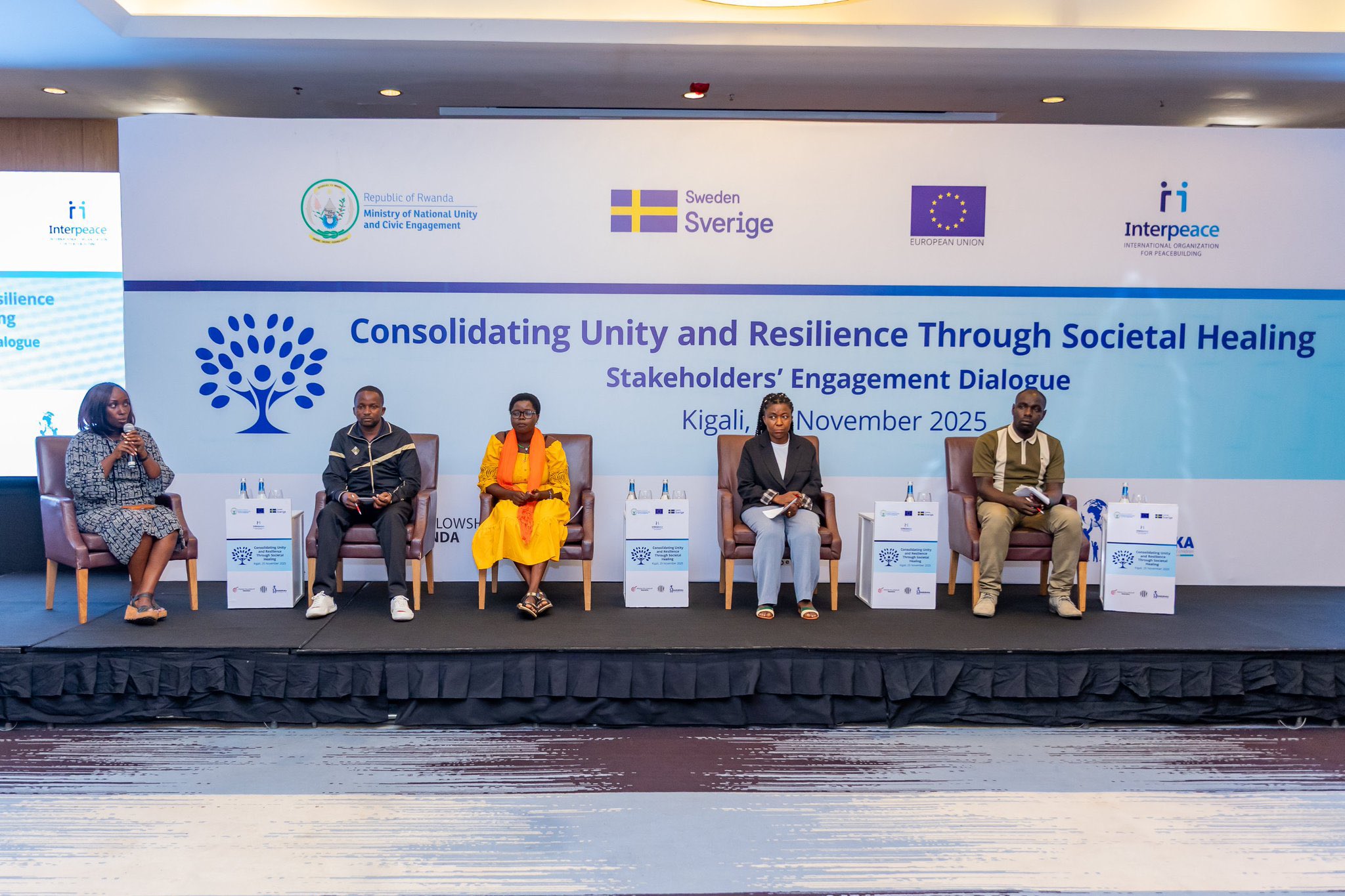
This approach empowers inmates to confront past actions, restoring dignity, experiencing personal healing, and seeking forgiveness, fostering reconciliation and the rebuilding of trust between perpetrators and the community.
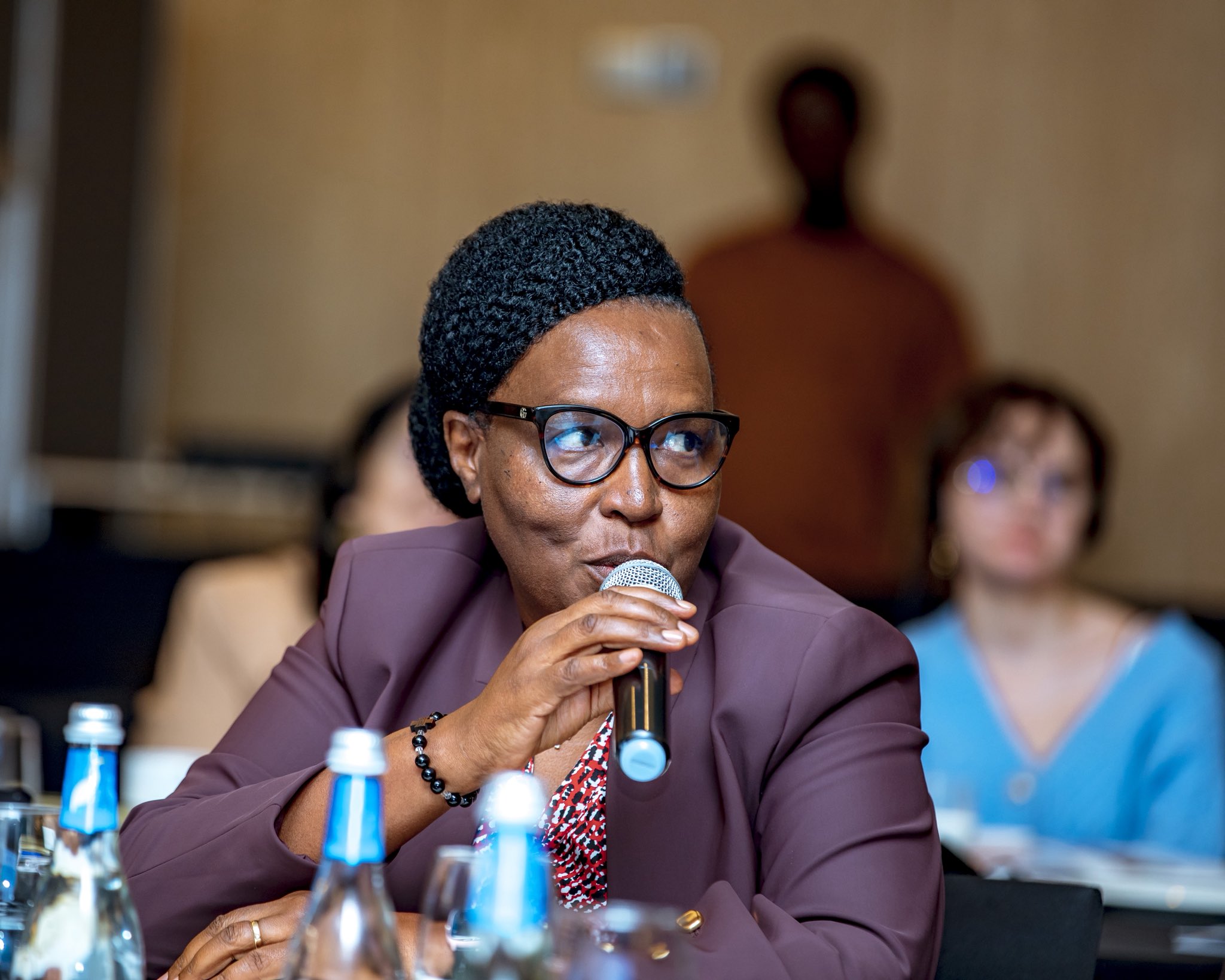
While emotional healing and reconciliation are essential, sustainable reintegration also requires tangible opportunities for self-reliance. Access to vocational training and small business development was seen as a bridge between personal transformation and…. social reintegration, helping inmates not only to avoid returning to crime but also to contribute productively to their families and communities.
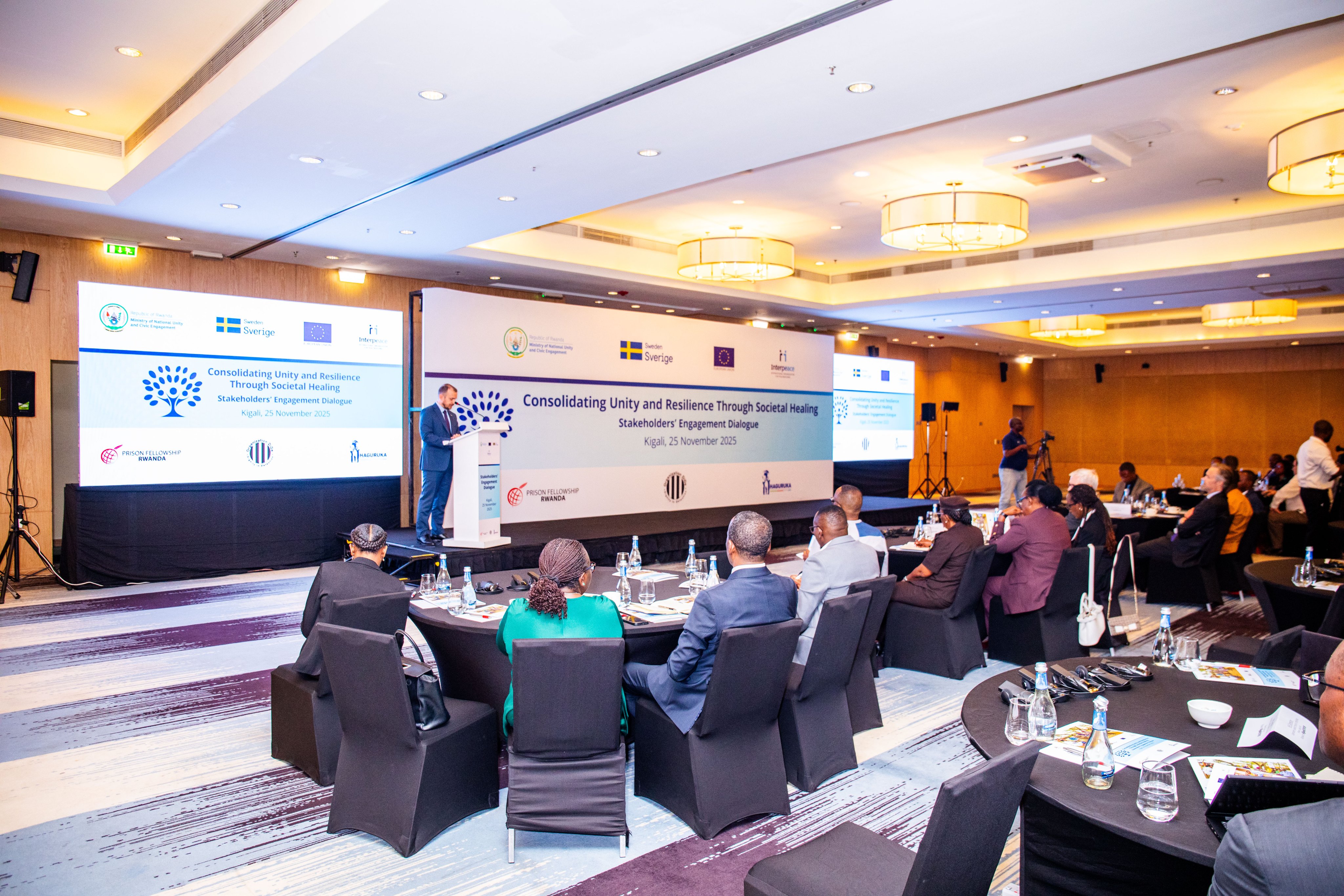
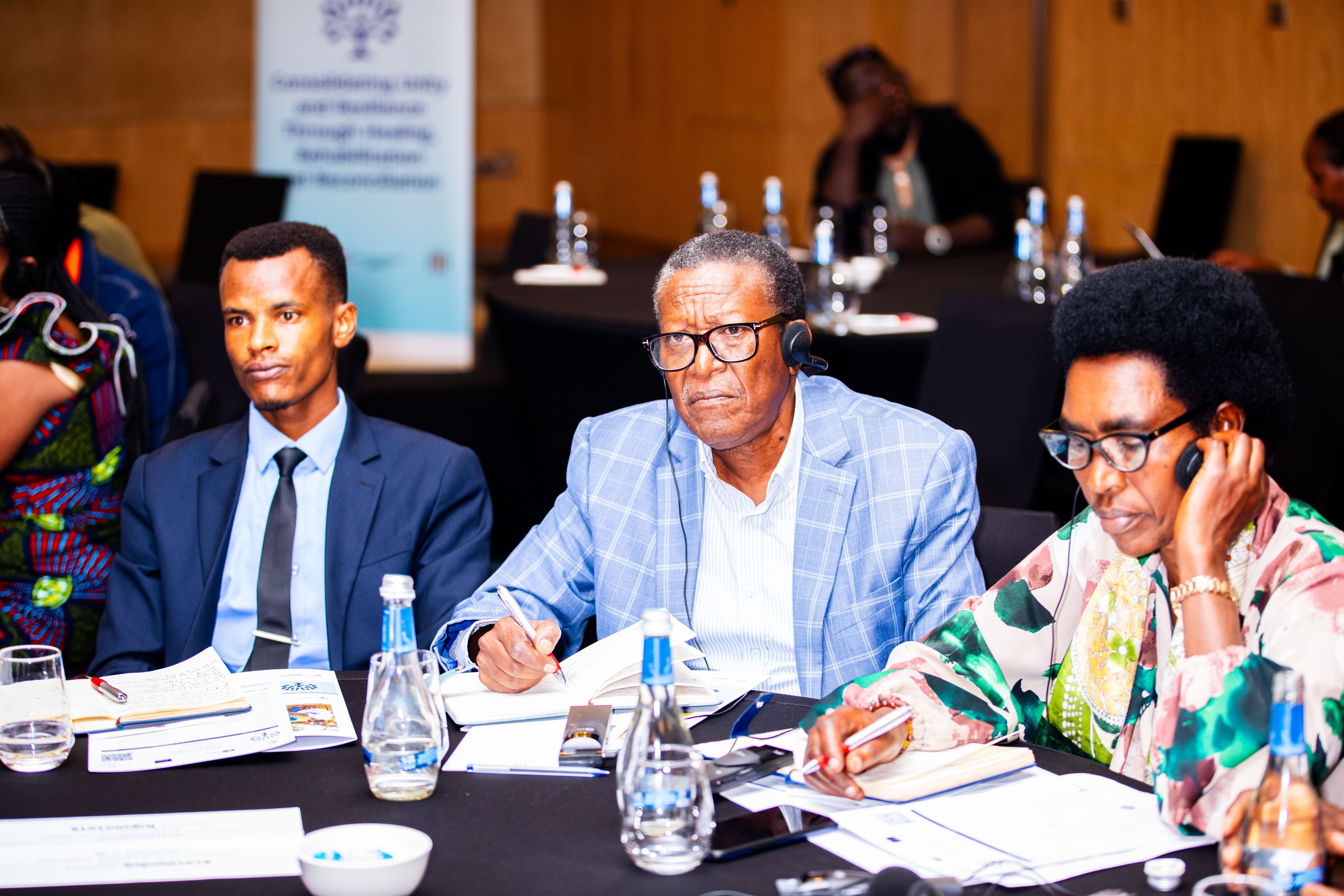
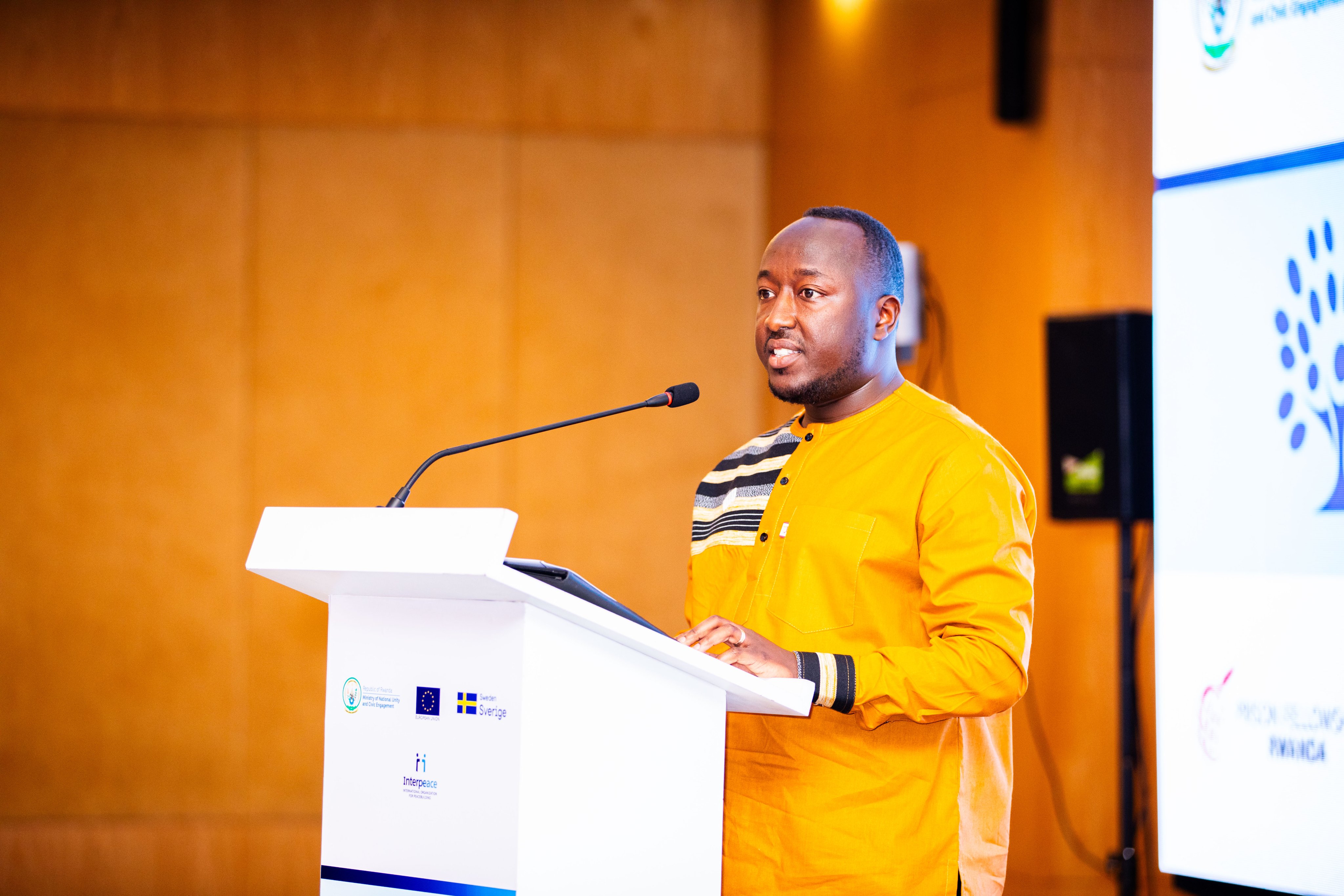
This contribution was highlighted during @Interpeace_Org’s Stakeholders’ Engagement dialogue on achievements & lessons of the Societal Healing Programme funded by Swedish International Development Agency (@Sida) as well as the introduction of the Consolidating Unity & Resilience Programme, supported by@EUinRW.
Strengthening Partnerships for Sustainable Unity ,Reconciliation and Community Resilience
Today, Our Executive director, Odette Mukansoro, has attended a breakfast dialogue with the Ministry of National Unity and Civic Engagement in partnership with Interpeace organization to exchange policy priorities, share perspectives on emerging opportunities, and explore avenues for enhanced collaboration in advancing unity, reconciliation, and community resilience.
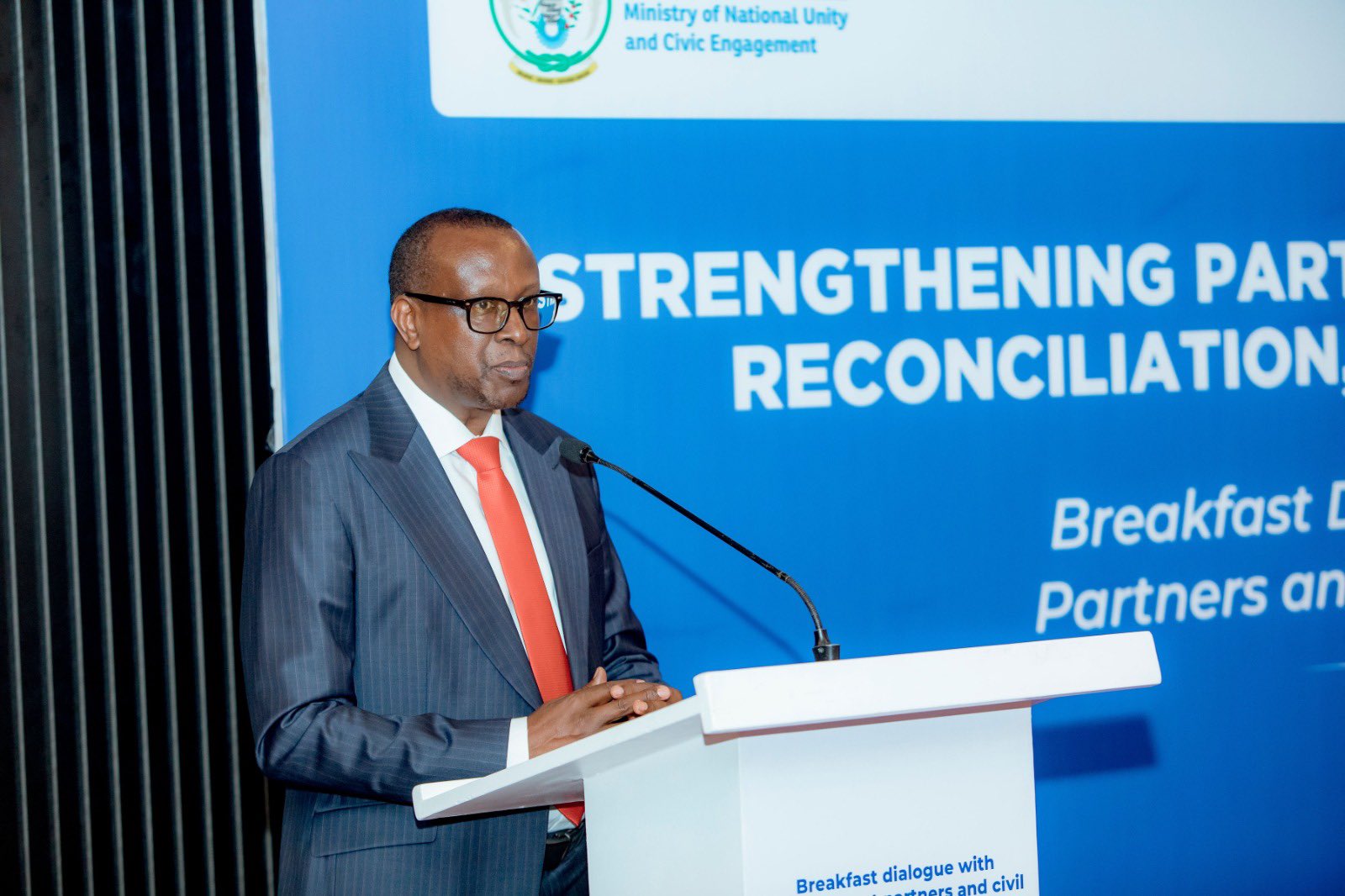
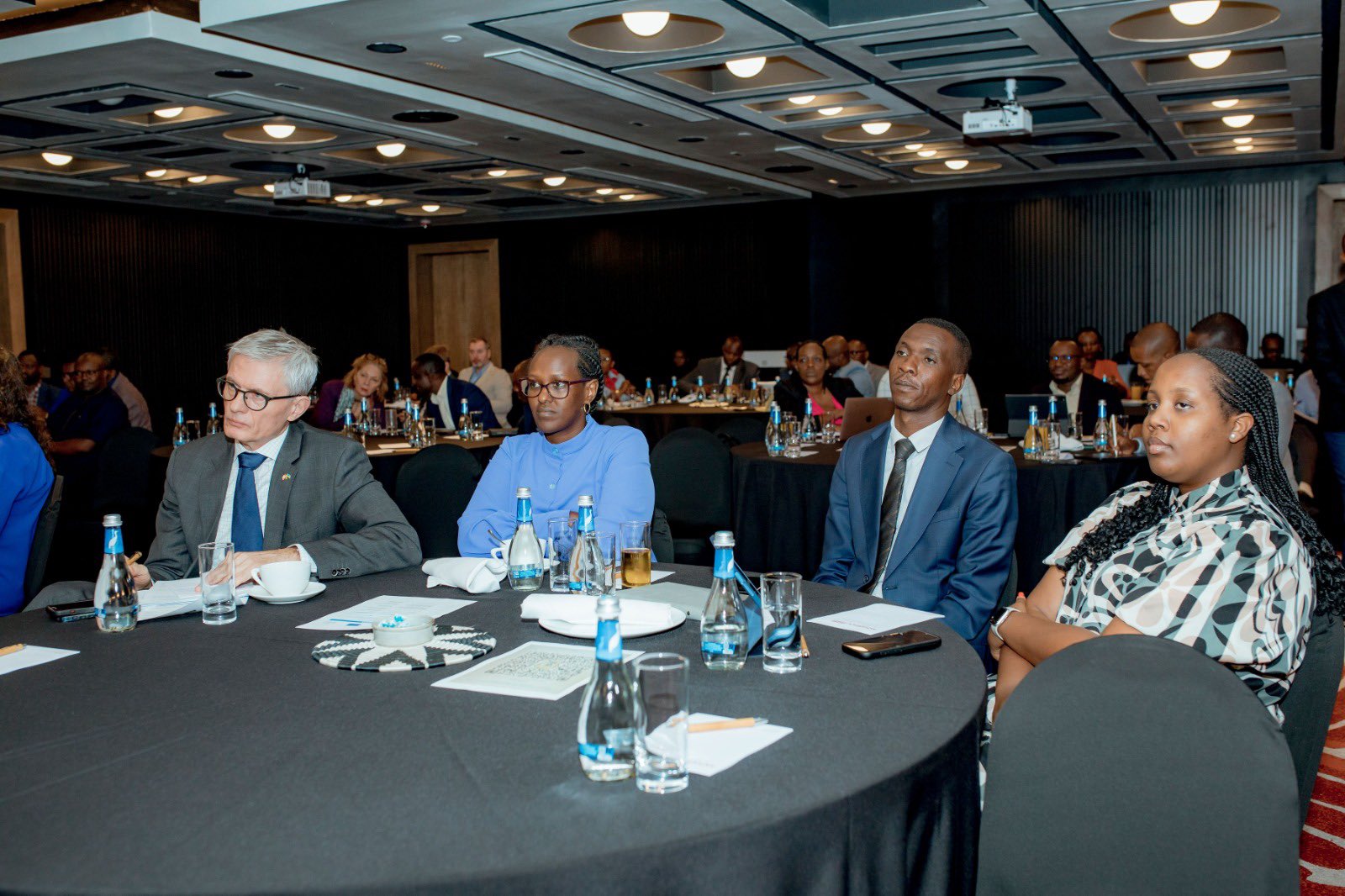
It was grateful for the insights and looking forward to collaboration! Thank you to our generous donors for support.
@Interpeace_Org
@EUinRW
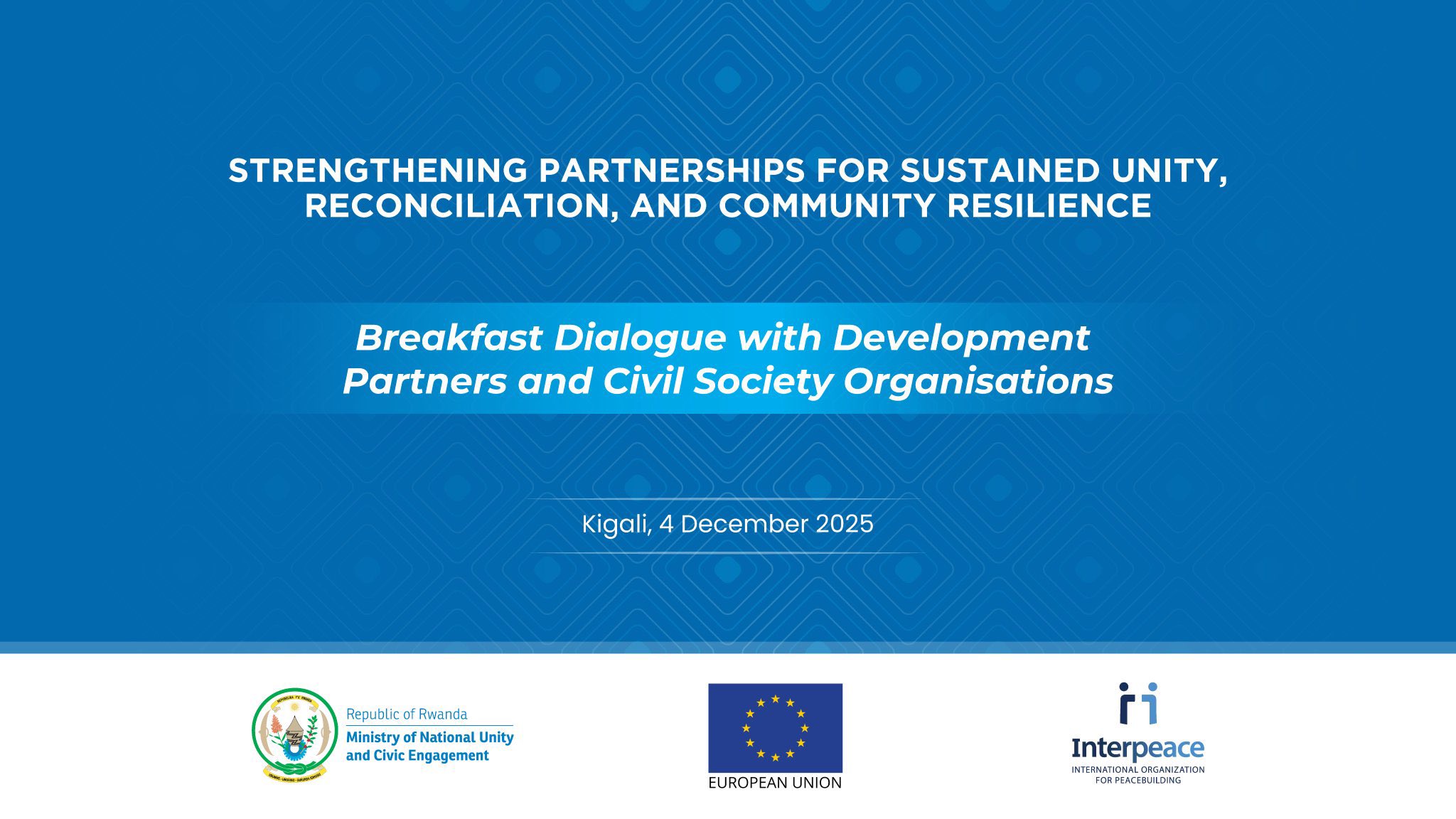
Happy Festive Season & Productive New year 2026
Season’s Greetings from-Organization DiDe Rwanda
We extend our deepest gratitude to our partners, stakeholders& team for your unwavering support in empowering communities.
May this festive season bring you peace, joy,& cherished moments.
Merry Christmas & a Happy New Year!🎁🌟
INTERNATIONAL WOMEN DAY 2026
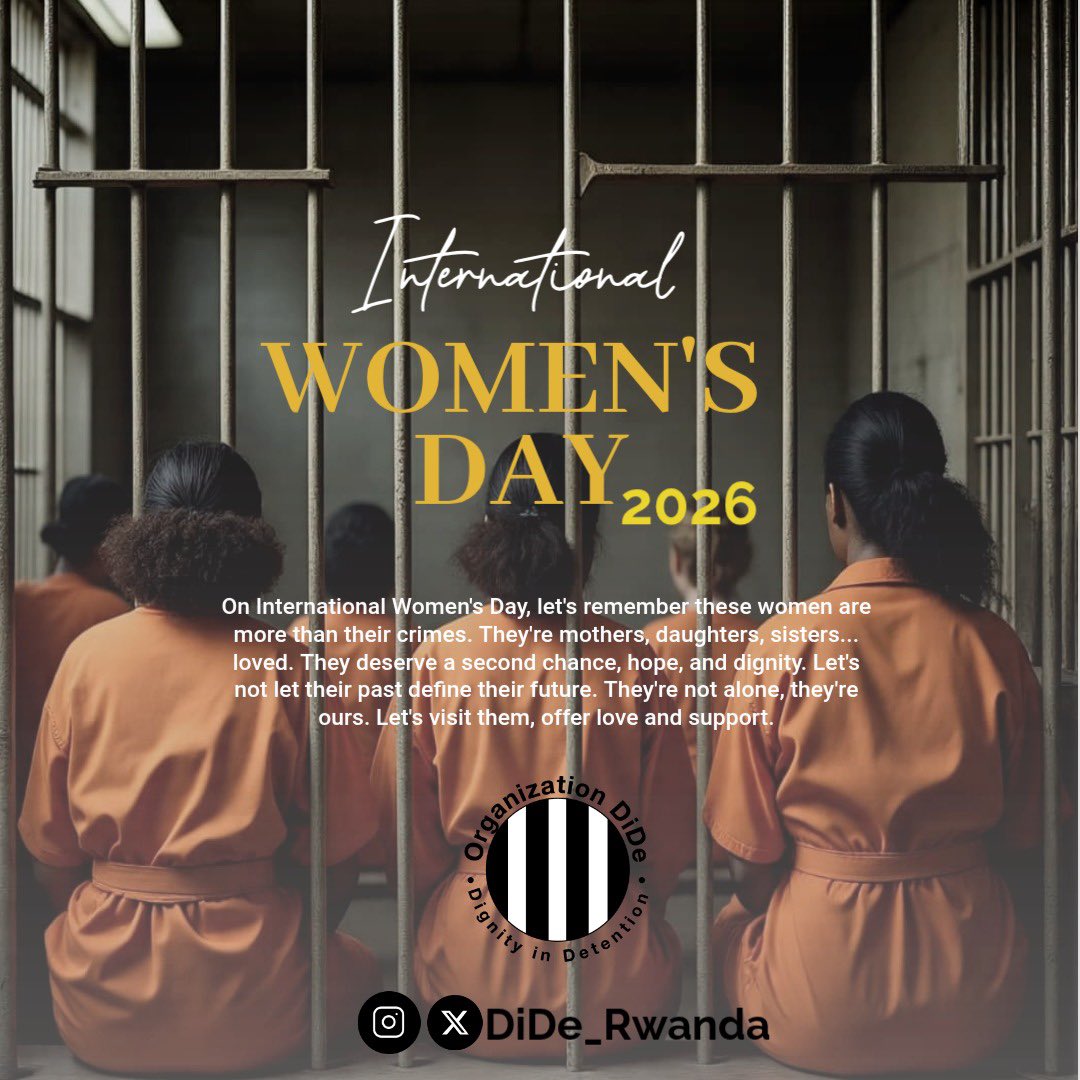
On International Women’s Day, let’s remember these women are more than their crimes. They’re mothers, daughters, and sisters. They deserve a second chance, hope & dignity. Let’s not let their past define their future. They’re not alone; they’re ours. Let’s visit them and offer love & support.
International conference in Austria on “Learning from the Past, Shaping the Future: Remembrance, Reconciliation & Reintegration."
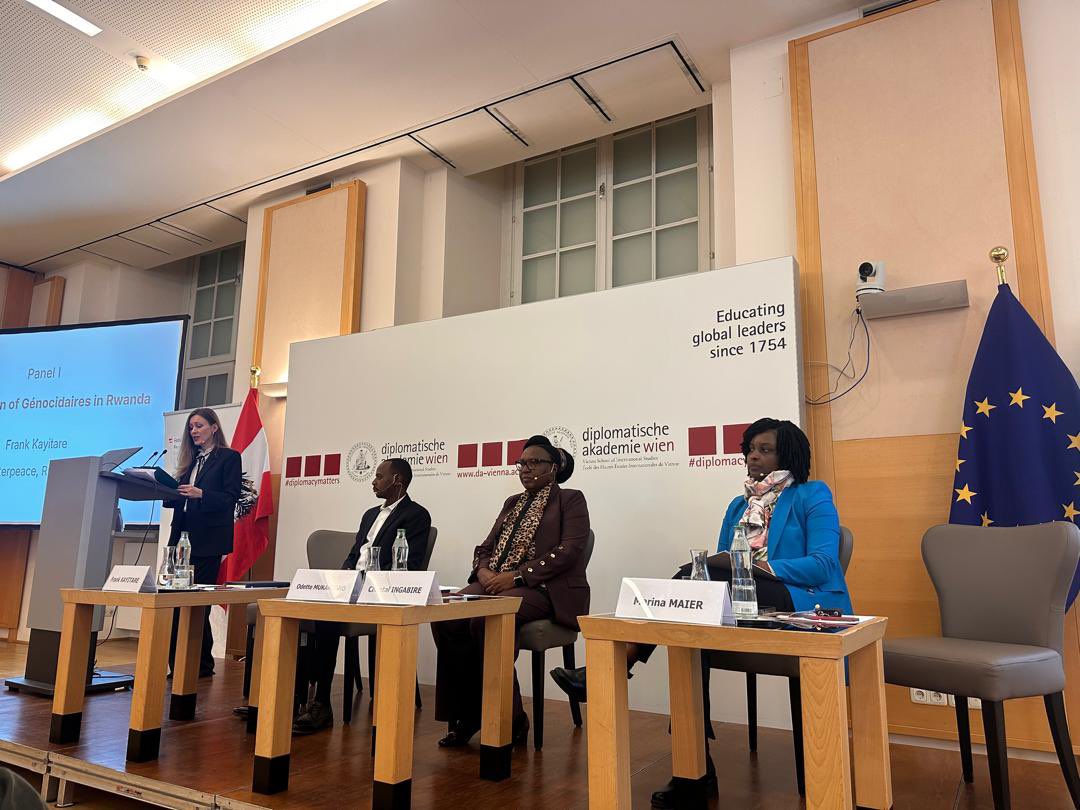
On March 23, 2026, the Executive Director of DIDE participated in an international conference in Austria on “Learning from the Past, Shaping the Future: Remembrance, Reconciliation & Reintegration—The 1994 Genocide against the Tutsi in Rwanda.”
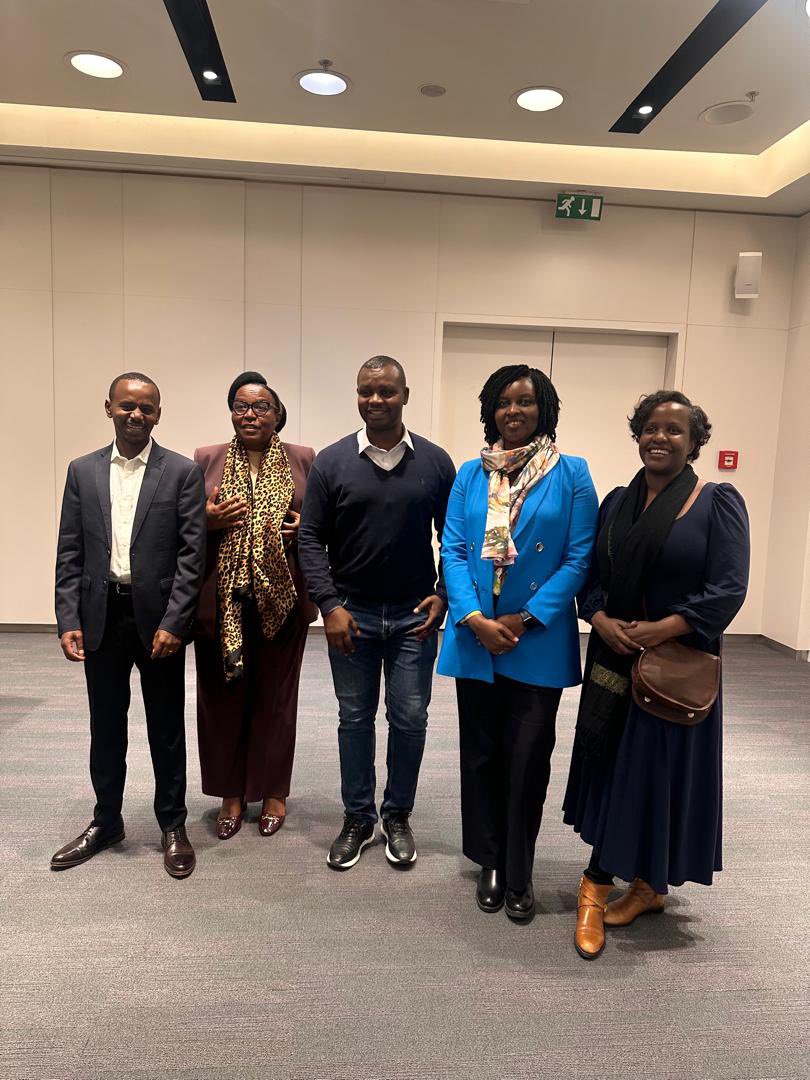
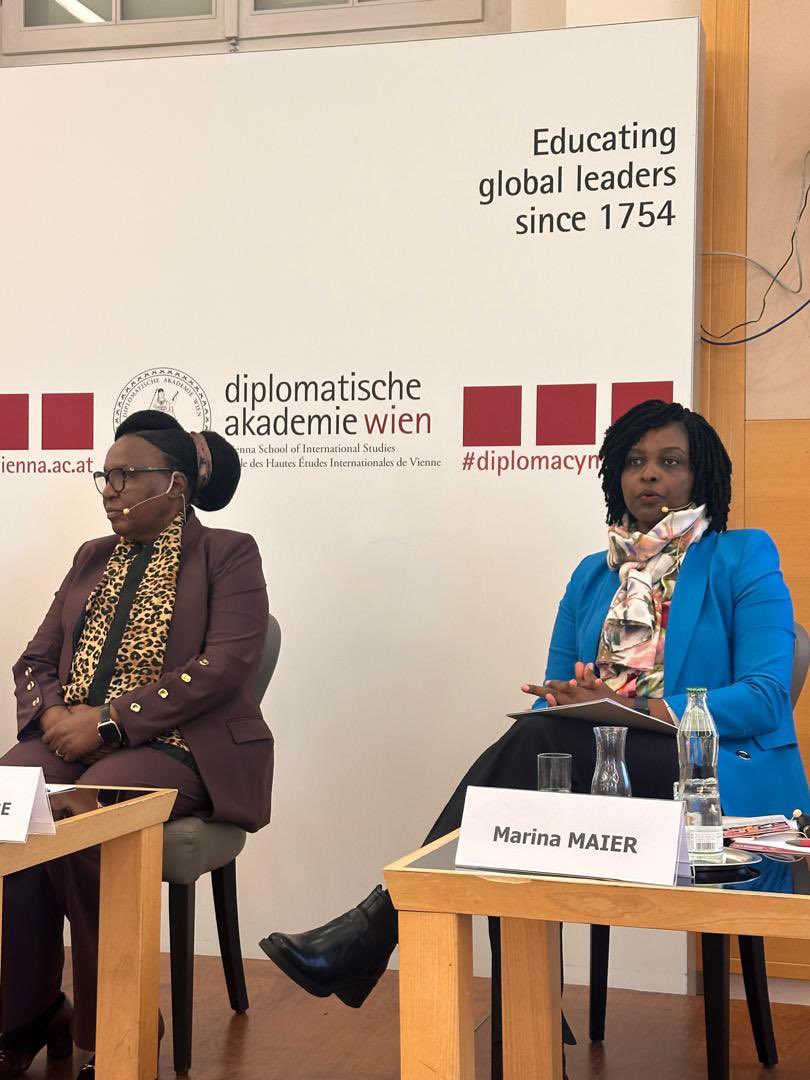
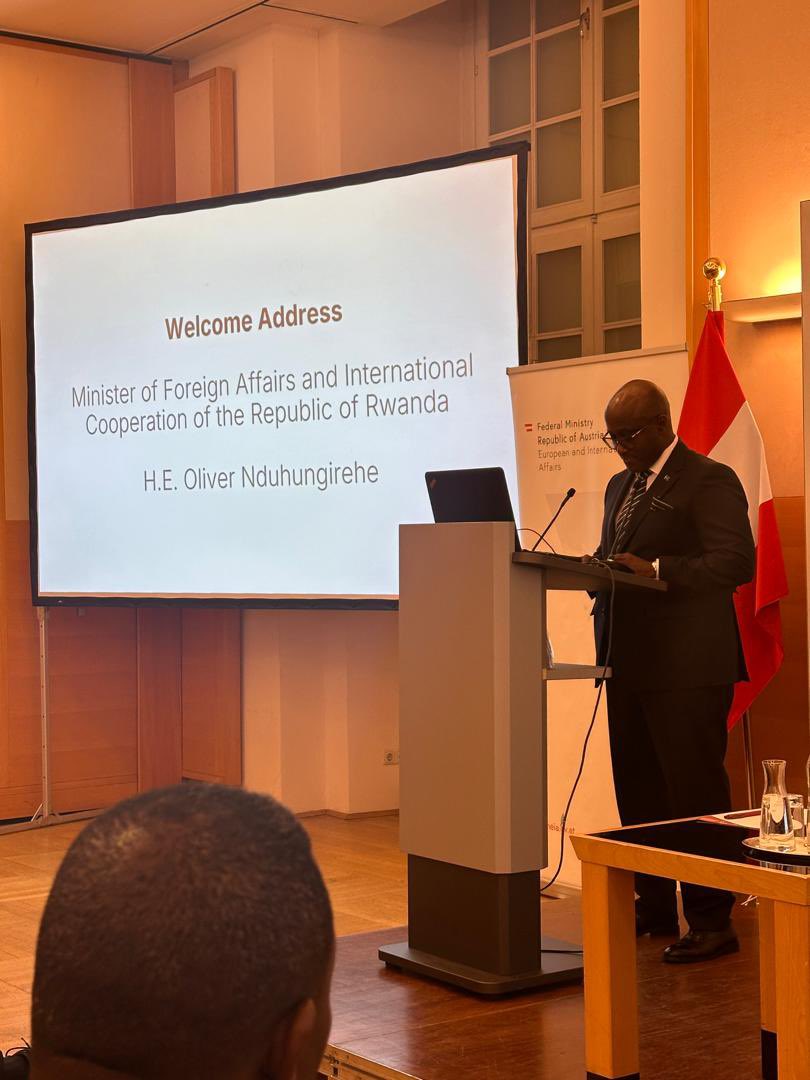
She highlighted the critical need to prepare the reintegration of women inmates convicted of genocide crimes, emphasizing healing and sustainable social cohesion.