FINALISED PROJECTS
Protecting Human Rights within Rwanda’s Criminal Justice System(Mageragere, Bugesera, Rwamagana, Ngoma and Nyagatare prisons)
- Training of peer educators: 250 peer educators in 5 prisons (Ngoma, Rwamagana, Nyagatare, Bugesera and Nyarugenge prison)
- Thematic training workshops for lawyers, judicial police officers, psychologists, judges, prosecutors, and RCS staff
- Mental Health and Psychosocial support (MHPSS) of prisoners who have been identified by prison psychologists and peer educators as being psychologically distressedRight-Awareness Campaigns in and around the 5 prisons
Bailleurs: European Union & British High Commission in Kigali
Period: 2018-2020
Contact email: [email protected]


Psychosocial rehabilitation and vocational training of women in Ngoma prison (2018-2021)
ECD for children under three
- Rehabilitation of premises (psychotherapeutic consultation room, ECD for children under three, literacy, workshops for vocational training)
- Train and supervise on a quarterly basis the inmates-supervisors and peer educators
- Care for women with mental health problems and ensuring a systematic follow-up
- Prepare for the release of the children who live with their mother in the prison
- Literacy program for women prisoners who can not read or write
Bailleurs: Wallonie Bruxelles International(WBI) & Direction du Développement et de la coopération Suisse-Kigali (DDC)
Period: 2018-2020
Contact email: [email protected]

psychotherapeutic consultation buildings
Mental health, formal education and vocational training at Nyagatare prison for juveniles (2014-2017, Financed by Swiss Donors)
- Nyagatare project followed a pilot project in mental health conducted between 2010 and 2013 in the Gitarama central prison.
- The first phase of the project (2010-2013) was dedicated to the rehabilitation of infrastructures and the acquisition of equipment,
- The second phase (2014-2017), which is the subject of this evaluation report, aimed at ensuring appropriate psychological conditions to prevent any abuse against minors and enable them to pursue education and vocational training programs
Bailleurs: Direction du Développement et de la coopération DDC, Republique et Canton de Geneve et Ville de Geneve
Period: 2013-2017
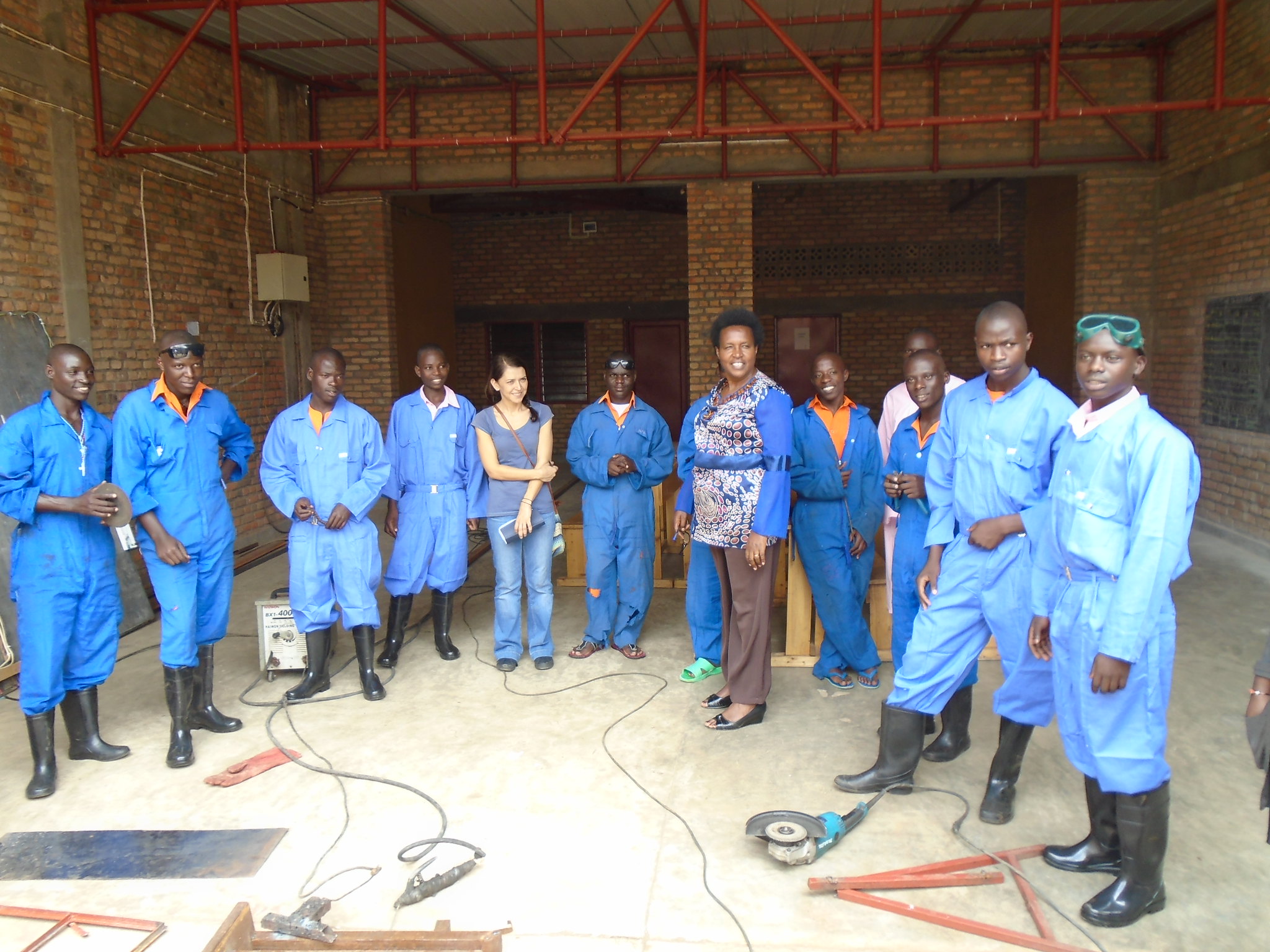
vocational training at Nyagatare prison for juvenile

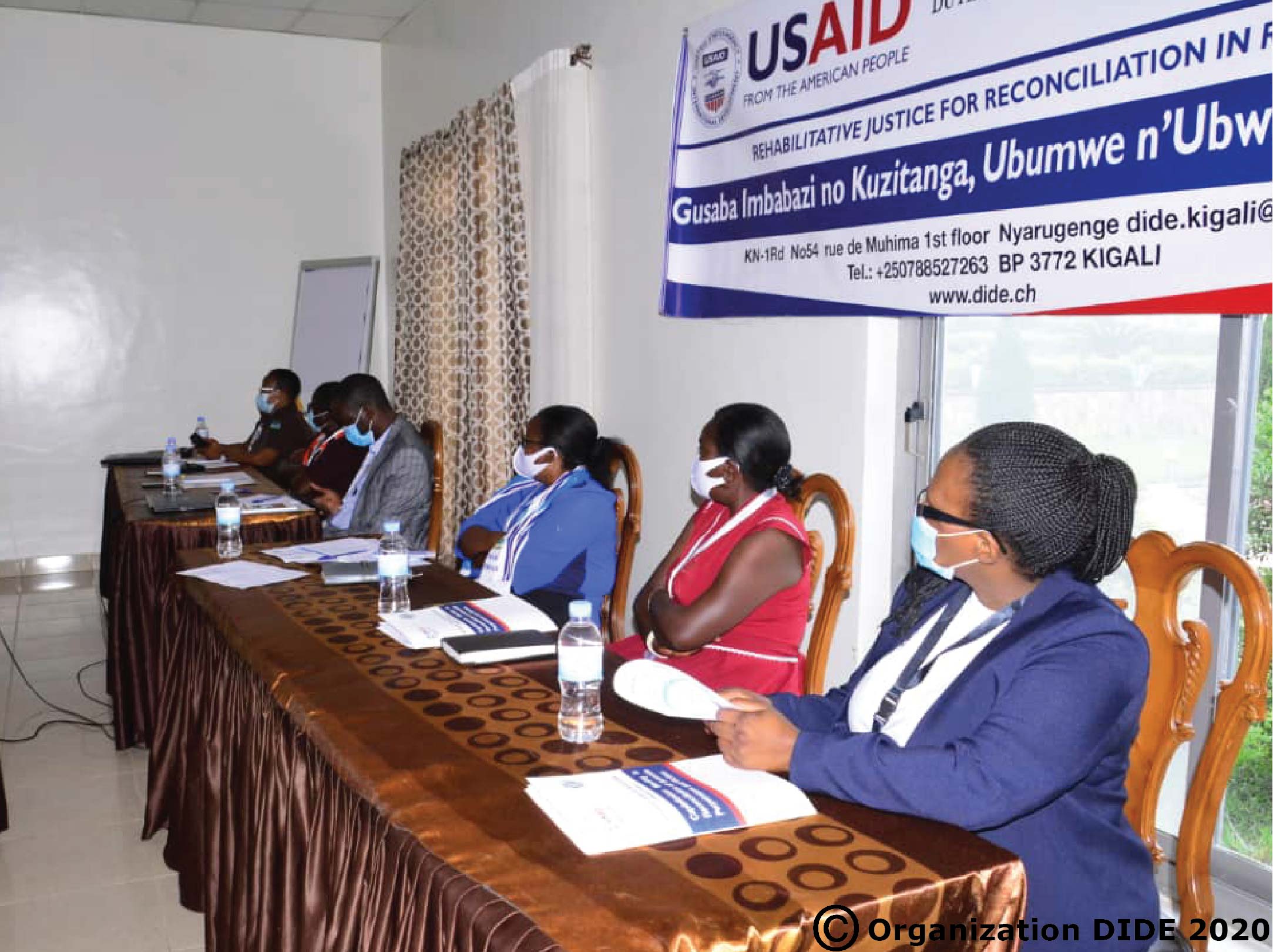
Rehabilitative Justice for Reconciliation in Rwanda, 2019-2020 (Financed by the USAID/Dutezimbere Ubutabera (DIU) Activity)
- Psycho-social counseling and healing sessions for to-be-released prisoners Reconciliation education sessions in prisons between prisoners and victims/survivors in preparation of detainees’ reintegration within communities;
Bailleurs: USAID/ DUTEZE IMBERE UBUTABERA(DIU)
Period: 2019-2020
Contact email: [email protected]
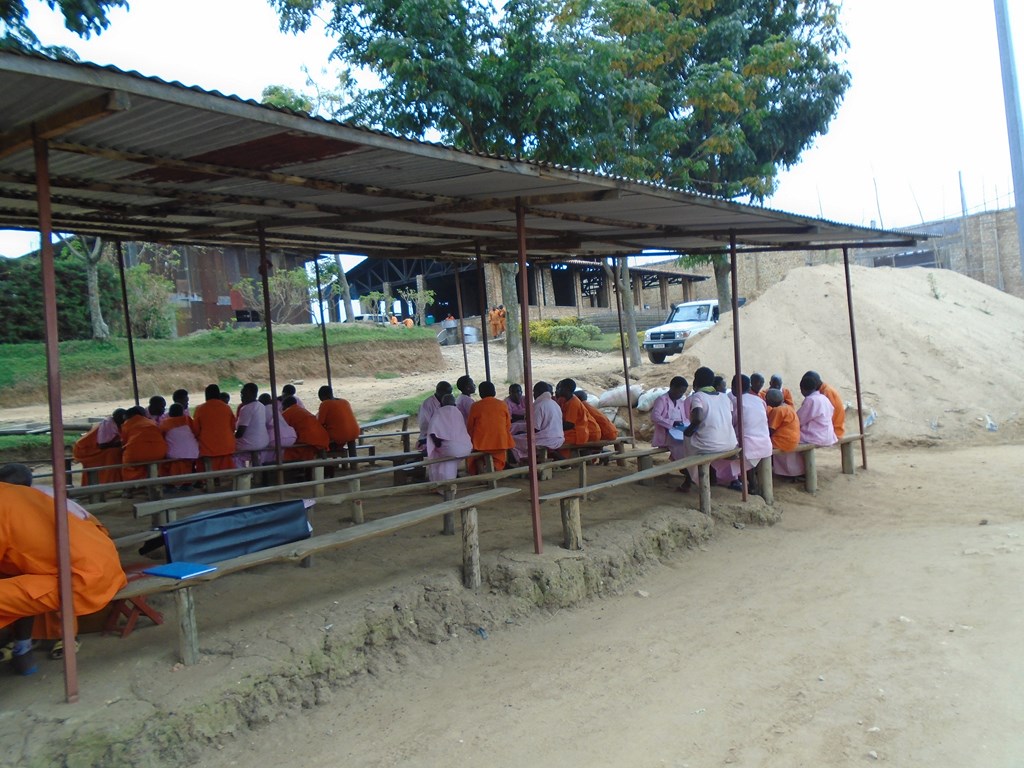

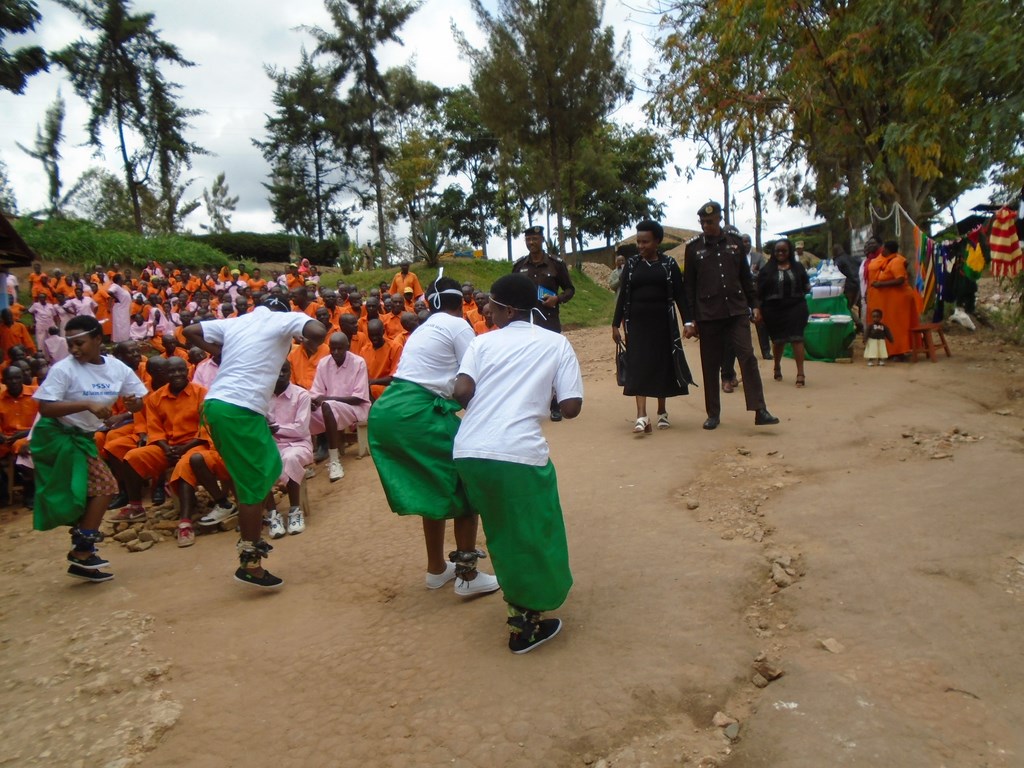
Rehabilitation and construction of Nyagatare prison for Minors
Bailleurs: Direction du Développement et de la coopération DDC, Republique et Canton de Geneve et Ville de Geneve
Period: 2010-2012
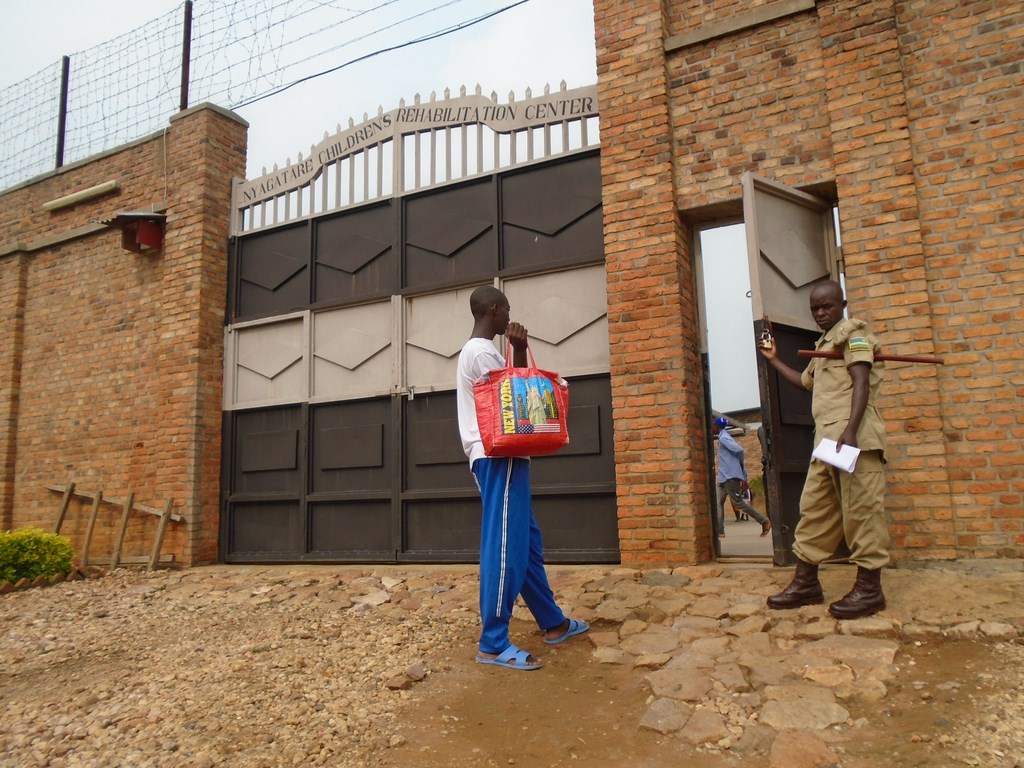


Encadrement des mineurs détenus au Rwanda
Bailleurs:Direction du Développement et de la coopération DDC, Republique et Canton de Geneve et Ville de Geneve
Period:2005-2009


"Rehabilitative Justice for Reconciliation in Rwanda Project"
The project pays particular attention to pregnant and breastfeeding women as well as those who do not neither read nor write.
Literacy and training activities are developed as well as various workshops, such as
sewing, embroidery, basketwork, hair braiding, manicures and pedicures, etc.
For children who have reached the age of 3, who according to Rwandan law must leave their mother still deprived of her liberty and therefore imprisoned, the search for a foster family and preparation for their reintegration, both family and social, has also always represented a important to the Foundation’s activity, including during this year.
Individual therapies
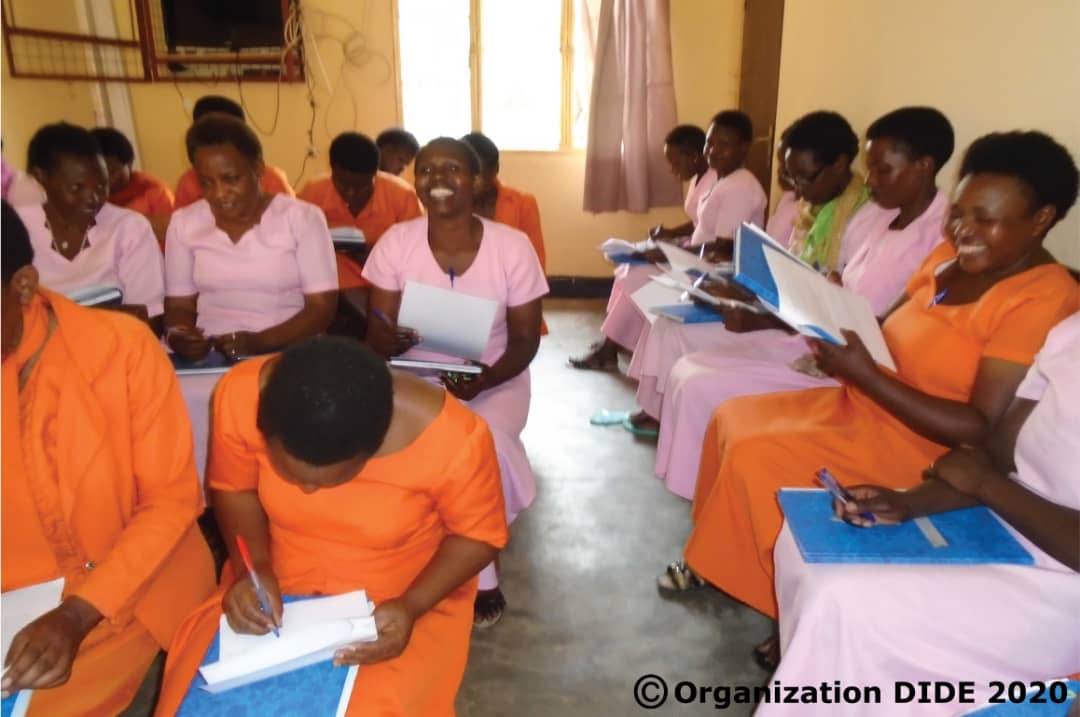
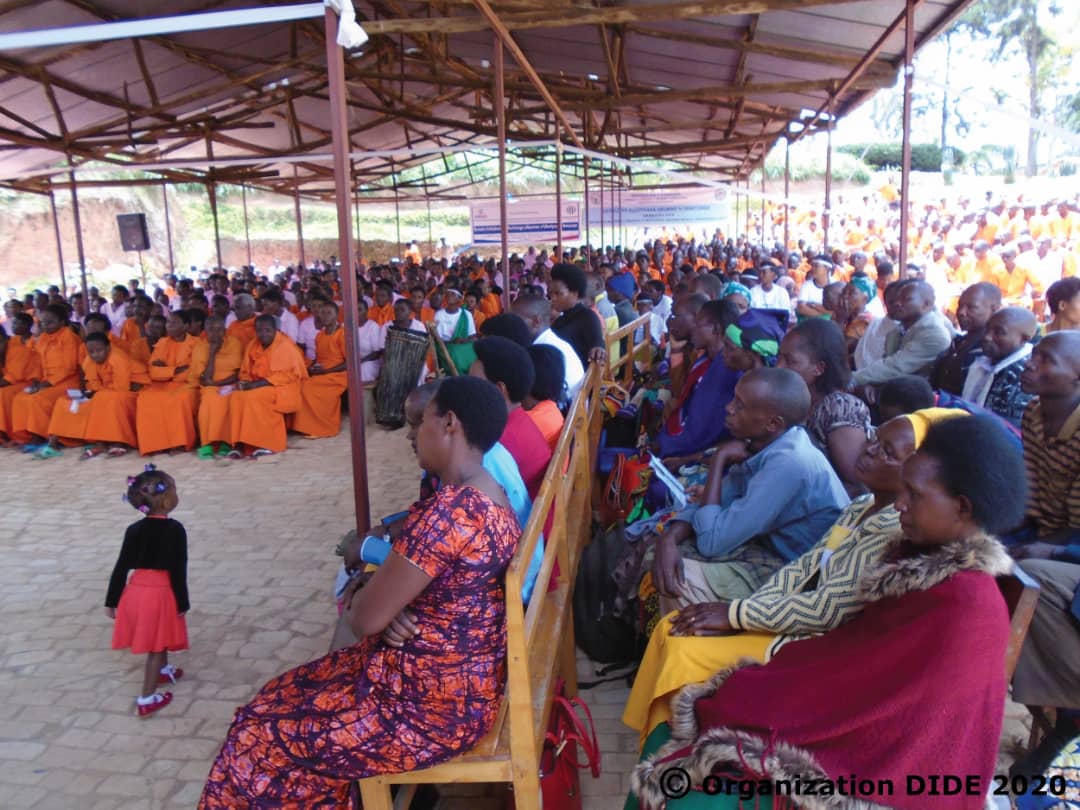
During the period from January to December 2019, the “peer educators” working in
as part of our projects identified 221 women who benefited from psychological care
and / or psychiatric in Ngoma women’s prison. Among these women, psychologists from prisons provided individual psychological support to 181 people; 19 women followed a individual therapy with a psychologist from DiDé and 21 other women were referred to the hospital in District.
REHABILITATIVE JUSTICE
Started in March 2019, this project called “Rehabilitative Justice for reconciliation in
Rwanda” aims to promote future social cohesion and peaceful coexistence between inmates about to be released and members of the future host community, between others, composed of survivors of the genocide and members of the families of the perpetrators.
The project targets 3 prisons in Rwanda, namely Huye, Nyamagabe and Rusizi
prisons and communities from Nyamasheke and Nyaruguru districts.
Initially planned for a period of 15 months, the project was extended to 18 months following the impact of the Covid-19 pandemic on the initial timetable. It is carried out with the financial and technical support of USAID / DUTEZE IMBERE UBUTABERA (DIU).
The establishment process was facilitated by volunteers who take care of the beneficiaries of the project on a daily basis with a view to accompanying them in their individual approach aimed at, for the detainees to ask for forgiveness and the granting of this forgiveness by the surviving victims of genocide.
The volunteers mentioned are, on one side, trained “peer educators”, selected prisoners who assist and accompany their inmates who have expressed a desire to ask for forgiveness and 15 who join therapeutic groups. On the other side, community volunteers/facilitators are trained to assist community members and accompany them in this process aimed at reconciliation by asking for and granting forgiveness.
Until March 2020, a total of 130 detainees had already asked for forgiveness, including 34 from Huye prison, 51 from Nyamagabe prison and 45 from Rusizi. 31 other inmates from Rusizi prison and 16 from Nyamagabe prison were ready to ask for forgiveness but the Covid 19 pandemic did not allow this to happen.
RECONCILIATION THROUGH FORGIVENESS
Since March 2019, Dignité en Détention (DIDE RWANDA) is implementing initially a 15 months modified to 18 months project called Rehabilitative Justice for reconciliation in Rwanda under the financial and technical support of USAID/ DUTEZE IMBERE UBUTABERA. The project is targeting 3 prisons of Rwanda, namely Huye, Nyamagabe and Rusizi and two districts:
Nyamasheke and Nyaruguru and is set up with a view to promoting social cohesion and peaceful coexistence between the soon-to-be released detainees from targeted prisons and community members, including genocide survivors, the family members of genocide perpetrators and globally with all community members from two districts of Rwanda.
Until March 2020, a total of 130 detainers already requested for forgiveness including 34 from Huye prison, 51 from Nyamagabe prison and 45 from Rusizi. Others 31 detainees from Rusizi prison and 16 from Nyamagabe prison are ready to request for forgiveness

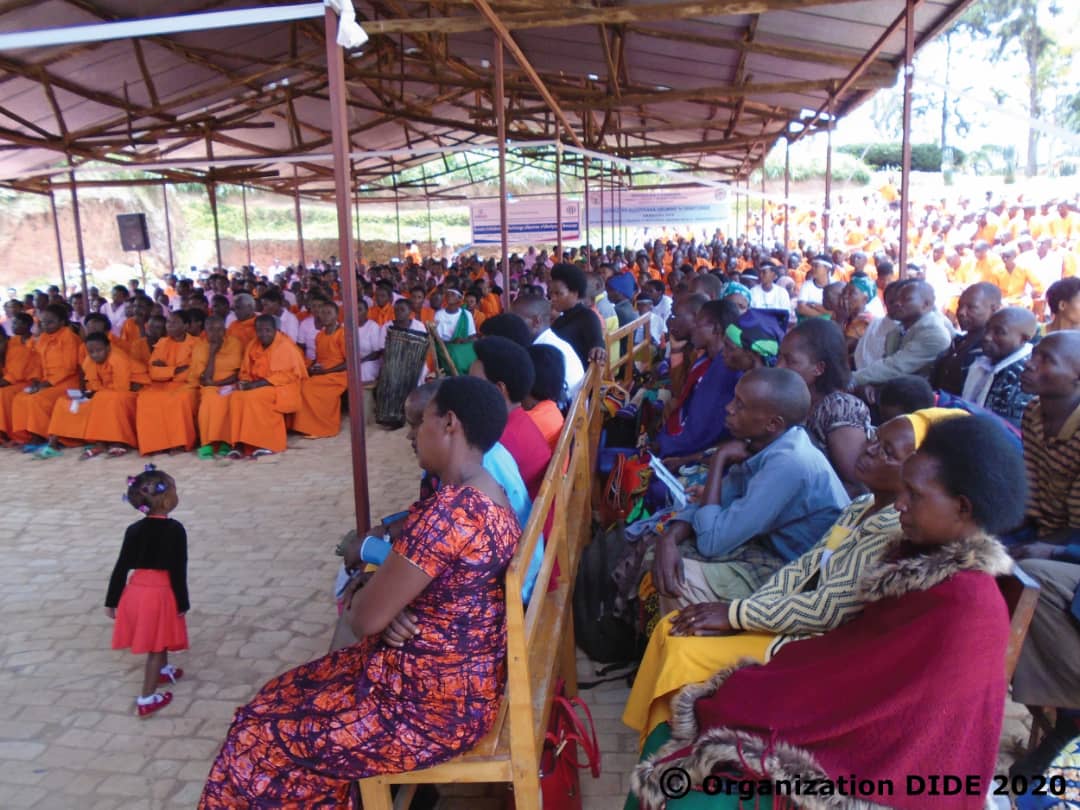
“Counseling” sessions in the therapeutic groups of prisoners in the prisons of Rusizi,
Huye and Nyamagabe.
The detainees accompanied in psychosocial counseling and healing sessions were those who were willing to follow a path to reconciliation sessions and join therapeutic groups.
In total, 437 inmates (including 328 men and 109 women) assisted by peer educators 90 were distributed in 34 groups.
To update the peer educators after the confinement period and insure a sustainability to the project, all peer educators received a fresher training. This was organized remotely in collaboration with RCS and prison authority
During the year 2019, many "counseling" sessions for therapeutic purposes as well as reconciliation sessions between detainees and victims, including those of the genocide, were conducted in Rusizi prison, for beneficiaries of the Nyamasheke district, in Huye prison for those of Nyaruguru district and in the women’s prison of Nyamagabe forprisoners hailing from the districts of Nyaruguru and Nyamasheke disricts.
During these reconciliation sessions, 132 victims granted pardon to these inmates, including 53 presented to Rusizi prison, 53 to Nyamagabe prison and 26 to Huye prison.
In total 94 inmates’ family members have been presented in those reconciliation events : 37 in Rusizi prison, 38 in Nyamagabe prison and 19 in Huye prison.
Activities during the confinement
During the confinement, activities of the project were conduct remotely: project focal points at prison level (Officers in charge of correction and education) were trained using Webex or Zoom platforms and they coordinated the group activities inside the prison compounds. They then reported to DiDe.
There were also meetings with RCS authorities, including Directors of the 3 Prisons covered by the Project.
Meetings with local authorities to agree on the project remaining activities
In August 2020, meetings were organized with concern prisons and districts aimed at
providing sufficient information to all stakeholders on the interventions in which they played a
role in one way or another. Meetings were planned before the closure of the project with the
intention of discussing how to ensure the sustainability of the intervention.
18
Different local authorities and community leaders who play a role in reconciliation attended the meetings.
Rapid assessment of the project
In October 2020, a rapid assessment of the achievements of the projecy was
organized as part of the phase-out strategy. This rapid assessment had to:
i) Identify the understanding of reconciliation process among beneficiaries
ii) Describe obstacles encountered in the reconciliation process and those still to be
overcome
iii) Define appropriate strategies to be used in improvement of further interventions
The assessment was conducted by a consultant who collected information in the project
documentation and interviewed various stakeholders (partners, direct and indirect
beneficiaries). A total of 36 persons directly involved in the project were met and they are
acknowledged for their availability and contribution.
2.3.3. Lessons learned and challenges
Succes stories:
– Due to group therapy, a lot of perpetrators who took part in the project have been
healed, rehabilitated and ready to confess their crimes.
– Perpetrators, who didn’t recognize their crimes during gacaca, pleaded guilty and most
of them acknowledged all the crimes they committed.
– Some of the perpetrators revealed places where bodies of persons killed during the
genocide against Tutsi are buried.
– Telling the truth and confessing contributed to the hope that genocide convicts, if
released, will live in peace with other members of the community.
– Prison’s staffs benefited from trainings offered, and are committed to make good use of
the knowledge acquired in the interest of rehabilitative Justice for Reconciliation in
Rwanda.
– Facilitators in community appreciate trainings received on how to: communicate with
antagonist people, listening, respecting individual decision taking. They also
appreciate the role they played/their contribution in the unity and reconciliation, hence
in the development of the country.
– The project was described by beneficiaries as a robust bridge between perpetrators,
victims and community.
– Community facilitators reported that Covid 19 has been an obstacle because some
persons they’ve worked with and were ready for dialogue could not meet their
counterparts.
8. Challenges noted in the project implementation
The short time allocated to the project and was disturbed by the COVIC_19 pandemic didn’t
allow:
– To connect physically all inmates who confessed their crimes to victims; - To assess the
real motivations of demanding pardon and the sustainability of the community dialogues
initiated;
– To overcome the resistance on both sides: perpetrators to plead guilty for their crimes
and the victim to digest the confession and be ready to forgive.
The project generated or highlighted new necessities such as:
– The need for training nurses in charge of psychological support in prisons; - The need
to extend the Rehabilitative Justice for Reconciliation in Rwanda project experience in all
prisons and communities of Rwanda.
– Prison’s staff used in the project wishes more support and incentives. They also
recommend extending trainings to all prison’s staff to facilitate serving prisoners in
the line of the “Rehabilitative Justice for Reconciliation” concept.
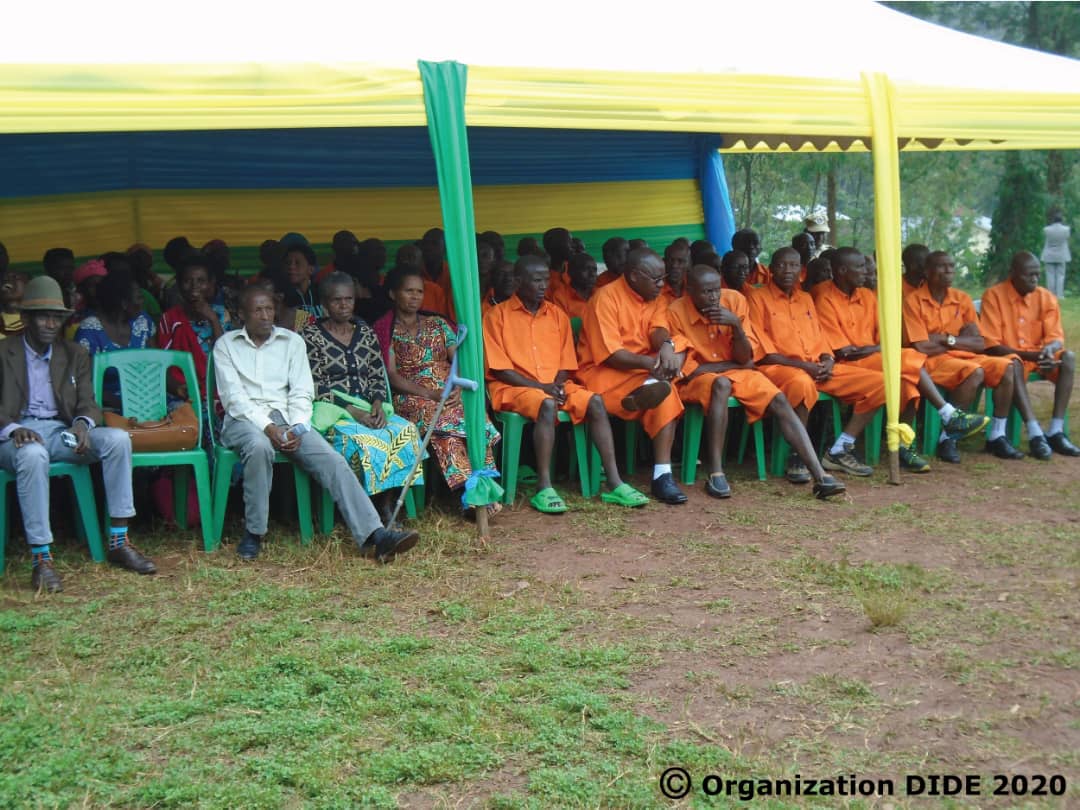


PROTECTING HUMAN RIGHTS WITHIN RWANDA’S CRIMINAL JUSTICE SYSTEM
Between January 2018 and January 2021, RBJ, IBJ and DiDé ensured the successful
implementation of the “Protecting Human Rights within Rwanda’s Criminal Justice System” project, overcoming considerable obstacles caused by the Covid-19 global pandemic.
Implemented in the prisons of Nyarugenge, Rwamagana, Bugesera, Ngoma and Nyagatare, DiDe activities this project specifically focused on psycho-social assistance for the most vulnerable detainees, strengthening of capacities of “Peer educators” as well as those of the prison staff of the Rwanda Correctional Service (RCS).
The project included the following activities:
1. Psycho-Social Assistance to detainees of the five prisons of Kigali and the Eastern
Province.
2. Training Workshops
3. Right-Awareness
4. Consultative forum
2.1. Psycho-Social Assistance to detainees of the five prisons
Training of prison staff 254 staff were trained in the 5 prisons covered by the project within four sessions per prison.
The trained staff include the prison’s administrative staff; medical and social services as well as guarding staff. Before the training began a training module was developed by DiDe’s consultant psychologist in collaboration with the project psychologist.
Through a methodology that encouraged active participation and group work, the 69
participants were able to increase their understanding of the mental health of detained persons they also understood what "institutional cure" is and their role as prison companions beyond their various responsibilities and committed themselves to changing their behaviour and improving relationships with people in detention.
dentification and training of "peer educators"
At the beginning DiDé recruited 250 peer educators, including 33 women and 5 minors taking into account the population of each prison. Nyarugenge prison(85),
Rwamagana(100), Bugesera(45) , Ngoma(15), Nyagatare (5minors) in addition to adult who have been trained previously by DiDé.
During the project implementation period, some trained peer educators have obtained parole or presidential pardon, and it is in this context that other 58 new peer educators were trained 13 too to strengthen the team of peer educators already trained. Those are 20 women of Ngoma prison, 38 at Nyagatare Juvenile prison including 2 women and 2 minors. The idea was also to fill the gap after the release of those peer educators who have been granted parole. The total number of peer educators trained is 308 including 55 women and 7 minors.
Identification and treatment of cases requiring psycho-therapies
The identification of detainees in psychological distress is done by peer educators. The identification channel was becoming more and more solid as it is demonstrated by its efficiency. In addition to the identification work, five diagnostic tools have been developed and translated into Kinyarwanda by the consultant psychologist in collaboration with the project psychologist.
From January 2018 up to December 2020, 4989 cases requiring psychological assistance were identified in the 5 prisons and have been provided with mental health and psycho-social support. Among these cases, 3935 cases have been taken up individually by the prison psychologists (also trained by the project), 322 persons followed individual therapy with DiDé psychologist and 732 cases in need of psychiatric assistance have been referred to the District hospital or to the neuropsychiatric hospital for psychiatric assistance.
In 2020, 2417 people were identified in the 5 prisons and provided with mental health and psycho-social support.

Rights awareness campaign at Nyagatare prison
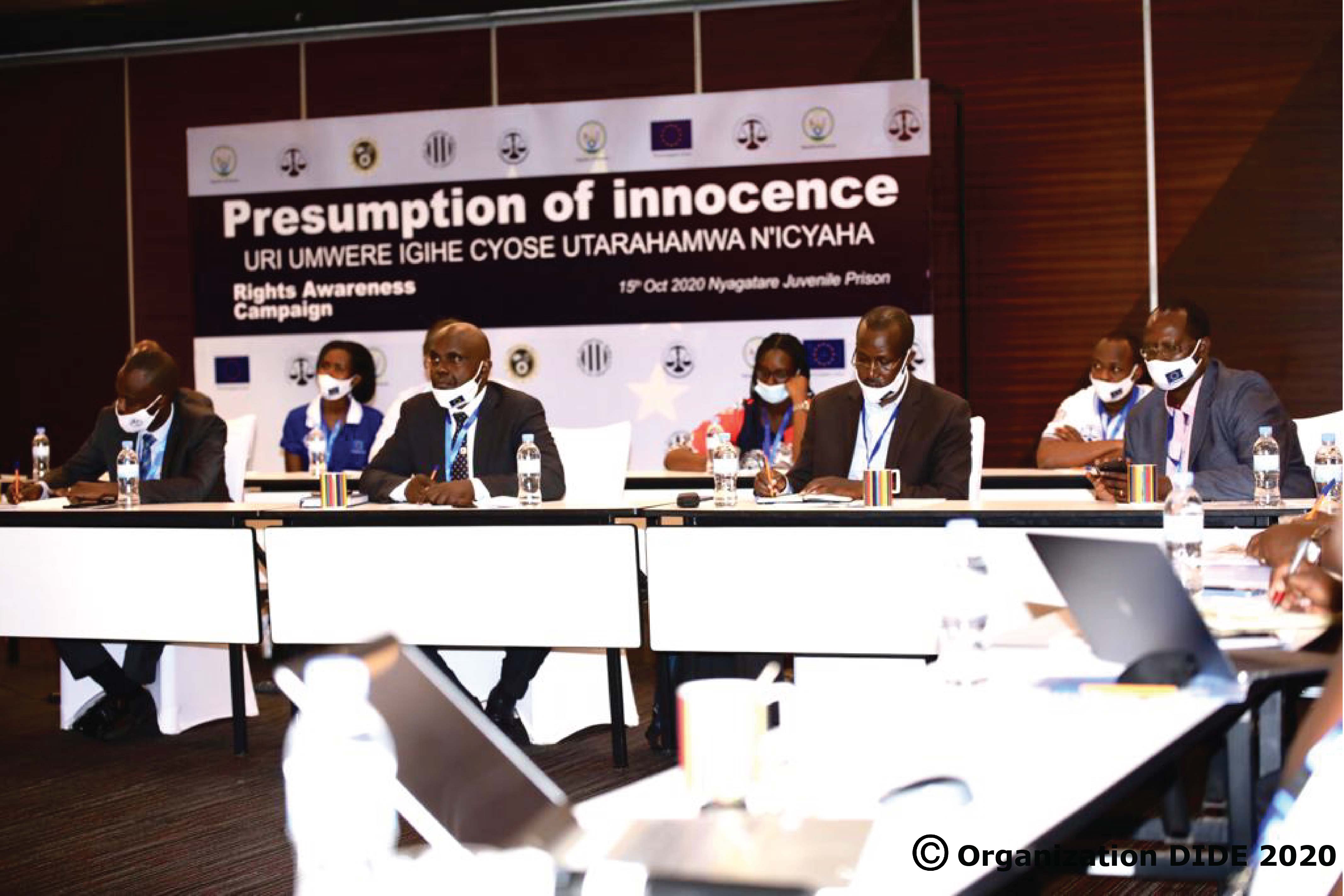
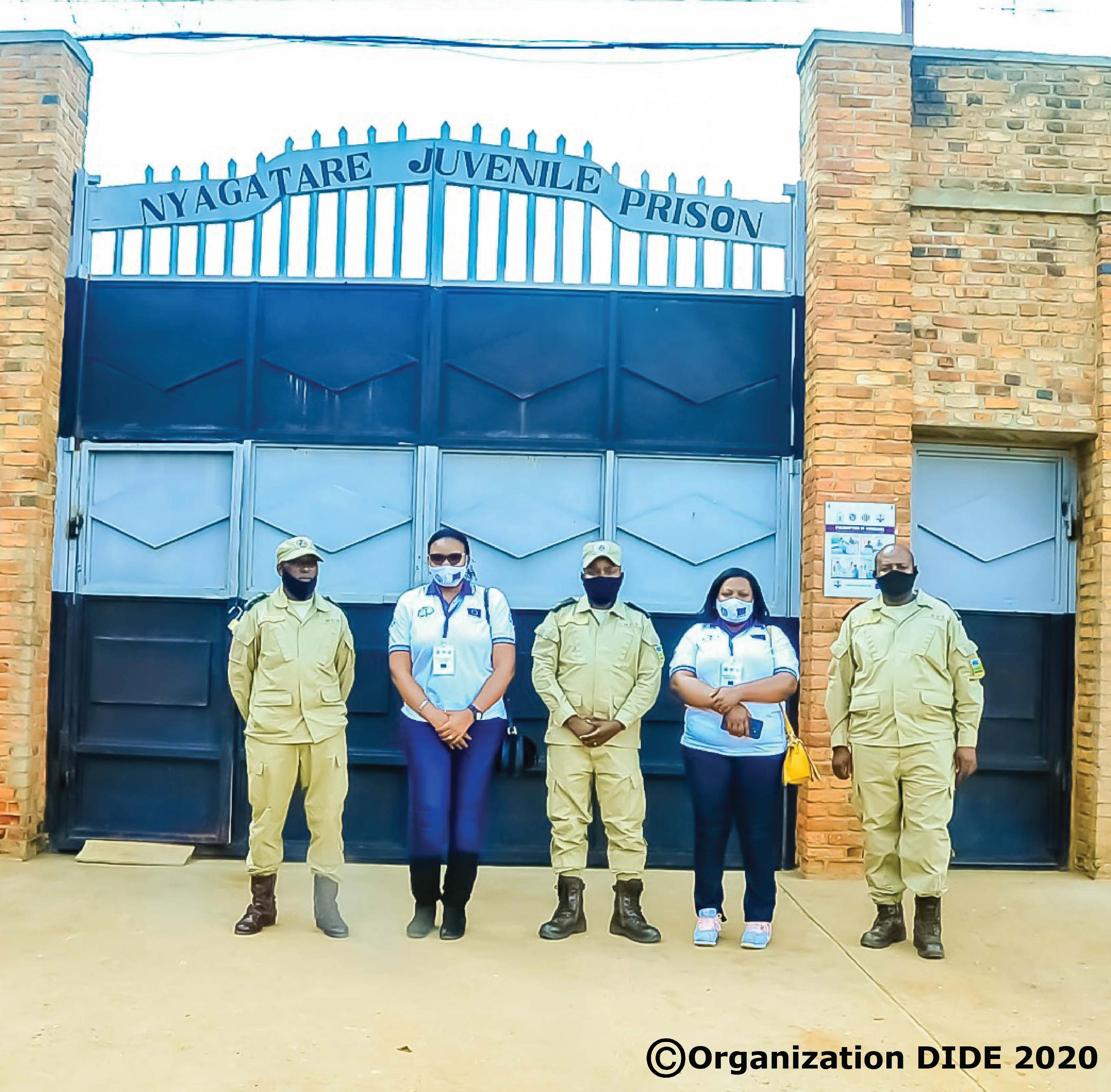
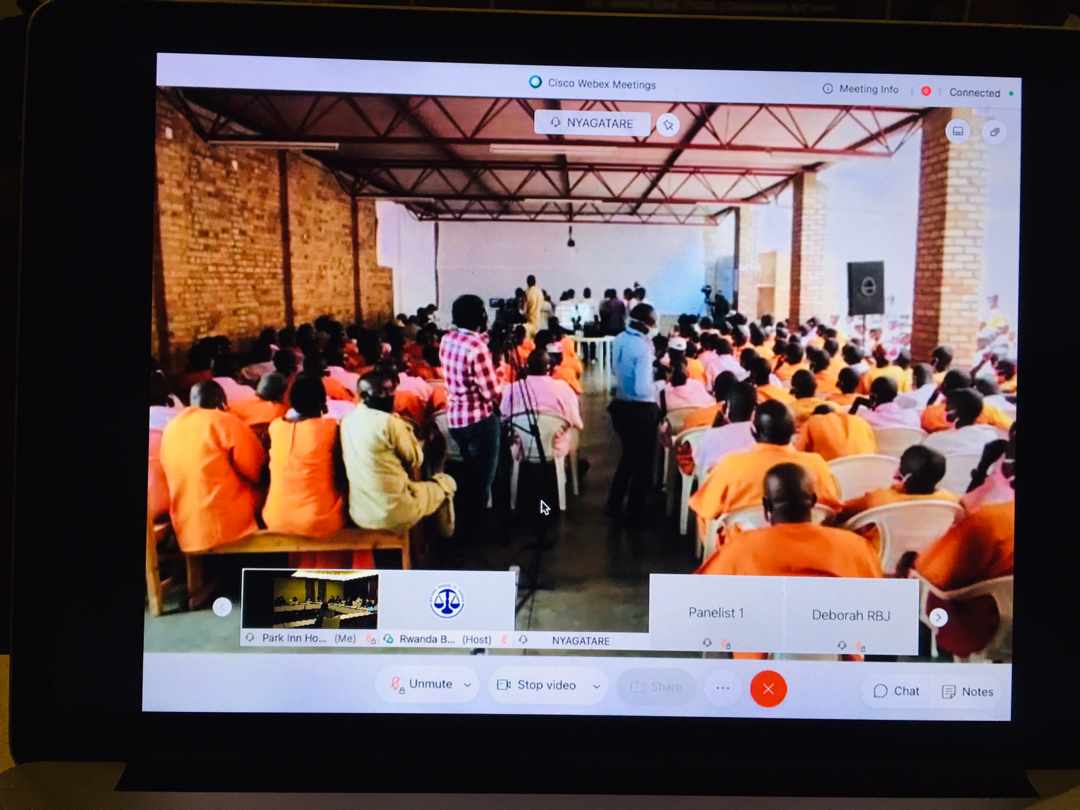
One last rights-awareness events took place at Nyagatare Juvenile prison in October 2020.
Due to Covid-19 pandemic, this event was organized partly on-site (2 staffs of DiDe and RBJ present at Nyagatare prison premises) and partly online (invitees gathered at Radisson Hotel in Kigali and linked by Video to Nyagatare event).
Awareness campaign on the rights of detainees via radio broadcasts
The campaign carried out by the DiDé in partnership with Rwanda Bridges to Justice (RBJ) in support of the Rwandan authorities aimed at improving the criminal justice system.
In total, 8 15-minute radio broadcasts were produced, four of which were directed by DiDé and four directed by RBJ. They were broadcast every week for a period of 2 months (October November 2019) on “Radio One” in Kinyarwanda. The broadcasts were moderated by the Delegate of DiDé and / or the Director of RBJ and involved various national and local experts speaking on the various subjects discussed during them.
EARLY CHILDHOOD DEVELOPMENT
Early Childhood Development (ECD) Center
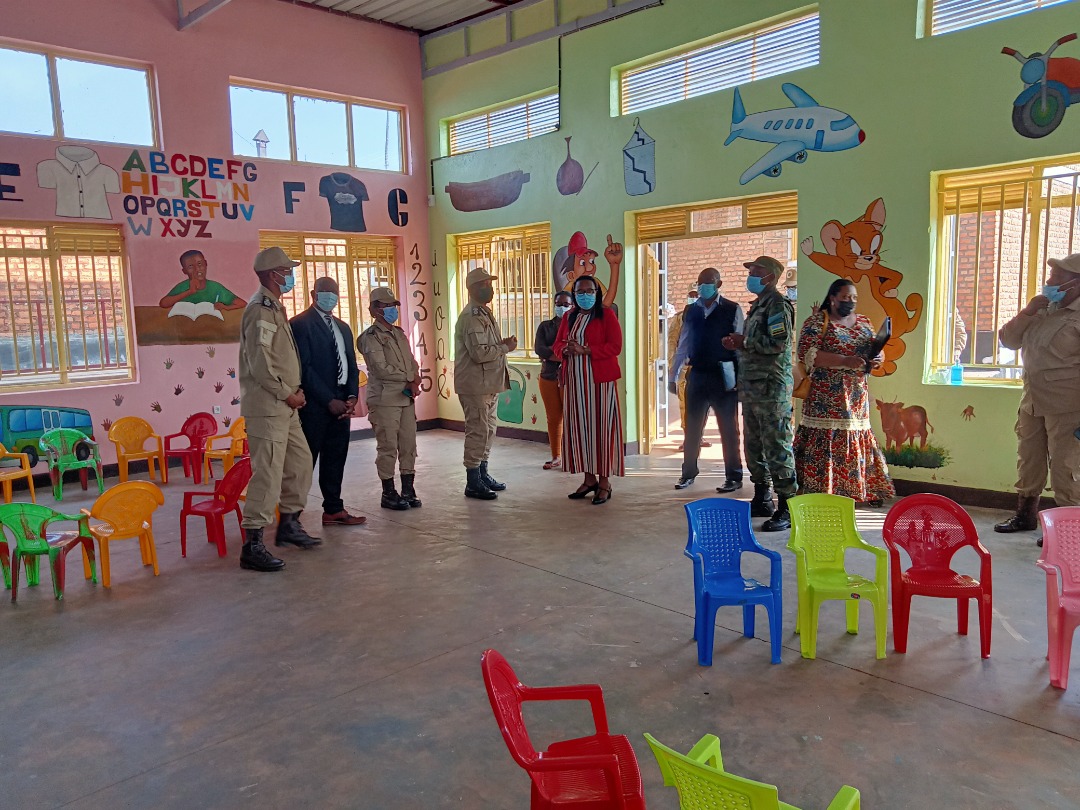
The project has contributed in the extension and equipment of the ECDC compound. A new hall was constructed to facilitate indoor activities, a kitchen and sanitary blocks were added to the existing settings.
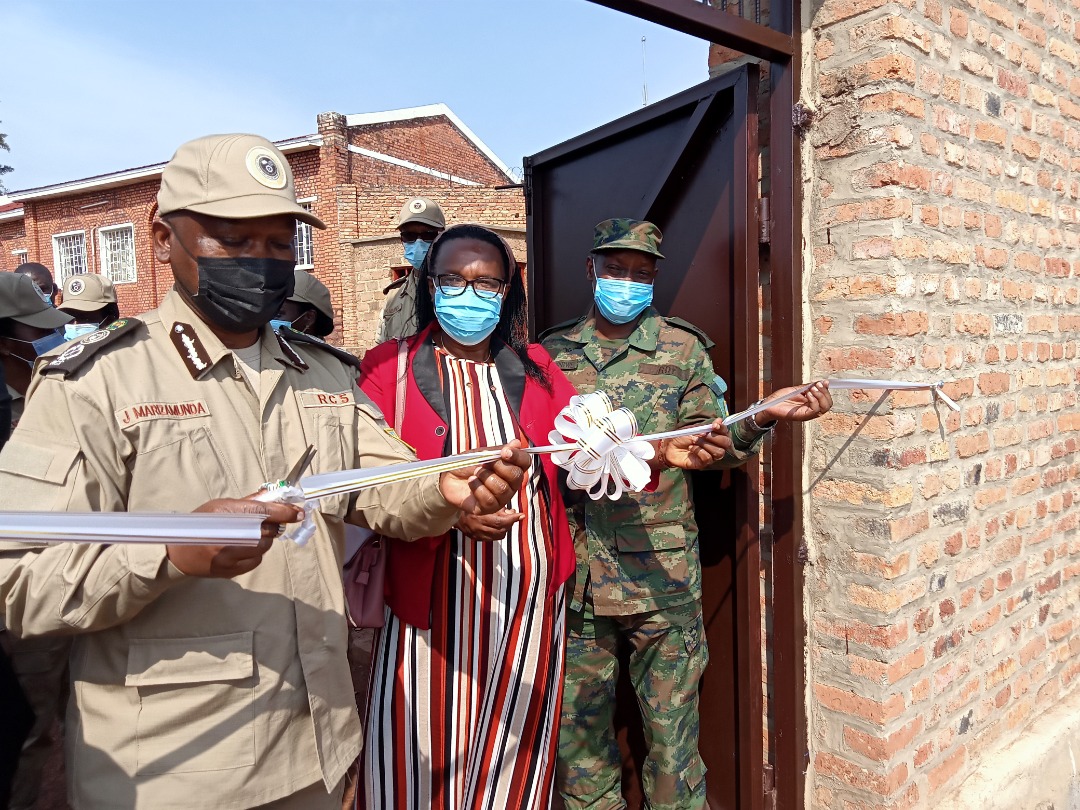
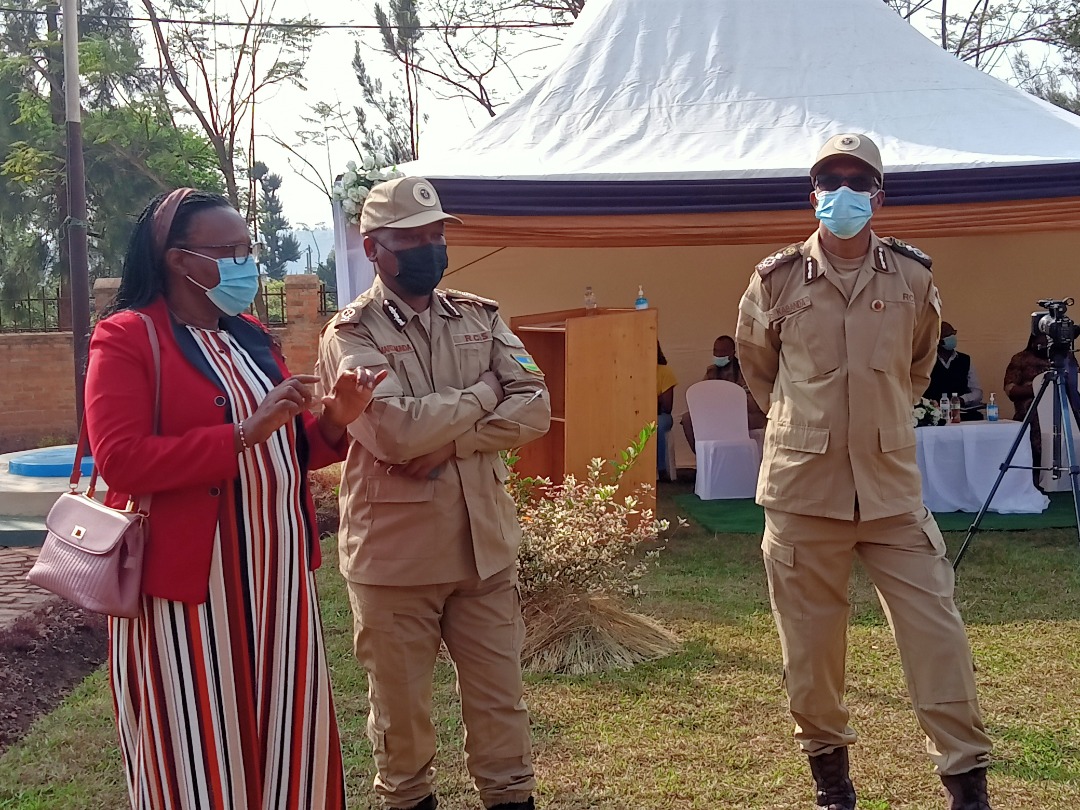
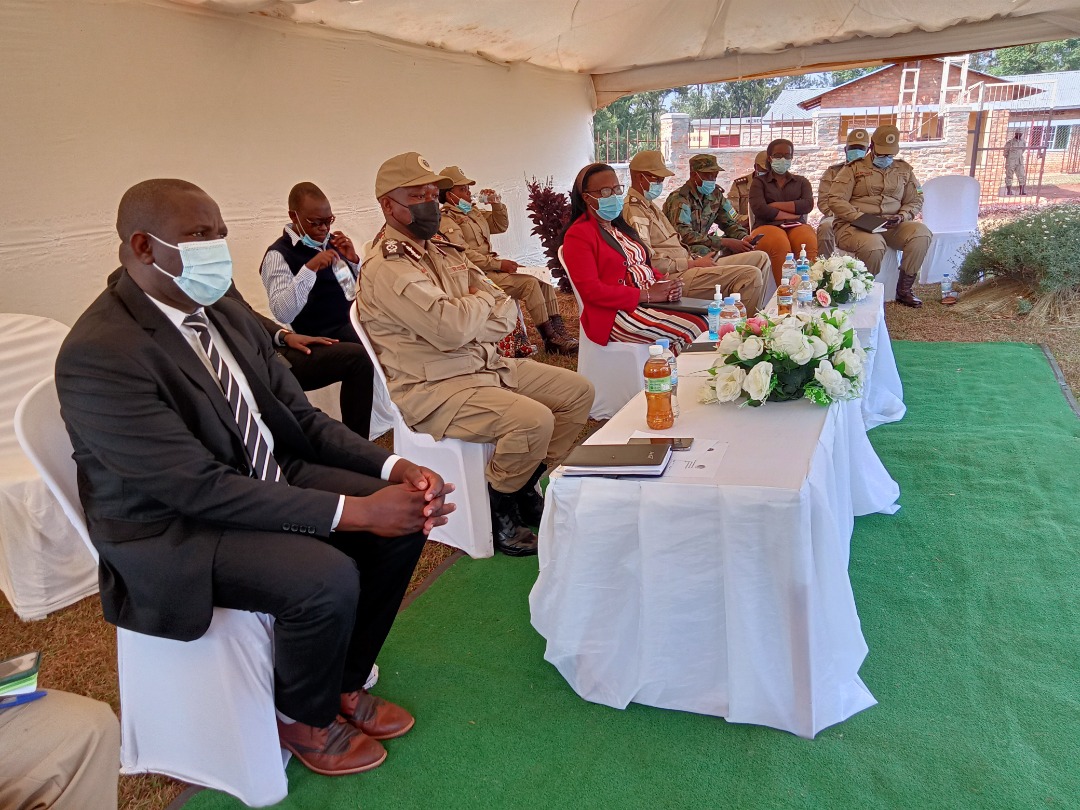
Organization DIDE in collaboration with RCS open the ECD officially at Ngoma women prison
the school will give education to children living with their mothers inside the prison and it will provide a good open space for children.
those children will receive nursery education as other outside kids and they will learn same lessons as others in the society.
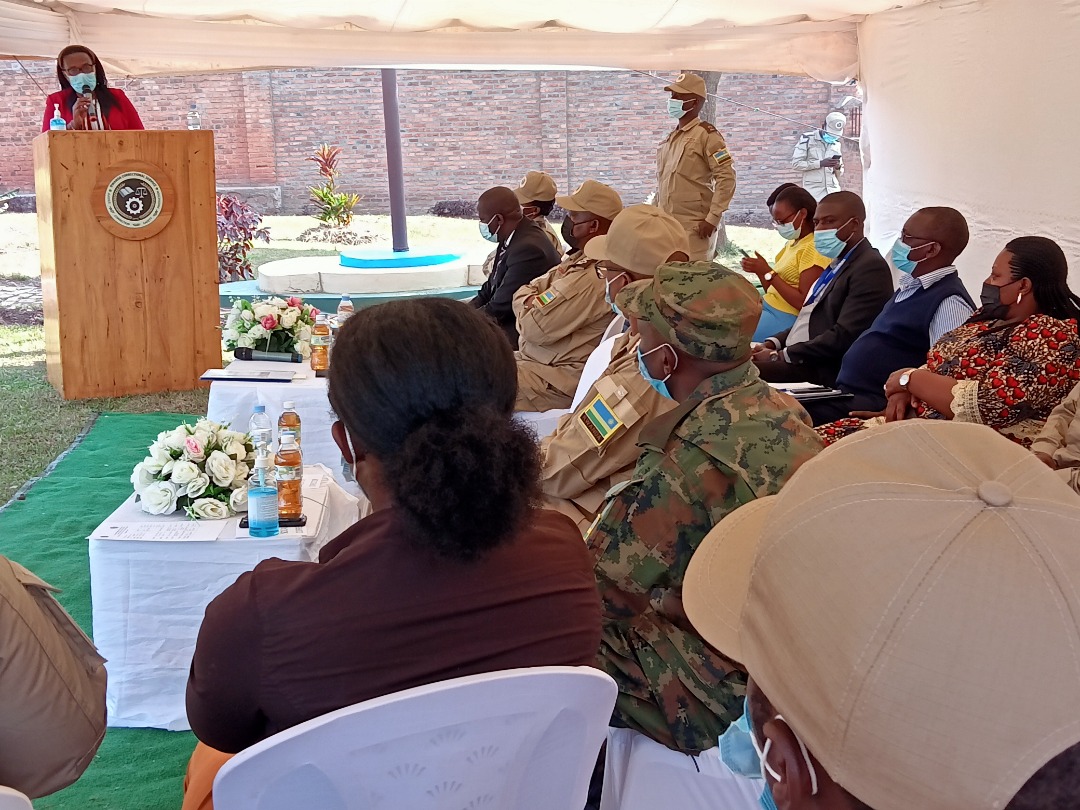
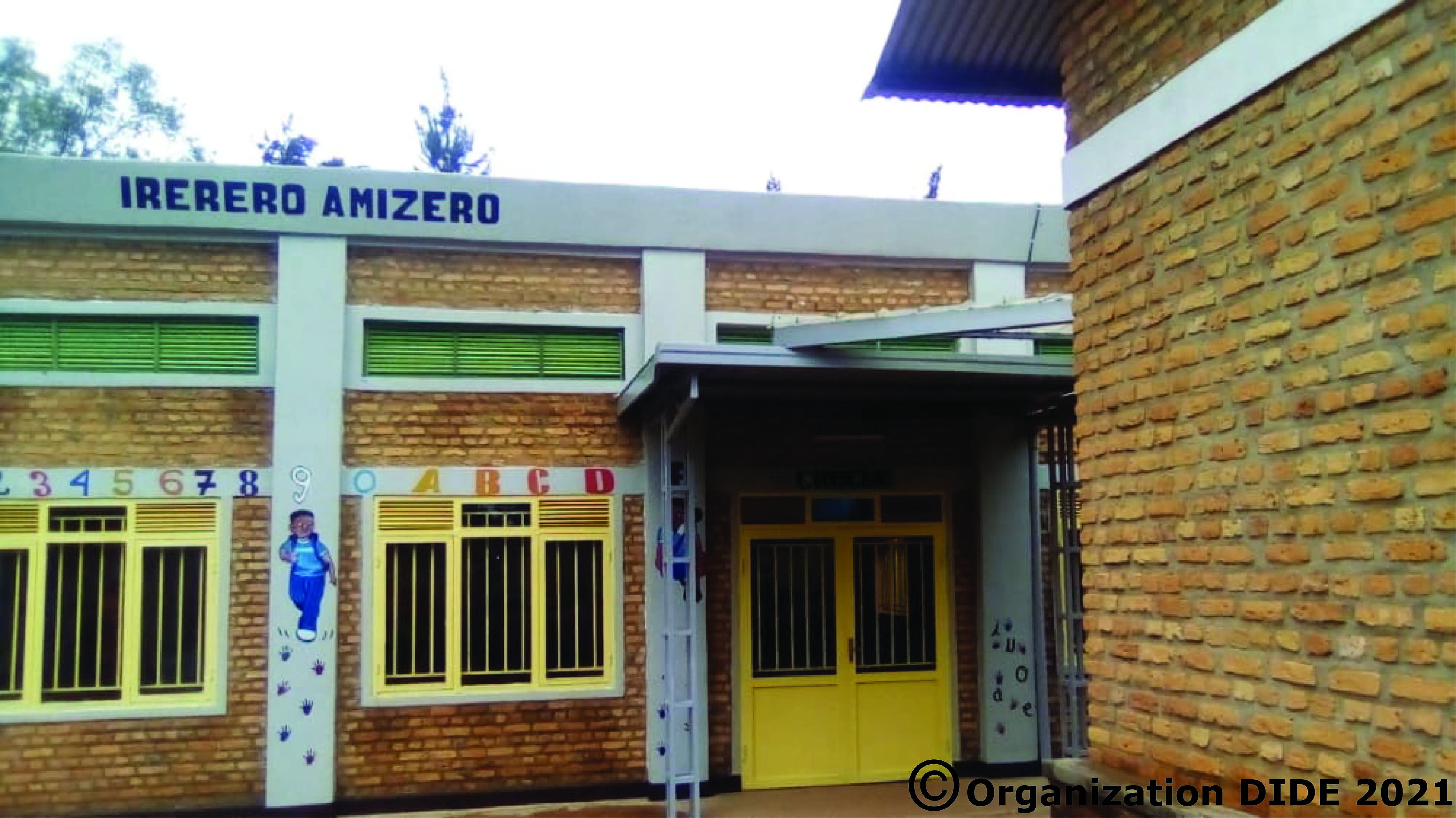
Like Dide promote Dignity for people in detention the kids are also important to look at their lives, the construction of the ECD took at least 140 millions Rwf, it has two main areas where there is a nursery room and the library with the kitchen where those children play during recreation, and the other part has a school for workforce, including handcraft and others.