News
DiDé Flash Info - November 2018
The DiDé organization in 2018
2018 represents a year of changes for the Foundation and for the activities developed in Rwanda. This year was marked mainly by the end of the project carried out since 2014 in the Rehabilitation Center for minors of Nyagatare and the start of the project for women prisoners, in particular those living with their young children, in the Prison for women of Ngoma.
Nyagatare Rehabilitation Center for Minors
The project, started in 2014 and lasting three and a half years, officially ended in December 2017; DiDé officially handed over the equipment to the Rwandan prison authorities during 2018. Focused on providing comprehensive support for detained minors and support for restoring links with the outside world , the project made it possible to ensure quality care for these minors and to facilitate their reintegration into society.
Thanks to this project, more than 400 minors and young adults have benefited from:
quality school education recognized by the Rwandan authorities or professional training in welding, masonry, carpentry, sewing, hairdressing and computer science;
support in psychosocial terms, or even mental health care adapted, when necessary, to individual needs;
group activities, such as theater-forums, artistic workshops, civic workshops and sports activities;
support for restoring and maintaining links with family and loved ones, including reimbursement of travel expenses related to visits;
the delivery of basic school or professional materials in the form of kits in support of reintegration actions.
Finally, to allow local actors and partners to appropriate the approach proposed by the Foundation and to ensure its continuity in the center, DiDé employees have specifically worked on the training of psychologists, trainers and staff of the center , as well as raising awareness of local and national authorities responsible for prison management.
The whole project, with a total budget of CHF 1’020’800.08, was made possible thanks to your generous contributions, which is why we thank you.
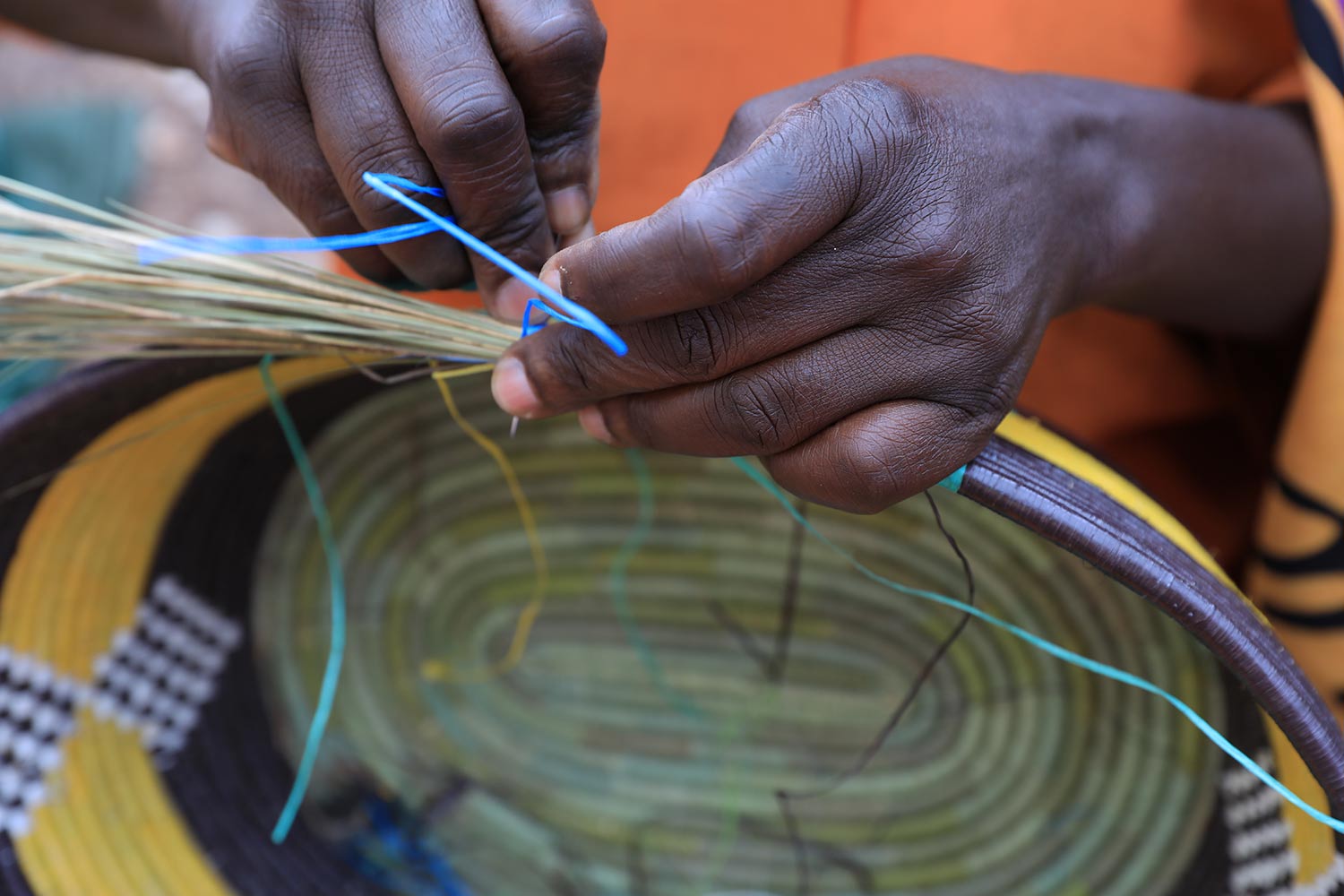
Arts and crafts
Ngoma Women’s Prison
A new project started in January 2018; it is led by the DiDé team in Rwanda in partnership with the city of Leuze (Belgium) and Wallonia-Brussels International. The first financings were granted by the European Union, Wallonia-Brussels International and by the British Embassy in Rwanda. This project focuses on the needs of women in detention and those of the children who accompany them.
Rwandan law provides that children under the age of three accompany their imprisoned mother, and they therefore evolve in a context of private psychological and social support, and without the possibility of establishing links with the outside world. Based on the approach developed by DiDé over the past years and implemented in other contexts, the project intends to meet the specific needs of its beneficiaries, focusing in particular on:
- the creation of a psychosocial consultation room, a training room and a crèche;
- school education and professional workshops to support these women who are currently three quarters of them, either illiterate or without primary education completed;
- the development and implementation of a psychosocial and mental health support program;
- a program to restore ties to family and loved ones, as less than one in ten women are currently visited.
During the first six months of the project, the following achievements were achieved:
- the study and planning of interventions to bring to current structures, in order to create classrooms as well as the crèche;
- the purchase of equipment and the repair of sewing machines, with a view to creating a professional training workshop, which will start operating in early 2019;
- awareness and training of prison staff in the area of mental health prevention, and their role in psychosocial support for prisoners;
- an assessment by psychologists of the mental health needs of women prisoners, as well as the development and translation into Kinyarwanda of several diagnostic tools;
- the purchase and provision of two mobile phones for female detainees to call relatives and family members;
- the establishment, in collaboration with local actors, of a program preparing for the integration and monitoring of children who have reached the age of three and who leave prison to live with guardians.
For a better understanding of the activities carried out, we invite you to watch the film made by DiDé on the Nyagatare project.
DiDe Flash Info - December 2018
Ngoma Women’s Prison
The activities planned within the framework of the psychosocial reintegration and vocational training project for women detained in Ngoma prison continued according to the plan initially established. The summer and early fall were characterized by the start of construction work. This work, in partnership with the Rwanda Correctional Service (RCS) - through the provision of labor - aims to create spaces intended to host the craft training and literacy classes.
In addition to this work, the DiDé psychologist, in collaboration with the prison psychologist, is working on the development of a support system for detained mothers. Both focus particularly on strengthening the skills and knowledge of the “educating pairs”.
The “educating pairs” are prisoners who have been selected in order to be able to support the work of psychologists, in particular with regard to setting up group activities. They also allow the identification of women and children requiring more individualized monitoring. The “educating pairs” follow a series of training courses focused on the importance of mental well-being, on the “mother / child” relationship, as well as on the identification of symptoms related to psychological disorders in infants. age. The aim of these training courses is to provide “educating pairs” with the basic tools to support prisoners and their children.
Activities related to the monitoring of children who have reached the age limit of 3 and who have to leave the prison continue regularly. Thanks to the collaboration between the DiDé Foundation, prison staff and local authorities, 17 children aged three years were integrated into foster families between June and October.
For children living in prison with their detained mothers, DiDé and its partners are looking for future host families. Once these have been identified, work begins with them to raise awareness and prepare for childcare.
So that the separation between the mother and her child does not happen suddenly, it is also essential that the child can create a bond with the foster family before he has to leave the prison. This is how children are monitored and prepared by psychologists for this separation. The participation of children in the activities developed in the crèche therefore offer excellent alternatives in terms of socialization.
Project in partnership with IBJ and RBJ
The DiDé Foundation in Rwanda is also engaged in a second project started in January 2018 in collaboration with International Bridges to Justice (IBJ) and Rwanda Bridges to Justice (RBJ). The objective is to protect human rights within the criminal justice system in Rwanda. To do this, the project envisages a multidisciplinary approach, by setting up a partnership between two organizations competent in the legal field - IBJ and RBJ - and an organization experienced in the field of mental health - DiDé. The Foundation’s interventions within this project affect the training and awareness of the various actors of the Rwandan judicial system, as well as the psychosocial support of detained persons, in particular those who have been victims of abuse or violations of rights. humans.
The achievements to date are very encouraging. To date, all of the 450 detainees who have been identified as needing specific follow-up have received psychological support. This shows the relevance of DiDé’s expertise and the effectiveness of its action.
Finally, DiDé carried out awareness-raising activities in the prisons of Rwamagana and Ngoma relating to the concept of "presumption of innocence", both through theatrical performances and through the distribution of brochures. The aim being to make the staff of the RCS, the detained persons as well as members of the community in which the prison is registered aware of the injustices that can occur if the principle of presumption of innocence is not respected .
These activities also received wide coverage in the local media.
Activity Report
The 2017 Annual Report which summarizes DiDé’s activities in Rwanda and presents the financial results can be viewed here .
The DiDé Foundation takes this opportunity to thank you, loyal private and / or institutional donors thanks to which DiDé is able to pursue its mission of defending the dignity of the most vulnerable detained persons.
The members of the Foundation Board, the staff in Geneva and in Kigali wish you Happy Holidays at the end of the year and an excellent and positive new year to come.
In 2019, together and with you, we will continue these actions to protect the rights of detained persons. Please make this possible.
DiDe Flash Info - January 2019
This year will be characterized in particular by the actions carried out within the framework of two projects in Rwanda. In Ngoma prison, we will consolidate the psychosocial support system for all women detainees, with particular attention to monitoring the mother / child partnership; children living in prison with their mother and who will eventually leave her.
This attention will also focus on preparing for their social reintegration. In addition, the implementation of quality literacy and apprenticeship training courses for women will continue to develop.
At the same time, collaboration with the NGO Rwanda Bridges to Justice (RBJ) will allow us to strengthen mental health interventions with detainees from five different Rwandan prisons, namely Nyarugenge, Ngoma, Rwamagana, Bugesera prisons. and finally that of Nyagatare which welcomes minors.
This third edition of the "DiDé Flash Info" illustrates the different activities that the DiDé Foundation, in collaboration with RBJ and the Rwandan prison authorities, has carried out in recent months and will continue in 2019 in these five prisons.
Construction and rehabilitation of psychological consultation rooms
As part of the project carried out in partnership with RBJ, the DiDé Foundation is responsible for providing psychosocial support to prisoners. This cannot take place without places suitable for psychological counseling being made available in each prison.
These places intended for meetings between patient and psychologist must be designed so that the patient feels secure and can thus freely express his feelings. These places may also be used in the context of legal consultations; activities promoted by our partner RBJ.
Furthermore, these places must be located so as to ensure the necessary confidentiality and avoid any potential stigmatization of the patient.
In Rwamagana, Bugesera and Ngoma prisons, a lack of infrastructure meeting these criteria has arisen.
DiDé, thanks to a contribution from the British High Commission, therefore carried out the rehabilitation works and, when necessary, the construction of consultation rooms.
These works are progressing rapidly and are entering their final phase. In the meantime by the end of the work, in coordination with the directorates of the prisons concerned, temporary solutions have been found to guarantee psychologists the possibility of working with detainees. This is how rooms normally intended for other activities were made available.

Speaking group
Individual psychological follow-up
The psychosocial support system for prisoners developed and tested by DiDé is based on two pillars: individual follow-up and group activities.
The particularity of the DiDé approach lies in the collaboration between psychologists and "peer educators" who are made up of selected prisoners who are trained in the various aspects of mental health in prison. “Peer educators” are key elements in contexts where only one or two psychologists are expected to provide support and follow-up for hundreds of individuals. "Peer educators" are essential for identifying prisoners who require specific individual care.
During the months of November and December 2018, a total of 303 people were identified in the five prisons targeted by the project. All of these people now benefit from monitoring adapted to individual requirements and are supported by DiDé psychologists and psychologists employed by penal establishments.
Cases requiring psychiatric follow-up were referred to regional hospitals. In addition to individual support, detainees are referred to thematic discussion groups, in line with their individual situations and the diagnosis made.
Group activities
During 2018, psychologists worked on the creation of support groups in the five prisons concerned. The discussion groups represent a tool tested by DiDé which allows participants to deal with certain sensitive themes in a positive and constructive dynamic, to express their emotions and to create social links with the other participants.
If these discussion groups are currently supervised by psychologists, the idea behind this tool is that they can be created spontaneously based on the needs, necessities and requirements of prisoners.
For this reason, psychologists need to be supported by "peer educators" in the management of these groups. As such, peer educators participate as observers in the focus group sessions in order to learn facilitation techniques in a practical way.
A total of 26 support groups exist in Nyarugenge, Ngoma, Rwamagana and Bugesera prisons. In Nyagatare prison, where thanks to DiDé’s previous actions, the system is well established, there are 27 groups. Everywhere else, new groups are in the creation phase.
The themes affected are very varied and may change based on the interests and needs of the participants. At present, the psychologists participating in the project, on the basis of an analysis of the disorders which affect the detained persons, have considered relevant the creation of groups for the prevention of drug and alcohol addiction in three different prisons.
The goals are to prevent the use of drugs and alcohol, to manage the psychological and physical consequences of these abuses and to make the participant active in their treatment. These groups are gradually consolidating on a basis of trust. Other themes treated and developed by the focus groups are self-esteem, family conflicts, the consequences of detention, sexuality and risky behavior.
DiDe Flash Info - February 2019
DiDé’s activities in Rwanda, presented in our latest edition of the "Flash Info" have continued but unfortunately have suffered a slowdown compared to their usual pace. This is due to the fact that in several Rwandan prisons cases of measles have been declared. This situation has also impacted prisons in which the DiDé team is present.
Fortunately, the epidemic has not reached an alarmingly large scale, in particular thanks to a series of different measures taken by the Ministry of Health to deal with this problem and limit its consequences.
People who contracted the virus and had symptoms of the disease were quickly isolated and treated. In addition, massive vaccination campaigns were carried out in all impacted prisons targeting detainees as well as prison staff. In addition, all of the people concerned were made aware of the disease, its symptoms and the preventive measures to be adopted. Finally, as a precaution, visits were suspended in order to avoid spreading the disease outside the prisons. To date, the disease is being eradicated.
However, it must be noted that this situation was due to the need to suspend various activities implemented by the Foundation, in particular those involving direct contact between DiDé employees and prisoners.
Ngoma Women’s Prison
Activities planned as part of the psychosocial reintegration project for women detained in Ngoma Prison and children have also been affected by the measles epidemic. However, despite these difficulties, the Foundation was able to guarantee the follow-up of a certain number of interventions, such as the finalization of the construction works of the psychological consultation room. This is how this room will quickly become operational.
Project in collaboration with RBJ
Activities carried out in collaboration with the organization Rwanda Bridges to Justice (RBJ) within the framework of the project funded by the European Union and the British High Commission have also continued.
Although the measles epidemic affected the prisons of Rwamagana, Nyarugenge and Ngoma, individual monitoring in mental health could be guaranteed in particular within the framework of the Rehabilitation Center of Nyagatare not affected by the epidemic.
Consequently, the 254 people identified in December 2018 and January in the five prisons concerned who needed individualized care all benefited from suitable support.
The majority of them have started an individual therapeutic journey with the psychologists who are collaborating on the project.
Another part, made up of minors detained in the Nyagatare Rehabilitation Center, is followed by trained supervisors.
A minority, requiring psychiatric assistance, have been referred to the competent hospitals
In Bugesera Prison, drug and alcohol prevention groups continue to meet regularly. The participants focused their discussions on the factors that encourage this consumption. Under the supervision of psychologists, they worked in particular on the emotions that can favor these consumption in order to develop strategies for managing them.
Furthermore, in this same prison, training was given to “peer educators” on techniques for facilitating group discussions. It will be repeated over the next few months in the other establishments affected by the project.
In Nyagatare, 25 support groups met during the month of January. Participants discussed their future outside of prison, schooling and the consequences it could have, as well as the HIV virus and AIDS.
GALS training to DIDE staff
For a long time, Rwandan society was characterized by unequal social power relations between men and women, boys and girls. These relations were translated into male‘s dominance and women’s subordination. Although the Government of Rwanda has policies and laws in place to protect women’s rights, prevailing gender and social norms and customary rules make it difficult for women to access opportunities for value addition and technological improvements. Women spend more time in unsalaried farming activities than men, still they own smaller plots, have fewer assets and control over income. Furthermore, women are facing gender issues more than men, because women are most involved in agriculture value chain, and in unpaid care works.
For decreasing gender issues in community, DIDE has organized training session emphasizing on gender through using GALS (Gender Action Learning System ) for helping staff to understand well gender concept, and to link it to agriculture sector as DIDE is extending its activities for dealing on issue of high number of imprisonment cases through mitigation/ prevention to the issue.
GALS methodology has been developed under Oxfam’s Women’s Empowerment Mainstreaming and Networking (WEMAN) programme since 2008 with Linda Mayoux and partners in Uganda, Sudan, India and Peru.
This training has been organized by DIDE, purposely for increasing staff’s knowledge about gender through using GALS (Gender Action Learning system). Training took 2 days from 13rd to 14th October, and the participants were 8 staff including 6 women and 2 men.
Definition of GALS in local language Kinyarwanda
During this training, we have emphasised on the following tools:
Tool 1: Diamond dream
Objective of the tool: This tool helps women and men, to exhange on what they like and what they displeasure. The purpose is to encourage the change between men and women, through sharing of what they like, and dislike one to another, and make commitment of maintaining what they like, and discourage what they displeasure.

Figure 1: Diamond dream tool developed by DIDE staff, October 2023
Examples of what women and men like related to agriculture of Irish potatoes:
Women like to men: Working with energy, good collaboration, provision of good ideas, no causing of conflict, peaceful, facilitation in transport of production, playing key role in different committee of cooperative.
Men like to women: Keeping well seeds, good participation in initial steps of agriculture value chain, and making saving of money.
Examples of what women and men dislike related to agriculture of Irish potatoes:
Women dislike to men: Selfishness, brutality, no participation in unpaid care work, no giving to women financial access, using of alcohol which affect cooperative work, resistance in doing some activities.
Men dislike to women: Causing the conflict, careless, and no respect of time.
Key lessons from this tool
– Dialogue for resolving issues which affecting good relation of couples,
– Maintain what women and men like to each other, for working together,
– Stopping doing what women and men dislike to each other, for also working together,
– Promoting mutual collaboration.
GALS Tool 2: The Vision Road Journey
Objectives
The vision road journey produces a plan to help people work towards one realizable element of their vision. It provides the reference point and rationale for examining gender opportunities and constraints and peer training necessary to achieving this vision in the subsequent tool.

Figure 2: Vision Road Journey, developed by DIDE staff, May 2023
Examples given in tool:
Vision of the cooperative members for improving their cooperative: Increasing of their saving, improving of Irish potatoes production, extending cooperative’s land, and building house for seeds multiplication.
In initial situation of cooperative members: No collaboration of women and men, small saving on cooperative bank account, scattered and small land.
Existing opportunities in their community: market of Irish potatoes production is available, fertile land, working in cooperative, having good weather, collaboration with agronomist, having security in our Country, working with partners/ NGO, and having cooperative bank account.
Challenges which can ban achieving of objectives: Climate change, conflict in cooperative related to using of financial means, wasting money in unnecessary things, illness of some cooperative members, and overload family.
Plans for one year: Increasing of saving, improving of agriculture production, and extending land.
The strategies for achieving plans of one year: Being part of rotating credits, improving of women and men’s collaboration, and continue learning through participating in different trainings.
Plans of six months: increasing of saving, having of small animals, start improving of production.
The strategies for achieving plans of six months: Saving, good collaboration with sector agronomist, using of medicine in case of crops illness, and preparation& using of compost.
Key lessons from this tool
– In life, having achievable vision.
– Conduct a self-assessment of where you are, this assessment helps during planning.
– Planning in short time, for hard working, and fight for achievement of the plans.
– Elaboration of the strategies which help to achieve the short plans.
GALS Tool 3: The gender balance tree


Inequalities between women and men within households are a key causes of imbalances and inefficiencies in the household which make them fail. Often women and men do not work equally, leading to inefficient division of labor inputs to the tree. Women and men may not benefit equally in the fruits and unproductive expenditures may cause the tree to fall over. The household tree’s trunk is often made to bend one way or the other because of inequalities in asset ownership and because decisions are not shared.
Objectives
The gender balance tree is a powerful way of consolidating into one tool information often collected by other gender tools such as access/control profile and time schedule.
The tool does not stop at analysis. It also focuses on identifying immediate and longer-term action commitments of participants can make to improve the gender balance and increase household wellbeing through more efficient division of labor, more productive expenditure, more equal distribution of ownership and decision-making.
Examples given in tool:
In trunk: A woman, and a man.
Root 1 of a woman for income generating activities: business related to agriculture, small business of vegetable, handcraft, business of selling small animals, and selling of eggs.
Root 2 of a woman for non-income generating activities: Caring of children, washing clothes, cooking, searching of feeds for animals, collection of cooking woods.
Root 1 of a man for income generating activities: Selling of Irish potatoes, business of transporting production, handcraft, business related to agriculture, house construction.
Root 2 of a man for non-income generating activities: Agriculture in family land, livestock, reparation of family house, collection of cooking woods.
Root of a girl: Cleaning of house, cooking, washing plates, fetching water, and collection of cooking woods.
Root of a boy: Collection of cooking woods, cooking, fetching water, cleaning of shoes, and entertainment.
Branch 1 of a woman as individual expenses/ buying of: clothes/ kitenge, shoes, beer, caring hair, and telephone airtime.
Branch 2 of expenses done by a woman to her family/ Buying of: Food, clothes, kitchen materials, seeds; paying of school fees, and health insurance.
Branch 1 of a man as individual expenses/ Buying of: Clothes, shoes, telephone airtime, beer, bicycle, gift for other wives.
Branch 2 of expenses done by a man to his family/ Buying of: Seeds, radio, small animals, paying for school fees of children, health insurance, agriculture expenses.
Beside branches/ Properties of a woman and a man
Beside branch of a woman/ her properties: kitchen garden, small animals, vegetable plantation, and saving.
Beside branch of a man/ his properties: Forest, maize plantation, cow, and saving on bank account.
Fruits/ gender lessons/ engagements:
In roots
Woman has committed to help her husband: in facilitating transport of production, construction/ reparation of house, participating in agriculture activities, and collection of cooking woods.
Man has committed to help his wife: in business related to agriculture, selling of eggs, caring of children, washing clothes, and cooking.
In branches/ commitments
Branch 1 related to expenses of woman: Woman has committed to reduce drinking beer, and reducing of buying unnecessary telephone airtime.
Branch 1 related to expenses of man: Man has committed to reduce buying of unnecessary telephone airtime, reducing of drinking beer, and stop giving gift to wife of others but giving it to their own wife.
Branch 2 of woman/ Man has committed to support his wife to buy: foods for all family members, and participating in washing kitchen materials.
Branch 2 of man: Woman has committed to help her husband in buying of radio, and buying of small animals.
Besides of trunk/ giving full rights of properties to each other
Beside branch of a woman/ properties: Woman gave full rights to her husband on what she was calling her own properties: vegetable plantation, saving, small animals, and kitchen garden.
Beside branch of a man/ properties: Man gave full rights to his wife on what he was calling his own properties: Forest, maize plantation, saving, and cow
Clarification: Red color means full engagements, green color means no full engagements
Key lessons
– Helping each other/ sharing of role and responsibilities, a woman to help her husband; a man to help his wife to do income and no income generating activities. This sharing encourage living in harmony of couples, and increase love.
– Stopping or reducing to do unnecessary things/ unnecessary expenses, for keeping it to improve agriculture activities.
– Giving full rights, a woman gives full rights on properties to a man; and a man gives full rights on properties to a woman, in gender this is very crucial because it encourages living in harmony, working together, and taking joint decision.
Conclusion
Gender equality can be achieved when all barriers banning everyone (women and men; boy and girl) are no longer exist. In our society, we have to deal with barriers which ban everyone to participate for making possible gender equality. Thus, GALS methodology has played key role in reducing gender issues through analysis of its tools for enabling women and men to take engagements. Let’s continue using GALS to make changes.
DiDe Flash Info - March 2019
Ngoma Women’s Prison
As part of the project funded by Wallonia-Brussels International aimed at the psychosocial rehabilitation of women prisoners and children of Ngoma Prison, DiDé psychologists have focused on strengthening the support system for the separation and reintegration of children over the age of three. Thus, 5 children of the 97 who currently live with their detained mothers have been identified as needing to be prepared for their next release from prison. One of these children has already been successfully reintegrated into his original family living in the city of Nasho. This reintegration was carried out by the DiDé team and the prison staff.
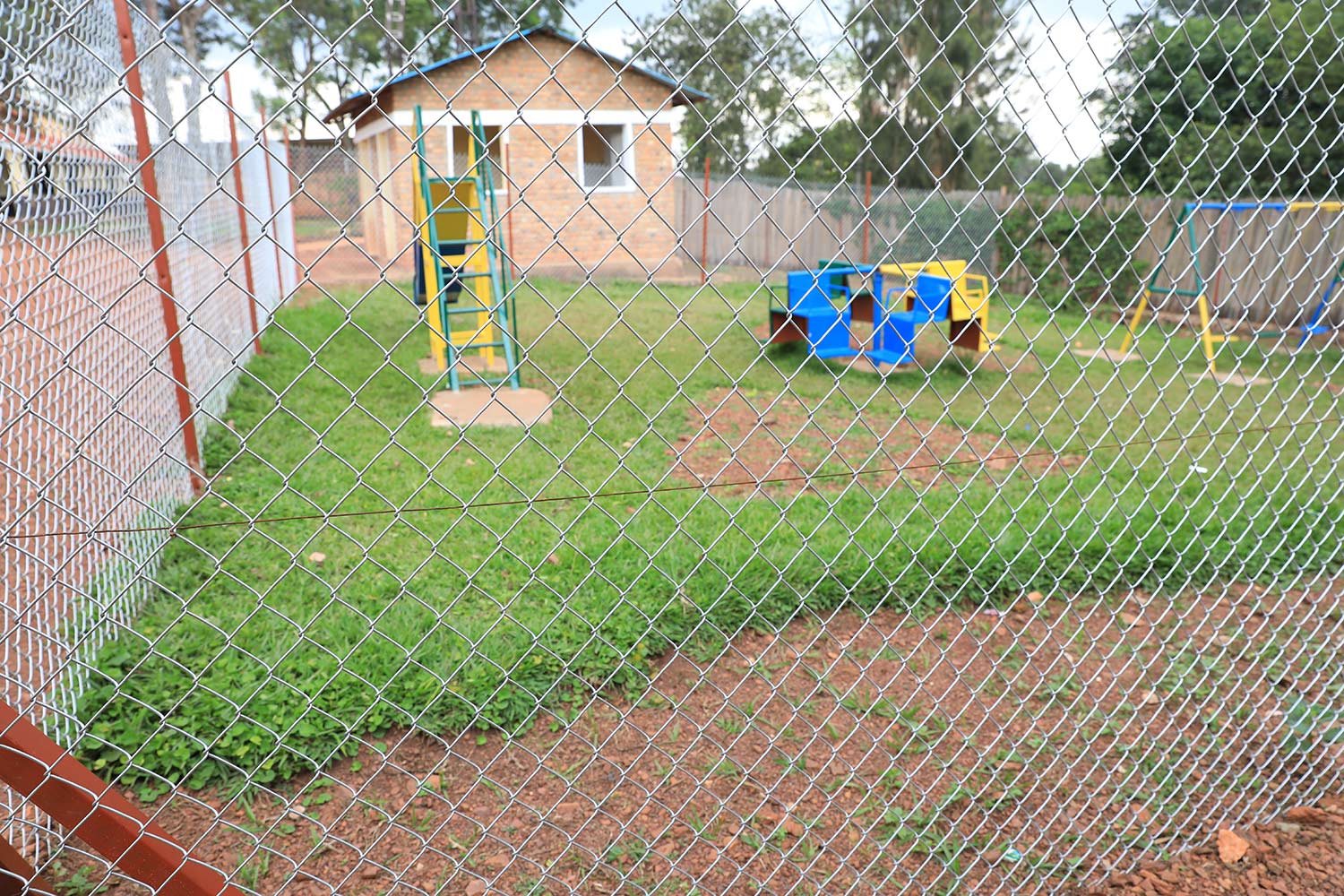
Project in collaboration with Rwanda Bridges to Justice
The project in collaboration with RBJ continues in the five targeted prisons. All of the people identified as needing specific support benefit from individual follow-up guaranteed by prison psychologists and DiDé psychologists. Cases requiring psychiatric treatment were referred to the competent hospitals.
In addition, the group psychosocial therapy system is being strengthened and new talking groups are being formed. This is the case for the Rwamagana Prison which saw the creation of three new groups targeting prisoners with different characteristics, namely: elderly prisoners, prisoners sentenced to long sentences and those affected by the use and drug abuse.
At the same time, training in group facilitation techniques for “peer educators” continues. Thus, in the Bugesera and Nyarugenge prisons, the “peer educators” exchanged with DiDé collaborators on what a support group is and its specific characteristics. They were thus confronted with reflections relating to the therapeutic benefits of this tool.
In reality, the support group helps restore and consolidate social ties. Being part of a group gives the inmate the opportunity to recreate the feeling of belonging to a community, it promotes questioning through confrontation with others and reflection that is stimulated by the animator. Exercises for simultaneous speaking group sessions enabled the “peer educators” to train as facilitators.
For its part, Rwanda Bridges to Justice continues its activities of prevention and legal and legal assistance to accused and detained poor, vulnerable and / or victims of abuse. To do this, RBJ employees regularly visit prisons to identify those in need of their support. Priority for intervention is given to the most vulnerable prisoners, such as those with psychological problems.
It is in this context that the synergies and complementarities of the actions taken by RBJ and by DiDé manifest themselves in the most obvious way. In addition, the psychosocial support system put in place by DiDé allows prison staff, in collaboration with psychologists from the Foundation, to identify people showing mental fragility and / or in prolonged preventive detention. These people are then referred to RBJ lawyers who can thus offer legal assistance.
Alicia’s story (assumed name) is a demonstration of the relevance of this partnership. This 23-year-old woman was accused of theft by her former employer, who did not pay her the monthly salary as agreed when she was hired. Although she has always declared herself innocent, in the absence of evidence, she lived in pretrial detention for two years. During this period, her psychological state weakened and began to show symptoms of depression and anxiety. Thanks to the support of DiDé and, in particular of RBJ, she was finally heard by a judge who, on the basis of the analysis of the file, declared her innocent for lack of evidence. She was able to return to her family and thus be next to her sick mother.
New project funded by USAID
The DiDé Foundation started in March a project entitled "Rehabilitative justice for the promotion of reconciliation in Rwanda", which is part of a larger program called "Duteze Imbere Ubutabera" (Developing Justice) supported by ’USAID and implemented by the NGO Chemonics International.
This 15-month project is based on three areas of intervention: strengthening the right to a fair trial, increasing the capacity of the criminal justice system to rehabilitate detainees and finally, facilitating reconciliation between the community and individuals in conflict with the law.
DiDé’s interventions focus on the psychosocial rehabilitation of people in detention close to the end of their sentence, thanks to psychological support with a view to their reintegration into society. Other planned actions are the organization of reconciliation activities between detainees and victims of crimes and / or members of the community of origin.
These activities are planned inside the prisons of Huye, Rusizi, and Nyarugenge, as well as in communities living in the districts of Nyaruguru, Nyamasheke and Gasabo.
DiDe Flash Info - April 2019
Current projects
The DiDé Foundation remains involved in Rwanda in the framework of three projects: the project for women detained at Ngoma Prison and their children, the one in partnership with Rwanda Bridges to Justice (RBJ) and a new project funded by the United States Agency for International Development (USAID). Project to promote reconciliation between detainees and members of the communities of origin. Activities related to the first two projects are continuing according to established plans. In Ngoma, Nyarugenge, Bugesera, Rwamagana and Nyagatare prisons, DiDé staff continued to provide training for “peer educators” on facilitation techniques.
The psychosocial support system developed by DiDé psychologists, in collaboration with psychologists hired by prisons, is therefore increasingly solid. This is also demonstrated by the efficiency which characterizes the work of "peer educators" in the identification of prisoners requiring specific monitoring. In March 137 people were identified and referred to psychologists, all of whom now benefit from adapted and individualized psychosocial support.
Another important result is the completion of the construction of the psychological consultation rooms in the Ngoma, Bugesera and Rwamagana prisons. Prisoners now have suitable places for meetings with psychologists and legal advisers.
DiDé’s new project to promote reconciliation between detainees and members of the communities of origin was officially launched in March. It started with the organization of meetings allowing the presentation, discussion and planning of planned activities with all the local actors concerned, including representatives of the Rwanda Correctional Service (RCS), prison staff and regional authorities.
Training
As part of the project implemented in partnership with RBJ, DiDé contributed to the organization of three training days which took place at the beginning of March and were addressed to the various actors of criminal justice in Rwanda. The objective of the training was to raise awareness among institutional and civil society actors of the importance of the psychological well-being of people accused of breaking the law and those of prisoners.
Two different workshops were offered. The first follow-up by 30 people concerned the identification and assistance of detainees in distress. Representatives of institutions including state, such as the Ministry of Justice, the Rwanda Correctional Service and the Rwanda Investigation Bureau as well as professionals from civil society organizations participated in it. They were able to acquire the basic skills necessary to identify, in the context of their professional practice, individuals requiring mental health support. In addition, they were made aware of the approaches to adopt in order to be able to support these people adequately.
The second workshop was aimed at psychologists and other medico-social professionals who work in prisons, hospitals, the General Prosecutor’s Office or civil society organizations. Using a methodology promoting active participation and group work, the 39 participants were able to increase their understanding of the mental health of accused and detained persons, as well as to discover and learn assistance techniques for psychological support for these individuals.
These training days were an opportunity to reaffirm the importance of the mental health of people in conflict with the law and in detention as well as to raise awareness among the stakeholders concerned on this topic which is often overlooked.
DiDé and RBJ drew a positive assessment from these days which also made it possible to start positive discussions around the possibilities of collaboration between the various actors in the psychological accompaniment of people in conflict with the law.
Justice Week
Still with a view to raising awareness, the DiDé Foundation participated and presented its activities as part of “Justice Week”; demonstration organized from March 18 to 22 by the Rwandan Ministry of Justice.
The main objectives were as follows: firstly to inform the Rwandan public of the services made available by government institutions and by civil society and secondly to raise awareness among participants of emerging crimes, such as trafficking in human beings, corruption and / or cybercrime, with a view to prevention. Conferences, debates and workshops took place in the different regions of Rwanda, including in penitentiary and university establishments.
In this context, DiDé presented its projects and activities during the opening day. In addition, the Foundation participated in awareness-raising events organized in partnership with the Rwanda Correctional Service in Bugesera and in the Ngoma Prison.

Testimony
The relevance of DiDé’s activities in promoting the psychological well-being of prisoners and the effectiveness of the collaboration between "peer educators" and psychologists are confirmed by the progress that the prisoners followed make. The case of Paul (assumed name), sentenced to life, is a demonstration of this. Identified and referred to psychologists by a "peer educator" who worried that he spent all his days in bed, Paul presented with depressive and suicidal symptoms. The gravity of the situation was such that it required hospitalization. In addition to psychiatric therapy, the DiDé psychologist has started an individual support program aimed at understanding and developing the causes behind these symptoms. Currently, Paul continues his therapeutic journey and the progress is evident. He has started to take care of his appearance and he is now able to project himself into the future. Thanks to this mental health support, Paul learns to accept and manage his present and his suffering.
RECONCILIATION THROUGH FORGIVNESS
Since March 2019, Dignité en Détention (DIDE RWANDA) is implementing initially a 15 months modified to 18
months project called Rehabilitative Justice for reconciliation in Rwanda under the
financial and technical support of USAID/ DUTEZE IMBERE UBUTABERA. The project is
targeting 3 prisons of Rwanda, namely Huye, Nyamagabe and Rusizi and two districts:
Nyamasheke and Nyaruguru and is set up with a view to promoting social cohesion and
peaceful coexistence between the soon-to-be released detainees from targeted prisons and
community members, including genocide survivors, the family members of genocide
perpetrators and globally with all community members from two districts of Rwanda.
Until March 2020, a total of 130 detainers already requested for forgiveness including 34
from Huye prison, 51 from Nyamagabe prison and 45 from Rusizi. Others 31 detainees from
Rusizi prison and 16 from Nyamagabe prison are ready to request for forgiveness
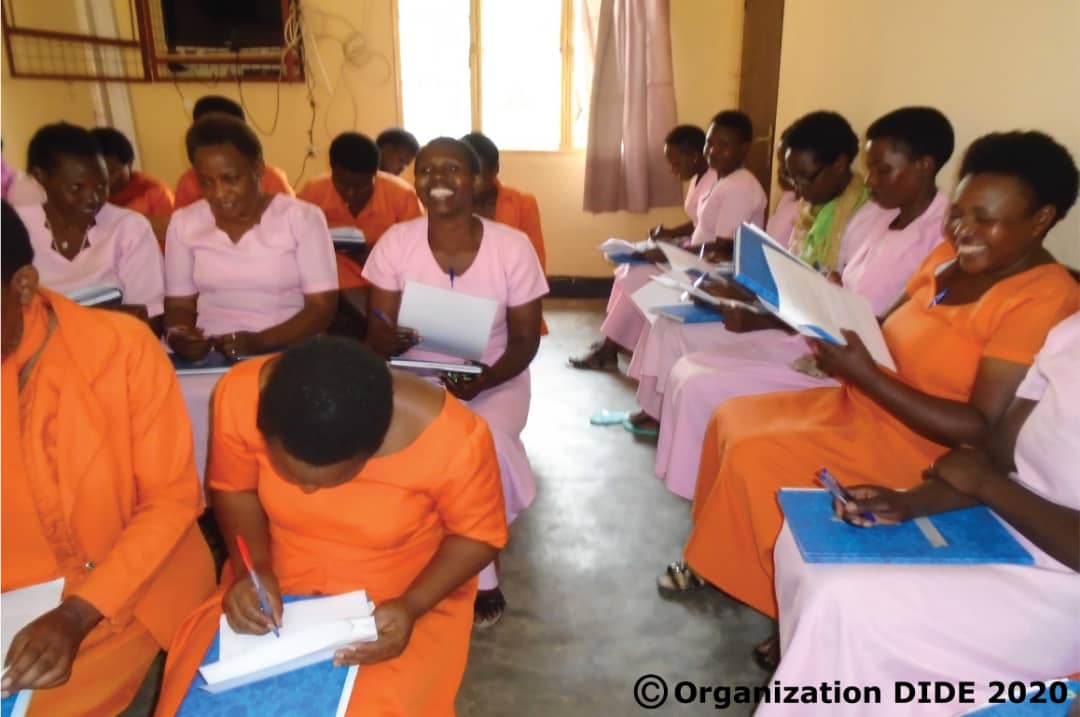
Before stating facilitating therapeutic groups, peer educators are trained. The photos below show:
(1) women in Nyamagabe prison that doing the pretest and (2) men detained in Huye prison in
working groups
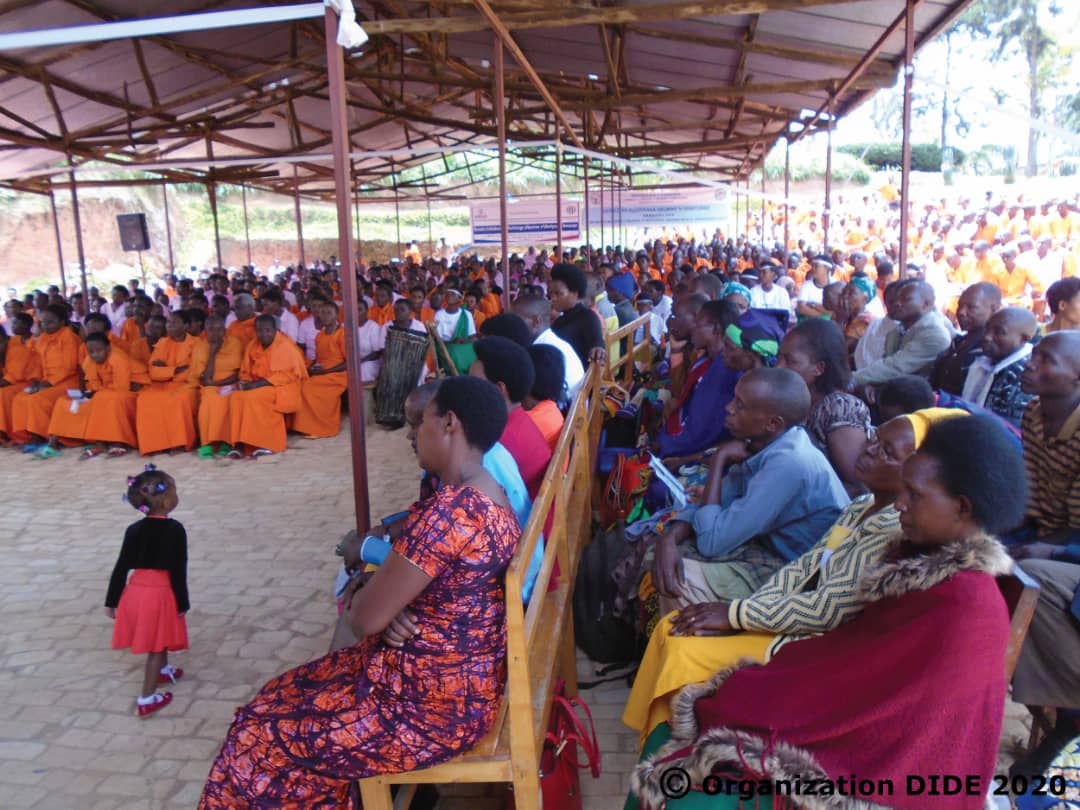
The aim of therapeutic groups is the reconciliation between detainees and community members, including survivors. Below pictures illustrate reconciliation day:

Reconciliation day in Nyamagabe prison

Reconciliation day in Rusizi prison
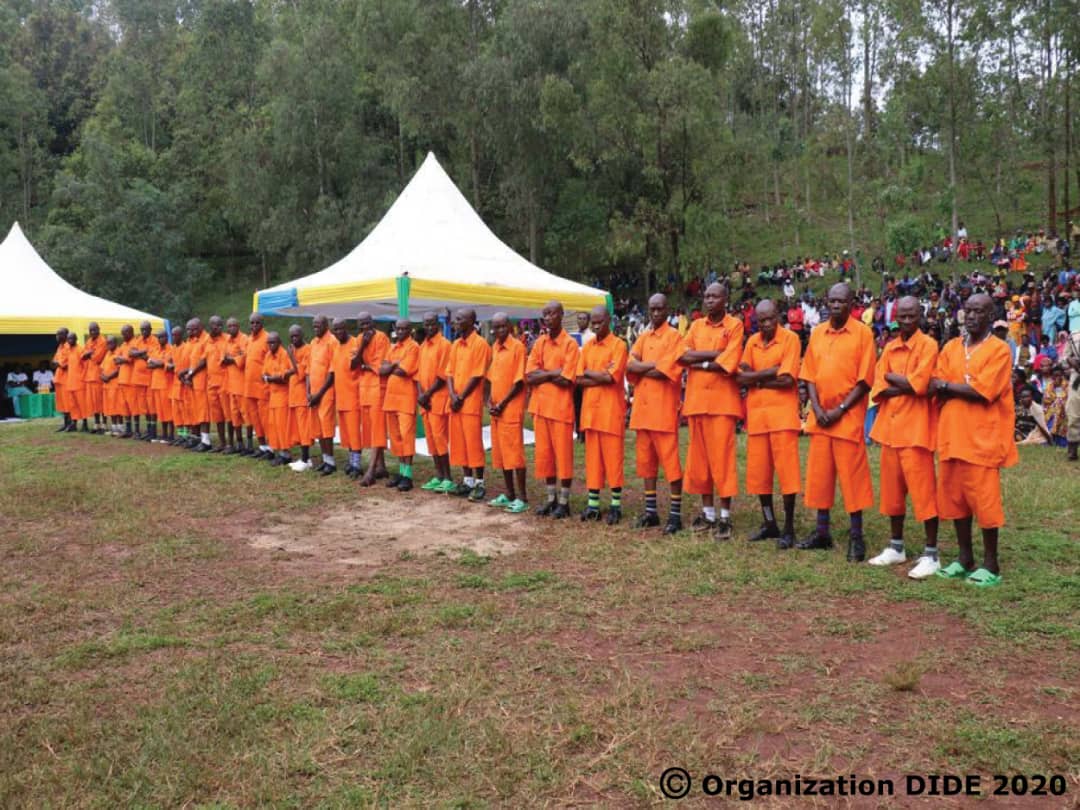
Reconciliation session in Huye prison
At community level, community members are assisted by trained facilitators. The picture below illustrate the facilitators after 4 training days held in Huye from 24-27 June, 2019.
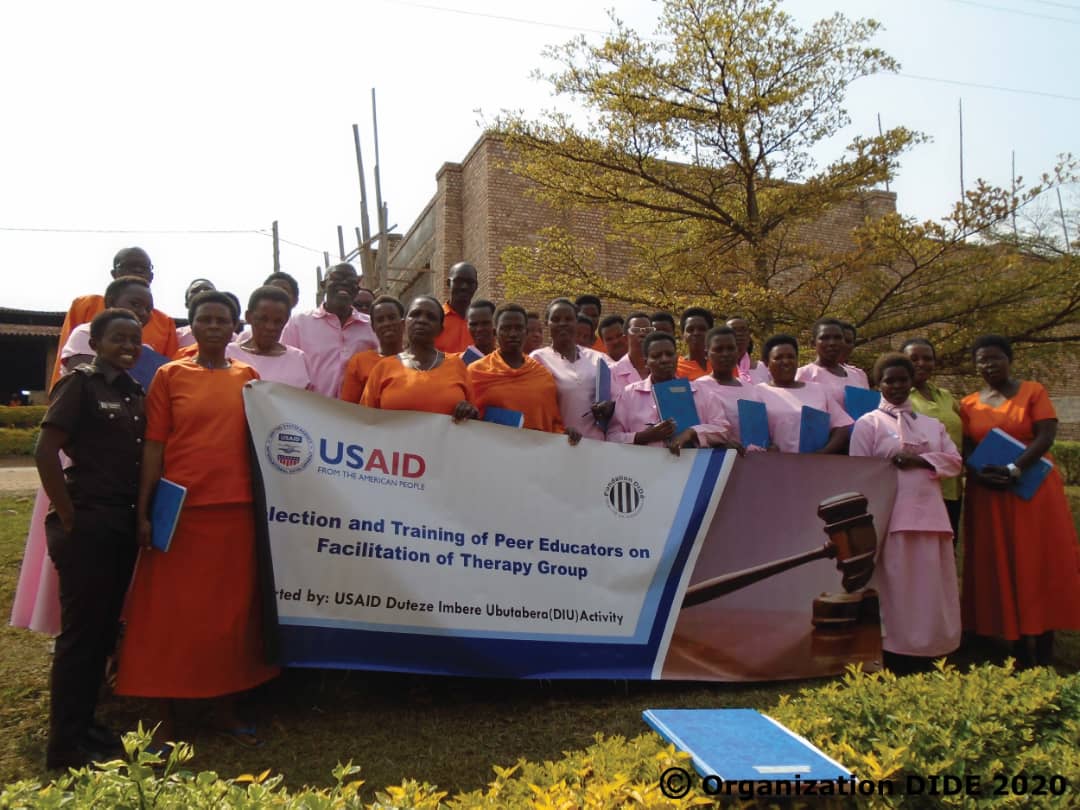
RIGHT AWARENESS CAMPAIGN
Dignité en Détention (DIDE RWANDA) in partnership with RBJ(Rwanda bridge to justice) has conducted the
awareness campaign on the legal right "URI UMWERE IGIHE CYOSE UTARAHAMWA ICYAHA" which miss that you are innocente until the court of law found guilt of the crime.
The campaign has been held in 5(five) Prisons respectively: Nyarugenge, Rwamagana, Bugesera, Ngoma and Nyagatare.
The prisoners receive legal right advice and social mental help by DIDE RWANDA staff experienced in mental health.
With the collaboration with RCS (Rwanda Correction Service) the lawyers of RBJ and other Partners Like Rwanda Bail Association participate
in explaining to detainees their legal right and help them get lawyer as the law provide one for the person in detention.
The collaboration facilitate the work of the management of detainees for their intervention,
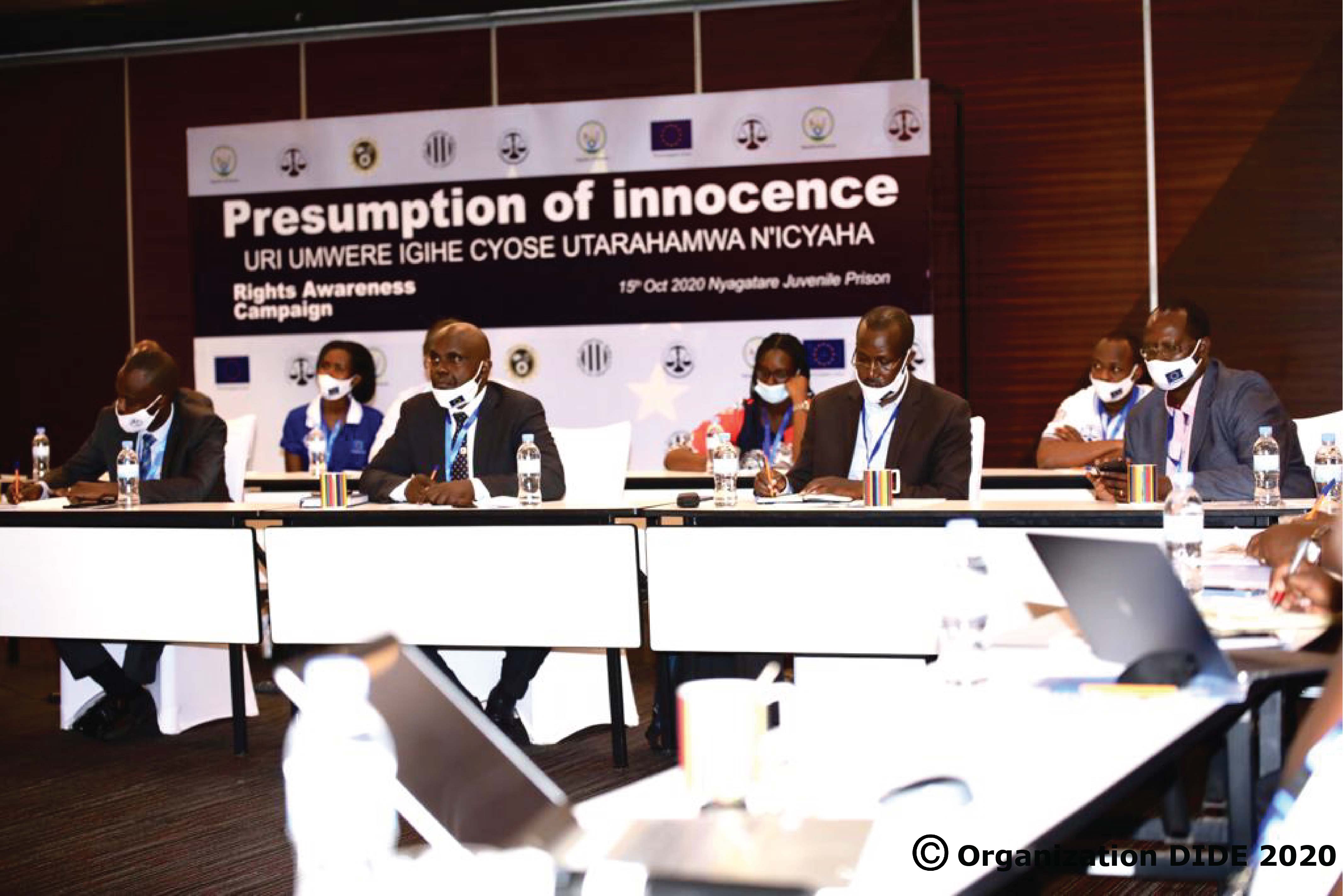
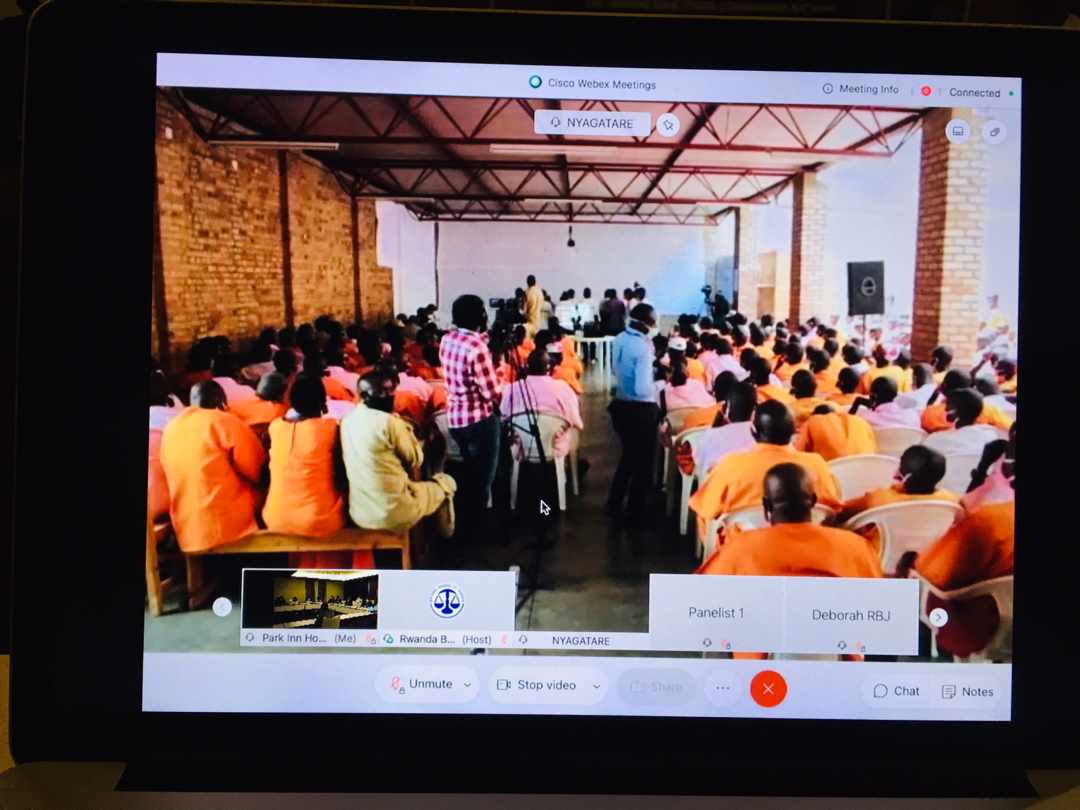
Participant of the meeting following the activities using video conference
With the help of MINIJUST (Ministry of Justice) and the sponsor of the EU(European Union) the campaign is able to be spread in short
stories and performed in public to communicate the message to the audience.
Other platforms has been used like TV presentation, Newspapers, posters social media and others.
they are a good result because most people start to understand their right to justice in a good sense matter but they are still a long way to go.
The campaign has been successful as people are aware of the law and their right to it.
with the campaign held in prisons the work to explain to prisoners theirs Rights, come with the help of others areas like health and social reintegration,
prisoners receive help to make them a useful element in the society instead of feeling isolated.
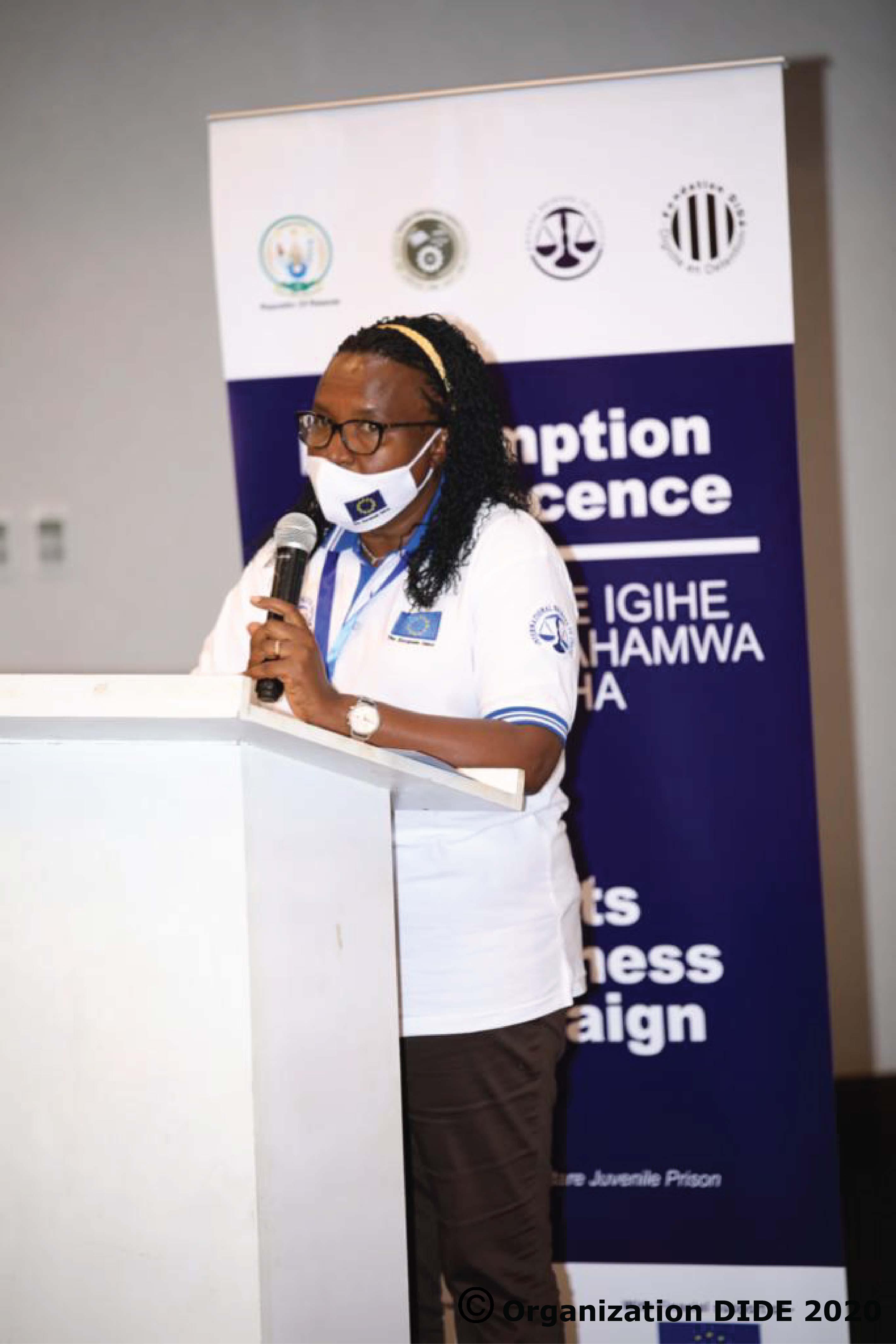
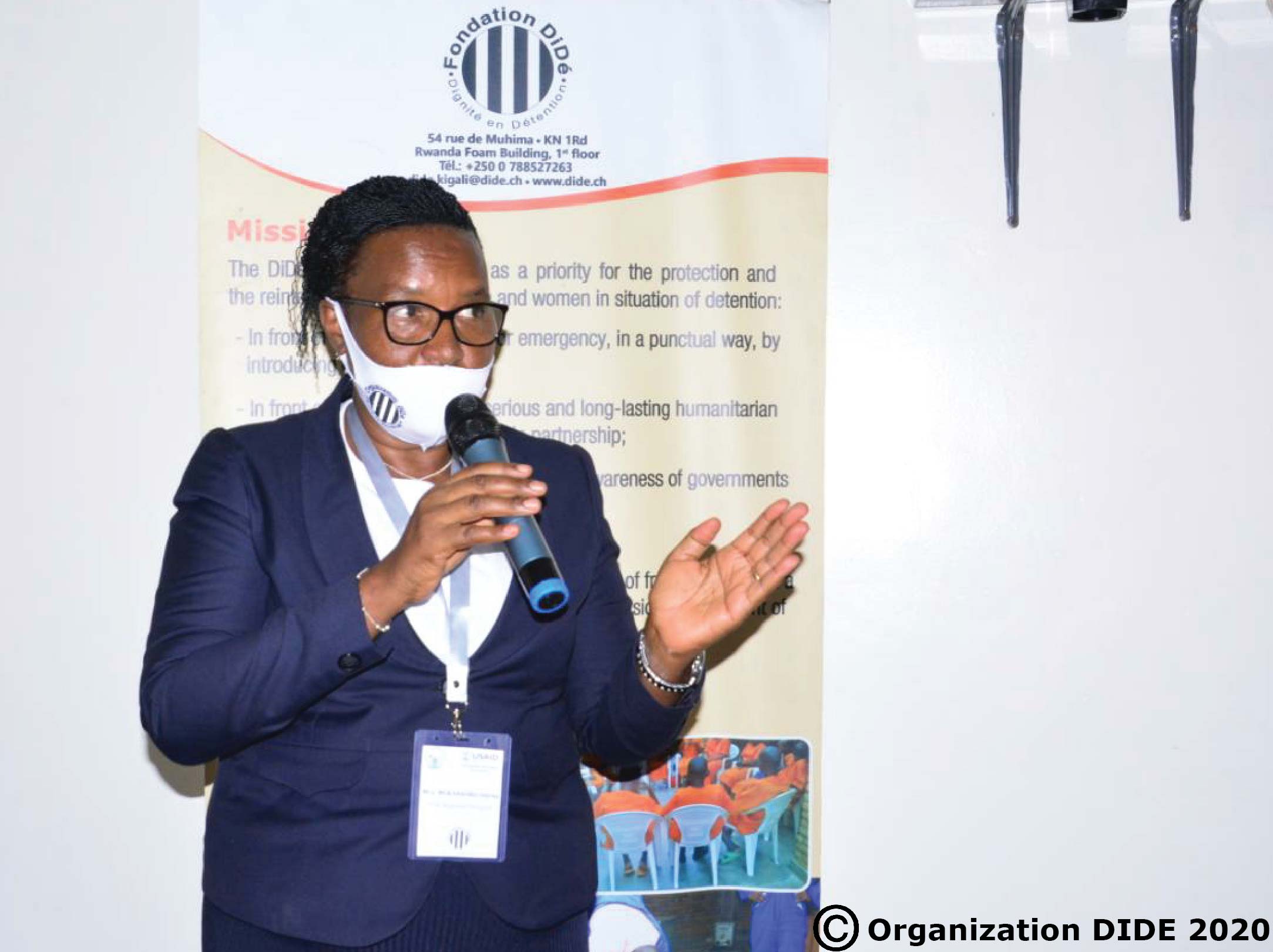
Above: Odette MUKANSORO/ Regional delegate of DIDE RWANDA
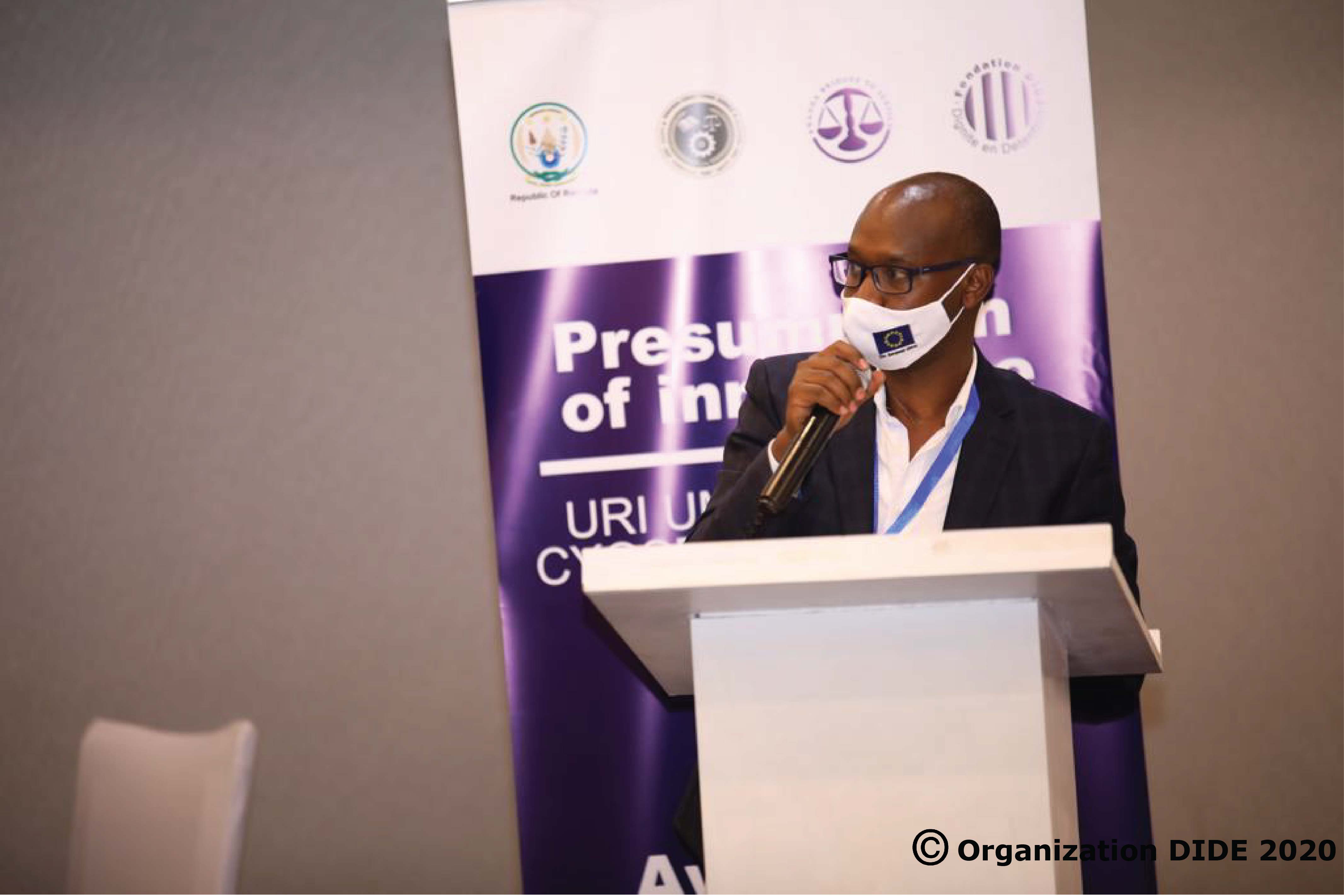
Above: Jean Bosco BUGINGO/ Director of RBJ(Rwanda Bridges to Justice)
The meeting was conducted using video-conference to follow the activity in Nyagatare prison where the campaign were happening and to be able to see the
people on the ground and the reality of the prisoners and how they respond to their trainers,
this will continue to be conducted in other prisoners and in public to raise awareness on the legal rights to the people.
JUSTICE, HEALING, RECONCILIATION
For 18 month DIDE Organization has conducted a program JUSTICE, HEALING,
RECONCILIATION.
In partnership with RBJ (Rwanda Bridge to Justice)
to unite Rwandans in prison for the crime of genocide with the family victims.
It was in the capitalization meeting of The Organization DIDE RWANDA (Dignité en Détention), to review the 18 months that the organization did the program in Nyamagabe, Huye and Rusizi prisons.
The Regional Delegate of DIDE Organization showed that at the beginning of the program there were many prisoners who preferred to join the program but the organization chooseto take 437 who are near to serve their sentence.
In those 437, the one who meet with the survivors and receive forgiveness are only 132.
Corona-virus break out with other 37 prisoners in Rusizi prison who went to ask for forgiveness
in Nyamasheke District, and other 97 in Nyaruguru District who received invitations
to meet with the survivors at their home.
Above: MUKANSORO Odette/Regional Delegate-DIDE Organization
The Regional delegate of DIDE Organization said that they are in need of Financial
Supporters, to be able to resume the ongoing program, if necessary continue it in others prisoners because we know it is needed, she said
"According to what we do i think we will found financial means and the program can continue in one way or another."
RCS Doctrine and Ethics Director CSP Therese KUBWIMANA said they are still many
prisoners who need to be part of the program to unite with the survivors and ask for
forgiveness because it heals the perpetrators and survivors.
The RCS insists that the Organization DIDE need to be sponsored to continue the program, because in collaboration with other partners, Covid-19 come while 1037 prisoners had been in contact with the survivors’ families and received forgiveness,
there were 5925 other prisoners who was waiting to be connected with those
they betray and other 641 who was receiving training.

The Executive Secretary of the National Unity and Reconciliation Commission
Ndayisaba Fidéle added that those who teach the program to unite Rwandans
are not needed inside the prisons only but also outside in the public saying that
"even for the released prisoners living in the society it is necessary that they get help to be able to change and heal to increase the trust they receive in the public society he Added "the Genocide crime is a non-human crime, the crime breaks the perpetrators and the victims and their families. the consequences of the crime are a continuous chain, and reach their next generations.
those actions of reconciliation help to reduce those consequences, and stop reach
their young families.
Those who meet with survivors and ask for forgiveness, appreciate the help they receive to be able to ask the forgiveness for they could not do it themselves. what made them more happy is the way they are living with the victims.
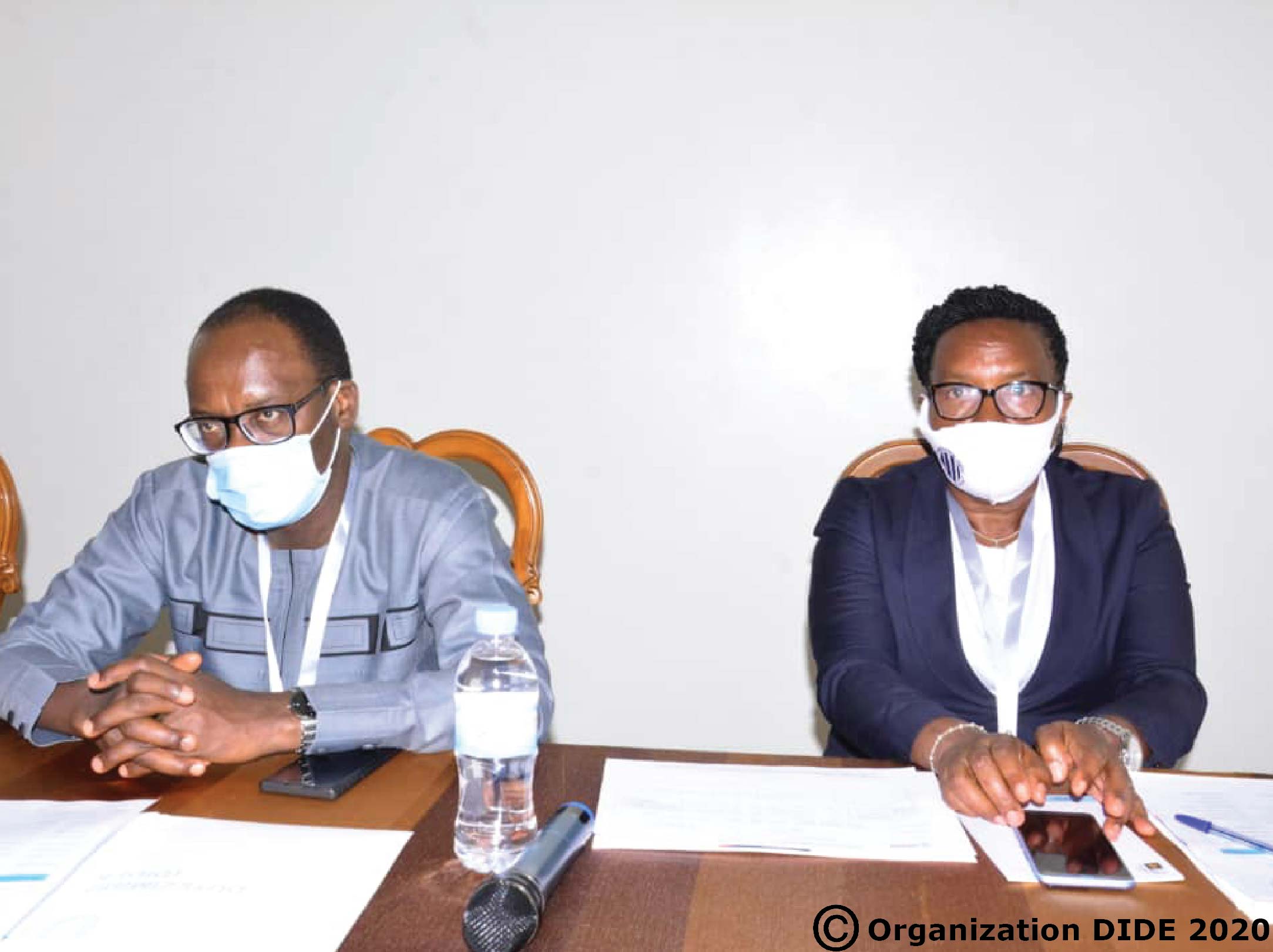
Above: NDAYISABA Fidele/E.S-NURC and MUKANSORO Odette
John Kabacuzi from shangi in Nyamasheke Ddistrict, in April 2020 finish his sentence of 12 years for the crime of Genocide he committed, he is one of the connected perpetrators while in prison with the family he betrayed.
He said" Since i return home, we work together with my neighbors, we have fun together we invite each other, i don’t guilty and ashamed anymore. i thank the staff of the program and the victim family because we committed the crimes against humanity, we don’t deserve to be forgiven.
Those who forgive the perpetrators said it helped them to heal but mostly Perpetrators show them where the body of the victims are Thrown.
Kampogo Constance who is the Representative of Association of the Survivor (AVEGA) in Nyamasheke District said that Burring their loved ones with Dignity Heal them and Move on with their life without feeling they are in debt of their lost one.
now you feel you fulfill your responsibility as a survivor.
The mayor of Nyaruguru District HABITEGEKO Francois says that in his District those in way of reconciliation is 50 but there are other 16 to follow, but can’t go because of covid-19.
He added that someone can think that is a small number but it false, many efforts were required to help them understand the importance of asking for forgiveness.
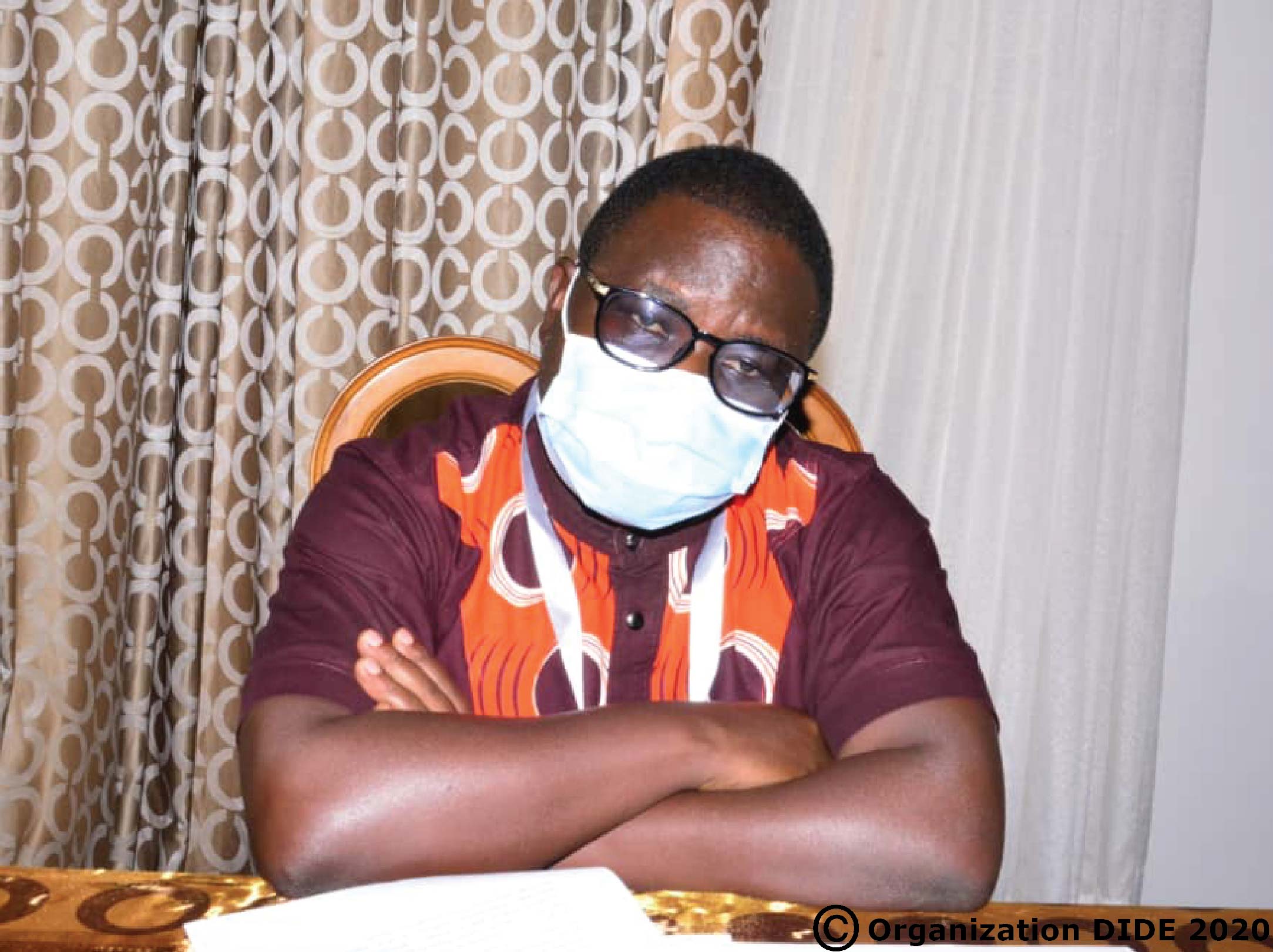
HABITEGEKO Francois/Mayor-Nyaruguru
Those who asked for forgiviness are the fertilizers and it never be less.
for sure those who received training while beeing in prison and now that are out in the society help them in Recinciliation campaign
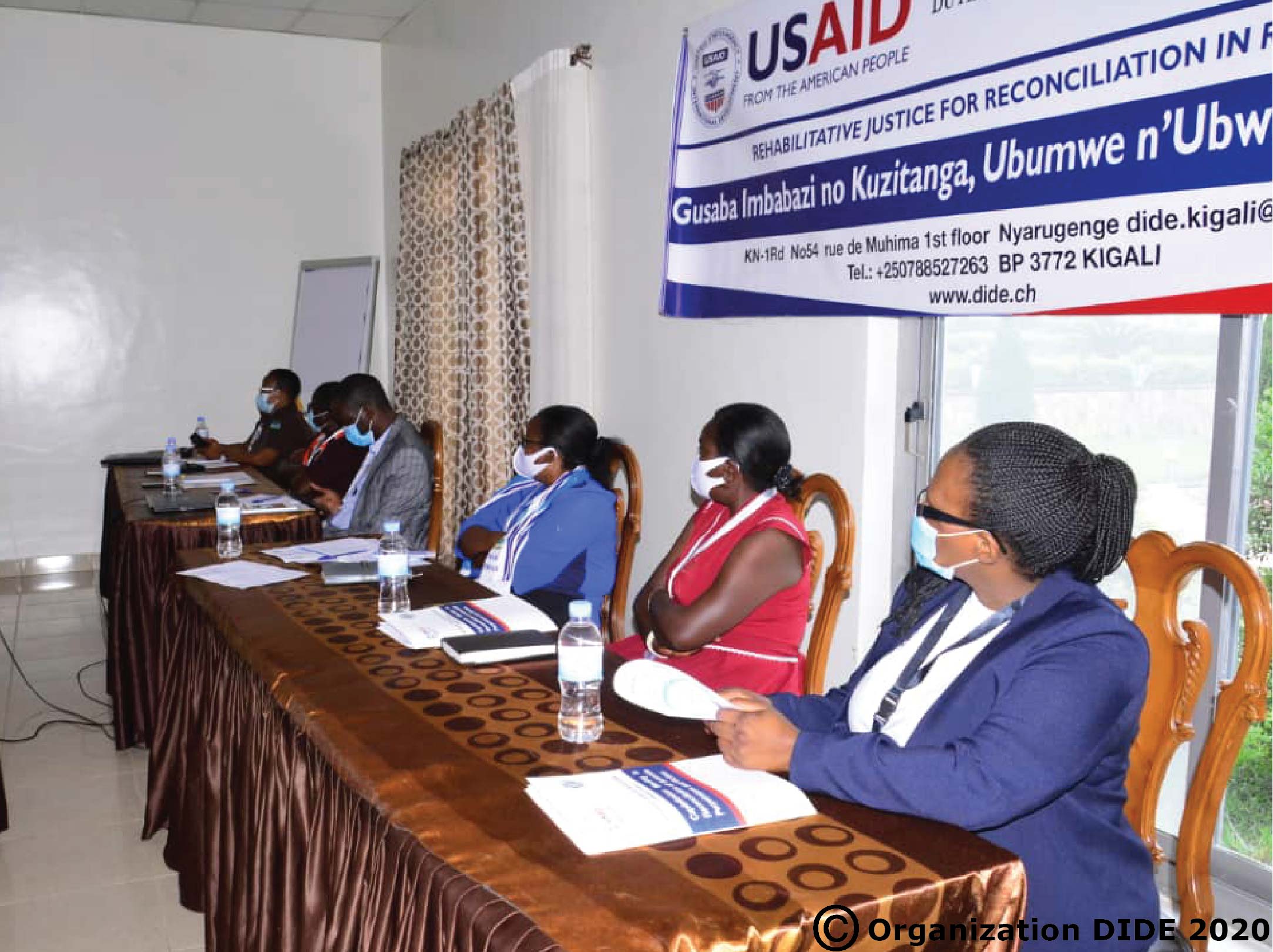

Above: NABAHIRE Anastase/ Justice Sector Coordinator-MINIJUST

Above: MUGISHA Frank/DIU Coordinator-USAID
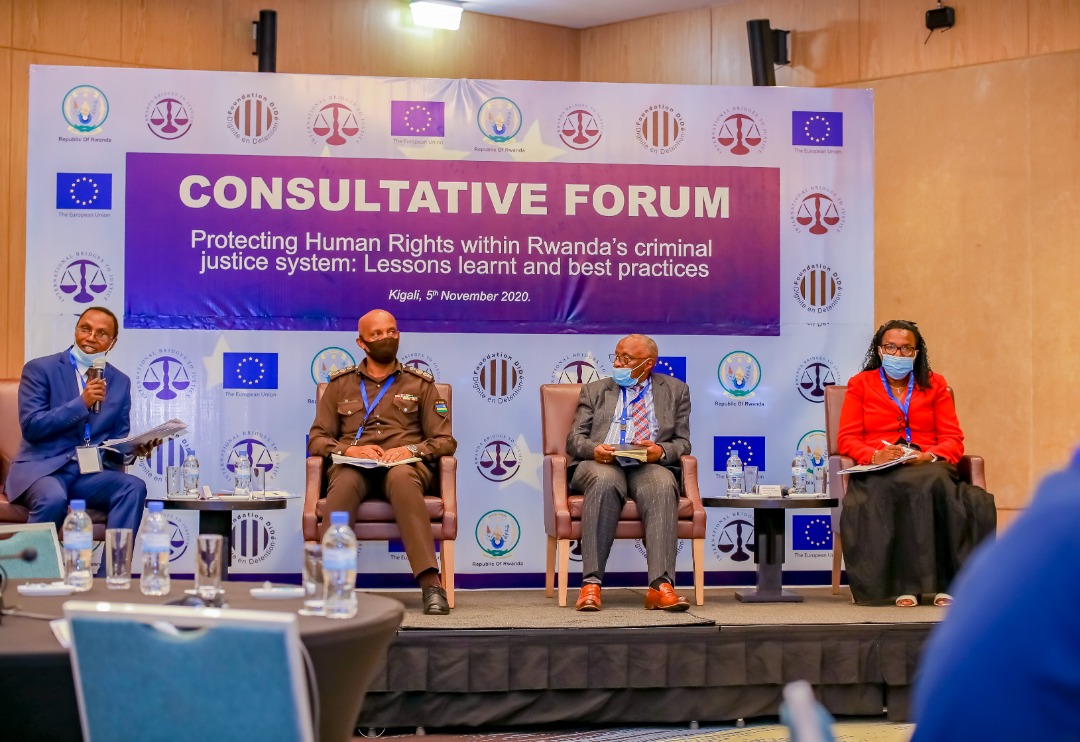
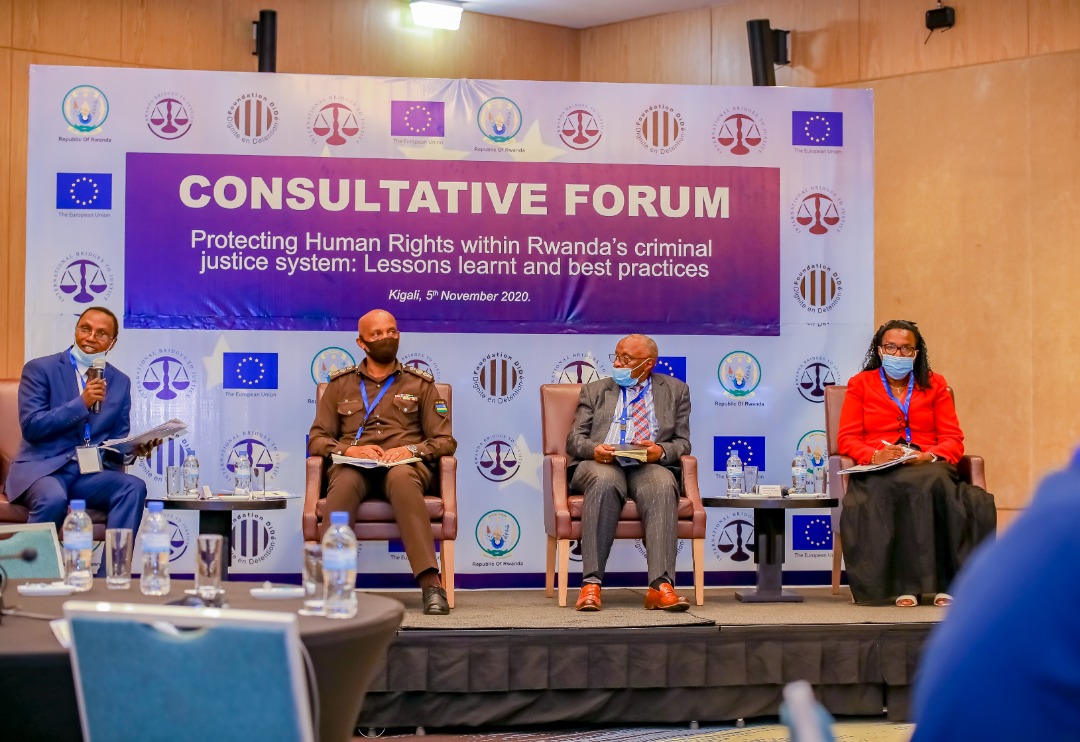
CONSULTATIVE FORUM
Protecting Human Rights Within Rwanda’s Criminal Justice System
DIDE RWANDA a NGO with extensive experience in working within Rwanda’s prison to provide rehabilitative psycho-social support to detainees, organized a second edition of a consultative forum under the theme “Protecting Human Right within Rwanda’s criminal Justice system project.”
This includes Training of peer educators : 250 peer educators in 5 prisons (Ngoma, Rwamagana, Nyagatare, Bugesera and Nyarugenge prison)
Thematic training workshops : 5 thematic training workshop were organized to educate and allow exchanges between key stakeholders including lawyers, judicial police officers, psychologists, judges, prosecutors, and RCS staff.
Participation in the celebration of International Women Day in women prison (8th March) and African Child Day in Juvenile prison (Umunsi w’Umwana w’Umunyafurika).
Legal assistance to identified vulnerable by our partner Rwanda bridges to Justice (RBJ)
During deliberations at the forum, Nicola Bellomo, the EU Ambassador to Rwanda said, “As we take stock of the past 3 years of the project, as EU, our own assessment is very positive; the project outperformed its initial target of 300, with close to 900 vulnerable detainees at risk of abuse who have benefited from early legal assistance by lawyers.”
Bellomo noted that the EU was proud of all the work done by Rwanda Bridges to Justice together with Dignity in detention & International Bridges to justice in protecting human rights within Rwanda’s criminal justice system.
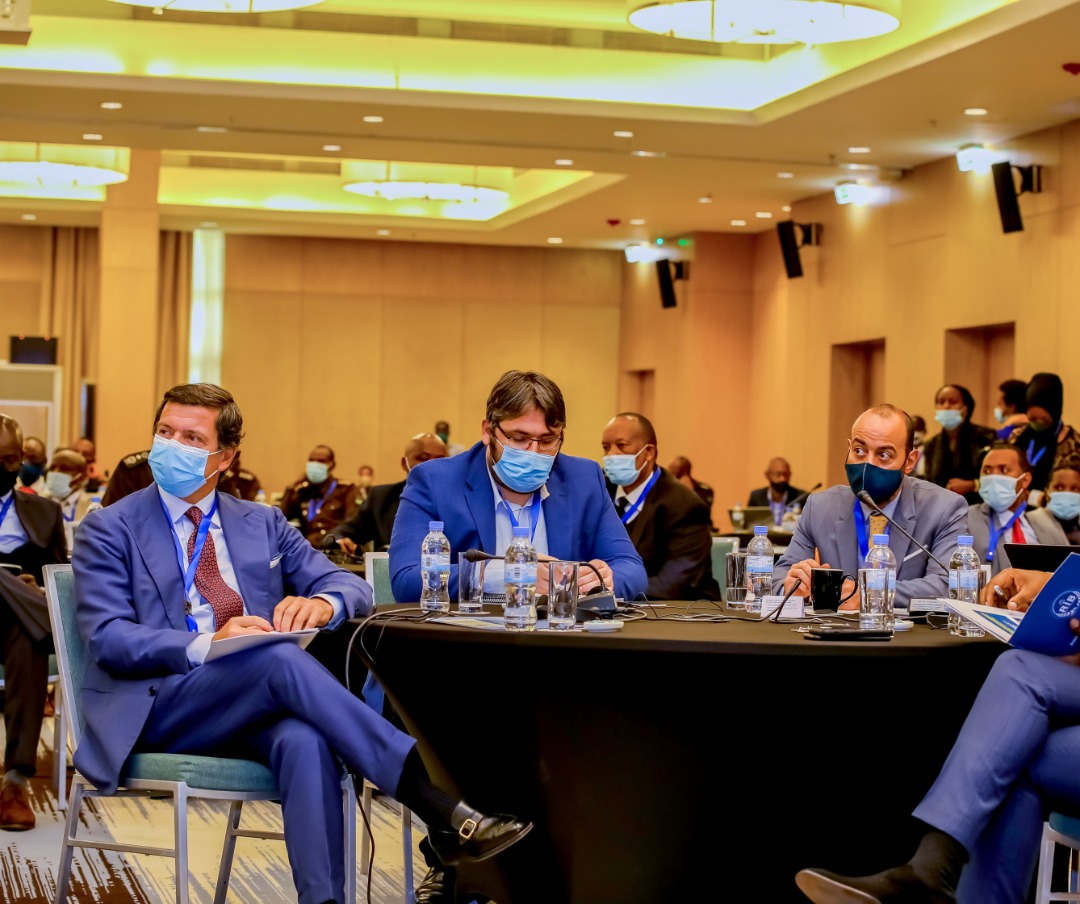
Above: EU Ambassador
According to him, “While the population of Rwanda’s prisoners remains a concern, we hope prosecutors and judges will use more the existing alternatives to imprisonment without fearing of departing from what is seen as the norm or of being accused of corruption.
This forum hosted at Marriot Hotel, Kigali, drew officials from Rwanda Correctional Services leadership, Rwanda Bridges to Justice among other stakeholders. This project is implemented in partnership with International Bridges to Justice (IBJ) and financed by the European Union mission in Rwanda.
According to the organizers, more than 200 lawyers, investigators from Rwanda Investigation Bureau (RIB) , judges, prosecutors, psychologists and staff from Rwanda correctional services also benefited from capacity building workshops, enabling better implementation of national and international standards that protect individuals from torture and other abuses.
Beneficiaries including a women released from prisons share their story in a testimony at the forum.
The institutional of Legal Practice highlight the importance of institutional learning in legal practices.
The system is today able to perform the concept of lawyers and their practitioner experience and have to close the gap in the justice sector.
Many reasons involved in continuous learning lessons for practitioners
The problem of the judges having limited capacity in deciding what necessary for the justice system because of the law.
Training for the lawyers are done every year by the Rwanda Bar Association, update in the law system need to be made to facilitate the flow of justice.
Technology has to be the involved as the key help in the justice system.
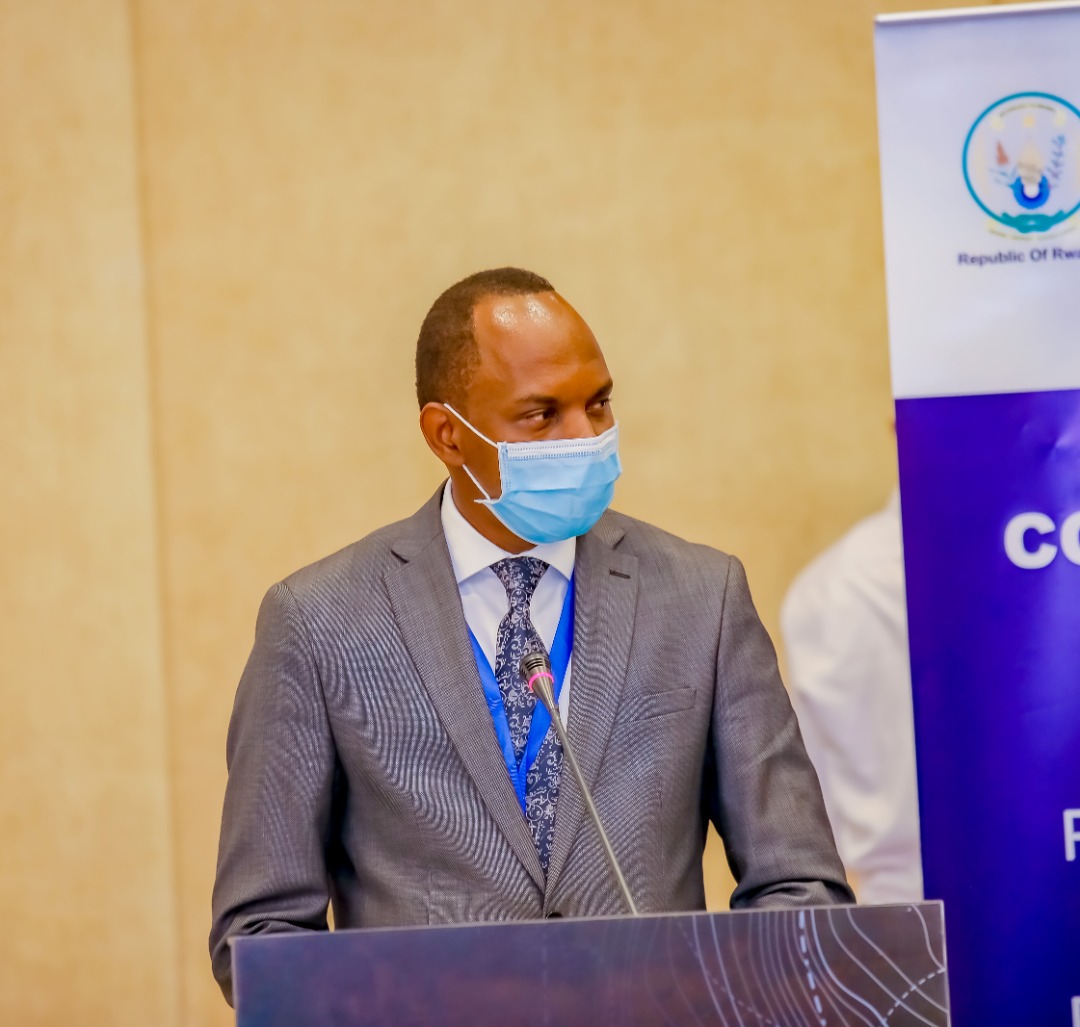
Above: Spokesperson of the Supreme Court

The Executive Director (ED) of DiDe Rwanda held a meeting with the president of Interpeace.

HALFWAY HOME NEED ASSESSMENT
This week DiDE staffs and RCS staff had a briefing on correcting qualitative data that will be used to determine what services and programs to be conducted in the halfway home center.
Important key questions wa reviewed and there was a good time to ask questions
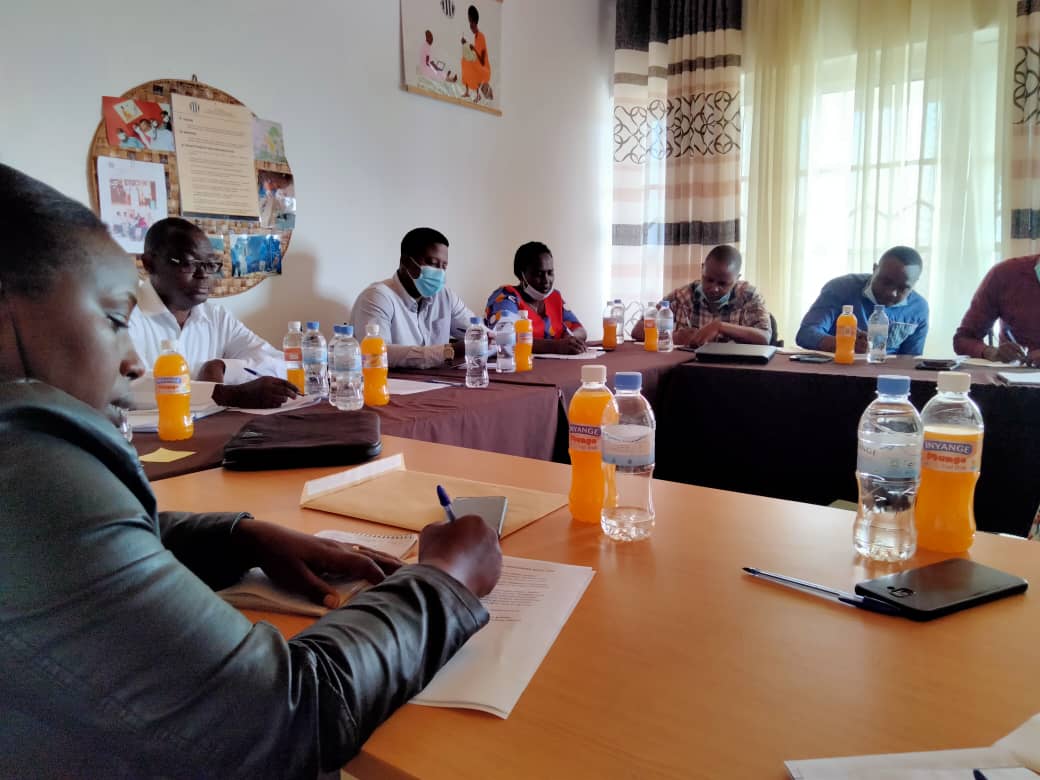
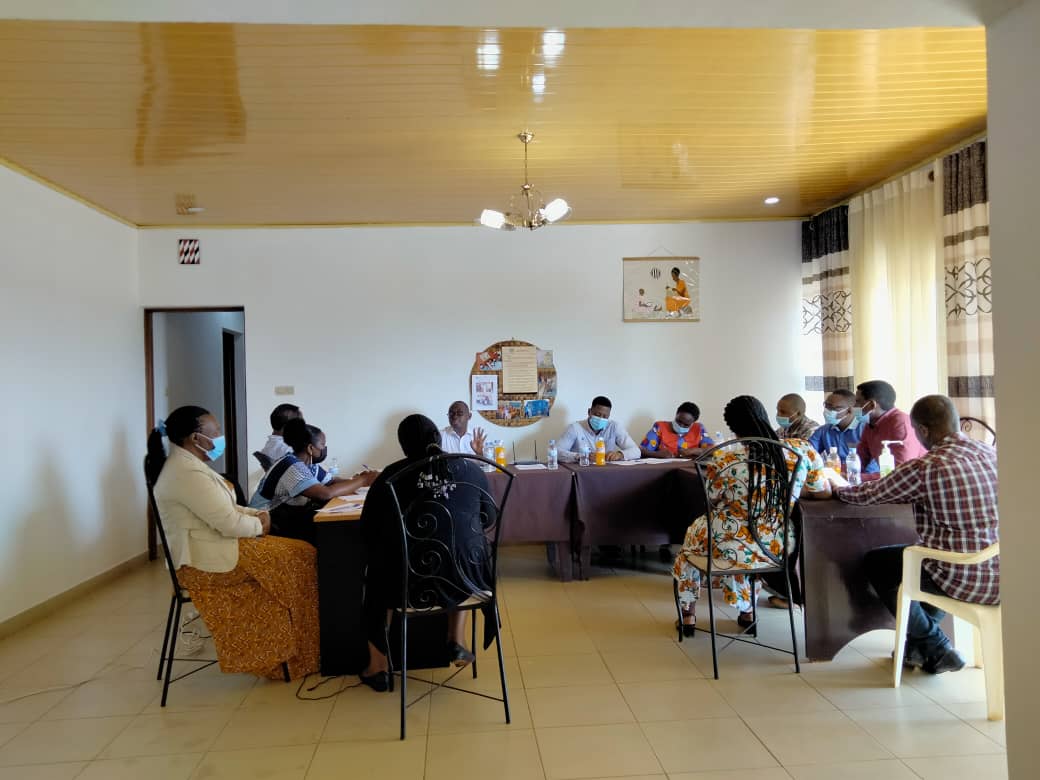
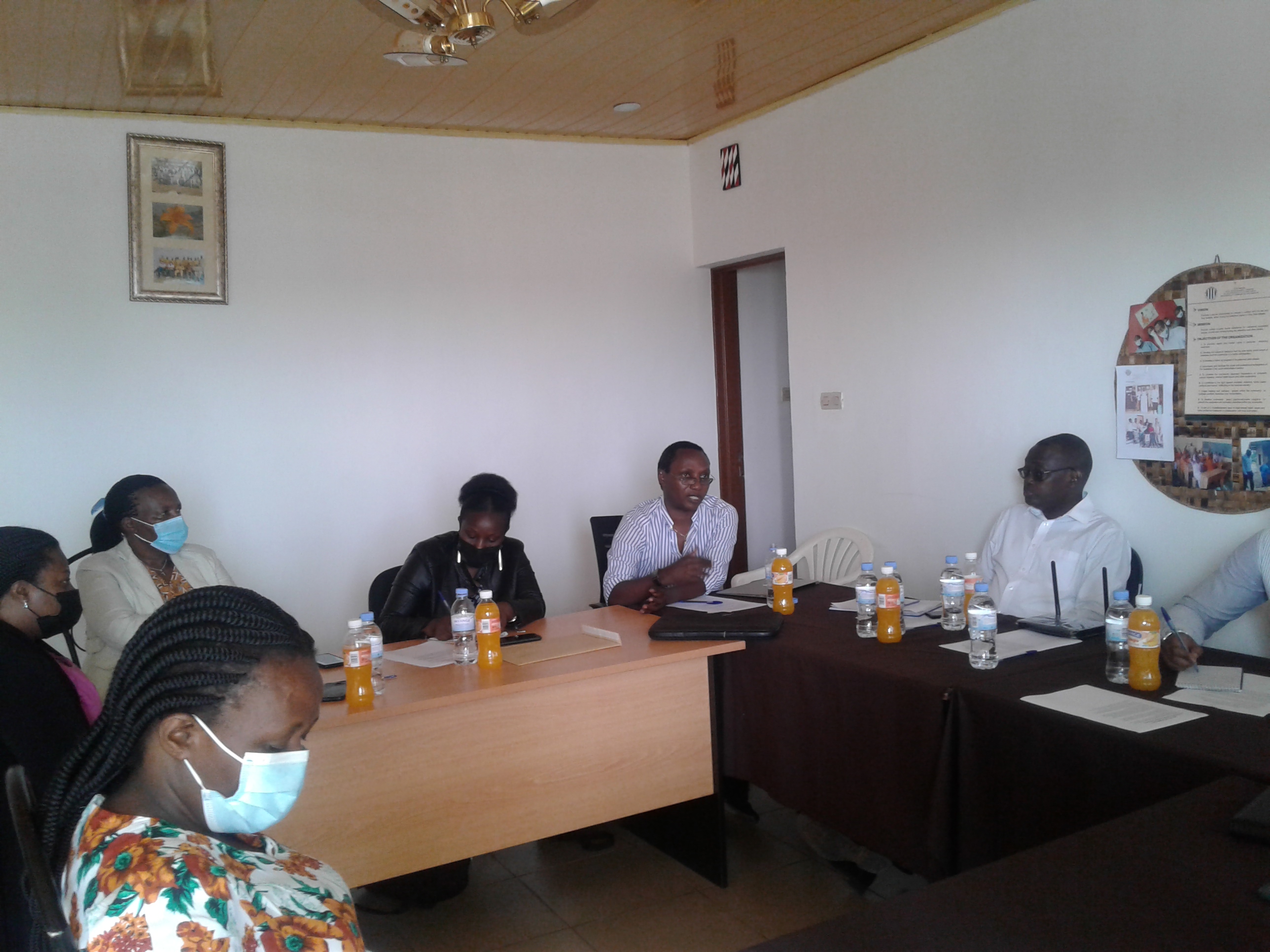

RESEARCH ON HALFWAY HOME TRANSIT CENTRE
To make the half way home center a better transit for prisoners with less than 3 years left on their sentence, ground research has been conducted to find what would be the main focus
ABOUT US
Organization Dignity in Detention Rwanda (DIDE RWANDA) is an organization registered as a local non-profit organisation in Rwanda as DIDE RWANDA.
Our mission is to improve the conditions of children and female detainees through their education and reintegration in their respective communities at the completion of their sentence. Children and female detainees tend to be neglected, which worsens their vulnerability.
OUR VISION
Promote a secure environment for people in conflict with the law and their families, during the detention period and/ or after their release.
OBJECTIVES OF THE ORGANIZATION
• To promote dignity and human rights in particular defending detainees.
• To develop the culture of resilience for the safe family environment of detainees and the community to a better reintegration.
• To develop a follow up program of ex-prisoners after release
• To accompany and facilitate the social and professional reintegration of the laureates of the youth rehabilitation centres
• To promote community approach interventions of mental health issues targeting vulnerable groups.
• To contribute to the prevention and fight against domestic violence’s, family-based conflicts, and human trafficking in the Rwandan society.
AREA OF INTERVENTION
Mental Health and Psychosocial Support (MHPSS): development of different Tools for mental heath screening and treatment, training of Prisoners Peer Educators (PE), Rehabilitation of prison premises dedicated to target groups,
Education: Formal school education (P1 to S3), Vocational and Technical training, Adult Literacy, ECD for children living with mothers in prison under 3 years old.
Infrastructure: space for MHPSS, Build ECD for children living with mothers in prison under 3 years old. Construction of halfway home transition center.
Reconciliation: Supporting Victims and prisoner s Families link with Cooperatives via ABAHUZA,
Gender Equality: DIDE RWANDA pioneered gender equality in prisons in Rwanda through advocating for upholding of the rights of female prisoners. This
resulted in creation of separate prisons for women (e.g., Ngoma Prison), but also implementation, in partnership with different public and non-governmental
organisations,of projects and programs aiming at empowering women and in prisons to claim their rights, and get prepared for their successful reintegration in their respective communities at the term of their sentence.
Advocacy: DIDE RWANDA advocated for access to formal education for minors and children in prisons. DIDE RWANDA also advocated for equal rights for female and male inmates, and the promotion of affirmative actions to ensure that female prisoners can access their human rights such as right to privacy, right to equal treatment and non-discrimination
RECENT ACTIVITIES:
I. Current activities focused on mental health/ rehabilitation of current inmates and preparation of prisoners’ reintegration (current and released). In mental health, therapeutic groups have been set, and guided by trained peer educators, with the follow up of psychologists for RCS and DIDE. Psychotherapy, literacy, vocational training and ECD for children living with their mothers incarcerated are activities in which DIDE intervenes to support inmates in their imprisonment and prepare them to be released without being disoriented with real life.
a) Psychological intervention
From the beginning of the project, DiDe has set up a psychological care system that favors the peer support approach in collaboration with prison staff. This methodology of implementation of the project activities using people close to detainees requires capacity building for staff as well as that of peer educators (selected prisoners)
1. Discussion groups 2. Training of peer educator
Above: Creation and animation of therapeutic groups
Participation in talk groups allowed the women to open up in depth, given the details they were able to give about their past and their feelings at the time. This helps them endure their life in prison and prepare for their reintegration once released. - There is a need to capitalize on the testimonies coming out of the support groups - Literacy was the key for incarcerated women to follow trades training - Professional training also played the role of occupational therapy - Lack of visits is one of the main vulnerability factors for women inmates
II. Literacy and Occupation Training.
1. Literacy for women 2. Tairoring inside prison
3 Alphabetization at juvenile detention
In this project, it was planned to set up a literacy program following the "functional literacy" approach in collaboration with the RCS and the Ministry of Education. During this reporting period 152 women have followed and successfully completed literacy training courses.
III. RECONCILIATION THROUGH FORGIVENESS
DiDé organisation is carrying out psychosocial rehabilitation to help prisoners who committed the genocide against the Tutsi to better understand their situation and to re-establish social link on the one hand, and on the other hand, by preparing victims, families on both sides (genocide convicts and victims) and the community at large to welcome them back in the society.
The aim of therapeutic groups is the reconciliation between detainees and community members, including survivors. Below pictures illustrate reconciliation day:
Above: Reconciliation session in rusizi and nyamasheke districts
The detainees accompanied in psychosocial counselling and healing sessions were those who were willing to follow a path to reconciliation sessions and join therapeutic groups.
During these reconciliation sessions, 132 victims granted pardon to these inmates, including 53 presented to Rusizi prison, 53 to Nyamagabe prison and 26 to Huye prison. In total 94 inmates’ family members have been presented in those reconciliation events: 37 in Rusizi prison, 38 in Nyamagabe prison and 19 in Huye prison.
The conclusions and recommendations of the assessment were presented to all project partners in a capitalization and wind-up meeting. This meeting was attended by partners from the Central Government, Nyaruguru and Nyamasheke Districts authorities, RCS staff at headquarters and the 3 prisons covered, project focal points, representatives of the Donor (USAID/DIU), representatives of the community (Survivors, family of genocide convicts and ex-prisoners).
Below: CAPITALIZATION MEETING ON RECONCILIATION
IV. INAUGURATION OF E.C.D.(Early Childhood Development)
The project has contributed to the extension and equipment of the ECDC compound. A new hall was constructed to facilitate indoor activities, a kitchen and sanitary blocks were added to the existing settings, Activities were about finalizing the construction works, especially for the kitchen and sanitary block.
Other activities include reunification of 3years old children with foster families in the community and follow-up/facilitation of their relationships with their mothers still in prison.
V. PROTECTING HUMAN RIGHT WITHIN RWANDA’S CRIMINAL JUSTICE
RIGHT AWARENESS CAMPAIN
The campaign has been held in 5(five) Prisons respectively: Nyarugenge, Rwamagana, Bugesera, Ngoma and Nyagatare.
The prisoners receive legal right advice and social mental help by DIDE RWANDA staff experienced in mental health.
With the collaboration with RCS (Rwanda Correction Service) the lawyers of RBJ and other Partners Like Rwanda Bail Association participate in explaining to detainees their legal right and help them get lawyer as the law provide one for
the person in detention.
The collaboration facilitates the work of the management of detainees for their intervention. They are a good result because most people start to understand their right to justice in a good sense matter, but they are still a long way to go.
The campaign has been successful as people are aware of the law and their right to it, with the campaign held in prisons the work to explain to prisoners theirs Rights, come with the help of other areas like health and social reintegration,
prisoners receive help to make them a useful element in the society instead of feeling isolated.
The field team worked closely to the beneficiaries and provide right awareness to the juvenile in nyagatare Detention.
VI. 2nd CONSULTATIVE FORUM
A Second Consultative Forum took place the Thursday 5th of November 2020 at Kigali Marriott Hotel. 108 criminal justice stakeholders attended physically the second Consultative forum respecting the measures put into place by the Rwandan government to contain the spread of the COVID-19 pandemic; additional participants followed the event online, a total of 226 stakeholders attended.
This forum hosted at Marriot Hotel, Kigali, drew officials from Rwanda Correctional Services leadership, Rwanda Bridges to Justice among other stakeholders. This project is implemented in partnership with International Bridges to Justice (IBJ) and financed by the European Union mission in Rwanda.
DIDE organized 8 orientation sessions (or training sessions) for 254 staff in the four prisons where DiDé had not worked before.
During these sessions, DiDé introduced the concepts of mental health and psychosocial well-being of prisoners and defined the role of each staff in the accompaniment of these prisoners from their entry to their liberation.
DiDé organized training workshops for 77 staff stakeholders in criminal justice institutions and staff who oversee mental health in prisons, in district hospitals and Neuro-psychiatric hospitals of Ndera.
6 thematic workshops have been organized to strengthen the capacities of criminal justice stakeholders (lawyers, investigators from Rwanda Investigation Bureau, judges, prosecutors, psychologists, and RCS staff. This brings the total number of criminal justice stakeholders trained by this project to 238.
VII. HALFWAY HOME SOCIAL REINTEGRATION CENTER
Since June 2020, the Ministry of Justice is developing a new correction tool called “Halfway Social Reintegration Centres” together with RCS and DiDe Rwanda.
The use of these “transition homes” is related to the reintegration of the offender into society, which can be effective as a realistic Community framework. With a halfway centre, the confusion, uncertainty, and stress faced by the released offender can be gradually dispelled, allowing pre-release a reasonable period to readjust to an independent living. Transition houses can thus function as a "chamber of decompression" for the offender before the release from a long period of detention.
The policy on alternative measures to imprisonment has been developed.
A site has been identified for the installation of a pilot Halfway Social Reintegration Centre Funding has been mobilized for the architectural studies of the pilot phase. This funding was channelled through DiDe Rwanda. The architectural studies are now available.
A needs assessment has been conducted to better understand the expectations of different stakeholders (prisoners, RCS, district administration, families of prisoners, Civil Society Organizations...). Data collection ended on October 31,2021 and the report is expected before the end of November 2021.
Efforts to mobilize funds for the construction phase are ongoing.
To promote this new concept, the Minister of Justice introduced Stirling Foundation as new partners to support a pilot phase of the project. Down the road, it was proposed to include a 21 partner from the local Civil Society and DiDe was recommended to the Donor who accepted. DiDe was tasked to put together a joint proposal, guided by the “Terms Sheet” sent by the Stirling Foundation.
A grant was approved by the Stirling Foundation for a first phase which covered the architectural study of a pilot centre to be set up in Rwamagana District, Eastern Province. The partners in this venture are MINIJUST/RCS – DIDE - STIRLING FOUNDATION. The grant was signed on 13th July 2020 and implemented over a period of 6 months from July 2020 to January 2021 with the following activities:
The development of a master plan considering all components of the project; and ∙ The development of detailed designs for a pilot phase (Halfway centre for Women pre-release in Rwamagana). The tender process was completed, and Talent Contractors Company was selected to develop the Architectural studies after RCS secured a plot in Muhazi Sector, Rwamagana District. The last validation meeting was organized on December 22, 2020, and the final report including all the designs and technical details was availed on January 5, 2021.
The request for a building permit was successfully submitted to the concerned service in Rwamagana district and Rwanda Housing Authority. RCS and Talent are working together to follow-up of this request. The architectural studies are the first step of the project of setting up a pilot centre to facilitate the social reintegration of to-be-released prisoners, especially women. The studies will help in the raising of funds to implement the project.
1. Training of data collector 3. Groups discussion of former prisoners
2. Site visit where the centre will be built 4. KII interviews
VIII. TOTAL MANAGED FUNDS
S/N PROJECT DONOR TOTAL FUND IN RWF TOTAL FUND IN USD
1
Protecting human rights within Rwanda’s criminal justice (Nyagatare prison, Ngoma, Rwamagana, Nyarugenge,Bugesera prisons)
EU&BHC
175,458,000
180,885
2
Psychosocial reintegration and professional training of women in detention in Ngoma prison
Wallonie Bruxelles international (WBI) & Direction du Developpement et de la cooperation Suisse (DDC)
132,500,000
136,598
3
Halfway House Project - Enhancing the preparation of pre-release inmates in Rwanda: Phase I: Architectural and Technical studies
Stirling Foundation Utah/USA
46,553,632
47,993
4
Rehabilitative justice for renconciliation in Rwanda (Huye, Nyamagabe prison for women, Rusizi prison)
USAID/ Duteze Imbere Ubutabera
116,555,856
120,161
TOTAL
471,067,488
485,637
Joint Planning & Partnership-building workshop with our partners
Interpeace and its partners, Prison Fellowship Rwanda (PFR), HAGURUKA and Dignity in Detention Organisation (DIDE) have recently secured funding from SIDA to expand the current interventions under the “Reinforcing community capacity for social cohesion and reconciliation through societal trauma healing” pilot programme in Bugesera District to five (5) more Districts in Rwanda. These are: Ngoma,
Nyagatare, Nyabihu, Musanze and Nyamagabe. It builds on the lessons learnt and resources developed in the on-going EU funded pilot programme in Bugesera District, as well as on the experiences of partner organisations in the areas of mental health, social cohesion, collaborative livelihoods, and prisoner
rehabilitation and reintegration.
This four years programme to expand the Rwanda Healing to 5 more districts has secured the funding from SIDA and it is expected to run from October 2021 to September 2025. To kick-off the implementation, a 4-days planning workshop is planned from 9th-12 November 2021, with the following
objectives:
1. To develop a shared understanding of the project (expected outcomes, implementation strategies, project participants, etc) across all partners’ technical and management teams.
2. To jointly review/analyse the project M&E framework to ensure coherence in monitoring, documentation and reporting across all partners in the field.
3. To have a shared understanding of financial management and procurement procedures and compliance requirements by the donor and Interpeace.
4. To discuss partnership arrangements: allocation of responsibilities, set guidelines for collaboration and communication across all partners’ management and technical staff, etc.
5. To discuss priority actions for the inception phase and its budget.
6. Establishing the principles, values and modalities for the 4-year partnership
A holistic peacebuilding programme that is focussed on strengthening psychosocial and economic resilience for sustainable peace among communities in Musanze, Ngoma, Nyagatare, Nyabihu, Nyamagabe districts in Rwanda.
The mental health and psycho-social aspect contributes to addressing obstacles towards a more complete and effective response to trauma and other mental health disorders, including:
Development of context-relevant protocols of interventions
Decentralization of mental health services and increase access to MH services by professionals (at community level, in schools, prisons or workplaces)
Mental health awareness to reduce stigma, then increase MH care seeking behaviors
Strengthen formal mental health and psychosocial structures and personnel capacities, and their referral system with other connected services through establishment of systematized and standardized MHPSS Systems at local (District) and community levels.
The social cohesion aspect of the programme will support the harmonization and standardization of societal healing approaches to foster tolerance and trust among the Rwandan populations, particularly between former genocide perpetrators and survivors, and their respective families.
Expand the existing initiatives for societal healing through Sociotherapy
supporting the psychosocial reintegration of prisoners peace education (in communities, prisons and schools) support local structures (committees, association & clubs…) for social cohesion, unity & reconciliation.
The livelihood aspect of the programme will strengthen the population’s resilience capacities to socioeconomic hardships by promoting and supporting inclusive and collaborative socio-economic initiatives, through: Co-Live trainings (entrepreneurship, business, and financial management…).
Provide opportunities for TVET skills development Support CBE initiatives (incubation, business development, funding & follow up).
Foster new identities based on individual skills and inputs to the society.

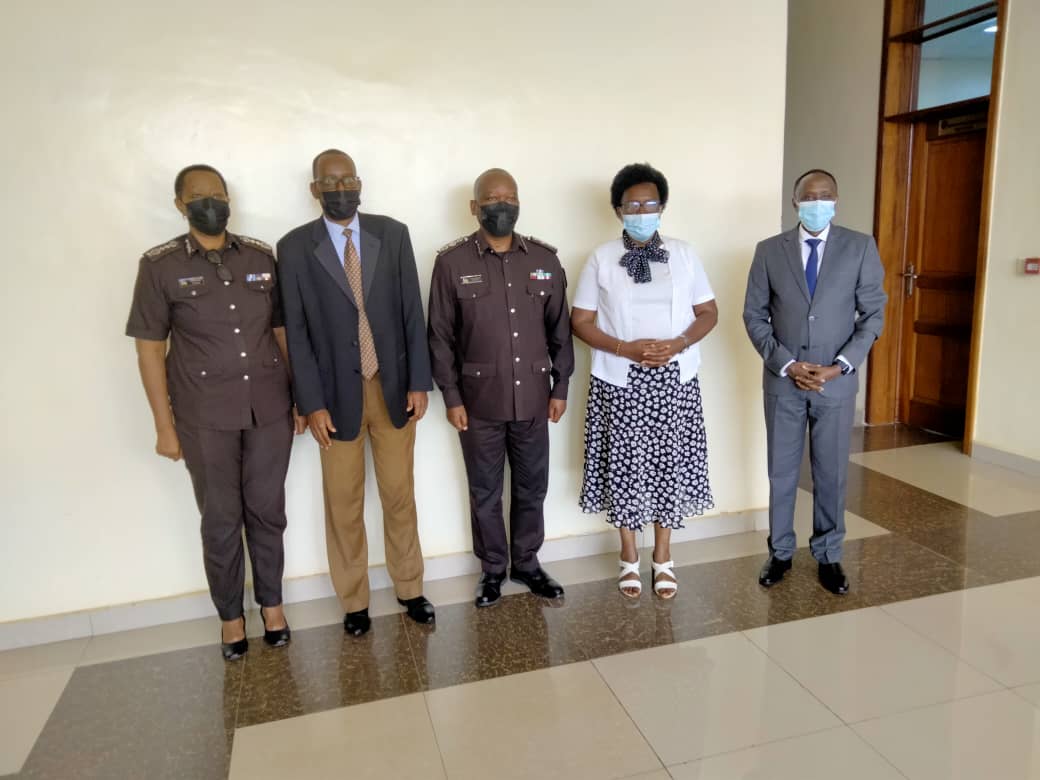
PRESENTATION OF D.K.U(DUFATANYA KUBAKA UBUTABERA) TO THE RCS HIGH COMMAND
The Executive Director of Dignity in Detention(DIDE RWANDA)
together with the Executive Director of LAF(Legal Aid Forum)Rwanda
and governance specialist of USAID Rwanda
paid a visit to RCS_Rwanda High Command to discuss the implementation of Dufatanye Kubaka Ubutabera(D.K.U) project.
VISIT OF DIDE EXECUTIVE DIRECTOR TO THE US AMBASSADOR
The executive director of DIDE RWANDA paid a visit to the US Ambassador in Rwanda to discuss projects funded by USAID.

INTRODUCTION OF RWANDA HEALING PROGRAM TO THE NEW MAYORS OF DISTRICTS
DIDE RWANDA with its partners Interpeace, PFR (Prison Fellowship Rwanda) and HAGURUKA introduced the project called "Reinforcing community capacity for social cohesion and reconciliation through societal trauma healing" to the Mayors of NYAMAGABE and NGOMA, ON 21st and 22nd December 2021.
This project is a holistic peacebuilding programme that is focused on strengthening psychosocial and economic resilience for sustainable peace among communities in Musanze, Ngoma, Nyagatare, Nyabihu, Nyamagabe districts in Rwanda.
It builds on the lessons learnt and resources developed in the on-going EU funded pilot programme in Bugesera District, as well as on the experiences of partner organisations in the areas of mental health, social cohesion, collaborative livelihoods, and prisoner rehabilitation and reintegration.
This four years programme to expand the Rwanda Healing to 5 more districts has secured the funding from SIDA and it is expected to run from October 2021 to September 2025, with 3 main area:
1. Mental Health and Psychosocial Support
2. Social cohesion
3. Livelihood
The mental health and psycho-social aspect contributes to addressing obstacles towards a more complete and effective response to trauma and other mental health disorders.
The social cohesion aspect of the programme will support the harmonization and standardization of societal healing approaches to foster tolerance and trust among the Rwandan populations, particularly between former genocide perpetrators and survivors, and their respective families.
The livelihood aspect of the programme will strengthen the population’s resilience capacities to socioeconomic hardships by promoting and supporting inclusive and collaborative socio-economic initiatives.

Above: Directors of DIDE, Interpeace, PFR, and HAGURUKA with the new Mayor of NYAMAGABE DISTRICT
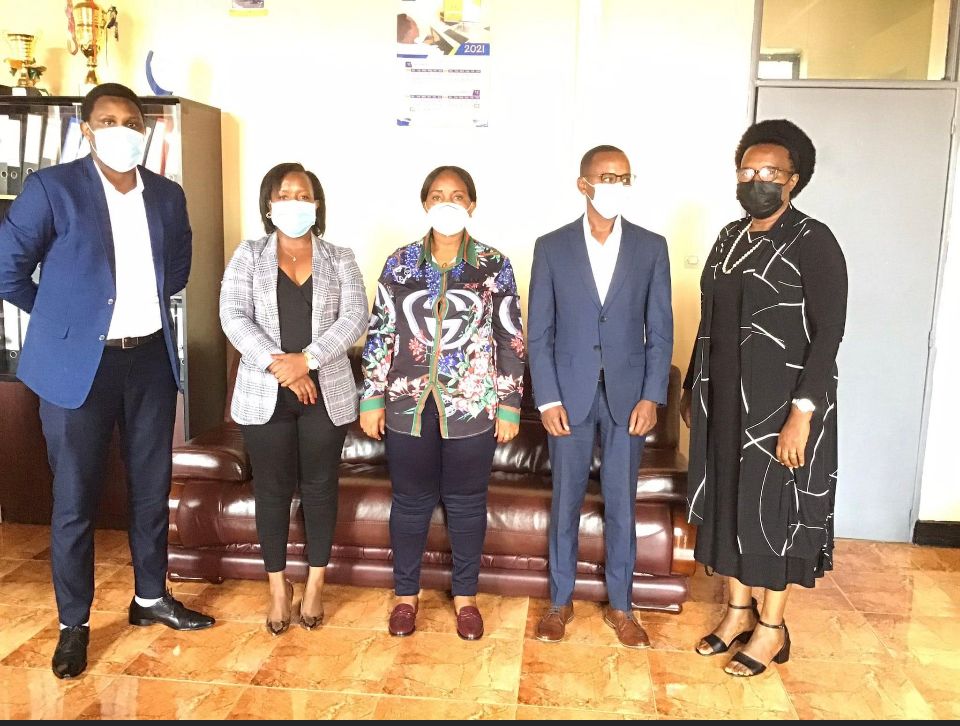
Above: Directors of DIDE, Interpeace, PFR, and HAGURUKA with the new Mayor of NGOMA DISTRICT
RWANDA HEALING PROGRAM BASELINE STUDY
This program which will bring together society in a healing sessions of the GENOCIDE survivors and their neighbors with perpetrators, Program Managers and Monitoring & Evaluation Officer conducted a baseline study on the sector level, they introduced the project to the sector’s Executive Secretary to work with them closely in implementing the program, collecting important contact of the concerned focal persons
At this time they also prepare the field of data collectors in the sectors where the project will be implemented
The visit of 2 DIDE staff was in Musanze District and Ngoma District respectively
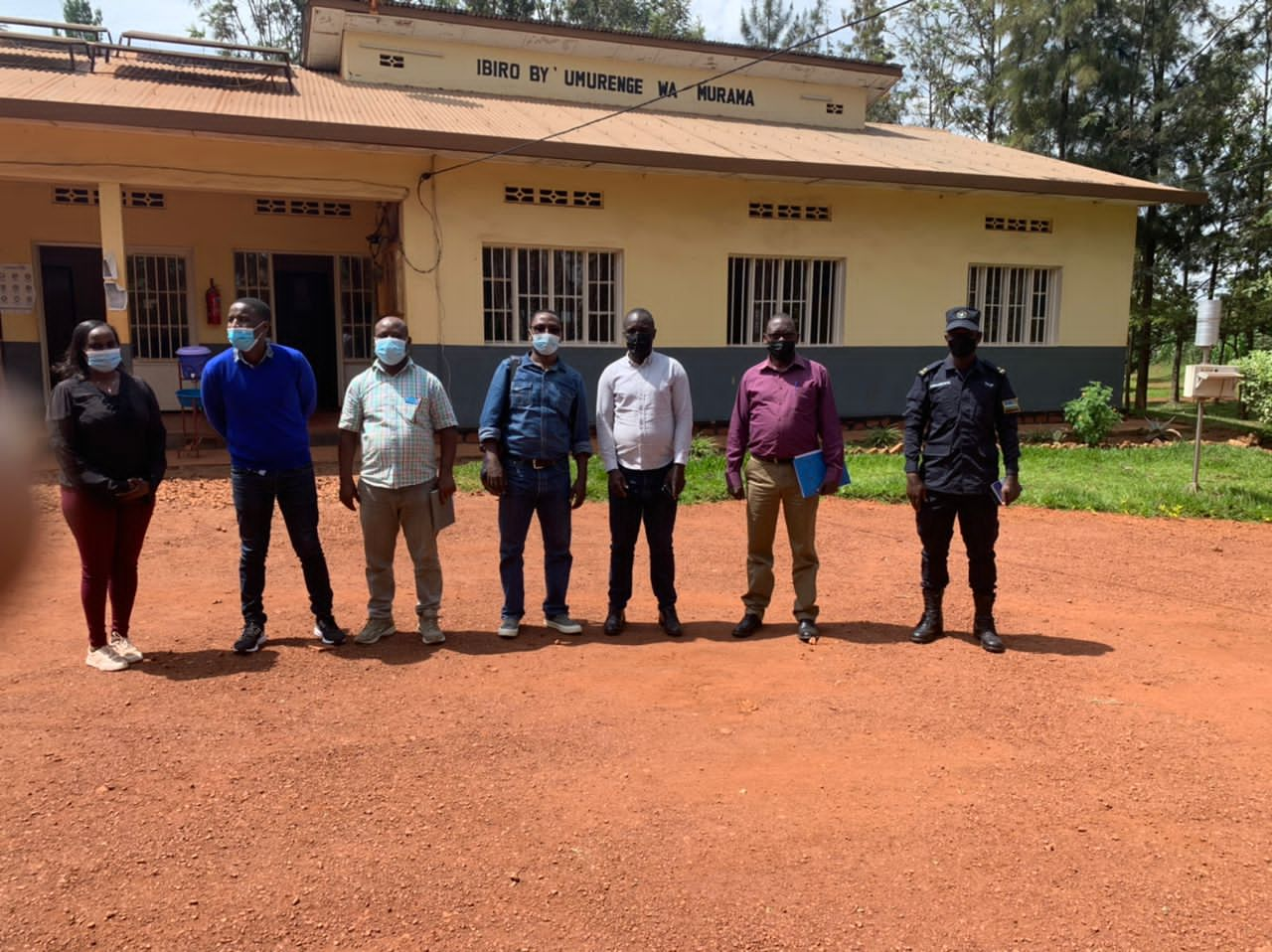

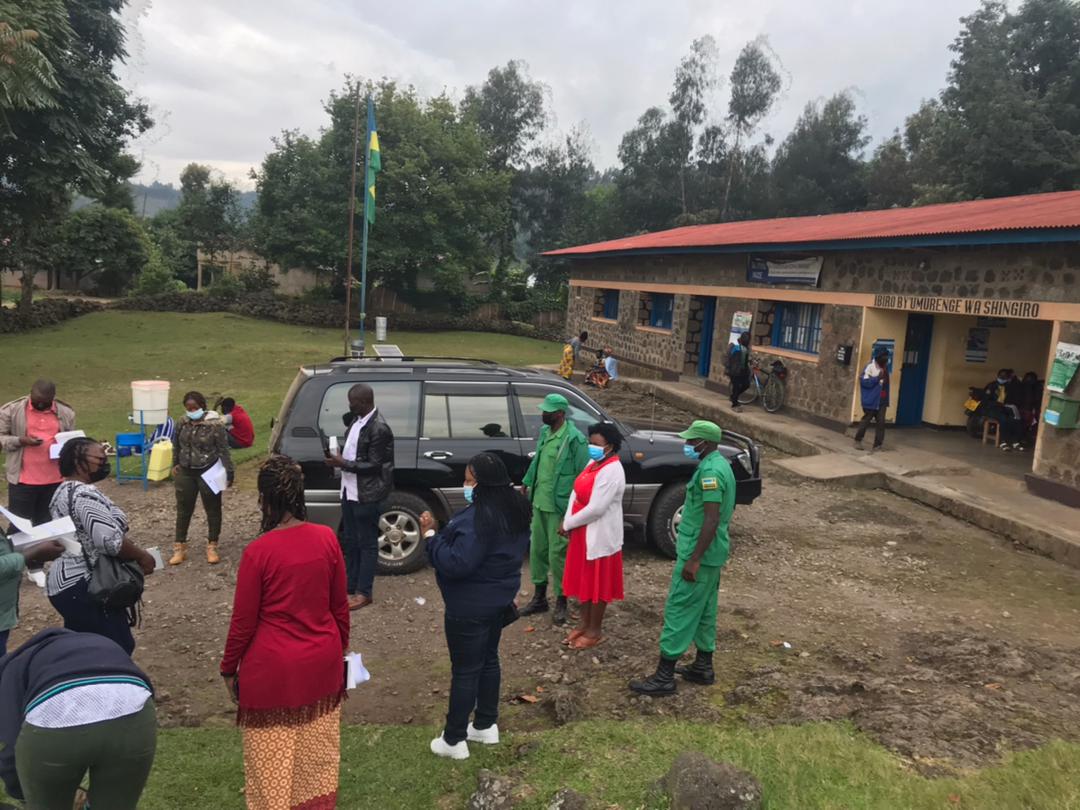
VISIT TO NYAGATARE JUVENILE PRISON TO PRESENT D.K.U. THE NEW PROJECT
The Executive Director of DIDE RWANDA alongside with LAF legal Aid Attorney introduced the DKU project into the Prisons, Gicumbi prison and Nyagatare Prison respectively.
Here Inmates will receive mental health support and receive help in accessing the justice. Automatic, they meet with the DP of Gicumbi prison and the DDP of Nyagatare prison, here they present the new project and how it will be implemented.
Psychosocial therapy will be conducted in this these selected Prisons
Activities:
Develop manual on prisoner mental health
Trained Prisoners on psychosocial therapy/ mental health.
Facilitate therapeutic group sessions
Monitor activities: clinical supervision, individual counseling, meeting with focal points and other prison official as needed …..
Beginning will be the screening of the peer educators who will help others in the groups and will follow up their recovery
This project is in its piloting phase and we will update you as it progress

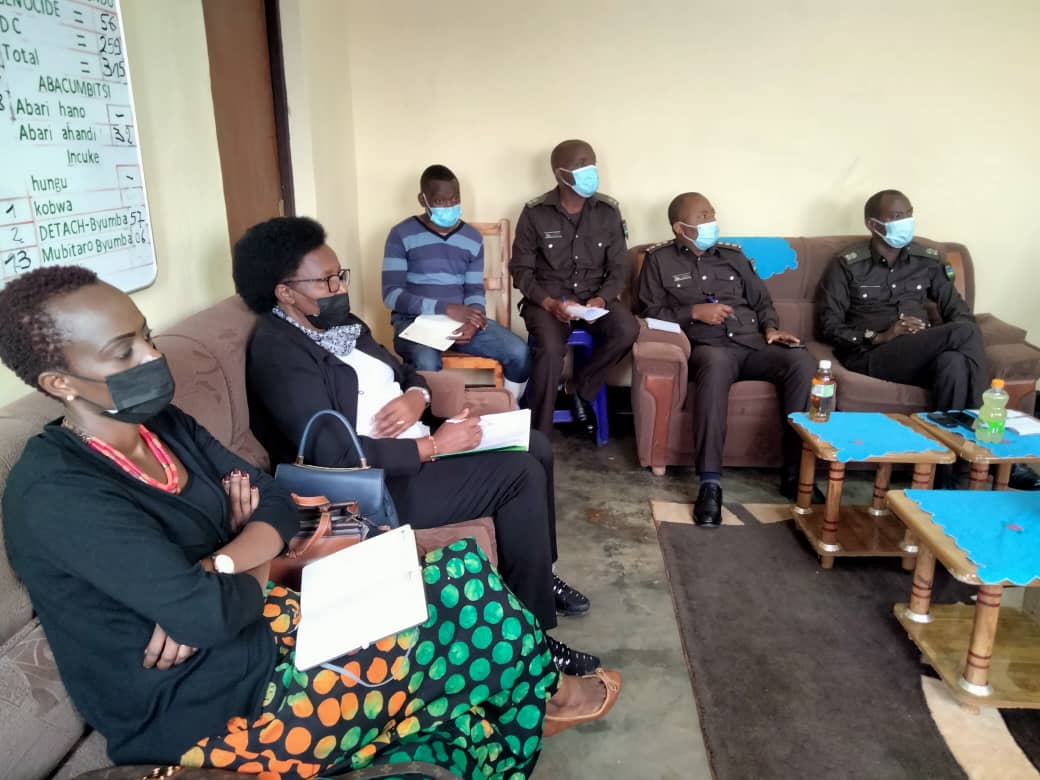
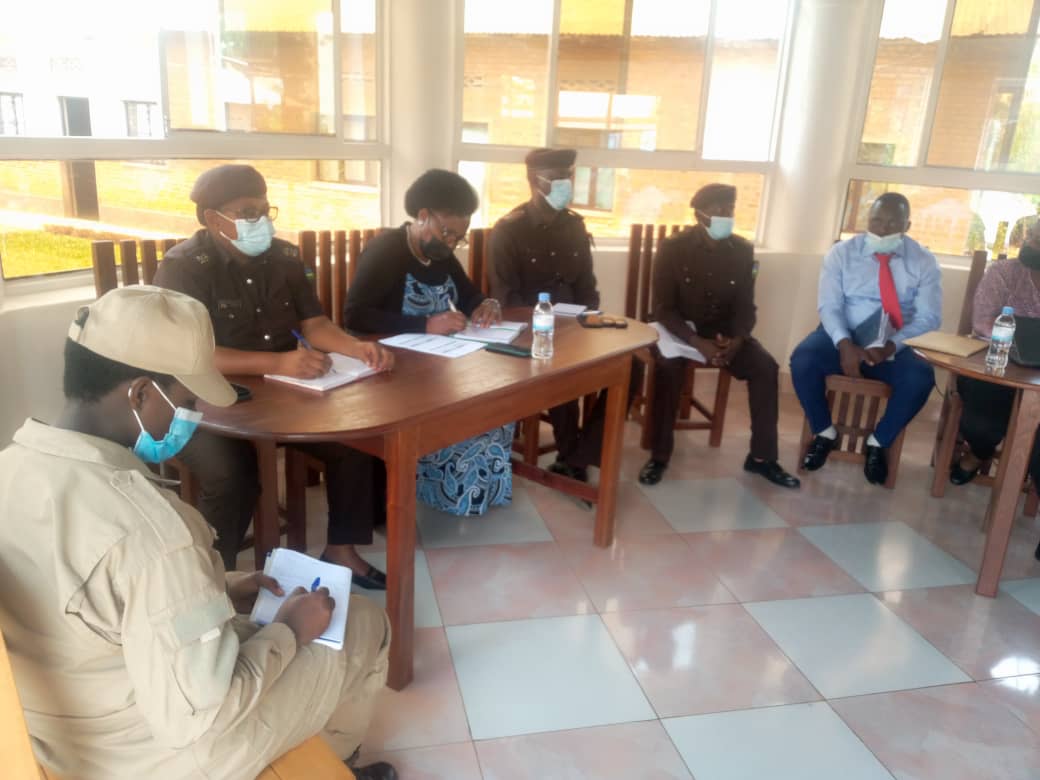
The introduction of new programme on consolidating unity & resilience in 7 districts in Rwanda.
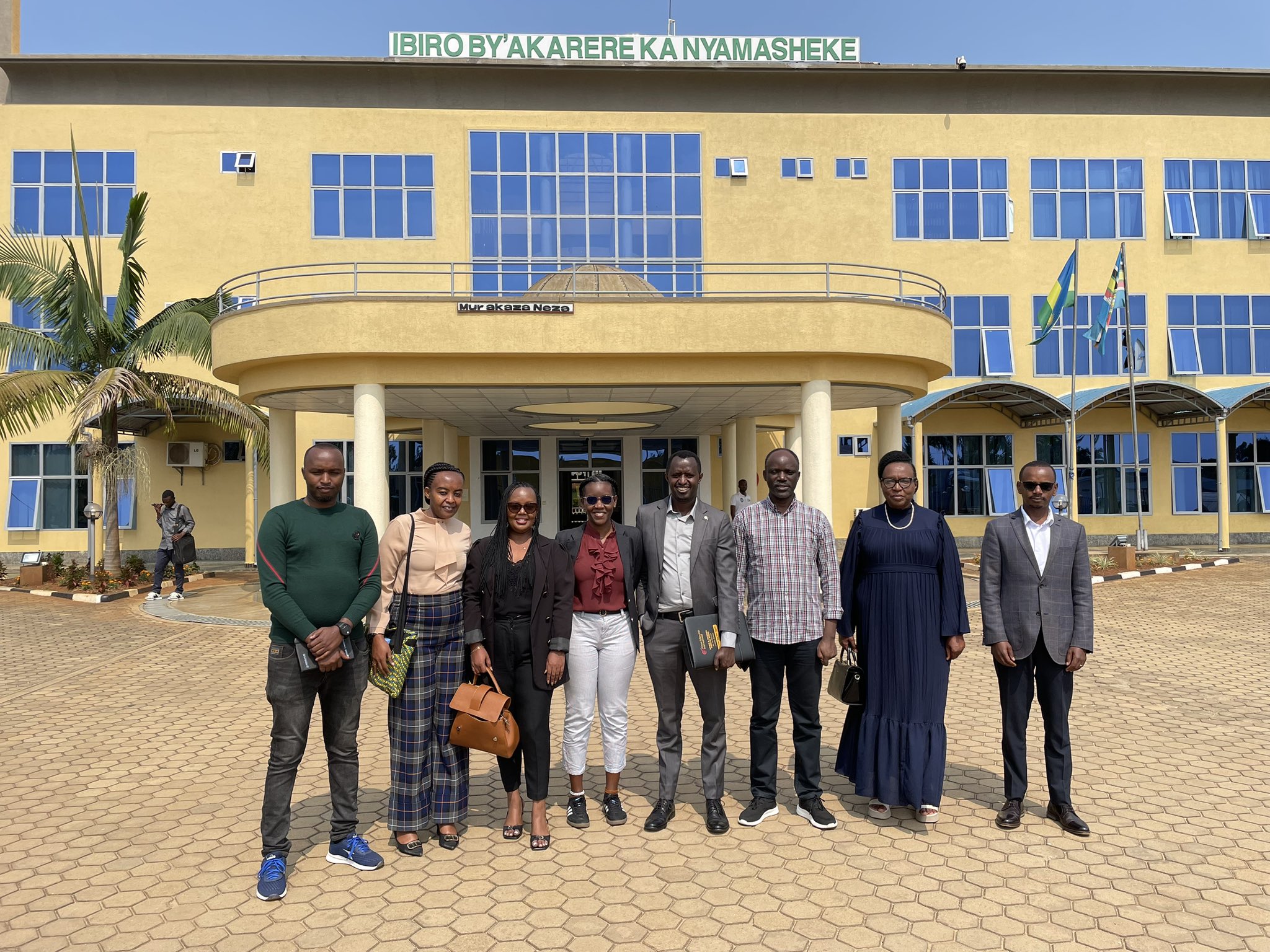
Fig 1:At Nyamasheke District Office
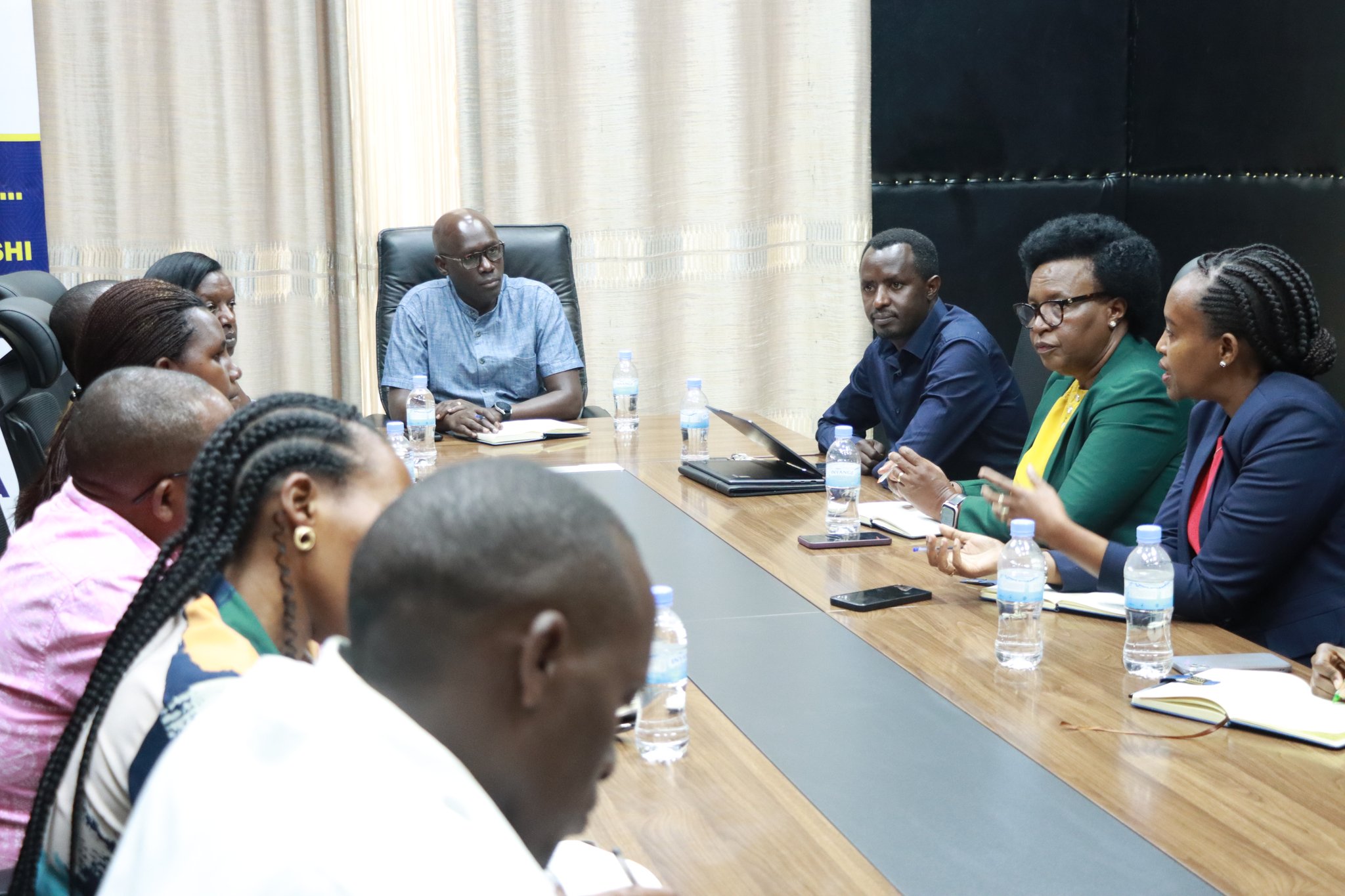
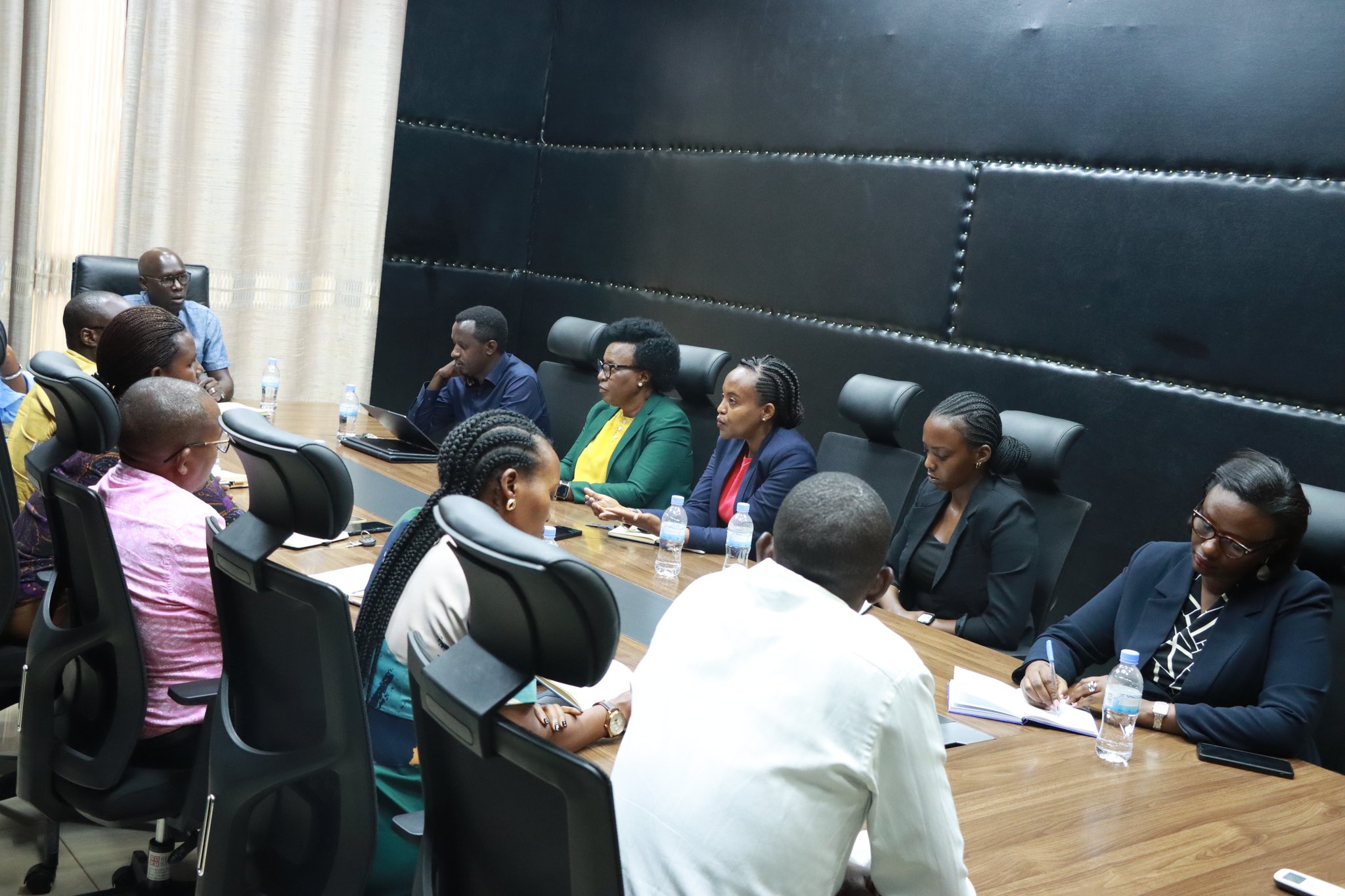
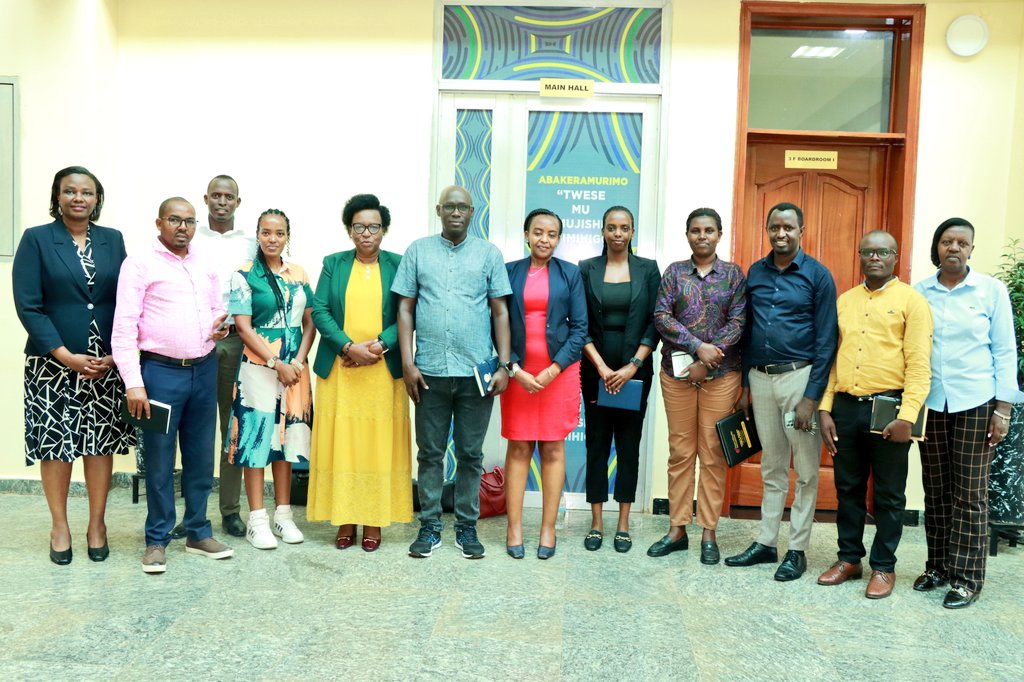
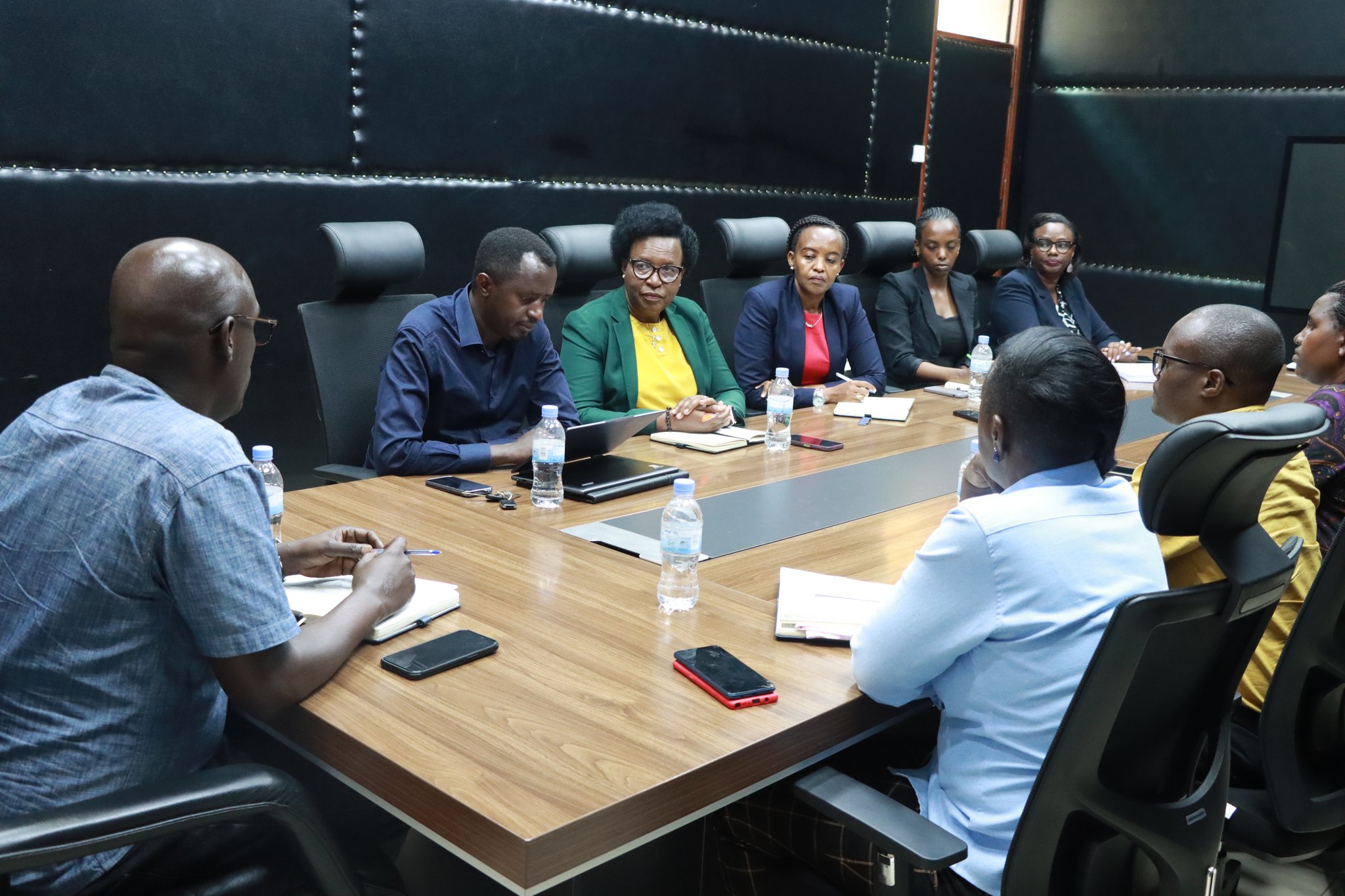
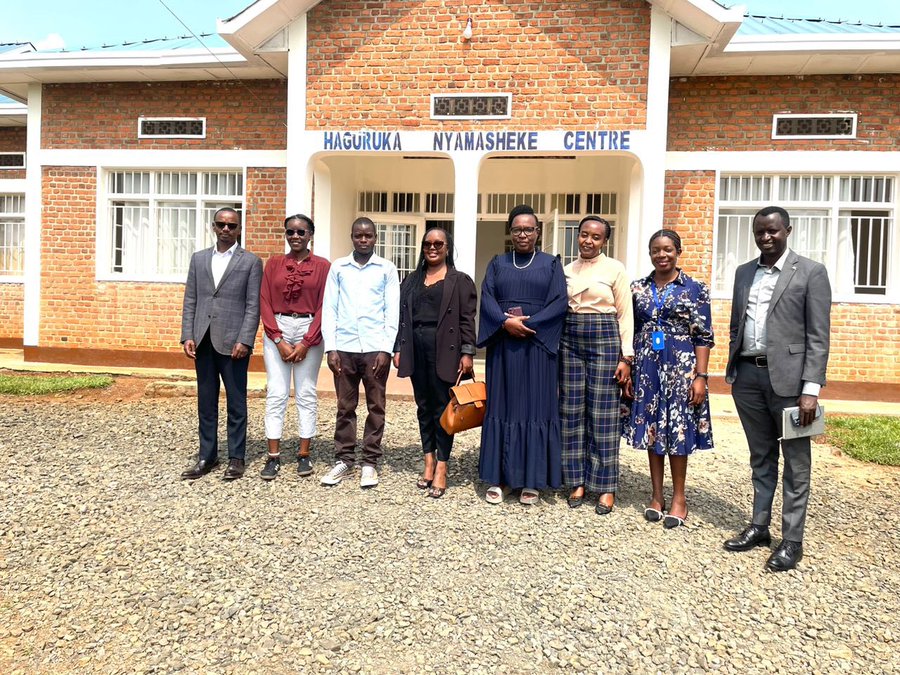
In collaboration with @Interpeace_Org and all partners (DiDe Rwanda, HAGURUKA, and Prison Fellowship Rwanda), they had a cordial meeting with the leadership of Nyamasheke, Muhanga, Bugesera, Karongi, Gicumbi, and Nyarugenge to introduce a new programme on
“ consolidating unity & resilience in 7 districts in Rwanda.”.
This project will focus on helping prisoners convicted of the Genocide against the Tutsi who have completed their sentences to return to normal life and live well with others.
Thank you European Union in Rwanda, for the support & Ministry of National Unity and Civic Engagement for the strategic partnership.
RWANDA HEALING PROGRAM INTRODUCTION IN THE PRISONS
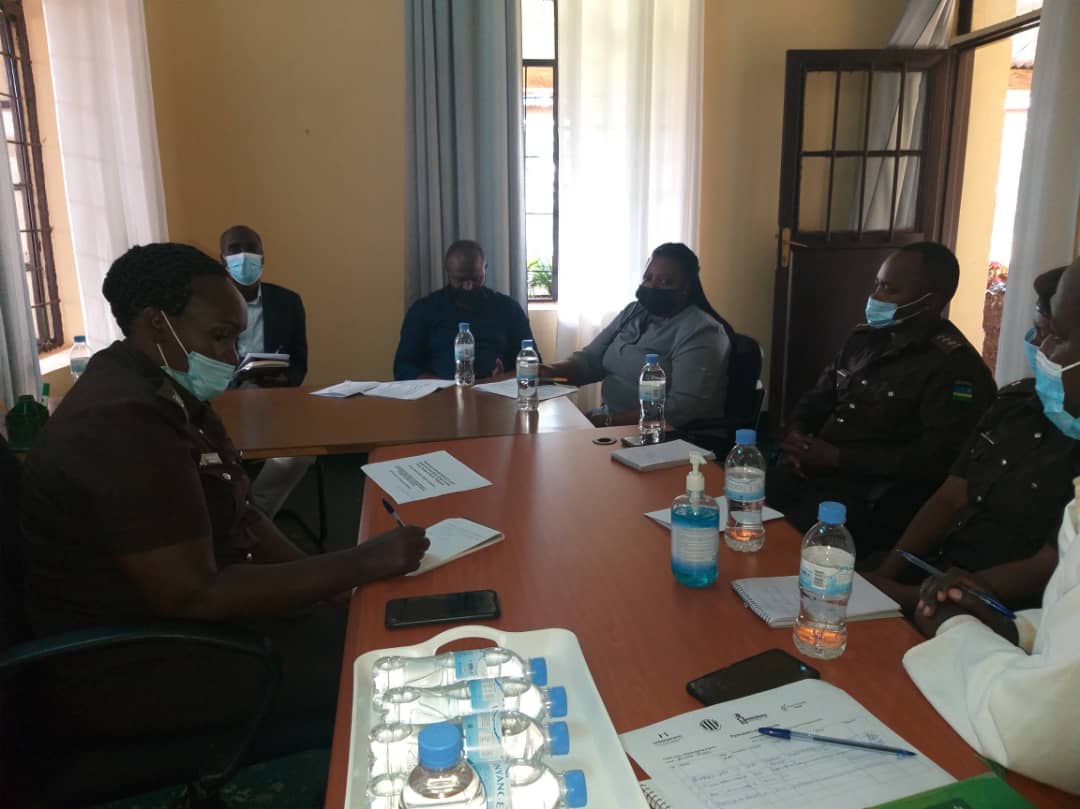
Today DIDE Rwanda introduced the new project to the heads of selected prisons entitled "Reinforcing Community Capacity for social cohesion and reconciliation through societal trauma healing in Rwanda"Automatic word wrap
This project where DIDE and its partners are funded by SIDA will provide psychological support to inmates and reconciliation with the Genocide survivor and ensure their safe return to the society.Automatic word wrap
This project is presented in the selected prisons: Musanze, Nyamagabe and Ngoma.Automatic word wrap
Following are activities scheduled for the program:Automatic word wrap
In the beginning group psych-education training will be conducted for prisons officials, setting up healing spaces inside the prisons,Automatic word wrap
Organize diagnosis specific clinical spaces for current prisoners,Automatic word wrap
Multi-family based interventions for current prisoners
This program still in the pilot phase and we will cover all its progress



PRESENTATION BASELINE SURVEY ON THE HALFWAY HOME PROJECT
Today at Marriot Hotel Kigali DIDE RWANDA with its partners Sterling Foundation and RCS presented the findings in the Baseline survey of the Halfway home project, the project that will support inmates with less than 2 years left on their sentence live in a like home center (the transition center).
Research conducted on more than 800 prisoners showed that the long serving inmates have high mental disorder and depression, because they spent more years in jail their mental health deteriorate.
The assessment was to find what should the center provide for those inmates who need to return to the society and be able to coexist with the community around them, first is to heal them mentally, provide social reintegration and give some skills to improve the standard living as they come to start over in the society.
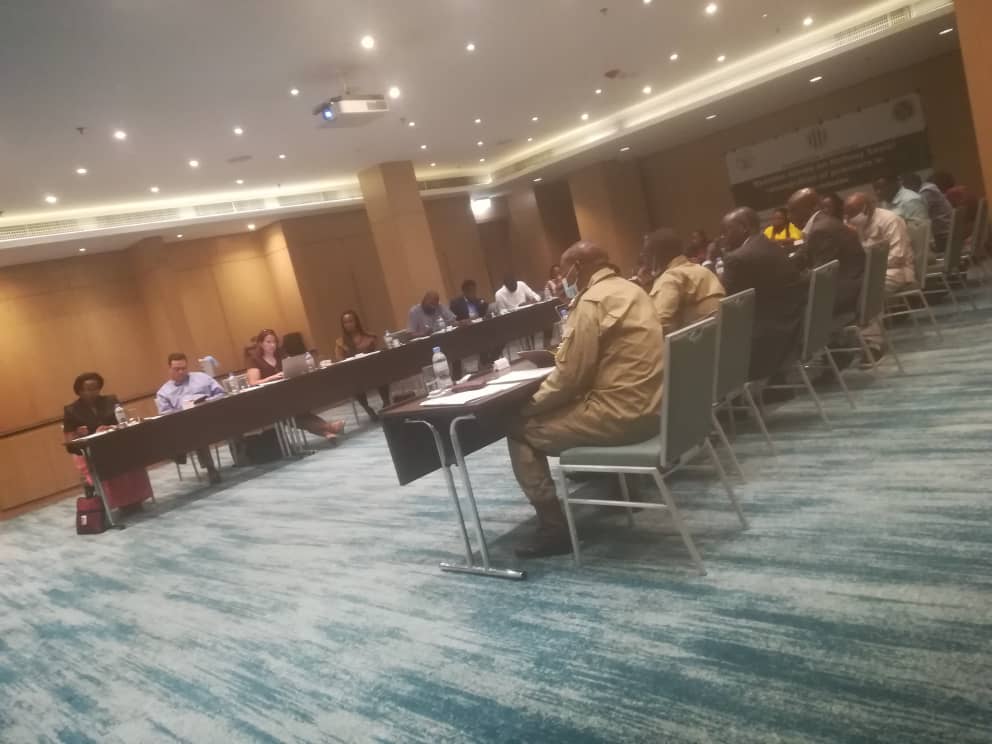
Different Guests was at the presentation of the findings including NICOLE from Sterling Foundation and Douglas who fund this project other guests are HAGURUKA, PFR, RCS, and other who will work closely to this project.

Participants had a time to give comment and they asked researchers what is the perception of the community towards released prisoners when they come to live again in the society:
Many have shown emotional and psychological disorder, and this must come first in support of the mental health then receive social cohesion support
They will receive support and will be facilitate to access financial means to improve their livelihood.
People loose dignity at the time they commit the crime, the center will bring the best in prisoners and prepare them to live well and in a productive way
Some men and women have created a perceptive of not trust their companion, and with the center we should bring the trust back in them.
There have been special findings in the Genocide perpetrators prisoners who show strong resilience and couldn’t accept their crimes they committed, surprisingly if they get a second chance we would use it, as the center will be an education oriented.
Teaching the community what the center is all about, skill based is the main key, linking long serving prisoners with their families when they are staying in the center.
Speaking at the Meeting Mrs. NICOLE said that they are going to work very closely to make the center happening in the coming days to change the condition of prisoners.
We still have some work to do, prison problems are very big problems, this research helped us to see the real image.
Speaking in the name of RCS CSP Damien Said" Thank you for this opportunity as we came together to find good solution for the reintegration of ex-prisoners.
The halfway home will cover the gap between the social reintegration we want to build the actual reintegration that create tie with the families of current prisoners for the last days of their imprisonment.

OFFICE VISIT FROM HUMAN RIGHT COMMISSION & OTHER PARTNERS
Today we are delighted to receive the delegation from the NCHR(National Commission for Human Rights) and their partners including RCSP(Rwanda Civil Society Platform), CLADHO(Collectif des Ligues et Associations de Défense des Droits de l’Homme au Rwanda) and RESEAU DES FEMMES.
The one day visit was to strengthen the collabollation between different institutions working in the human right field to work together and promote human rights.
they was welcomed by DIDE Executive Director who showed them what is DIDE Rwanda its Vision, Mission, and intervention in the society where most impact is done in the prisons to support the vulnerable people: young children living with their mothers, old women in different needs accordingly.
we are happy to make contact with the big names in the human right sector and good collaboration was stimulated in the short hold meeting.
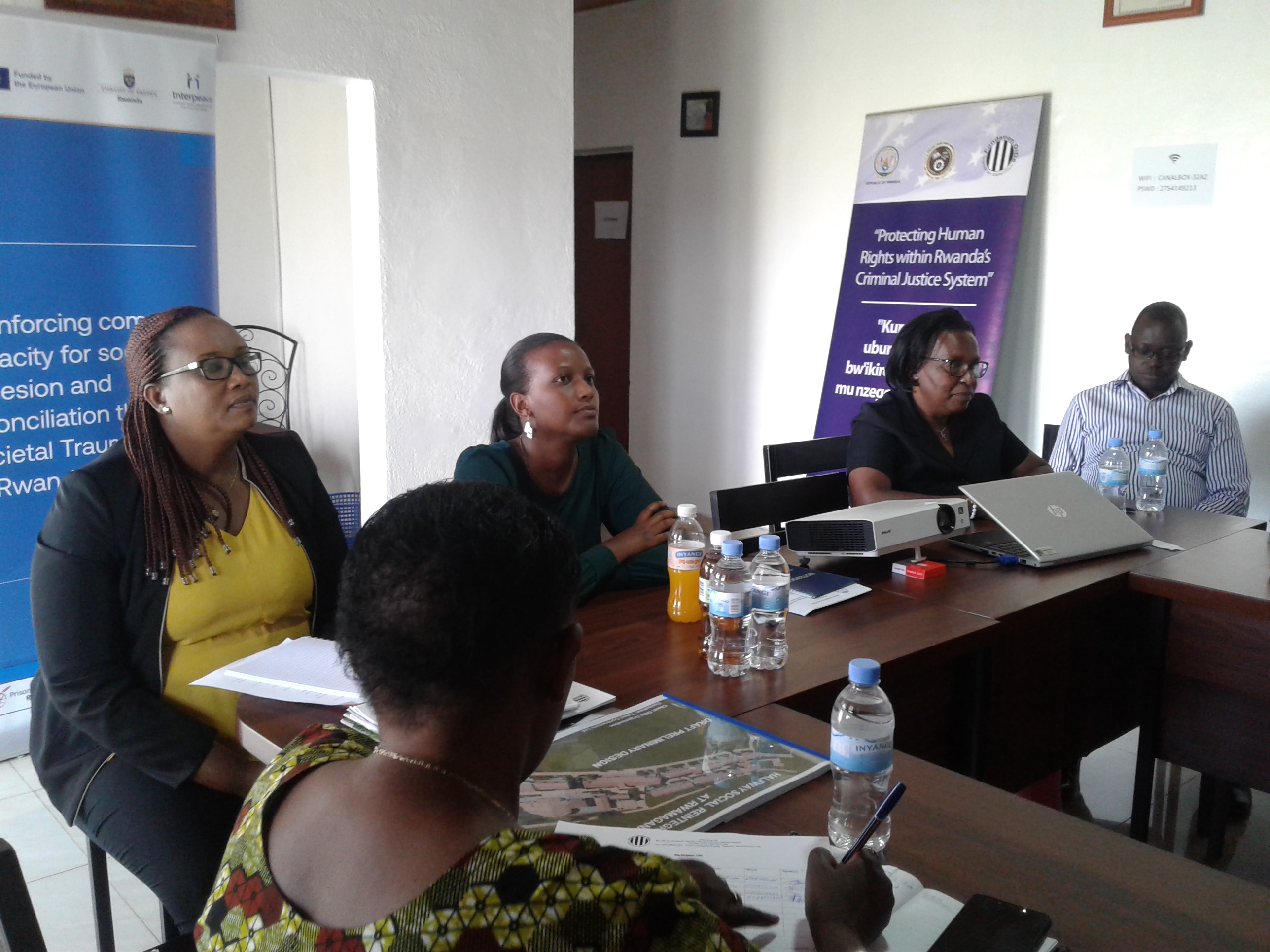

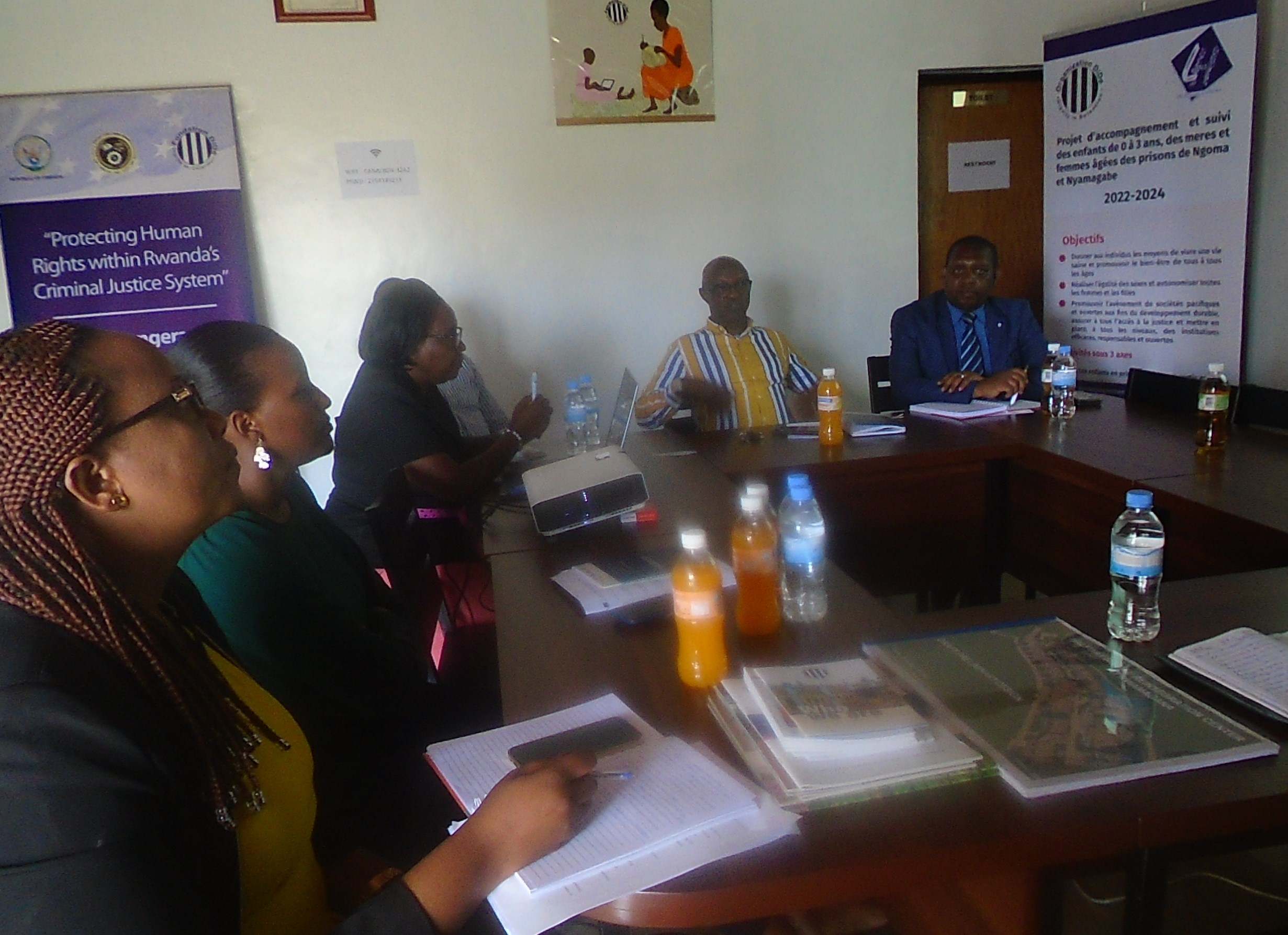

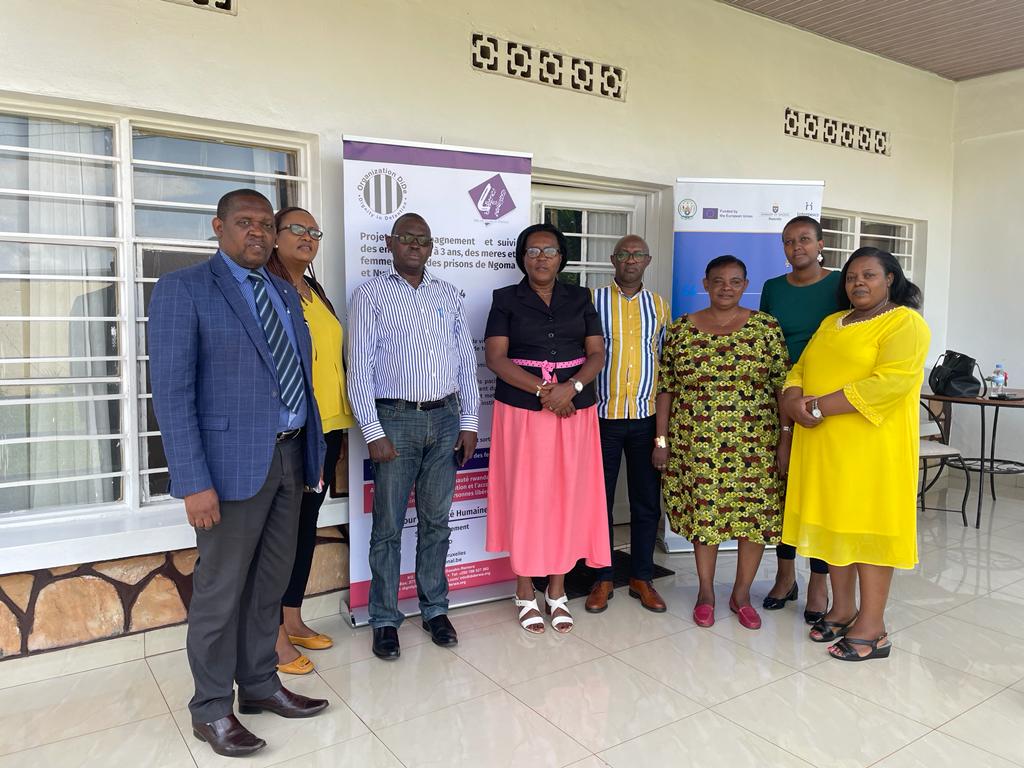
The Annual planning workshop is to discuss...
The Annual planning workshop is to discuss all successful activities and other lesson learned and make necessary adjustment.
For DIDE during the introduction in prisons there is an issue of finding the healing spaces, during the time of the project implementation we rise the TVET standard that has not the same credentials as the others offered to non prisoners students.
This pilot phase showed that the program remain relevant to the community, there still a problem using the reporting system.
ACTIVITIES
Discussion on the activity 1, to enhance healing and psychosocial resilience, this point is focused on creating psychosocial support providers at the district and sector level to strengthen their engagement with the community.
At this level here we provide training of psychotherapists and community facilitators, during the project execution local leaders need to be training


FINDINGS OF THE BASELINE SURVEY FOR RWANDA HEALING PROGRAMME
The 1994 genocide against the Tutsi in Rwanda was one of the largest man-made disasters of the 20th century and deeply damaged the social fabric of the Rwandan society, to be implemented in 5 districts: Nyabihu, Musanze, Nyamagabe, Ngoma and Nyagatare.
With a goal “To reinforce social cohesion and sustainable peace through scaling up community-based healing initiatives”, The interpeace Programme funded by Swedish Embassy.
The Specific objectives are the following:}
a) Understand mental health, social cohesion, family, and livelihoods challenges, and related resilience capacities in each sector of the five districts.
b) Identify persons who may need support in the above-mentioned domains, so that they can be assigned to Resilience Therapy, Sociotherapy, Multifamily Therapy, or Livelihoods Initiatives according to their profile,
c) Identify community-based institutions and potential resources to support efforts for community resilience.
d) Understand gender perspectives and relations in each sector of the five districts, to help ensure that all project activities will be gender-sensitive and gender-informed.
e) Pilot of community-based methods for collective trauma healing and societal recovery.
The research found that The disorders including PTSD, OCD, depression, panic, anxiety are aggravated by other risk factors including emotional and substance abuse; sexual abuse; family problems; social tensions and intergenerational transmission of genocide legacies.
Furthermore, it has been found that there is an interlinkage among four dimensions our study: Mental health, peacebuilding and social cohesion, collaborative livelihoods, family cohesion and gender. In one aspect, some elements of mental health (issues) may constitute fragility factors to other dimensions; or variables of each other dimension may constitute either fragility or resilience or drivers of others.

Mental health is a significant contributor to family cohesion, social cohesion, and livelihoods. For example, genocide-related trauma was a fragility factor for social cohesion; mental wellbeing was a significant driver that increased food security index, whereas anxiety was a driver that decreased this index. It seems that it is a key component for the economic betterment.

The study findings reveal that, for reconciliation and sustainable peace, material and economic aspects as well as psychosocial and mental health issues of people’s post-genocide experiences need to be addressed.

Other studies have also revealed that recovering from traumatic experiences is an essential foundation for Peace Building, as when this foundation is not established, Peace Building activities will not generate sustainable transformation and sustainable peace.


VALIDATION MEETING OF THE MEDIATION MODULE PREPARED BY HAGURUKA
On 6th July at Parkinn hotel Haguruka organized one day workshop meeting it is a validation of the mediation module that will be used in the community in order to prevent people going to court for minor conflict like land and other family conflict.
During the workshop we went through the module where we saw the meaning of the conflict and the cause,
- there is conflict for a person himself,
- Frustration,
- Natural denial,
- one between 2 persons,
- groups and more
The way conflict appears:
some that is starting to appear, the one you can see
Source:
- properties,
- Relationships
- race and ethinics regions

Those mediators will be taught how to solve conflict by using the main resolution to look the problem from the root cause of it.
this method is to create a solution through common understanding, using the law but in a way to have a little patient.
Conclude different cases found in the families without going to court.
The module will cover the gender based violence, here is what to look for:
the purpose of this module is to understand the conflicts found in the community, and the way to handle it, the instruments to use according to the rules and culture, here better use neutrality and mediate without using his/her ego: where a mediator is from, knowledge, occupation, regions and many more.....

To make this module have an impact in the community we had a group discussion where we provided additional recommendation in 1. which ways to proper use the training ?
2. how should the trainer behave ?

Recommendation:
Make correction to the way we give training.
Avoid using breaking languages.
mediation must be used with skills and techniques so that families won’t go to court.
Include people with disabilities.

Speaking at the closing of the training the Executive Secretary of Haguruka Mme Ninette UMURERWA thanked the other organizations that came to support Haguruka to improve the module and that this will give the community a good mediation people and unite the society saying i thank the group discussion that we had today and hope this module will help solve conflict in our families. Including gender into the techniques will solve violence the cases will end up in mediation and if it can’t be solved then will go to court.

Ninette UMURERWA The Executive Secretary of HAGURUKA
The country representative of the InterPeace that lead the program Mr. Frank KAYITARE said that we need mediation in this program because most of the crimes come from gender based violence, from land conflict and other family related conflict.
The training will provide positive outcome and will provide assessment, I thank Haguruka for this module that will be used by other organization, the use of this module will bring peace to our community and the society in general.

Frank KAYITARE/ Country Director of InterPeace
Group photo

VISIT OF JACQUES VARRASSE FROM WBI
We are happy to receive the visit of M Jacques Varrasse from WBI our partner for a very long time, this month he is in Rwanda to visit the activities WBI have been funding and is still funding now.
The visit at our new office focused on explaining to him how we grow into a big team and other project we are working on:
1: Rwanda healing program funded by SIDA.
Here we provide psychosocial support and mental health support to heal trauma in the society.
we improve the social cohesion to increase peace among the society.


THE LAUNCHING AND HANDOVER OF THE WELDING WORKSHOP AT NYAGATARE JUVENILE DETENTION
The launching and handover of the welding workshop at Nyagatare juvenile prison.
28TH July at Nyagatare Prison was the event of inauguration of the workshop for youth being corrected at the juvenile detention.
Build and equipped by Caritas Byumba funded by Oxfam through the IrishAid the workshop will serve as the skill centre to acquire the knowledge that will help them work and make a living in the society as well as building the country in the development

Speaking in the name of the juveniles Oliver said they thank RCS and their partners for the workshop, the skills and knowledge they acquire in the prison to be used when they return living in the community, they learn different skills in carpentry, embroidery, shedding hair and many more.
The inspector of education at Nyagatare district acknowledged the work done by different partners and that they made a proposal to the Ministry of education to make it the centre for examination.

The youth of Nyagatare juvenile performed different kinds of drama theatre that highlight their daily correction activities and how they treat each other to become better and abiding citizens. after they performed traditional dance and sang their own made songs
The Oxfam Country Director in her speech thanked the RCS for their collaboration with them to complete the construction of the welding workshop and also the IrishAid for providing financial support.
The ArchBishop of Byumba said working together with other partners will bring more benefit to those juveniles during the time of correction and the expansion of more workshops for different fields will be constructed.

The Deputy Commissioner General of RCS said there is something changed to those children as they are treated respecting their rights, she reminded them that they are the force of the country and that when they return into the community they should not behave like before they come into the prison.

WORKSHOP ON HUMAN RIGHT MONITORING AND REPORTING
Human Right Monitoring and reporting workshop
In a 3 days a workshop organized by Cladho with the support from UNDP, the objective of the training was to learn techniques of Human Right monitoring and reporting. Opening the workshop Representatives of CLADHO, UN human right Commission and the Rwanda civil society platform all thanked the participants for their time and all who made great effort for the training to happen, they encouraged us to use the tools learned during the time in our daily activities when we go back.
Our facilitators Dr. Eugene and Taima Lydia taught us on the first day the Monitoring Techniques on Human rights where we must use Active collection of Information
Observation and verification of the information
Facts finding of gathering contextual information


When correcting information here is important point to consider:
Impartiality
Information based on evidence
Inclusiveness
Take calculated risks and don’t force people to give you information
Seek consultation, ask for advice
Credibility, confidentiality, be patient, Persistent, consistent.
Interviewing your victims, collecting complaints and testimonies, conduct your interview on site, visit your witnesses and more often use the triangulation method and indirect investigation.
Take photos but consent the victims before using them.
In the group discussion we studied how to take preventive measures to protect victims and witnesses by creating safe space for conversation, changing the recorded voice, and appearing to be familiar with his/her situation.
Avoid gender stereotypes and keep discretion and always check what the law says.

REPORTING
Following monitoring Human Right reporting is to analyze information and produce a full story without emotions, there are problems doing so like threat, violence.
Those are some steps to follow:
Planning thorough research,
Knowledge of the human right instruments,
Concise language.
Characteristics of a good report:
Contain key messages tailored to the target audience
Be self-standing
Be drafted in simple and objective way
Be produced promptly
Be based on collaboration information
Respect confidentiality

While publishing the report better to build the Synergie with other organisations, no field will be developed without community of practice.
Building horizontal synergies, supporting each other
Vertical synergies: Identify people with high power and high interest to people with low power and high interest.


Penitentiary and Community involvement in the reintegration of women prisoners and children living with their mothers in the women’s prisons of Ngoma and Nyamagabe(WBI)
In this October under WBI program to integrate children under 3 years living with their mothers in prisons children have been linked with their families at Kayonza District(Ndego Sector/ Byimana Cell) and in the Kigali city (Gahanga Sector/Kagasa Cell) on the 5th to 7th .
The families are well prepared to receive and accommodate the child where he will benefit family education and many more while growing up.
Most of the families are in poverty where we need to find a way to help them.


Training of community facilitator’s multifamily healing spaces
During the implementation phase of the Interpeace/SIDA Programme, the following activities were undertaken over the month of October, 2022: Training of community facilitator’s multifamily healing spaces, Preparation of the activity of Provision of specialized vocational skills training in prisons, Training of Trainers on conflict resolution and Mediation technics, 24th Conference of International correction and Prison Association (ICPA).
Since October, 10th to 14th 2022, DiDe in partnership with Interpeace, Prison Fellowship Rwanda and Haguruka, co-implemented a 5 days training of 40 community facilitators of Multifamily healing spaces in Musanze-Nyabihu and Nyagatare- Ngoma Disrticts.
The objectives of the Multifamily Training were:
* To reinforce mental health and trauma healing in Rwanda as well as
social cohesion through the scaling up of evidence-led community-
based healing and development methods.
* To integrate Community based methods for addressing past wounds
and promoting social cohesion into mental health and prisoner
reintegration process.
* To increase Collective healing and socio-economic development
activities towards social cohesion in targets communities;
*To provide youth with the skills and spaces to manage past trauma
and develop a shared understanding for building a peaceful and
inclusive future.


The training balanced didactic and experiential technics, participants had the opportunity to take part in experiential exercises and practice them with each other. Thanks to this method a significant proportion of learning comes through group interactions.
2. Training on trainer for Mediation
Since 19th-21st, DiDe Staff together with the staff of other Implementing Partners of Interpeace attended a 3 days training of trainer’s session on mediation which took place at Grand Legacy Hotel.
The overall objective of the training was to provide the program staff with insights and skills needed to facilitate similar training for local actors at community level and to discover mediation techniques and understand the mediation process and learn how to engage the mediator to help disputants reach their own voluntary solution to the conflict.
During this training the following topic were discussed: The first section included different forms and levels of conflicts that can be handled in Mediation (Understanding of Mediation, mediation technics, how to conduct a mediation session, a good mediator, Principles of mediation), the second section was about Gender and Gender based violence.
GRADUATION CREMONY OF MVURA NKUVURE GROUPS
Inline with the D.K.U Yesterday 13th Dignity in detention hosted a graduation ceremony at GicumbiPrison where 165 prisoners who benefitted from Mvura Nkuvure were celebrated and 23 inmates were awarded certificates for successfully completing training to become peer educators who help to facilitate sessions.
For the past 8 months, our partner The Legal Aid Forum under USAID Rwanda
DKU Activity has been conducting psycho-social counseling sessions for prisoners through the Mvura Nkuvure group discussions which provide space for them to talk about their problems, heal, and live peacefully.


REINTEGRATION OF CHILDREN UNDER 3 YEARS OLD LIVING WITH THEIR MOTHERS IN PRISON INTO THE SOCIETY
One of the activities planned in the project is the training of psycho-social assistants who accompany children living with their mothers incarcerated in the women’s prisons of Ngoma and Nyamagabe. A total of twenty-five inmates and eight staff from the two target prisons had benefited from the training. For prisoners, those who have at least 3 years to spend in prison are selected; which will facilitate the implementation of the learning outcomes. The trainings took place on May 30 and 31, 2022 in Nyamagabe prison, and on June 1 and 2, 2022 in Ngoma prison.
In DIDE’s ongoing monitoring, it collaborates with prisons to reunite children with families. From January to September 2022, seven children have just been reunited with their families; where the three were reunited with their fathers and the four with the next members of their families: grandmother (1), uncles (2) and aunt (1)), and the activity continues as the children reach 3 years; they will be reunited with their families or if there is no family member, the process of finding them foster families continues
Some children are not yet handed over to their families, for various reasons:
Two live with disabilities and family members are not yet ready to welcome them (one child in Nyamagabe and two others in Ngoma);
Others have no known fathers, and other family members are unwilling to support them.
It also happens that fathers do not want to take care of their children (such as fathers who remarried, or who had this child illegally or irresponsible fathers)
There are others whose mothers are nearing the end of their sentence and prefer to leave at the same time with their children.
Also, some mothers are not yet ready to separate from their children; for such mothers, psychological assistance continues, because usually such a separation takes time, which could be long or short depending on the individual
Be that as it may, the child reaching three years old must leave prison to embrace family life; those who do not have family members ready to take care of them will be assisted to have foster families
Below is the illustration of some children reunited during this reporting period


INTERPEACE RWANDA AND ITS LOCAL IMPLEMENTING PARTNERS (DIDE, HAGURUKA, AND PRISON FELLOWSHIP RWANDA) ORGANIZED A 5-DAY PLANNING RETREAT
In her opening remarks, the Executive Director of DiDe (Dignite en Detention), Odette Mukansoro appreciated everyone for their role in the last 2 years of implementation and expressed her eagerness to participate in the review of 2023 and planning for 2024. She encouraged participants to share their ideas to ensure success in our work.

The Executive Secretary of Haguruka, Ninette Umurerwa, reiterated this appreciation adding that this retreat is a learning opportunity for everyone and helps ensure that the programme is on track to achieving its initial goals.
Celestin Ngaruyinka, the Executive Director of Prison Fellowship Rwanda (PFR) thanked Interpeace’s Country Representative, Frank Kayitare for his leadership and emphasized the opportunity to reflect on the programme’s achievements, challenges and ways to improve for the upcoming year.

INTERPEACE RWANDA AND ITS LOCAL IMPLEMENTING PARTNERS (DIDE, HAGURUKA, AND PRISON FELLOWSHIP RWANDA) ORGANIZED A 5-DAY PLANNING RETREA
In her opening remarks, the Executive Director of DiDe (Dignite en Detention), Odette Mukansoro appreciated everyone for their role in the last 2 years of implementation and expressed her eagerness to participate in the review of 2023 and planning for 2024. She encouraged participants to share their ideas to ensure success in our work.
The Executive Secretary of Haguruka, Ninette Umurerwa, reiterated this appreciation adding that this retreat is a learning opportunity for everyone and helps ensure that the programme is on track to achieving its initial goals.
Celestin Ngaruyinka, the Executive Director of Prison Fellowship Rwanda (PFR) thanked Interpeace’s Country Representative, Frank Kayitare for his leadership and emphasized the opportunity to reflect on the programme’s achievements, challenges and ways to improve for the upcoming year.
In his opening remarks, Interpeace’s Country Representative, Frank Kayitare thanked all staff and partners for their work throughout the year. He took the opportunity to mention three indicators of the programme’s accomplishment, namely being mentioned in the United Nations’ Secretary General’s editorial on MHPSS, and in the European Union (EU) guiding principles on mediation. He went on to mention a potential partnership with the World Health Organization (WHO) and some of the implications of the budget cuts by the Swedish government that occurred this year.
REINFORCING COMMUNITY CAPACITY FOR SOCIAL COHESION AND RECONCILIATION THOUGH SOCIETAL HEALING PROGRAMME

GRADUATION CEREMONY OF SOCIOTHERAPY HEALING GROUPS.


International Day of the African Child on 16/06/2024 at Nyagatare C.F
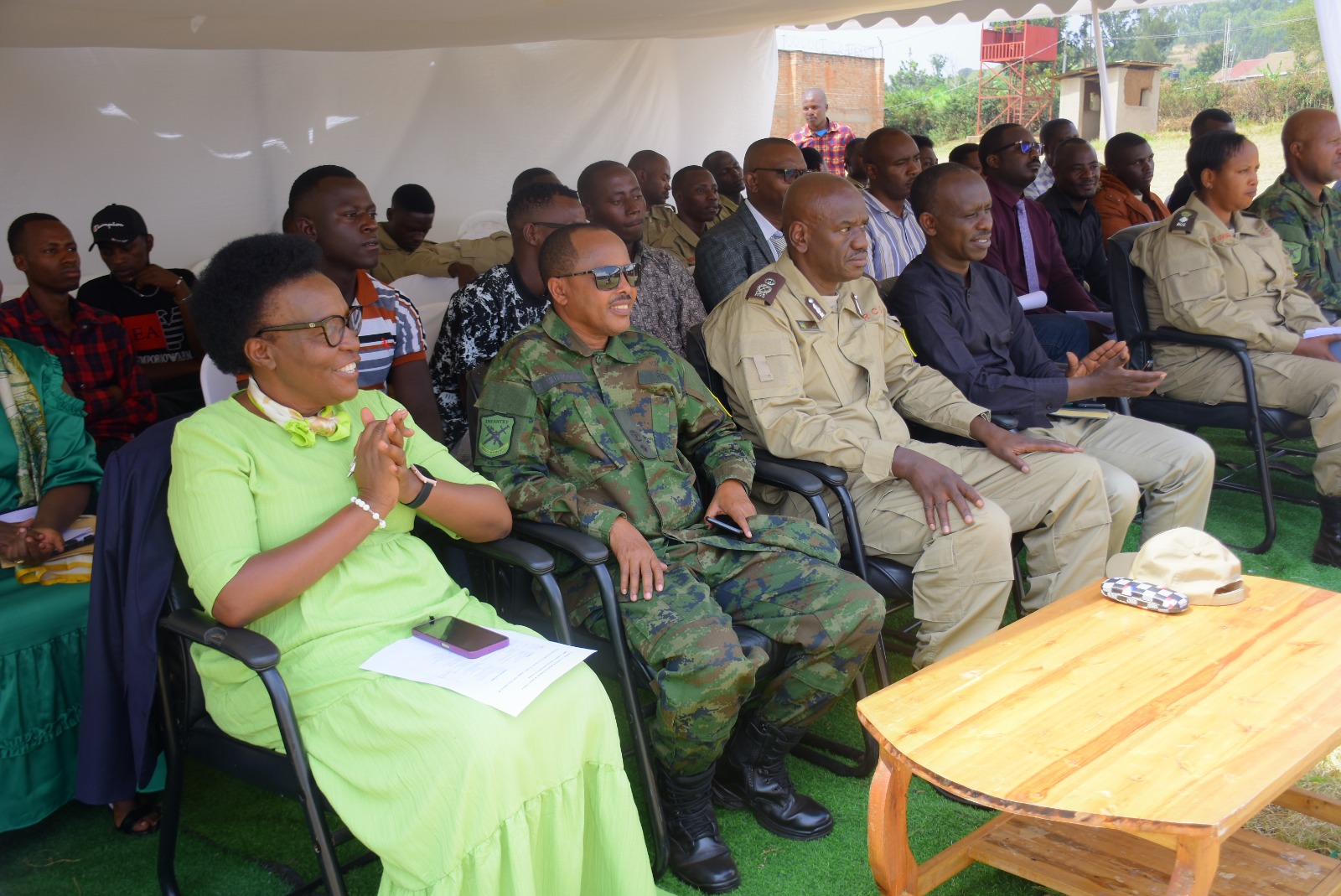
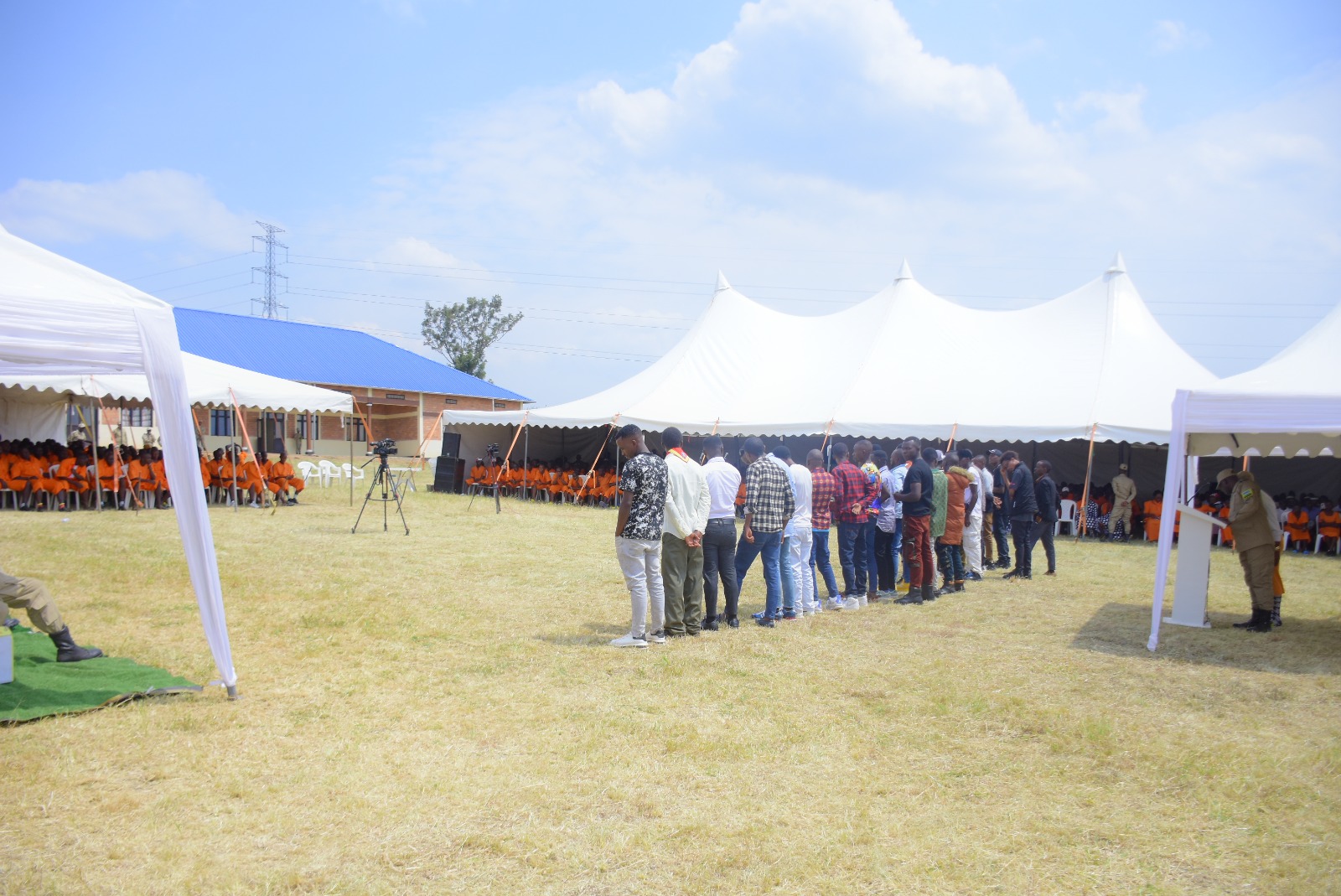
DiDe Rwanda Organization HAS ATTENDED THE 26th ICPA ANNUAL CONFERENCE.
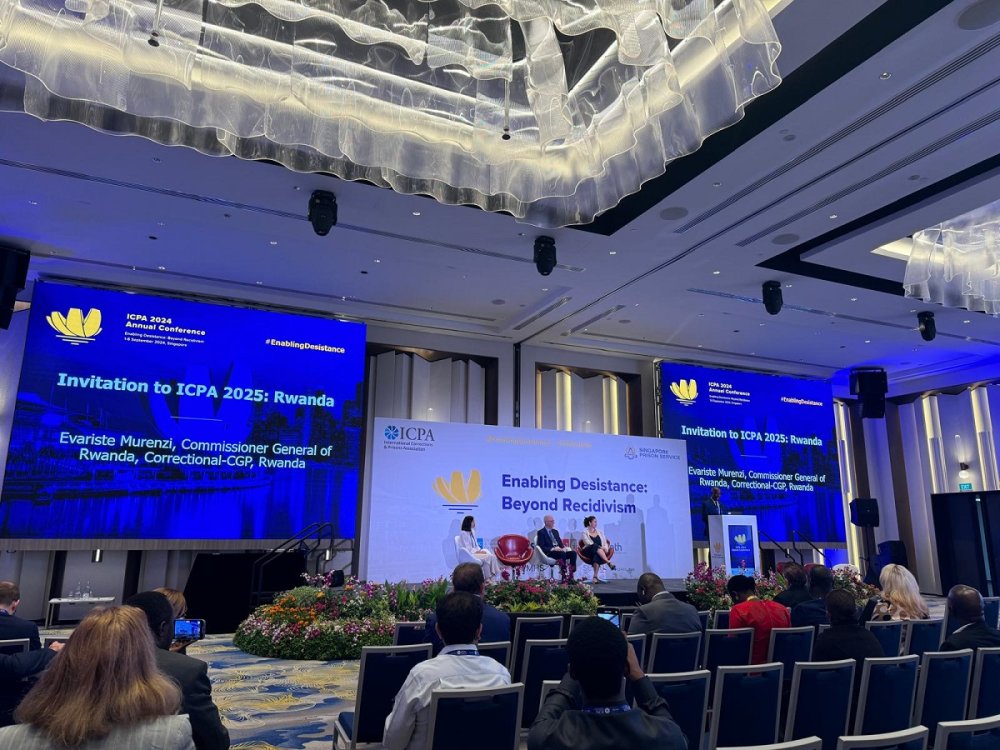
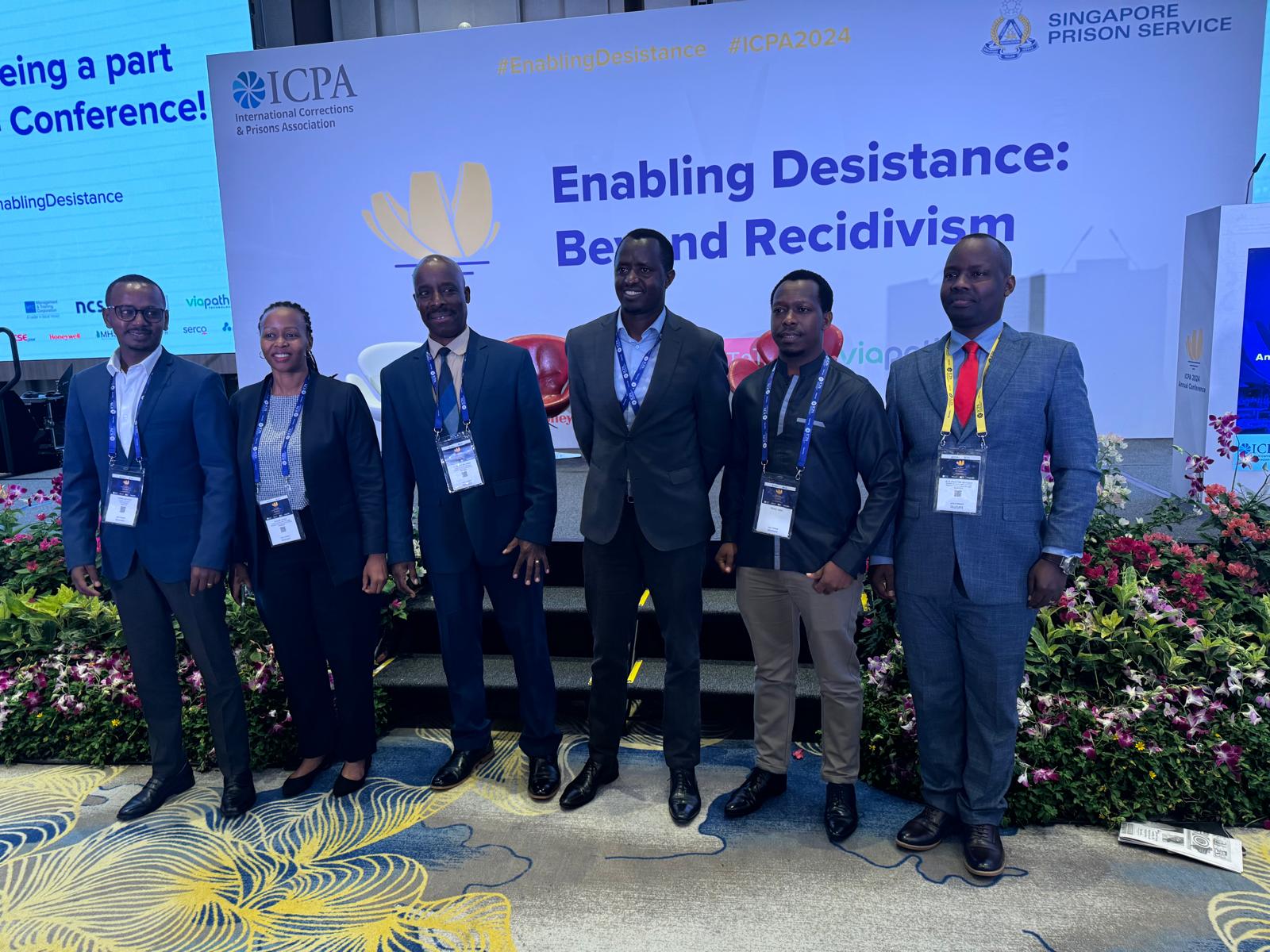
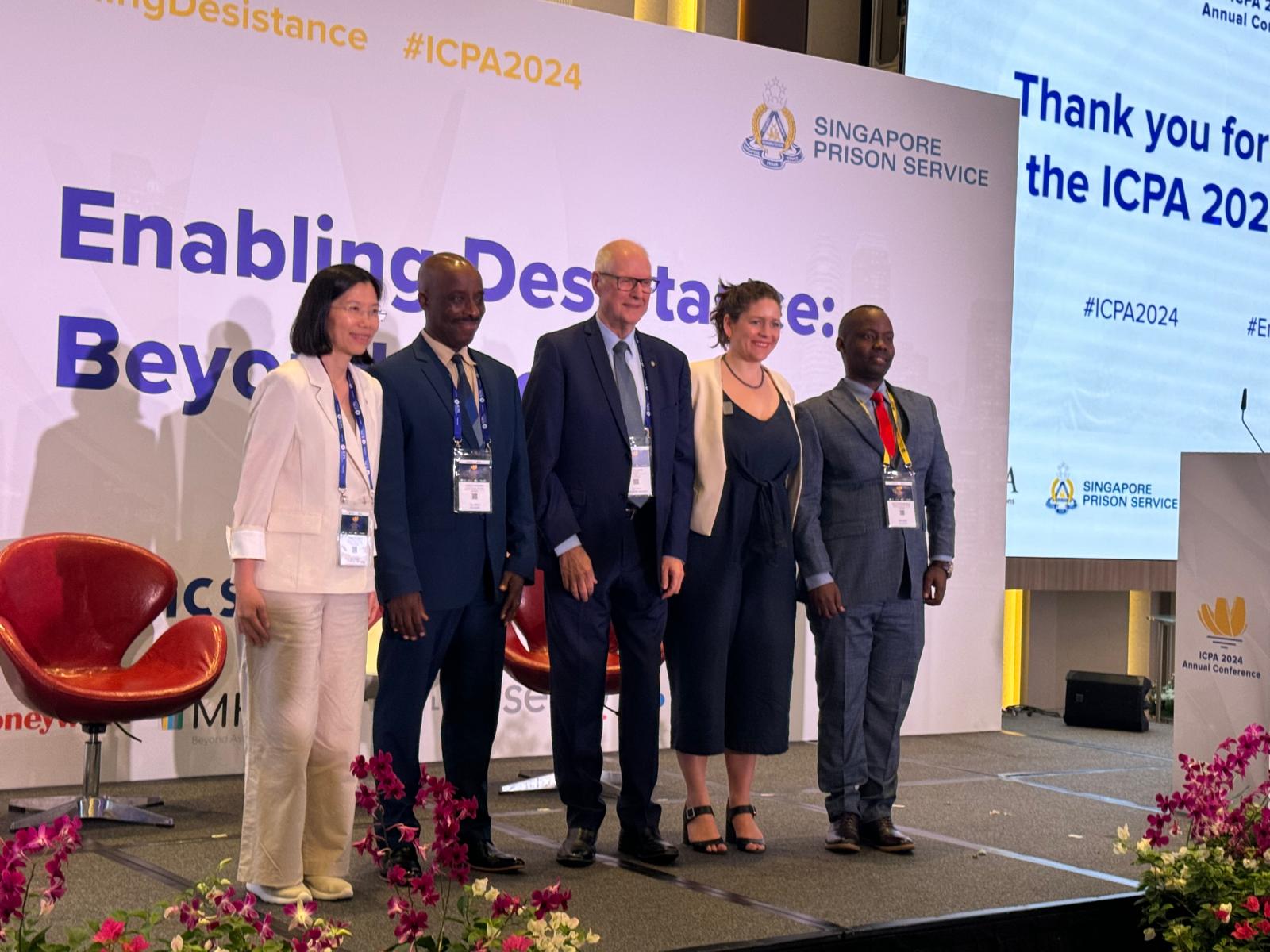
GRADUATION CEREMONY OF MVURA NKUVURE GROUPS 2024
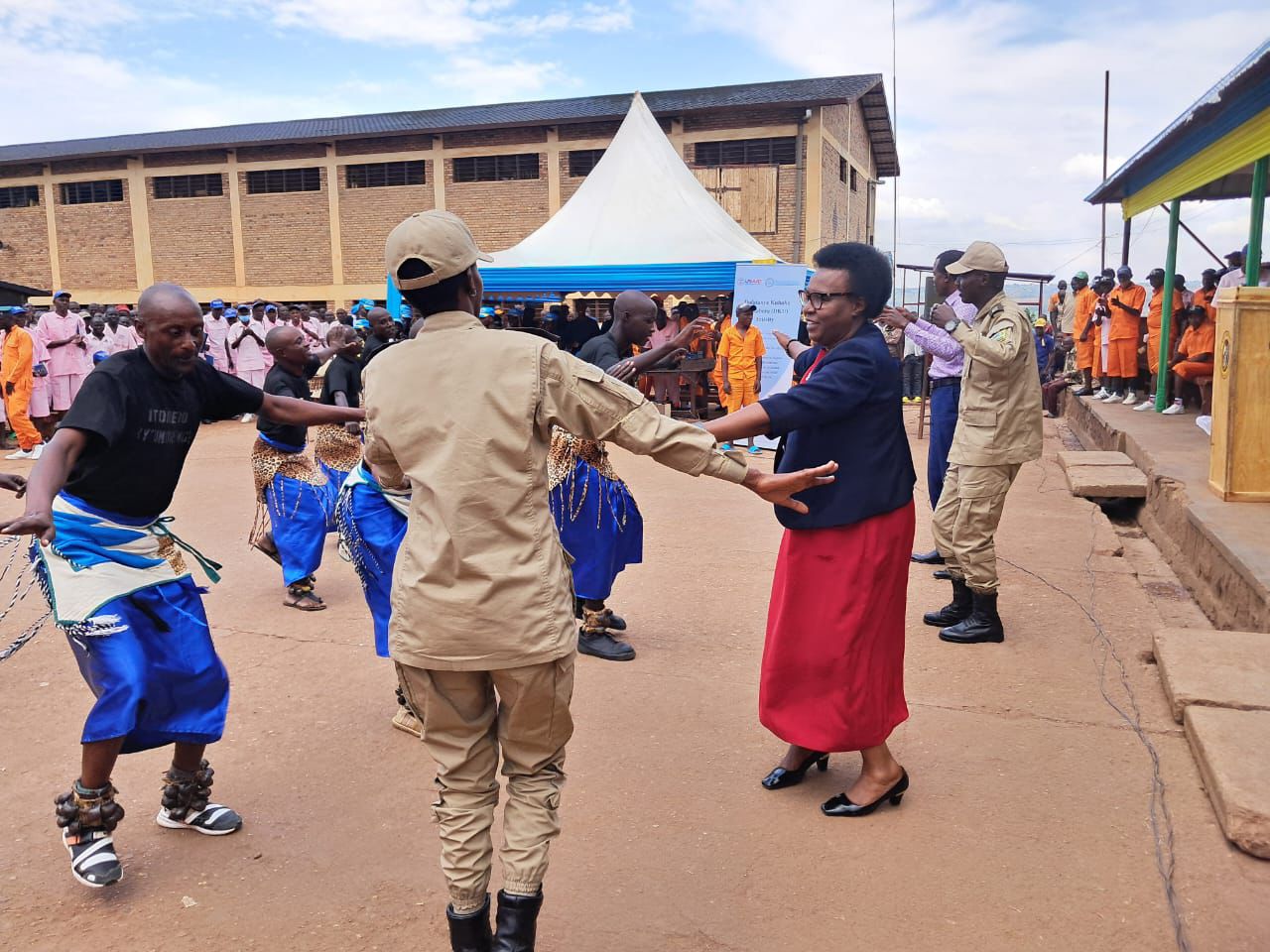
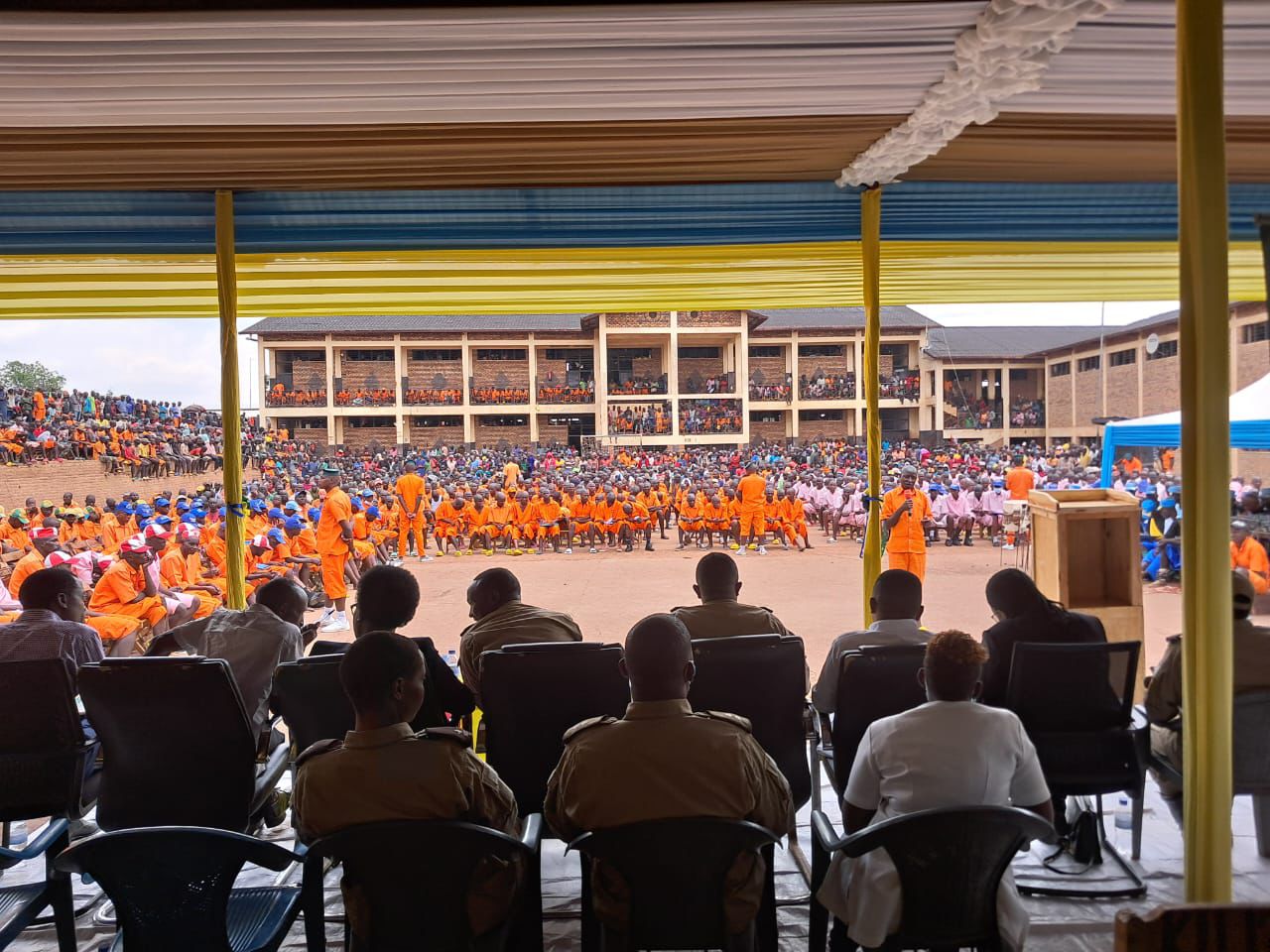
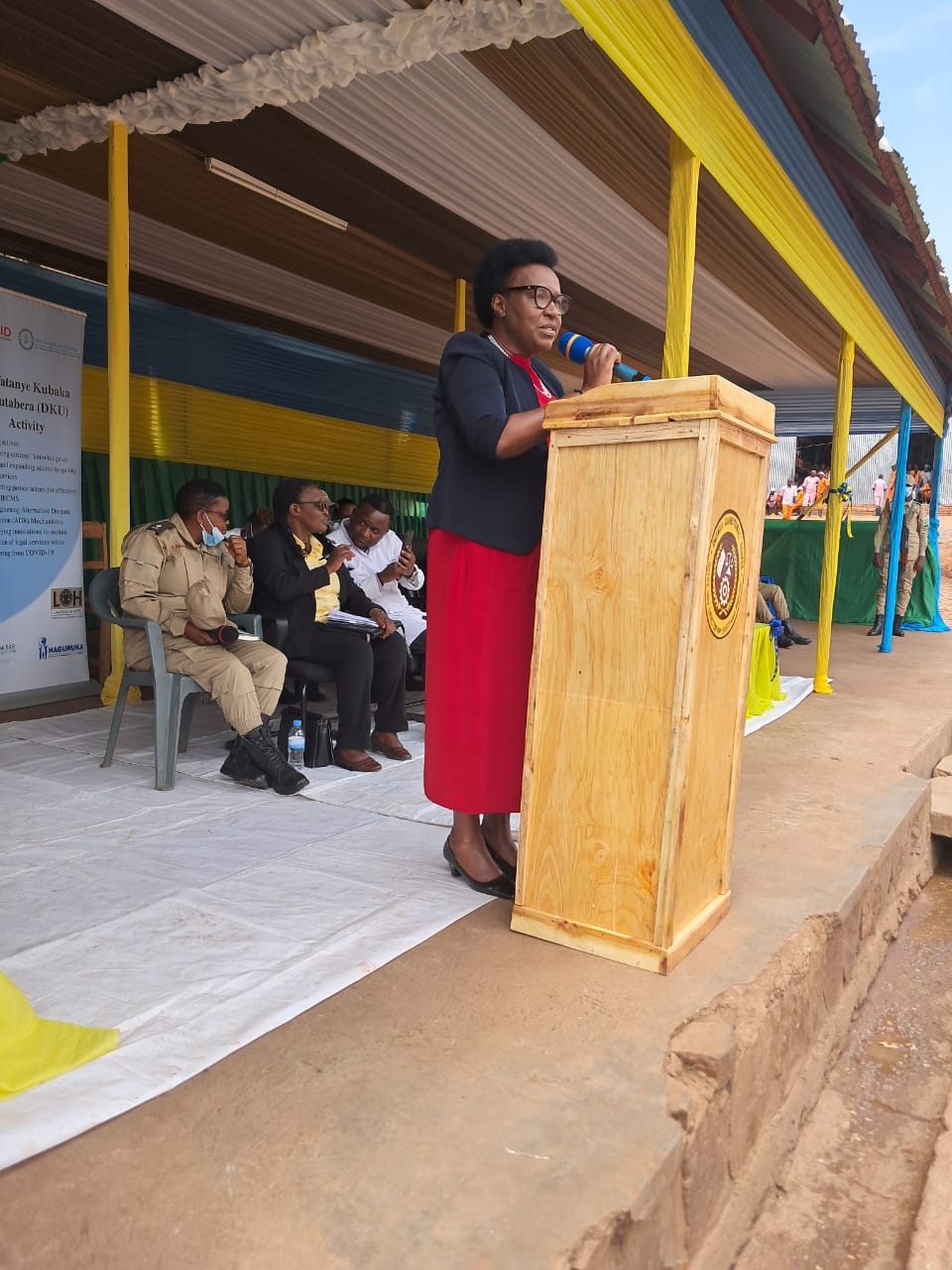
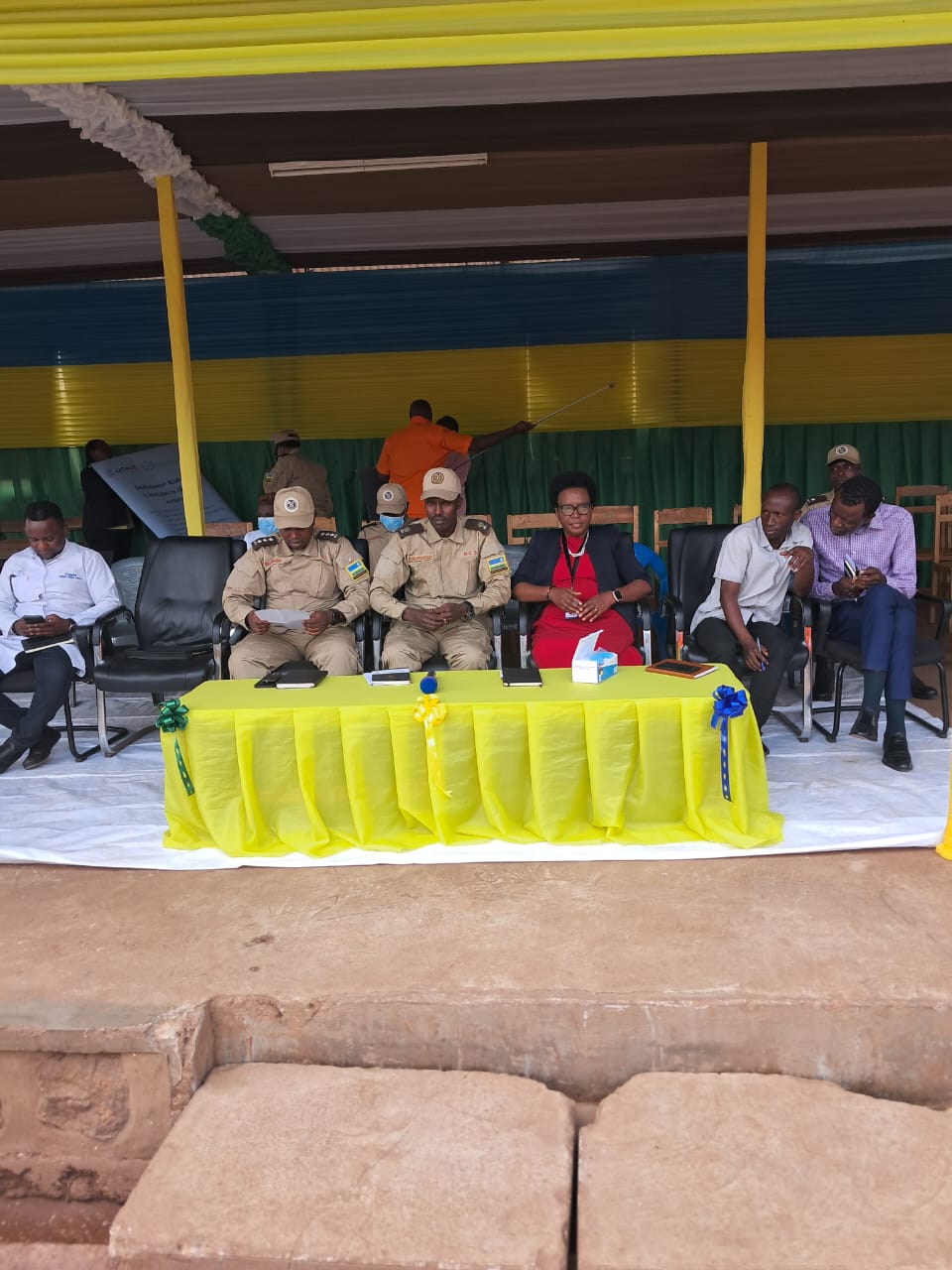
DiDe Staff Retreat 2024 HUMAN FOR DIGNITY
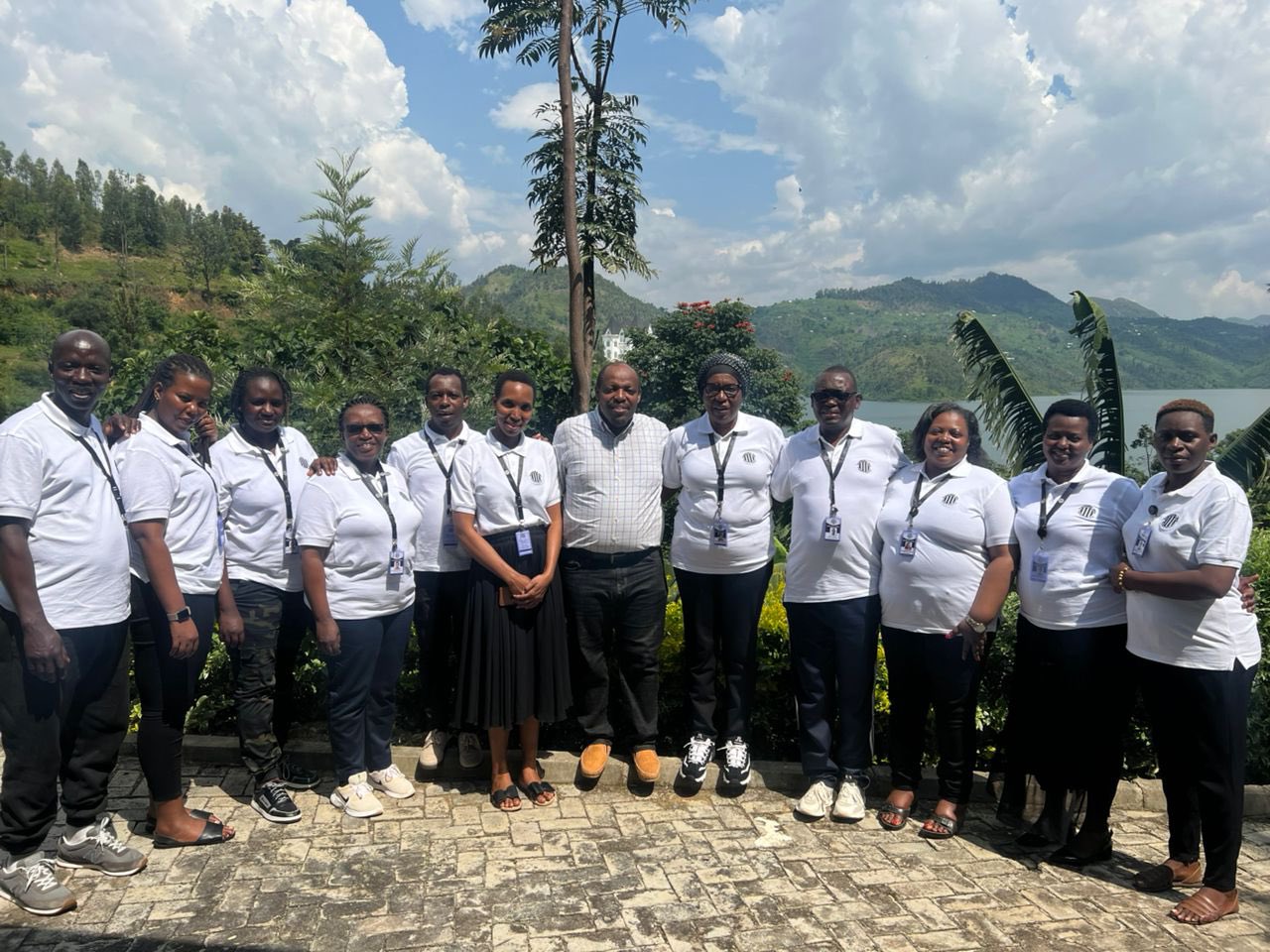
Figure above are : All DiDe staffs.
Karongi District, Rwanda – DiDe Rwanda is proud to announce a transformative 3-day staff retreat held in the picturesque Karongi District, nestled on the shores of Lake Kivu. The retreat, which runs from 18/12/2024 , is centered around strengthening the bonds within the DiDe team, enhancing collaboration, and advancing the shared vision to uphold and protect human dignity.
This annual retreat marks an important milestone in DiDe Rwanda’s ongoing commitment to its mission: to promote human dignity, empower communities, and drive positive, sustainable change throughout the country. With an emphasis on team growth and cohesion, this gathering provides an invaluable opportunity for staff members to reflect, learn, and plan for the future together.
A Focus on Team Collaboration
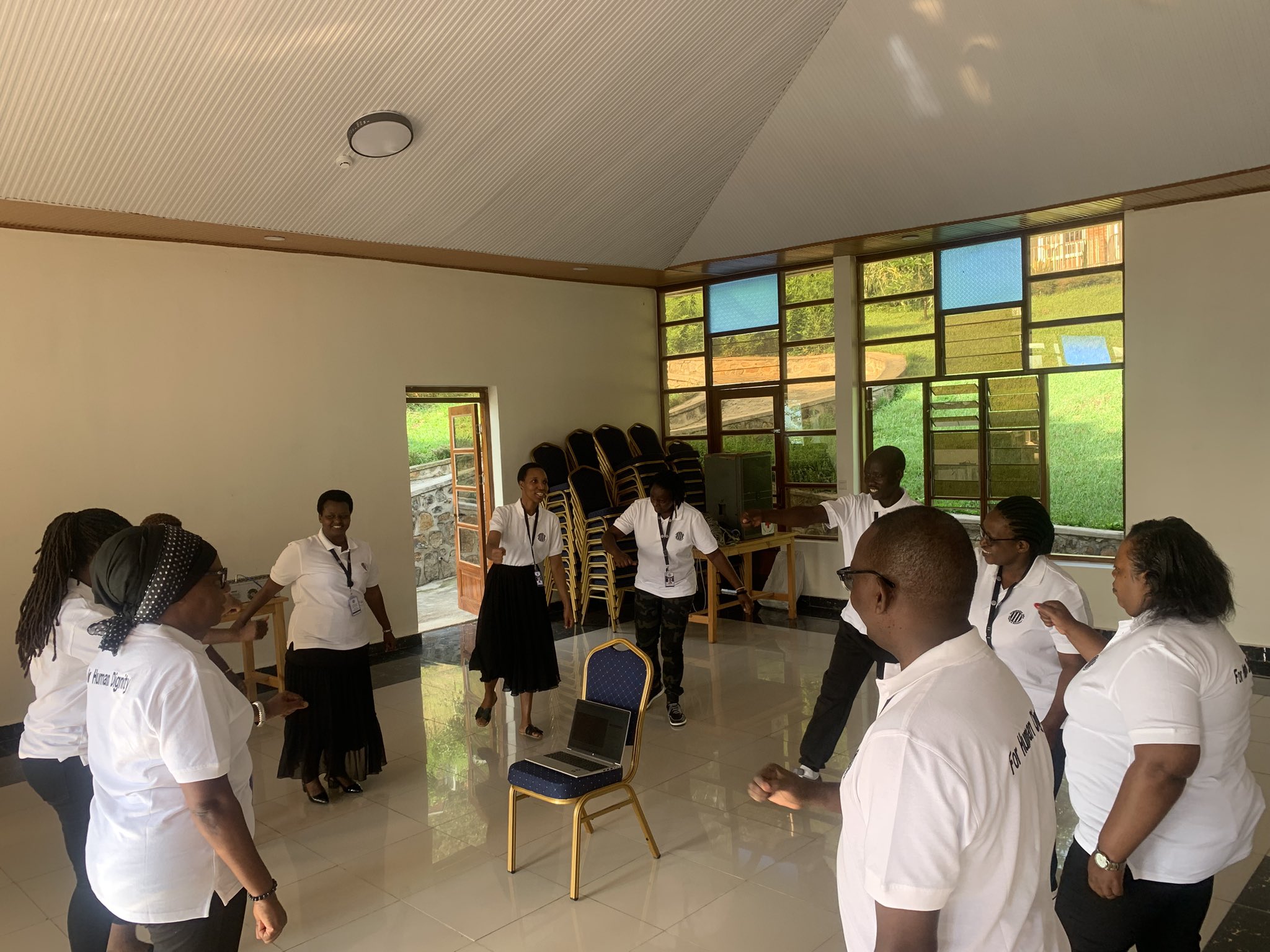
Collaboration is at the heart of DiDe Rwanda’s mission, and the staff retreat is designed to further foster a sense of unity and shared purpose among the team. The retreat’s schedule is packed with team-building exercises, interactive workshops, and collaborative discussions aimed at refining skills, improving communication, and aligning efforts toward the organization’s key objectives.
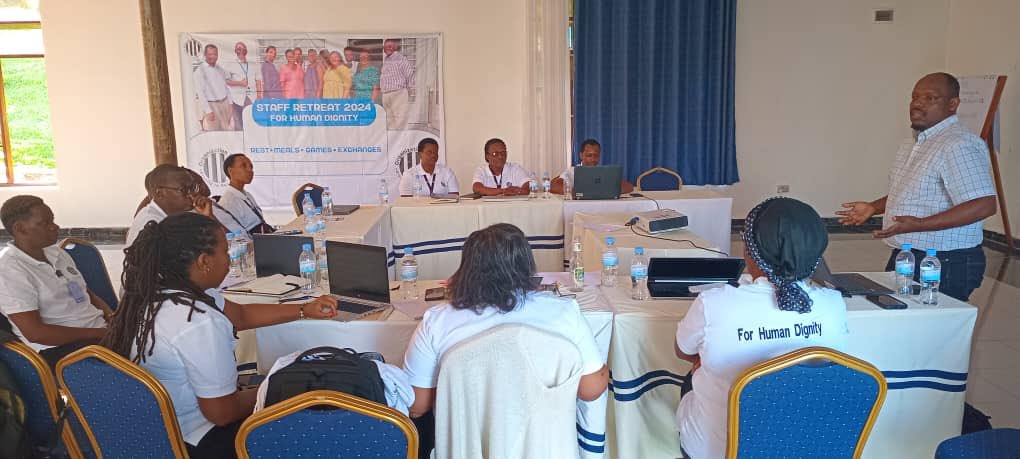
Staff members from various departments – including program management, field operations, Communication,advocacy, Finance and administration – are coming together to reflect on their individual roles, strengthen their collaborative efforts, and share ideas for improving the organization’s impact on communities.
“The retreat provides us with the space to not only deepen our understanding of each other’s roles but also to innovate and strategize together. The strength of our organization lies in the power of collaboration, and this retreat is all about bringing that strength to the forefront,” said Mukansoro Odette, DiDe Rwanda’s Executive Director.
Personal and Professional Growth
The retreat is not just about enhancing team dynamics but also about fostering the personal and professional growth of each staff member. Sessions are tailored to build leadership skills, encourage personal reflection, and inspire each team member to take ownership of their growth within the organization.
Workshops focused on emotional intelligence, conflict resolution, and effective leadership are helping to equip the team with tools to face both the challenges and opportunities that lie ahead in their roles. Through these workshops, staff members are learning how to better support each other, communicate with clarity, and approach their work with renewed energy and purpose.
“The skills and experiences we gain during these days will not only make us more effective in our work but will also help us become better leaders in our communities,” said Sarah Mukantaganda, a DiDe Rwanda Program manager & Gender specialist.
A Shared Commitment to Human Dignity
Above all, the retreat serves as a powerful reminder of DiDe Rwanda’s unwavering commitment to its core mission: to uphold and protect the dignity of every person. Every discussion, every workshop, and every team-building activity is rooted in this core value. By fostering a culture of respect, compassion, and understanding within the organization, DiDe Rwanda continues to strengthen its ability to create lasting impact in the communities it serves.
As DiDe Rwanda moves forward, the collective knowledge, skills, and connections gained from this retreat will help shape the future of the organization’s initiatives. The team’s unity and growth during this retreat are expected to drive even more effective programs aimed at addressing social inequalities, empowering marginalized populations, and advocating for the protection of human rights.
“We are deeply proud of our team and the work we do together. The energy and passion that we bring to our mission every day are what allow us to continue advancing the cause of human dignity in Rwanda,” said
Bicali Viateur,in charge of Monitoring & Evaluation.
Looking Ahead
With the retreat now underway, DiDe Rwanda is excited to take these learnings and connections back to its everyday work. The focus will be on building stronger partnerships, enhancing the effectiveness of programs, and ensuring that the values of human dignity and social justice are reflected in every aspect of the organization’s activities.
The DiDe Staff Retreat 2024 is a clear demonstration of the organization’s commitment to fostering growth, collaboration, and shared responsibility in pursuit of its mission. As the retreat concludes, the DiDe Rwanda team will return to their work with a renewed sense of purpose, eager to continue serving the people of Rwanda and advocating for the preservation of human dignity.
#DiDeStaffRetreat2024 #ForHumanDignity
For more information about DiDe Rwanda’s programs and initiatives, Please visit www.diderwa.org or follow us on social media at DiDe_Rwanda.
DiDe’s BEST EMPLOYEE OF THE YEAR 2024
Meet Our Best Employee of the year 2024 " NYINAWUMUNTU Solange "

A CONFERENCE WITH WOMEN INMATES PREPARING FOR REINTEGRATION AFTER SERVING THEIR SENTENCES RELATED TO THE GENOCIDE AGAINST THE TUTSI 1994
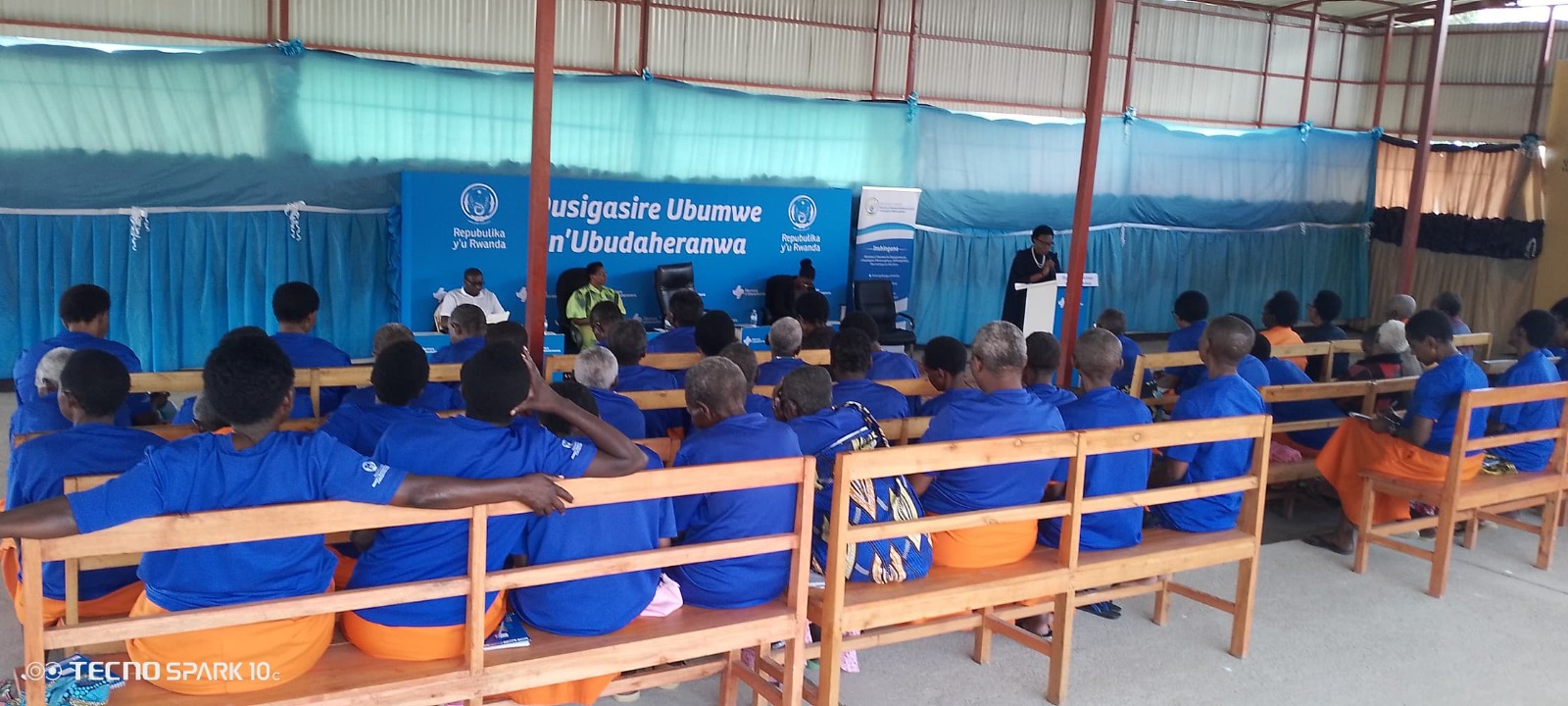
From May 21 to 30, 2025, DiDe Rwanda collaborated with MINUBUMWE in Nyamagabe Correctional Facility to support women who committed Genocide related crimes and are nearing sentence completion.
On May 28, DiDe’s Executive Director addressed 52 participants, guiding them on how to reintegrate peacefully into society. The session emphasized personal responsibility, reconciliation, and embracing Rwandan values of unity.
Women were encouraged to seek forgiveness, avoid retraumatizing survivors, and engage in community development as a path to transformation.Participants responded with gratitude and hope, expressing a renewed sense of purpose. They acknowledged the need to rebuild trust with their families and communities and voiced a collective appeal to be accepted as contributors to Rwanda’s future.
DiDe Rwanda recommended continued support, dialogue facilitation, and inclusive reintegration strategies involving community leaders, survivors, and psychosocial professionals. The conference marked a meaningful step toward healing, dignity restoration, and sustainable national unity.
"Rwamagana Social Reintegration Centre Launching "
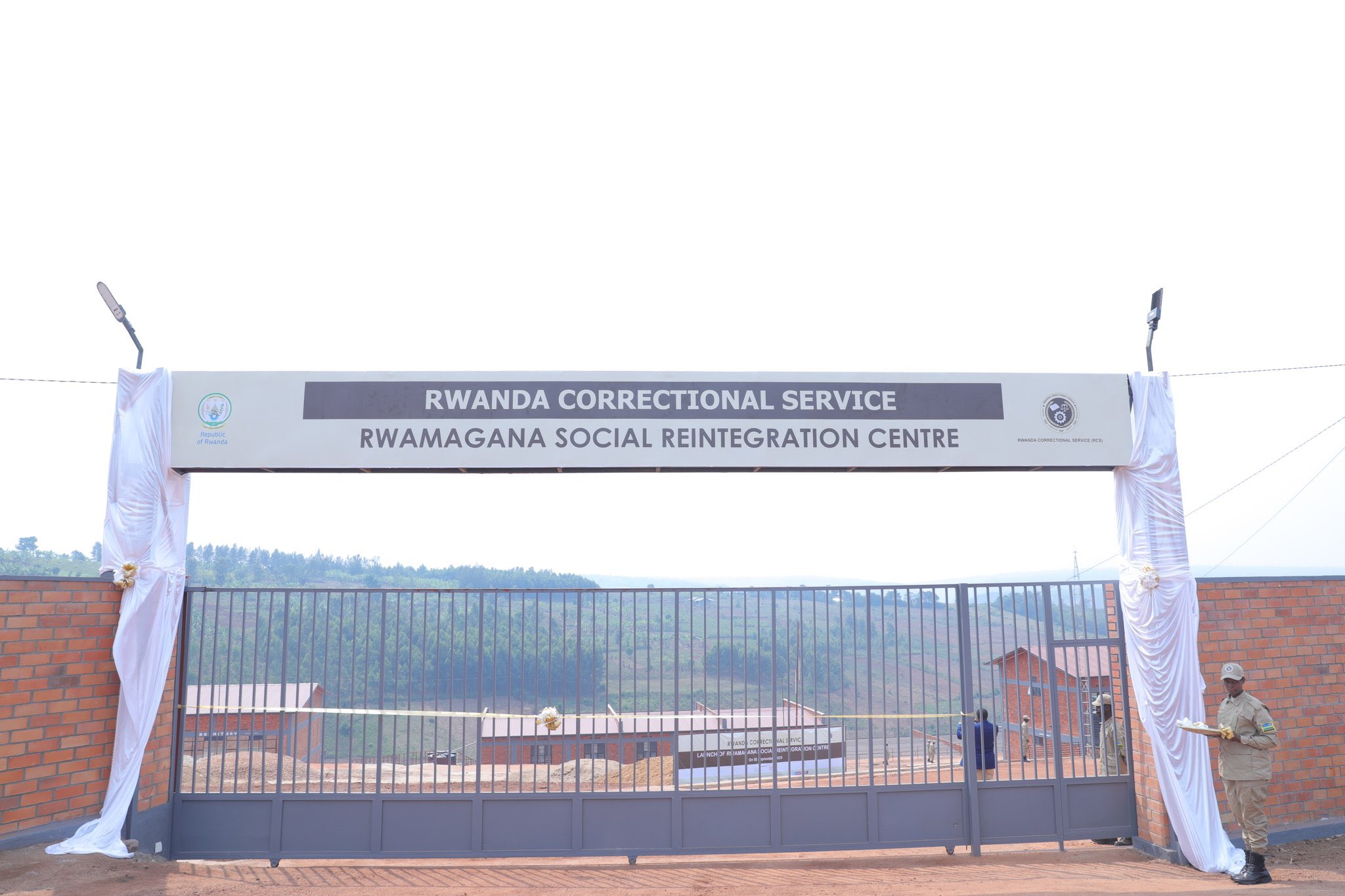
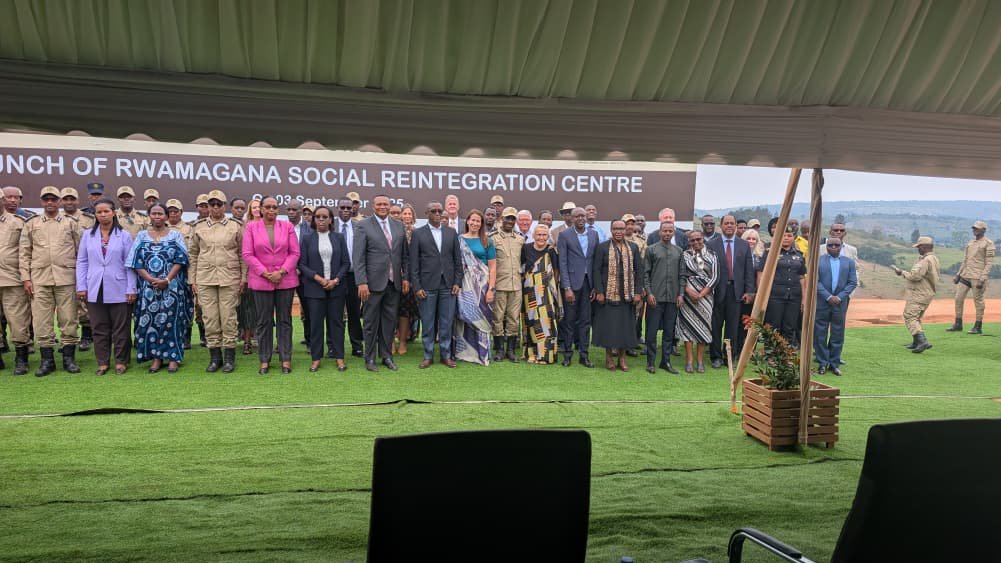
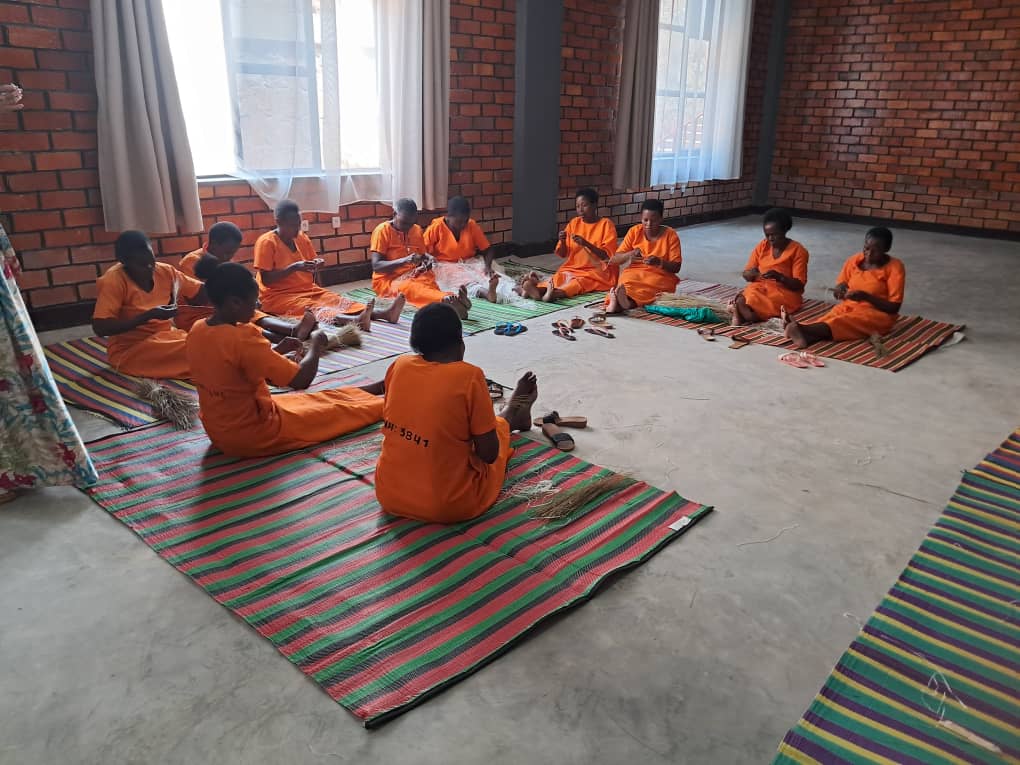
On 3rd September, Organization DiDe Rwanda, We were honored to attend the launch of the "Rwamagana Social Reintegration Centre" opening ceremony.
@DiDe_Rwanda is excited to continue working with RCS_Rwanda & contributing to the center’s mission.
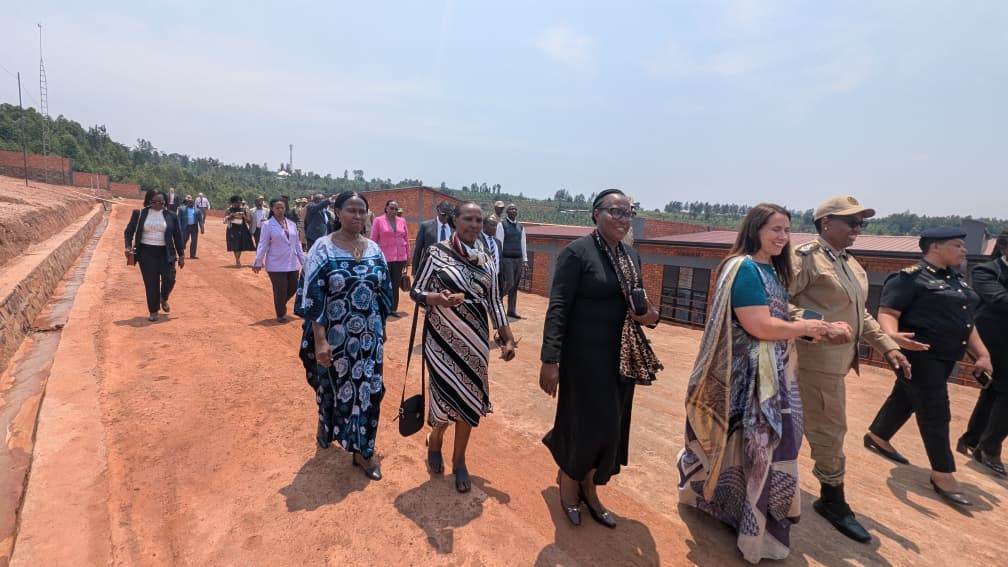
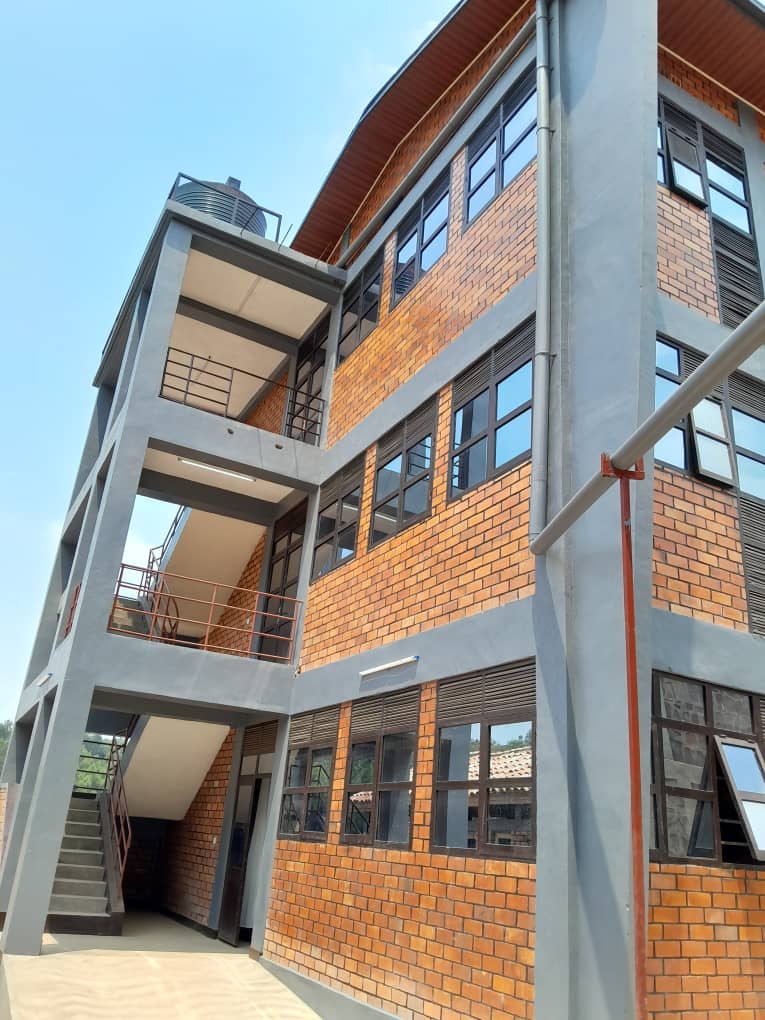
It will host inmates nearing completion of their sentences, with programs focused on family/community reintegration, mental health, and livelihood skills.
Interpeace_Org & partners will contribute to this noble mission.
Our sincere thanks go to RCS and its partners for Rwamagana Social Reintegration Center for creating this essential facility.
Employee of the Year 2025
Congratulations to our staff member Angeline Habarugira as Employee of the year 2025.
Closing the 6th Phase of training for inmates preparing to complete their sentences for crimes related to the Genocide against the Tutsi 1994 in Nyamasheke CF.
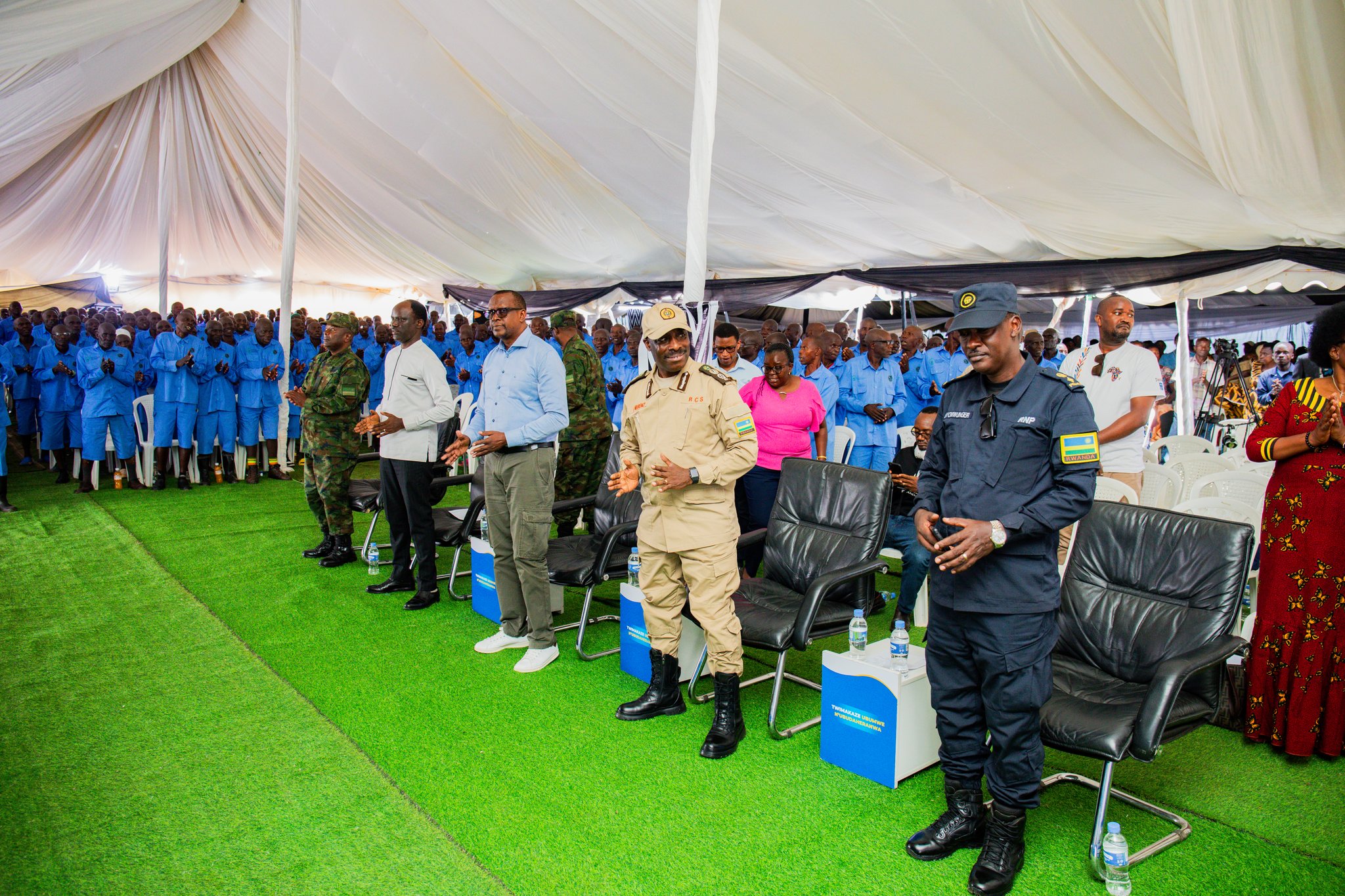
Today, at Nyamasheke Correctional Facility, Organization DiDe Rwanda has participated in the closing ceremony of the sixth phase of training on promoting Unity and Resilience among Rwandans is taking place. This training is designed for inmates convicted of crimes related to the Genocide against the Tutsi who are preparing to complete their sentences.
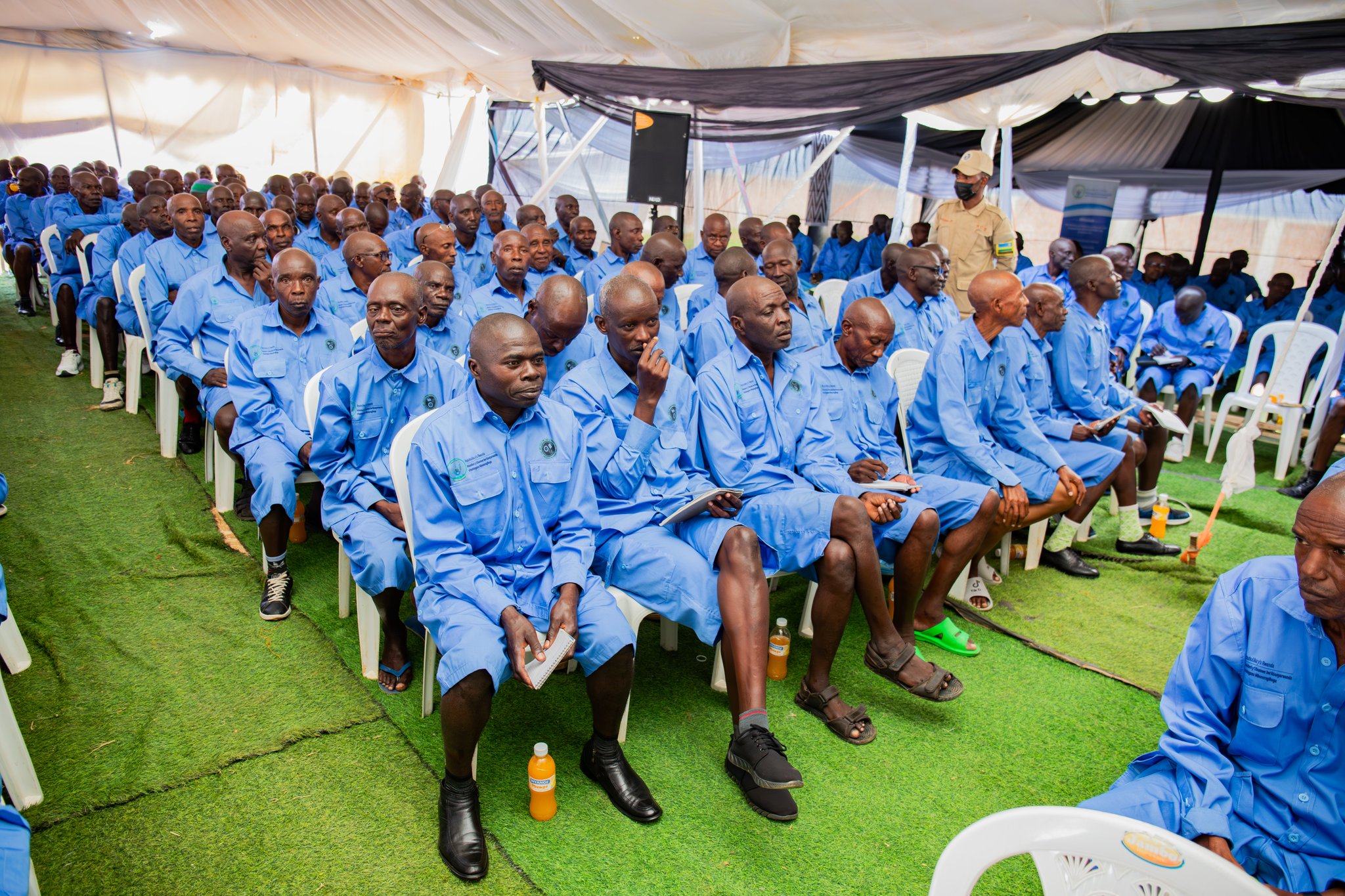
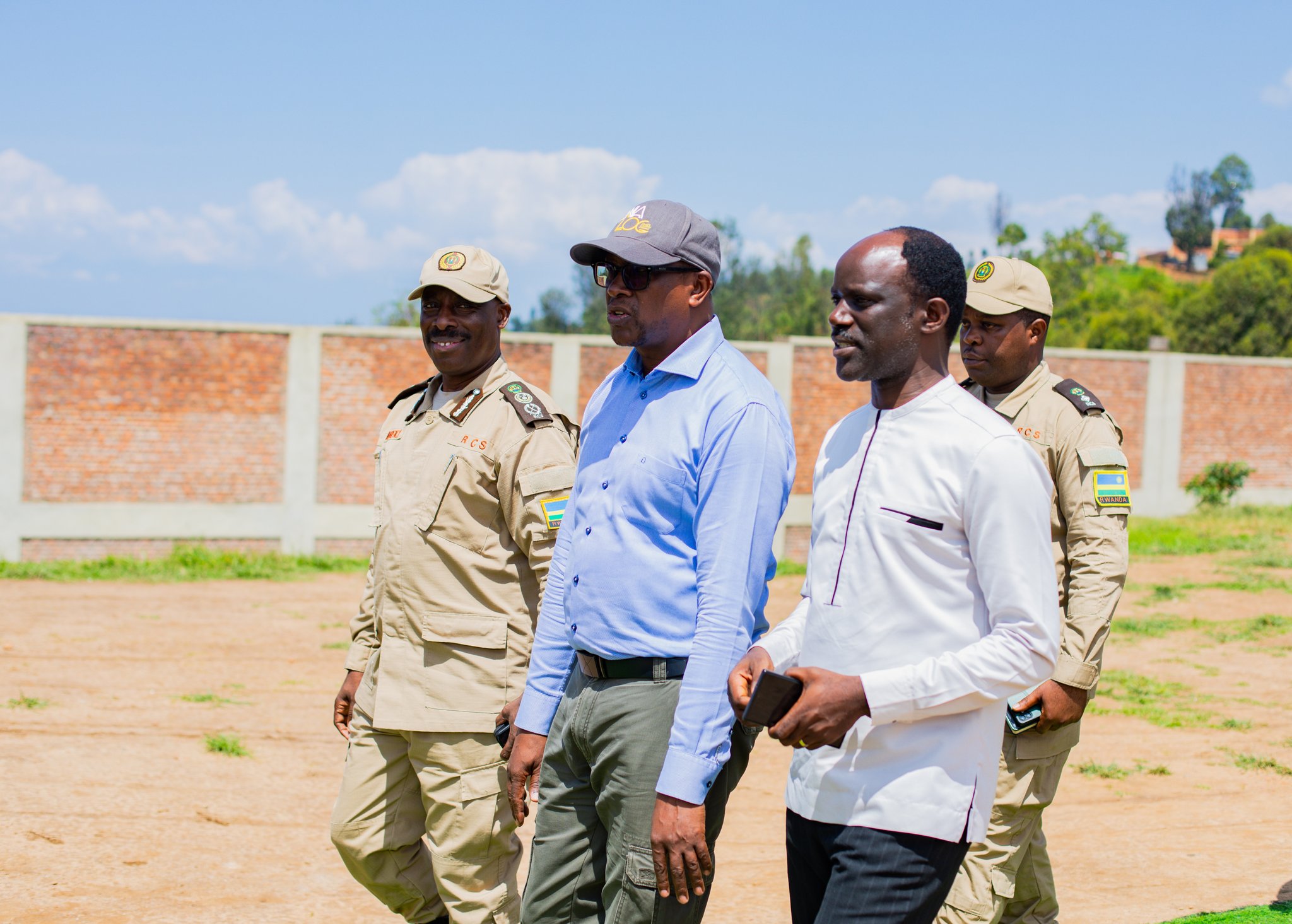
Families of the inmates, including their children and spouses, are also attending this event.
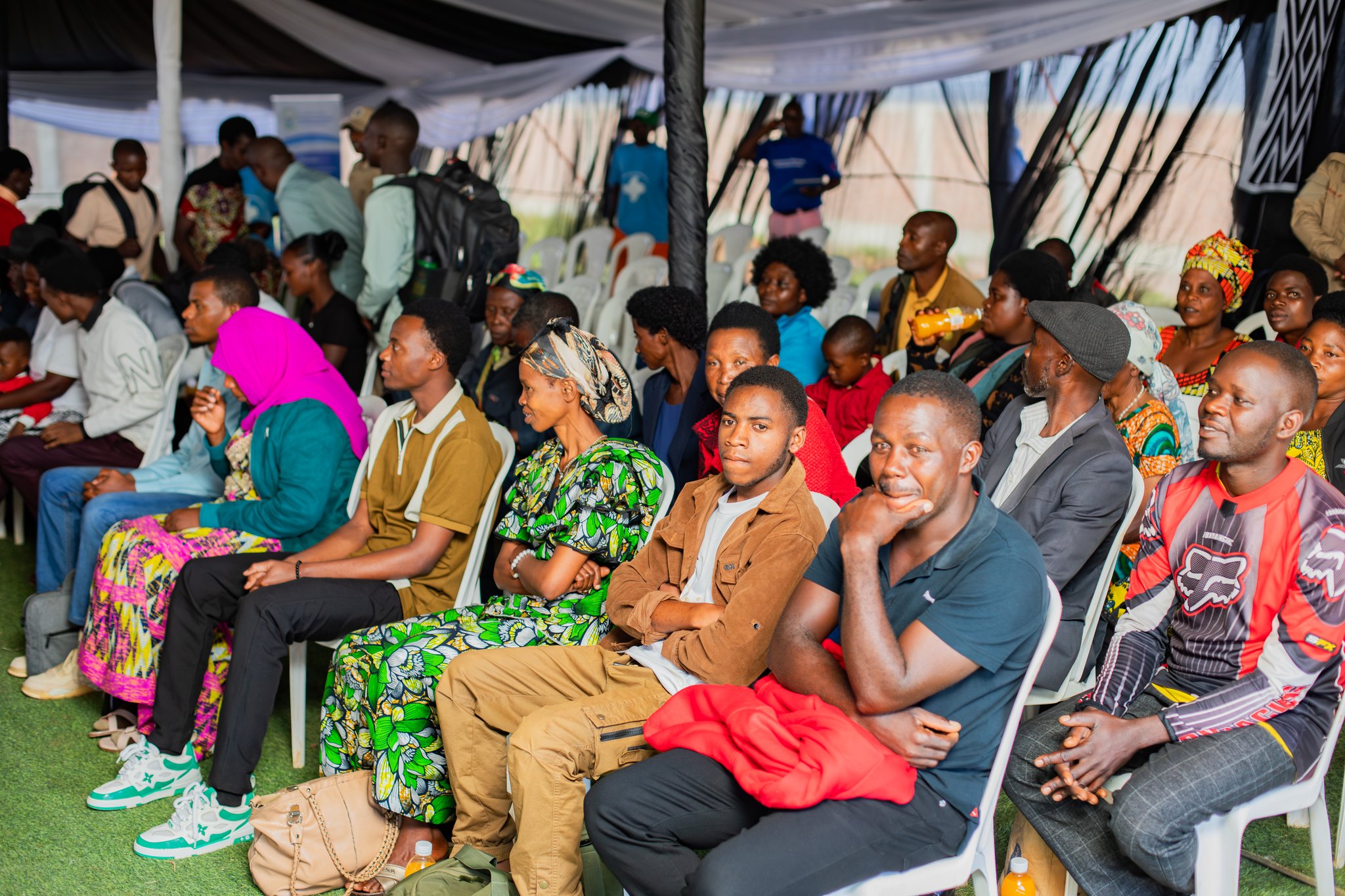
The Guest of Honor is the Minister of National Unity and Civic Engagement (MINUBUMWE), @DrDamascene.
This activity has been organized by MINUBUMWE in collaboration with @RCS_Rwanda, @Interpeace_Org, @CBS__Rwanda, @pfrwanda, and @DiDe_Rwanda.